Icelandic horses calm the nerves fast. This 3.5-hour ride from Reykjavik gets you quickly out of the city and onto a family-run farm, where you’ll be matched to a horse and sent through real countryside not just a fenced show ring. I like that you get pickup in Reykjavik and a short transfer to the stables, so the experience feels easy from the start.
Two things I really like: first, the gear setup. You’ll be kitted out with helmets and warm coveralls (snowsuits in winter), plus boots and other basics so you’re not trying to guess what to wear in Iceland. Second, the farm matches horses to your riding experience, which makes a big difference if you’re new or if you ride regularly.
The main drawback is the cold. Even with provided outer layers, winter can be harsh, especially for hands and feet, so plan to pack extra warmth like hand warmers.
In This Review
- Key highlights to know before you go
- From Reykjavik pickup to spotless stables: how the timing really feels
- The gear handoff: helmets, coveralls, and staying warm when weather turns
- Horse matching makes the ride work for beginners
- What the trail ride feels like: tolt, river crossings, and real countryside time
- The warm-up after the ride: cocoa, coffee, and pastry
- Group size, pacing, and what you’re really paying for
- Safety rules you should take seriously
- Who this tour suits best (and who should think twice)
- Price and logistics: is $152 worth it for a half-day?
- Should you book Laxnes Horse Farm from Reykjavik?
- FAQ
- How long is the Icelandic horseback riding tour from Reykjavik?
- Is pickup from Reykjavik included?
- What’s included for riding gear?
- Is the tour suitable for beginners?
- What is the minimum age for children?
- Is there a group size limit?
- What happens if the tour is canceled due to weather?
Key highlights to know before you go
- Reykjavik hotel pickup included, with an early pickup window and short 15-minute ride to the farm area
- All essential riding gear provided (helmets, boots, and rain clothes or snowsuits in winter)
- Horse matching by ability, so beginners and more confident riders don’t get the same horse
- Time on the trail, including chances for tolt and trotting depending on your group and horse
- River crossings and big views, with the countryside feel right outside the city
- Hot cocoa/coffee and pastry after the ride, to warm up before you’re taken back
From Reykjavik pickup to spotless stables: how the timing really feels
This tour is built for convenience. You’ll be picked up at your hotel or guesthouse in Reykjavik and driven only about 15 minutes to the riding destination. Pickups begin up to an hour before departure, and it can take as long as 20 minutes to collect everyone, so I recommend you be ready a bit early rather than waiting until the last minute.
A small but important logistics note: some hotels in central Reykjavik fall into a no-pickup zone. If that’s you, the operator will contact you with an updated meeting location and instructions. If you’re coming from a cruise ship, pickup is at the main port terminal.
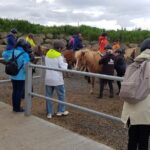
Once you arrive, the farm setup is quick and organized. The stables and equipment handling are designed to get you riding without long delays, and the group size stays small—up to 15 travelers—so you’re not stuck waiting forever in a crowd.
You can also read our reviews of more tours and experiences in Reykjavik
The gear handoff: helmets, coveralls, and staying warm when weather turns
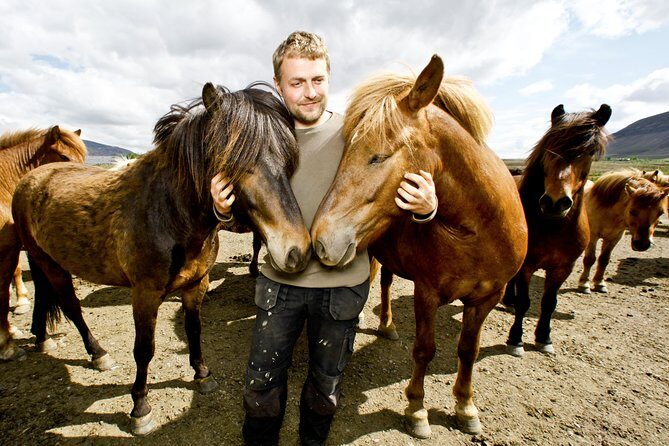
One of the smartest parts of this ride is that you don’t need to bring your own riding outfit. You’ll get the basics on-site: helmets and boots, plus rain gear for wetter months. In winter, you’ll receive snowsuits, which is huge in Iceland where conditions can change quickly.
What this means for you in real terms: you can travel light. You don’t need to pack tall boots or worry about keeping your clothes clean. Some people mention everything gets muddy out there, and coveralls are a big help.
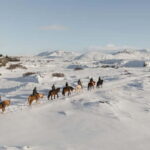
Here’s the practical warning from winter experience: even with provided warm gear, cold can still creep in—especially at hands and feet. If you’re going in winter or on a windy day, bring extra warmth (hand warmers are a solid idea), and wear layers you can move in. You’ll thank yourself when you take your gloves off at the end.
Horse matching makes the ride work for beginners
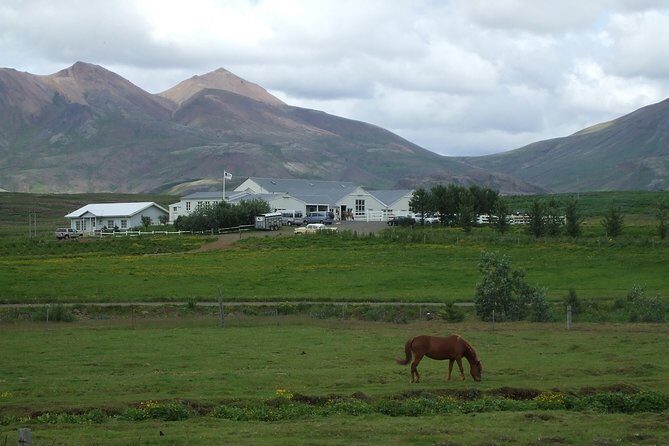
The farm doesn’t just throw everyone on the same horse. They take a quick read of your riding background—how much you’ve ridden before—and then match you with a suitable horse.
That’s a big deal for two reasons:
- Beginners get a calmer, more manageable horse, so you can focus on balance and not panic about control.
- More confident riders can get a horse that suits their comfort level, so the ride doesn’t feel like babysitting.
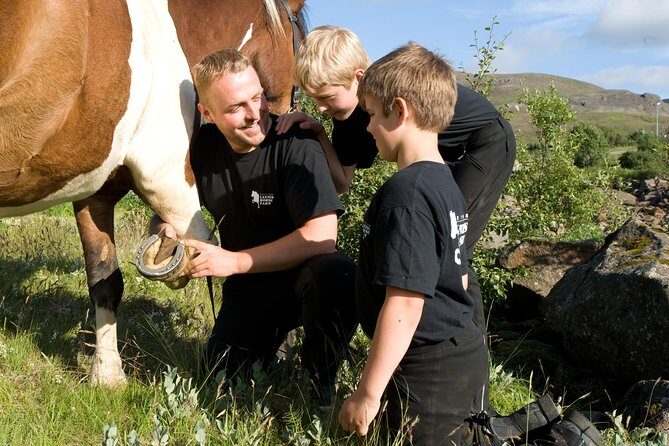
Even if you’ve never ridden before, the general setup is beginner-friendly. There’s no step in the usual sense, and because Icelandic horses are shorter, staff can give you a boost if needed. The instructions are brief at the start, then you’re mostly on a trail ride.
Also worth knowing: this isn’t a lesson-heavy riding school. Think guided ride more than arena training. You’ll follow a route with horses moving as a group, with staff helping you on and off and giving you what you need to stay safe.
What the trail ride feels like: tolt, river crossings, and real countryside time
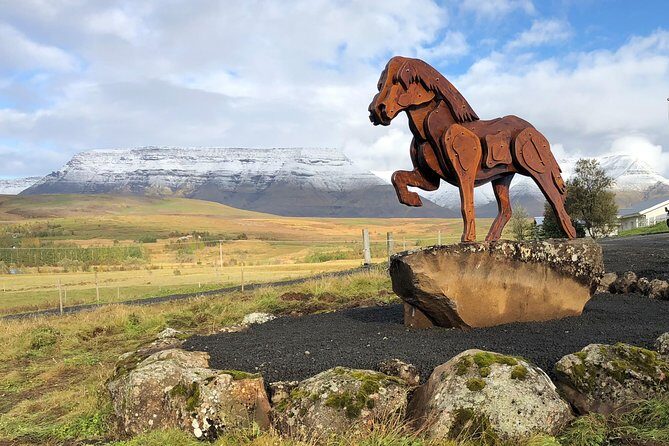
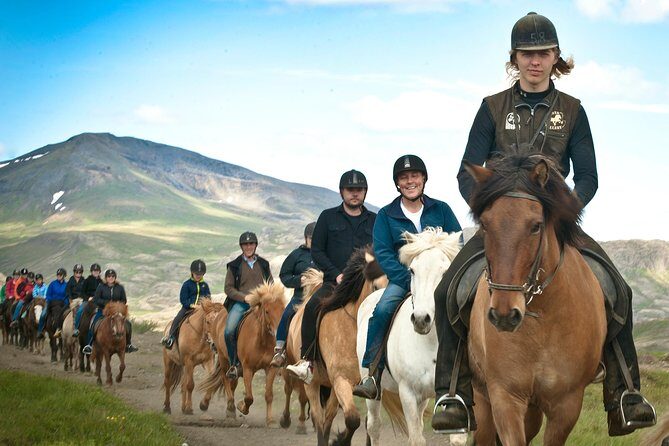
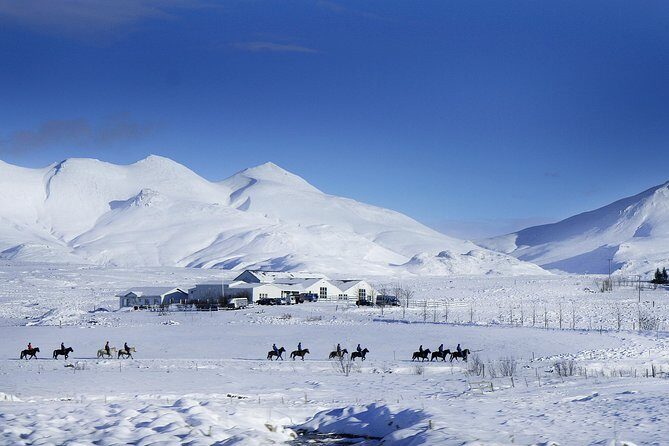
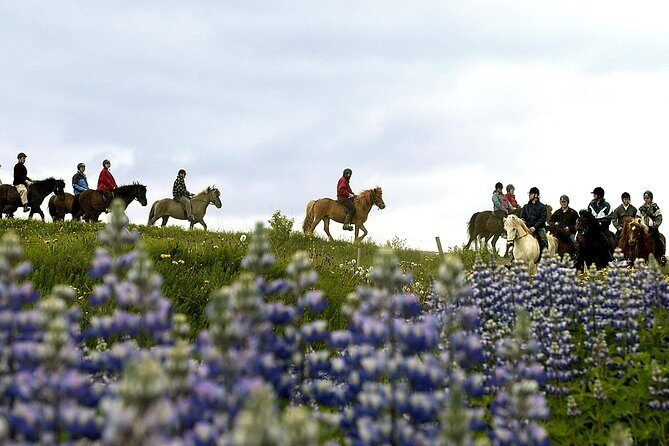
This is a trail ride through the countryside outside Reykjavik. You’ll be out long enough to feel the rhythm of a ride, not just a short loop and done. Many riders talk about the ride being smooth, and the horses are often described as gentle and well cared for.
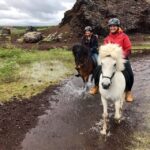
You may notice a special Icelandic touch: the tolt gait. Multiple riders highlight tolt as a memorable part of the experience. For you, that can mean a comfortable, rolling motion compared with some other riding styles you might be used to elsewhere.
You can also expect river crossings. Depending on the day, that could mean a creek crossing that’s more “noticeable” than scary. The guides are there to help, and the horses know their job, which takes a lot of pressure off you.
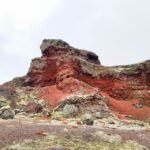
As for terrain, riders describe views with mountains and streams, and in some conditions lava fields show up in the scenery too. You’re not landing on a cinematic postcard for two minutes and leaving—you’re out long enough to actually experience the countryside around Reykjavik.
One consideration: if you have bad knees or a bad back, horseback riding may not feel great. Some people flag that the ride could be too long for sensitive joints. It’s not a dealbreaker for everyone, but it’s a real factor worth weighing before you book.
The warm-up after the ride: cocoa, coffee, and pastry
The ride ends, and then you warm up like a human again. After returning to the stables, riders often mention hot cocoa or coffee and something sweet—pastry, and in some cases coffee and cake—served in a warm tea room.
This part matters more than it sounds. Icelandic weather can drain you. Having a warm space right after riding gives you time to dry out a bit, warm your hands, and feel like the trip was complete—not just transport and then back into the cold.
It’s also a nice social moment. You’ll see how other riders did with their horses and compare notes on the trail. With a group size capped at 15, this usually feels friendly rather than chaotic.


Group size, pacing, and what you’re really paying for
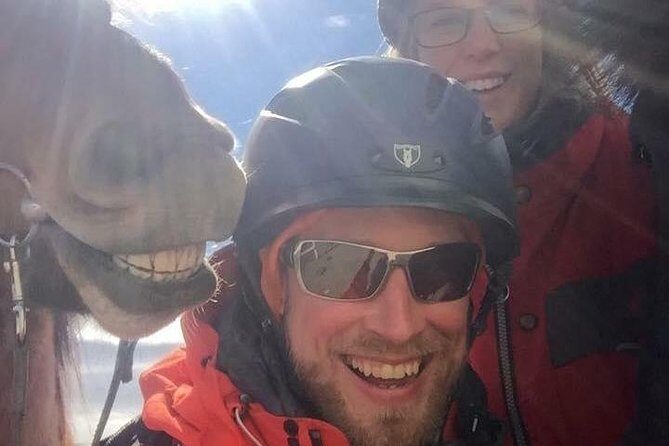
At roughly 3 hours 30 minutes total, this tour fits well into a half-day plan. You’re not spending your whole day commuting across the island, and that’s part of the value. You’re close to Reykjavik, but you still get the country feel.
The price is $152.37 per person. That’s not cheap, but when I look at it as a deal, it stacks up because you’re getting:
- Pickup and drop-off in Reykjavik (including cruise port options)
- Full riding gear provided (so you don’t add rental costs or guesswork)
- Staff time to match horses to ability and keep the group safe
- A trail experience with enough time to actually ride, plus warmth and snacks afterward
Also, the small group size helps. When you’re with only up to 15 people, you’re less likely to feel like a ticket number.
One more real-world value point: the farm has a long-running reputation (it’s family-run and described as having roots going back to 1968). That doesn’t automatically mean perfection, but it does suggest an operation built by people who keep doing it year after year.
Safety rules you should take seriously
This tour is built around animal handling and winter conditions. Because of that, the operator reserves the right to refuse service to anyone showing signs of intoxication. If service is canceled because of that, refunds don’t apply.
It’s not just legal fine print. It’s your heads-up that safety and readiness matter here—wear your gear, show up on time, and follow staff instructions when you mount and dismount.
Who this tour suits best (and who should think twice)
This ride is a great fit if you want:
- A classic Icelandic experience with Icelandic horses, not a generic riding tour
- A guided trail ride with chances for tolt and some faster movement for suitable riders
- Beginner-friendly support, including horse matching and quick instruction
It’s also a strong choice for families and kids. The minimum age is 7, and children must ride with an adult. Many riders mention an 8-year-old being able to manage the experience with the right horse and help, which matches what you’d hope for in a beginner-friendly setup.
Think twice if:
- You’re dealing with knee or back issues, since some people say the ride can be long
- You hate cold weather and don’t plan for extra warmth beyond what’s provided
- You’re expecting a detailed riding lesson rather than a guided trail experience
Price and logistics: is $152 worth it for a half-day?
If you compare this to tours that require you to drive far into the countryside, this one keeps costs down in the most useful way: the transfer is short, pickup is included, and you don’t have to arrange extra transportation.
The biggest “value” question is how much riding time you get. While exact minutes aren’t listed, the experience is described as a solid trail ride, long enough to feel like you truly rode and not just walked in place. When a tour also includes warm gear, hot drinks, and a small group size, the price starts to make more sense.
So I’d frame the value this way: you’re paying for an organized, low-stress ride with real Icelandic horses and a smooth experience from door-to-door. If that’s your goal, $152 is closer to fair than it looks.
Should you book Laxnes Horse Farm from Reykjavik?
I’d book it if you want a straightforward Icelandic horseback experience that doesn’t require planning a lot of gear, doesn’t feel like a big crowded tour, and works for beginners. The combination of pickup in Reykjavik, horse matching, and those standout post-ride warmth moments (cocoa, coffee, pastry) makes this one of the easier ways to get countryside riding without a full day commitment.
I’d hesitate if winter cold really shuts you down or if your body struggles with longer rides on horseback. In that case, ask yourself if you can handle the weather and if the ride length sounds comfortable for you.
If you fall somewhere in the middle, here’s my practical tip: pack extra warmth for hands and feet, wear layers you can move in, and go in expecting a guided trail ride with Icelandic tolt moments—not a formal riding course.
FAQ
How long is the Icelandic horseback riding tour from Reykjavik?
It runs about 3 hours 30 minutes.
Is pickup from Reykjavik included?
Yes. Pickup is offered from your hotel or guesthouse in Reykjavik, and cruise passengers are picked up at the main port terminal.
What’s included for riding gear?
You’ll be provided with basic riding gear such as a helmet and boots. Rain clothes are provided, and in wintertime you receive snowsuits.
Is the tour suitable for beginners?
Yes. Beginners are welcome, and the operator matches you with a horse based on how much you have been riding.
What is the minimum age for children?
Children must be accompanied by an adult, and the minimum age is 7.
Is there a group size limit?
Yes. The tour/activity has a maximum of 15 travelers.
What happens if the tour is canceled due to weather?
The experience requires good weather. If it’s canceled due to poor weather, you’ll be offered a different date or a full refund.