A day like this gives you two wow moments. The Silfra Fissure snorkeling is the headline, and the Golden Circle sights hit right after, so your trip stays packed with big Iceland energy. You’ll be in a dry suit system, plus you get guided help that some groups remember fondly—like snorkel instructors such as Ioannis or Anna Welsh—when it’s your first time in arctic gear.
I especially like that you’re not just watching Iceland from a window. You get guided time at Þingvellir, Geysir, Gullfoss, and Kerið, then you float between the American and Eurasian tectonic plates in Silfra. One drawback to plan around: the schedule can feel tight, and a couple of people flagged that hot cocoa, biscuits, or even lunch timing can run later than you’d like.
This combo makes sense if you want maximum variety without rental-car stress. It’s not for everyone, though. If you’re sensitive to claustrophobic feelings from dry-suit gear, or you’re dealing with medical constraints listed by the operator, you’ll want to read the snorkeling handbook and decide carefully before you book.
In This Review
- Key things I’d track before you go
- Why this Reykjavík Golden Circle + Silfra combo works so well
- The Golden Circle stops: Thingvellir, Geysir, Kerið, and Gullfoss
- Thingvellir: walking between tectonic plates and stepping into Viking-era Iceland
- Geysir’s geothermal area: the word origin and Strokkur’s eruption show
- Kerið Crater: the quick stop that adds variety
- Gullfoss: where glacial water makes the whole area feel alive
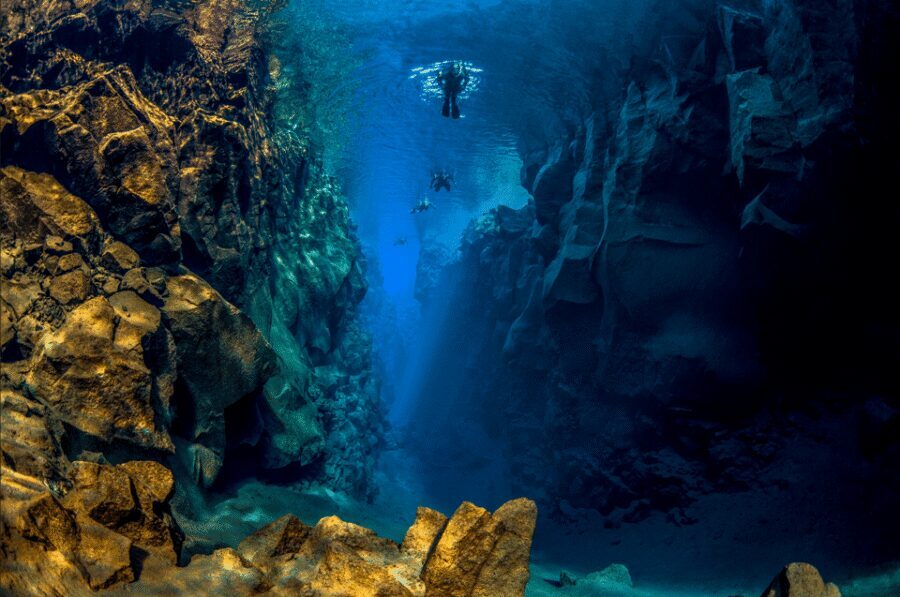
- Silfra snorkeling: floating between continents in clear glacial water
- What you should wear (and what you should pack)
- Drysuits, safety, and staying warm without fighting the gear
- Timing, transfers, and why the day can feel a bit compressed
- Price and value: is $297 worth it for this much Iceland in one day?
- Who should book this tour, and who should skip
- My booking verdict: should you choose this combo?
Key things I’d track before you go
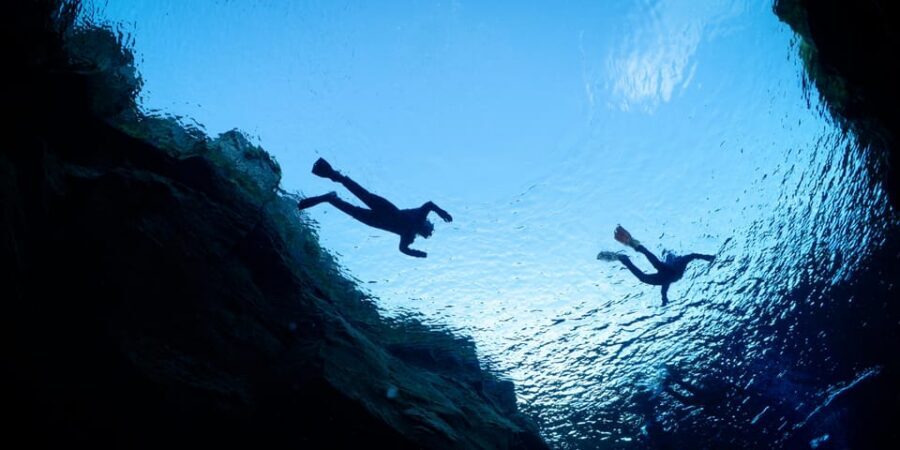
- Silfra visibility can be extremely high (up to 150 meters is cited), which is why the water looks so unreal.
- You’re in dry suits with thermal layers, so warmth is managed for most people (with some cold spots still possible).
- Thingvellir is more than a scenic stop: you walk in an area tied to the North American and Eurasian plates and a Viking-era parliament site.
- Geysir’s area includes the eruption show from Strokkur, with time for photos at the geothermal fields.
- Kerið adds variety with a crater stop that breaks up the day.
- You may switch vehicles for the Golden Circle after Silfra, so keep your gear organized and follow the guide’s lead.
Why this Reykjavík Golden Circle + Silfra combo works so well
This tour is built for people who want Iceland in one shot: volcanic steam, waterfall power, tectonic drama, and then a cold-water underwater walk-through. The key is the pacing. You start early from Reykjavík, then you move through the Golden Circle in a way that keeps you from spending hours trying to solve parking, driving, and weather in a single day.
What I like is that the day isn’t just a checklist. The Golden Circle stops are spaced for real viewing time, not just photo-grabs, and Silfra is run like a guided experience with safety briefings and equipment handling. In the Silfra portion, guides like Mino or Vasco have been noted for clear instruction and for taking photos through the snorkel session.
The main consideration is that “combo” means “two parts with a handoff.” One person noted that Silfra happened first and then the Golden Circle ran afterward with a transfer to a different bus. That’s normal for some operators, but it’s still worth mentally preparing for.
You can also read our reviews of more snorkeling tours in Reykjavik
The Golden Circle stops: Thingvellir, Geysir, Kerið, and Gullfoss
The Golden Circle portion is the classic southern route: Þingvellir National Park, the Geysir geothermal area, Kerið Crater, and Gullfoss Waterfall. In 10 hours total, you’re getting a full sweep of what Iceland does best: geology you can’t fake, landscapes shaped by volcanic forces, and sites tied to both nature and history.
You’ll ride with roundtrip transportation from Reykjavík, guided by an English-speaking expert. If your guide cracks jokes and keeps the group moving, it helps—Simon is one example people specifically praised for being informative and friendly without rushing.
The “value” piece here is the mix: you’re paying for transport plus guided interpretation at several named stops, and you’re not doing the legwork yourself.
Thingvellir: walking between tectonic plates and stepping into Viking-era Iceland
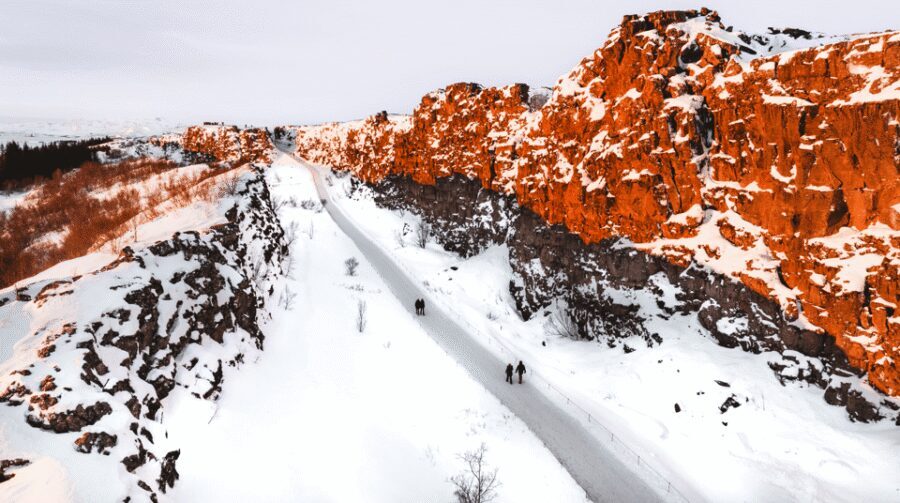
Þingvellir (Thingvellir) isn’t just a place to see cracks in the earth. It’s where you can literally walk between the North American and Eurasian tectonic plates, side by side with the kind of geological drama Iceland is famous for.
You’ll also be in a UNESCO World Heritage setting tied to Viking settlement history and the site where the first parliament was founded. That history matters because it changes the feeling of the park: you’re not only looking at geology—you’re standing in a landscape that people once used for governance and community.
One practical note: wear shoes you’re happy walking in. The tour includes a walk time at the park, and Iceland weather has a habit of switching from fine to slippery fast.
Geysir’s geothermal area: the word origin and Strokkur’s eruption show
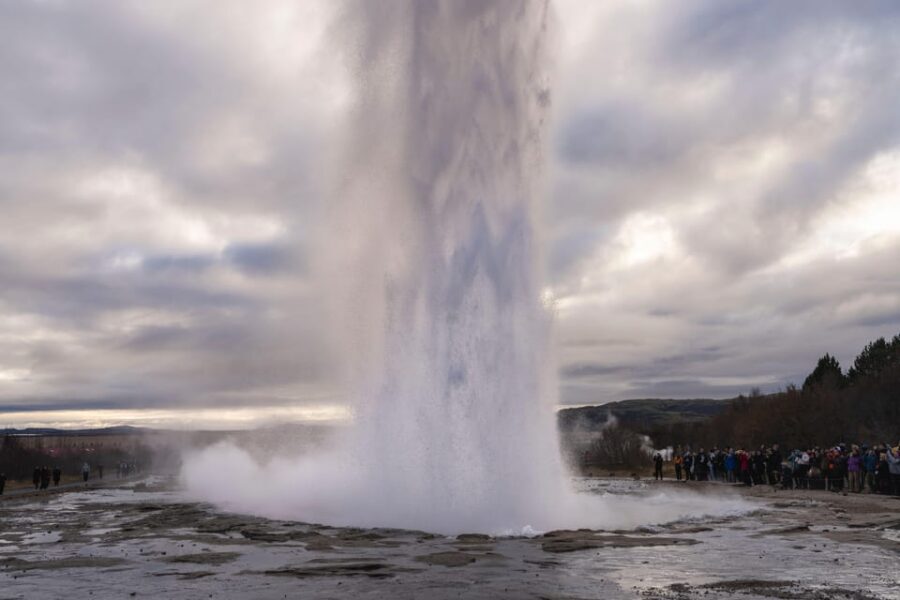
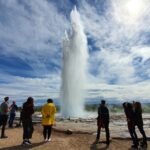
The Geysir geothermal field is the birthplace of the word geyser, and that fact gives the area a nice extra layer. You’ll see the original Geysir area and then watch erupting activity from Strokkur, which throws boiling jets on a schedule that’s different from “random” steam.
What I like about this stop is that it’s not just visual—it’s sensory. You’ll hear hissing and steaming, and you get close enough to understand why Iceland’s volcanic systems shaped the country’s culture and stories.
If you’re a photography person, plan to shoot during the eruption windows and not just between them. One reason guides are worth it here is that they help the group reposition so you’re not all trying to be a cameraman and a runner at the same time.
Kerið Crater: the quick stop that adds variety
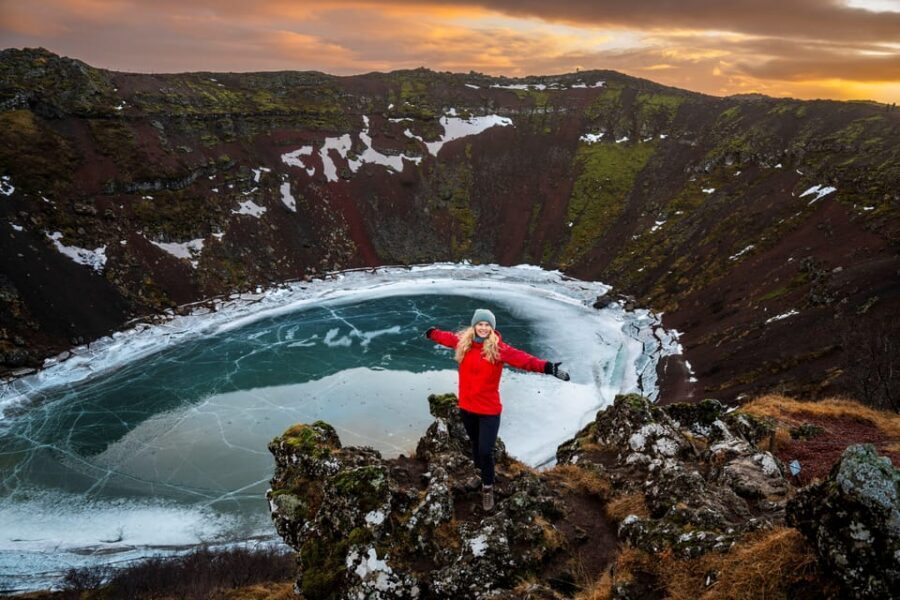
Kerið Crater is an efficient add-on that breaks up the day between the geothermal and the waterfall. It gives you a different kind of Iceland view: crater walls and color that feel distinct from the steam-and-mist stops.
The upside of a shorter crater stop is energy management. After Silfra and before Gullfoss, you don’t want another long, exhausting hike—Kerið is a fit-in, look-and-go moment that keeps the day from turning into constant walking.
Bring the same camera mindset: you’ll get time to see it properly, but the tour is still designed to cover multiple sites in one run.
Gullfoss: where glacial water makes the whole area feel alive
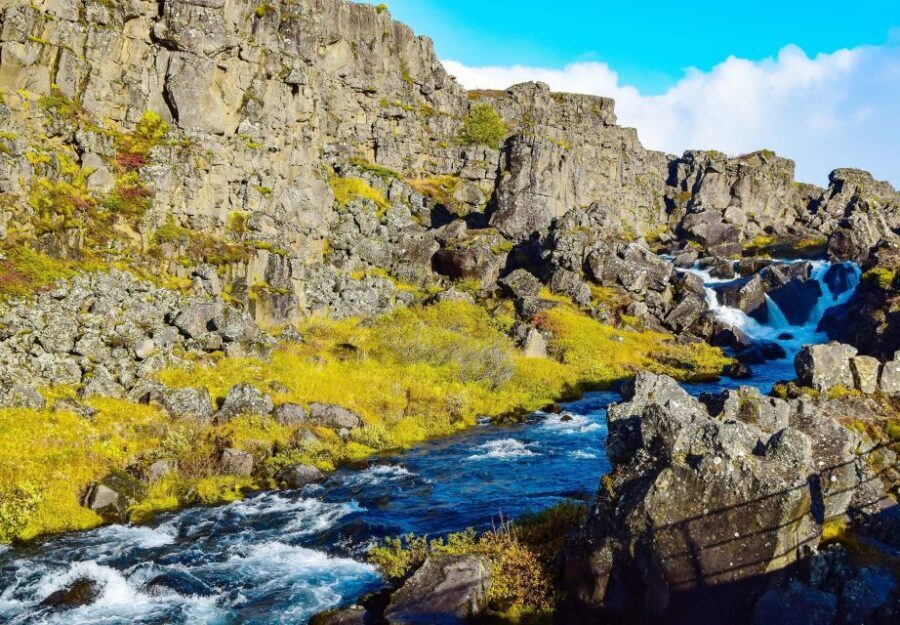
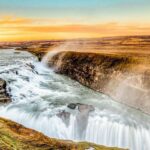
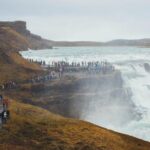
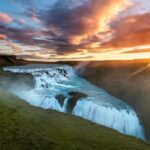
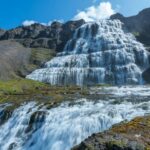
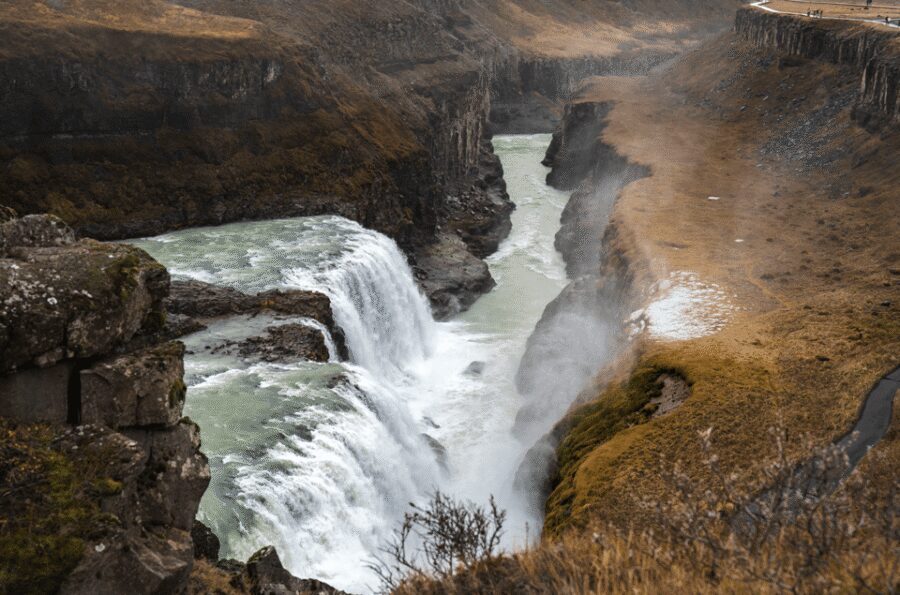
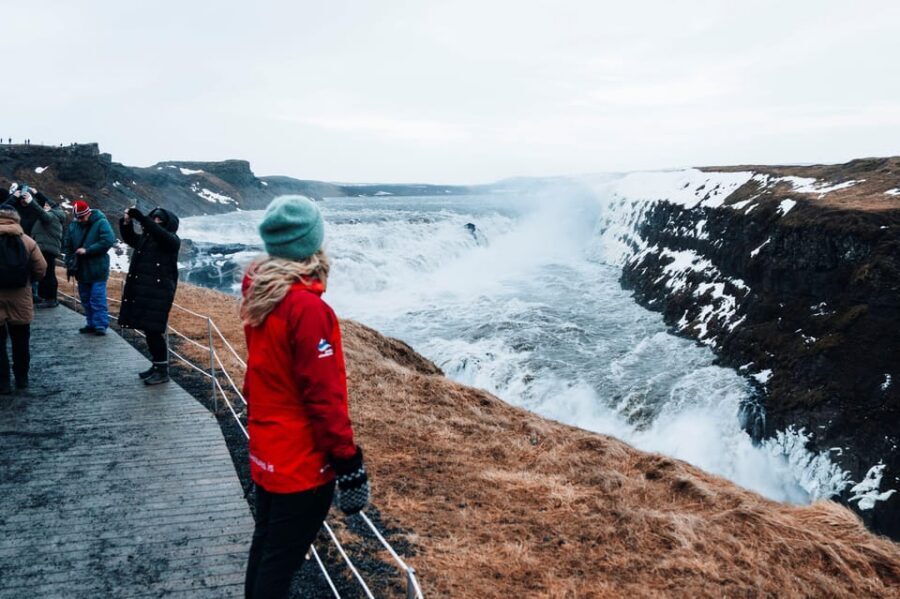
Gullfoss is often called the queen of waterfalls, and you’ll understand why when you’re close enough to feel mist in the air. It’s the kind of place where the sound hits first, then the spray, then the sheer drop.
The tour describes Gullfoss as glacial water cascading down two dramatic lava steps. That detail matters because Gullfoss isn’t one single fall you watch from a distance—it’s a sequence. You’ll want to look at the top cascade and the lower drop separately so you catch the full shape of the waterfall.
This is also a good stop to slow down a little. Even if your group is moving, you can still take moments to watch the water texture change as it drops.
Silfra snorkeling: floating between continents in clear glacial water
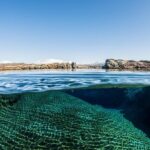
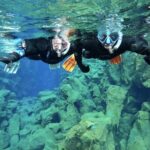
Now for the reason many people book this combo: Silfra Fissure snorkeling. Silfra sits at the continental divide between America and Europe, and the experience is famous for clarity—visibility is cited up to 150 meters.
You’ll float in crystal-clear glacial water, with vibrant blue tones and rock formations that look almost painted. Dry suits and thermal undersuits keep you protected, but the water is still cold enough that you’ll want to follow the guide’s instructions exactly and layer under the dry suit as required.
In past groups, instructors like Juna or Anna Welsh were praised for helping first-timers get comfortable with the dry suit setup and for giving clear safety coaching. That matters, because Silfra is not just “put on a snorkel and go.” The guide is there to help you move calmly, use the gear correctly, and stay aware of the group.
What you should wear (and what you should pack)
The basics from the operator are simple: bring a change of clothes and a towel. You’ll be provided snorkeling gear, but dry clothes after are non-negotiable, especially if conditions are windy or wet.
Also note the eyewear rule: glasses can’t be worn under the snorkel. Bring contact lenses if you need vision correction.
Dry suit gear is confining for some people. One participant described a minor panic moment but said they felt safe once they got used to the gear and followed guidance. If you know you get stuck in claustrophobic thoughts, take that seriously before you commit.
Drysuits, safety, and staying warm without fighting the gear
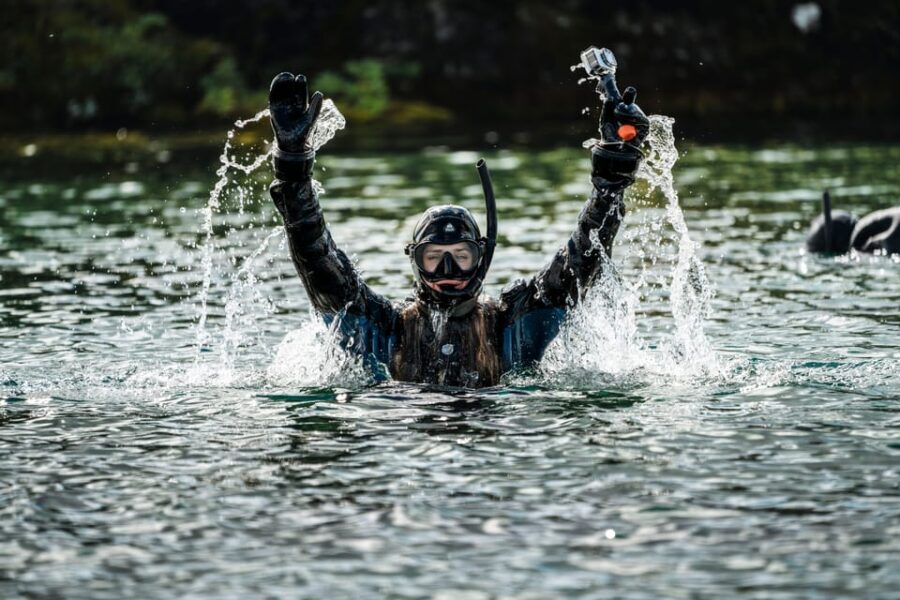
Silfra runs with a safety-first approach. Before you get in, you’ll read the snorkeling handbook requirements and do a safety introduction. The handbook is important because it covers what to bring, medical conditions, and safety needs.
The dry suit isn’t “light.” You’ll spend time donning gear—so the trick is to stay relaxed during the process. In multiple accounts, guides were patient while helping participants feel comfortable, which is especially helpful if it’s your first dry-suit session.
What tends to be cold isn’t the water alone—it’s sometimes the lips or fingers if your layering setup isn’t great or if gloves aren’t enough for your personal comfort. There’s also a practical takeaway from experience notes: thick wool socks can help keep toes warm, even when the suit does its job.
After the snorkeling, you’ll warm up with hot cocoa and cookies. That is a genuine morale booster, and it’s part of why the day stays fun even when the water is chilly.
Timing, transfers, and why the day can feel a bit compressed
This tour runs 10 hours and starts with a pickup from Reykjavík. You’ll be ready at your pick-up point at 7:45 AM for May 15–Aug 31, or 8:30 for Sept 1–May 14. The pickup process can take up to 30 minutes, so don’t build your morning around a fragile schedule.
The order matters too: Silfra happens first, then you move on to the Golden Circle. One key detail: you may switch to another bus for the Golden Circle portion, even if it’s the same overall tour. That can cause confusion if you’re expecting to stay in the same vehicle.
It also means breaks can be tight. One person mentioned hot chocolate and biscuits felt rushed due to transfer timing, and another flagged that lunch landed very late, around 3 PM. So if you’re the type who needs a steady snack rhythm, bring snacks you’re allowed to eat (if the operator permits), or at least mentally plan for a later meal.
Price and value: is $297 worth it for this much Iceland in one day?
At $297 per person, this isn’t a cheap day. But it’s not just “transport plus scenery,” either. You’re paying for:
- Roundtrip Reykjavík transportation
- Guided visits to Þingvellir, Geysir, Kerið, and Gullfoss
- Silfra guided snorkeling, plus all necessary gear
- Thingvellir admission fee
- Complimentary underwater photos
- Hot cocoa and cookies after snorkeling
- Free WiFi on board
In other words, the cost is concentrated in two expensive parts: the guided snorkeling operation (gear, training, safety handling, photos) and the guided Golden Circle transport with admission. If you were to price out Silfra snorkeling on its own and then add a separate guided Golden Circle tour, the combo often looks less painful.
For me, the best value marker is the photo service. Getting complimentary underwater photos means you don’t have to guess settings in cold water or worry about your camera. It also keeps the group focused on the experience rather than people sprinting for gear mid-session.
Who should book this tour, and who should skip
This combo is best for people who:
- Want guided Iceland with minimal driving
- Like geology, hot springs, and strong interpretive storytelling
- Are ready for dry-suit snorkeling as the main event
- Can tolerate a schedule that runs full-throttle for 10 hours
It’s not suitable for quite a few categories, including children under 12, pregnant women, people with back problems, mobility impairments, wheelchair users, claustrophobia, heart problems, non-swimmers, respiratory issues, epilepsy, people over 264 lbs (120 kg), and people under 4 ft 9 in or under 99 lbs. Recent surgeries and pre-existing medical conditions are also listed as not suitable.
If you fall into a gray zone medically, the safest move is to read the snorkeling handbook and confirm with the provider directly.
My booking verdict: should you choose this combo?
If you want one Reykjavík day that hits tectonic plates, geothermal eruptions, and underwater visibility in the same schedule, this tour is a strong fit. The Silfra portion is the main draw, and the way it’s guided—plus the dry suit gear and post-snorkel warm-up—helps make a cold-water experience feel manageable.
I’d still think twice if you hate tight quarters, dislike being bundled into gear, or you’re very sensitive to timing. With Silfra first and transfers afterward, the day can feel compressed, and a later meal is possible.
If you’re comfortable with that and you want the classic Golden Circle highlights bundled with an iconic snorkeling experience, this is the kind of combo that earns its place on an Iceland plan.