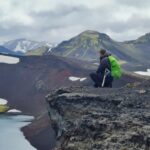
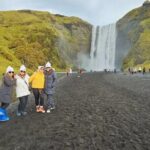
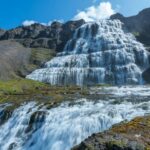
Big geology, up close, in one day. The Reykjanes Peninsula is one of Iceland’s most active zones, and this trip is built for seeing the evidence without getting lost in tourist gaps. I especially like how you get lava fields and hot springs plus the human story in Grindavík in a single 7-hour loop.
Two things I’d count as real wins: first, the stops feel intentionally chosen for what’s happening in the ground right now; second, the guides (including Einar, James, and Stefano) bring the explanations in a way that makes you look twice at what you’re seeing. One possible drawback: because this is a real-world volcanic region, the plan can change if access is affected, and you may get less flexibility on the exact stops than you’d like.
In This Review
- Key Things to Know Before You Go
- Reykjanes Peninsula: Why This Volcano Day Trip Feels More Real
- How Long Is the Tour and What It Feels Like in a Day?
- Hotel Pickup, Wi-Fi, and the Basics You Actually Need
- Grindavík: The Town Stop That Changes the Tone of the Day
- Kleifarvatn Lake: When Volcanic Country Looks Calm
- Hot Springs and Geothermal Zones: The Steam Explains the Science
- Oldest Lighthouse Stop: Small Detail, Good Payoff
- Bridge Between Continents: Where Geography Becomes Fun
- Young Lava Fields and Moss-Covered Ground: Texture Is the Whole Point
- What If There’s an Eruption? The Tour’s Real Safety Logic
- The Value Question: Is It Worth $110 for This 7-Hour Mix?
- Who This Tour Suits Best (and Who Might Want Something Else)
- Small Practical Tips That Make the Day Smoother
- Should You Book This Reykjavik Volcano Area–Grindavík Tour?
- FAQ
- How long is the tour?
- What’s included in the price?
- Is food and drink included?
- Does the tour run in bad weather?
- What language is the tour guide?
- Is this tour wheelchair accessible?
Key Things to Know Before You Go
.jpg)
- Volcanic region focus: Reykjanes Peninsula, with the youngest lava fields and geothermal activity.
- Grindavík visit: a close look at earthquake and lava impacts on a real community.
- Hot springs + key viewpoints: geothermal area stops, plus classic sights like Kleifarvatn.
- Eruption-aware itinerary: it can pivot to the best available viewpoint if conditions allow.
- Rain or shine: expect to go in Iceland weather, every time.
Reykjanes Peninsula: Why This Volcano Day Trip Feels More Real
.jpg)
Most Iceland tours hit the big names. This one hits the big forces. The Reykjanes Peninsula is where you can watch (or at least read) Iceland’s plumbing at work: heated water, surface fractures, and lava that’s young enough to still look fresh in places. You’re not just driving past scenery. You’re seeing why Iceland’s ground behaves the way it does.
What makes this trip work is that it blends three layers of understanding. You start with the physical proof, then you move into the geothermal stops, then you land on the human impact around Grindavík. That sequence matters. It turns geology into something you can feel, not just something you photograph.
And yes, there’s a practical thrill here too. You’re in a region that stays active. The tour plan is written with that in mind, including the possibility of rerouting if areas close due to volcanic activity.
You can also read our reviews of more tours and experiences in Reykjavik
How Long Is the Tour and What It Feels Like in a Day?
.jpg)
This is a 7-hour outing from Reykjavík, with hotel pickup and drop-off included. The duration is long enough to feel like you left the city and got a proper taste of the Reykjanes Peninsula, but it’s not so long that you’re fried by the time you’re back for dinner.
You’ll be moving around for several stops, and the day runs rain or shine. That’s important. If you’re the type who hates being out in weather, this might feel like work. If you’re happy with layers, a rain jacket, and a good attitude, it’s exactly the kind of day Iceland rewards.
Bring your patience for Iceland logistics. Not because the tour is messy. Because volcanic areas are not static. Even when no eruption is happening, things can look and feel changeable.
Hotel Pickup, Wi-Fi, and the Basics You Actually Need

Included pickup and drop-off is one of the easiest value points for this day trip. You don’t have to rent a car, plan parking, or guess how to connect the sights in the right order. You just show up and go.
Wi-Fi onboard is listed, which is handy for quick map checks or sharing photos while you’re still in transit. It’s also a nice fallback if Iceland weather slows your photo stops a bit and you end up waiting inside more than you expected.
Food and drink are not included. That’s not a dealbreaker, but it’s a real planning item. If you get hungry, you’ll want your own snacks and water. I’d rather arrive with a small plan than scramble for options at random.
Grindavík: The Town Stop That Changes the Tone of the Day
.jpg)
The most emotionally grounded stop is Grindavík. This is where the tour stops being only about rocks and steam and turns into a story about risk and recovery.
The key details you’ll be shown include how devastating earthquakes split roads, how lava flows damaged houses, and how residents were forced to evacuate. Even if you’ve read about volcanic events before, seeing that kind of impact in one community is different. It makes the “activity” on a map feel personal and urgent.
This is also where a great guide earns their keep. Guides like Einar are praised for bringing that humbling context into the stops without turning it into doom. You end up with a better grasp of what it means to live next to a system that can shift quickly.
If you’re the type who likes your travel both scenic and meaningful, this is a strong reason to book.
Kleifarvatn Lake: When Volcanic Country Looks Calm
.jpg)
After the heavier Grindavík tone, you’ll get a scenic reset with Kleifarvatn lake. This is the kind of stop that reminds you Iceland isn’t always about drama in the air. Sometimes the mood is quiet, still, and wind-tossed.
The lake works well as a break point because it’s visual and easy to appreciate even in rough weather. You can take a step away from constant “what is that rock?” mode and just enjoy the view while thinking about how water and geothermal heat shape this peninsula.
It also gives your body a rest. Between geothermal areas and lava fields, you’ll be standing, walking, and looking around. Kleifarvatn is one of those stops that lets you slow down.
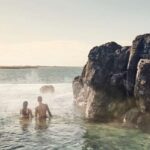
Hot Springs and Geothermal Zones: The Steam Explains the Science
.jpg)
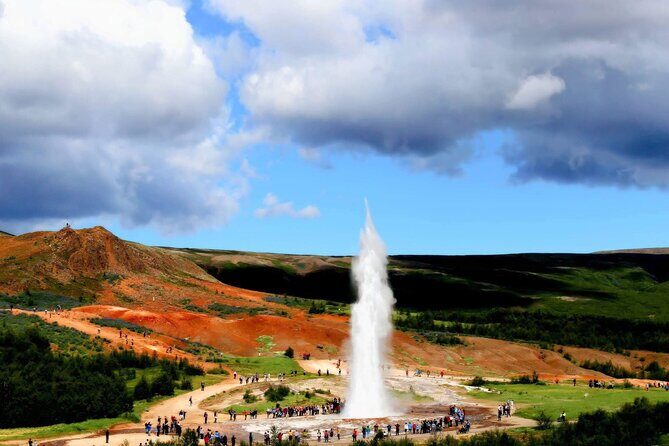
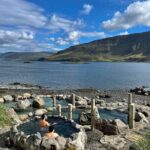
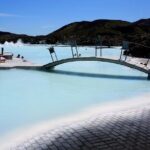
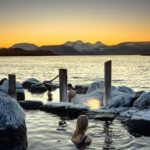
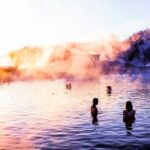
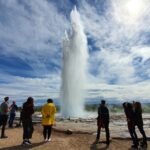
One of the headline experiences here is the geothermal area with numerous hot springs. This isn’t presented like a single attraction you rush through. It’s built into a broader sweep of the Reykjanes Peninsula, so you see how geothermal activity changes from spot to spot.
Hot springs in Iceland aren’t just pretty steam. They’re a visible outlet of heat moving up from deep beneath the surface. That’s why this kind of stop pairs so well with the lava-field parts of the day. You start to see the full cycle: heating, pressure, and surface expressions.
A good guide will help you connect the dots. From the guide feedback, Einar, James, and Stefano are consistently recognized for making the explanations practical and clear. You’ll likely come away with a stronger mental model for what you saw and why.
Oldest Lighthouse Stop: Small Detail, Good Payoff
.jpg)
You’ll also admire Iceland’s oldest lighthouse. It’s the kind of stop that could feel like a filler point on a rushed tour, but here it works because of contrast.
When you spend hours around steam vents and lava textures, a lighthouse gives you a human time marker. It’s a reminder that people have been navigating and surviving in these conditions for a long time, even when the ground is active.
I wouldn’t treat it as the single must-see. I’d treat it as a breather that makes the rest of the day easier to appreciate.
Bridge Between Continents: Where Geography Becomes Fun
.jpg)
Yes, there’s a bridge between continents on this route, tied to the Mid-Atlantic ridge area. This is one of those stops that’s easy to photograph, but it also teaches you something without making it feel like a lecture.
Geologically, Iceland sits on and above a boundary where plates pull apart. Standing somewhere associated with that setting makes the whole country feel less like a random rock island and more like a living boundary zone.
A bridge stop also adds a simple travel benefit: you can stretch your legs, catch your breath, and take photos even if the rest of the day is changeable.
Young Lava Fields and Moss-Covered Ground: Texture Is the Whole Point
.jpg)
You’ll see ancient lava fields covered in soft, vibrant moss. Even without going deep into technical terms, this is where Iceland gets weird in the best way: the ground looks both destroyed and alive.
Lava creates a hard beginning for life. Over time, moss and other plants start turning bare rock back into habitat. Watching that shift is one of the most satisfying parts of the day, especially if you’ve been focused on the raw power of volcanic activity earlier.
This is also a place where good guidance helps. You don’t just look at “pretty moss.” You look at time, weathering, and how the peninsula regenerates. It’s one of the best ways to make the trip feel like more than a checklist.
What If There’s an Eruption? The Tour’s Real Safety Logic
The tour is written with one clear reality: the Reykjanes Peninsula is still geologically active, and an eruption could resume at any time.
The key promise isn’t that you’ll watch a new eruption. It’s that the itinerary adjusts. If certain areas close, this tour will adapt into an active volcano experience, stopping at the best possible viewpoint if conditions allow.
That matters for decision-making. If you book hoping for a fireworks show, you may be disappointed. But if you book understanding that Iceland’s volatility is part of the experience, you’ll appreciate the thoughtful approach.
It also means your day could feel slightly different from someone else’s. And honestly, that’s the point. You’re traveling in a place that doesn’t follow a fixed script.
The Value Question: Is It Worth $110 for This 7-Hour Mix?
At around $110 per person for a 7-hour guided day with hotel pickup and drop-off, this isn’t the cheapest way to explore Reykjanes. But it’s also not priced like a luxury private tour. For most people, the value comes from three things:
First, you’re paying for expert interpretation. Guides like Einar, James, and Stefano are singled out for their explanations and how they shape what you notice.
Second, you’re paying for route efficiency. Reykjanes isn’t hard in theory, but getting the best stops in a sensible order, while dealing with changing access, is harder than it looks.
Third, you’re paying for a tour that’s designed for a living, active region. Self-driving is fun, but in places where roads and viewpoints may be restricted, having a driver-guide who can react intelligently is a real advantage.
If you want a more flexible DIY day, you can do that. But if you want a guided, geology-focused route that keeps the day coherent, this price is reasonable.
Who This Tour Suits Best (and Who Might Want Something Else)
This fits best if you like geology, enjoy learning while you travel, and want to see the Reykjanes Peninsula’s geothermal and lava features in one day. It’s also a strong pick if you care about the human side of natural hazards, since Grindavík is part of the route.
It may not fit you as well if:
- You want a fully “sit and relax” day. This is built around stops and viewing points.
- You struggle with being out in weather. It runs rain or shine.
- You need wheelchair accessibility. The tour is not suitable for wheelchair users.
If your priority is a calm, mostly indoor trip, you’d look elsewhere. If your priority is Iceland’s active geology, this is a solid match.
Small Practical Tips That Make the Day Smoother
Here are the simple things that help this kind of Iceland day work better:
- Pack layers and a rain shell. Iceland weather can switch fast.
- Bring snacks and water since food and drink aren’t included.
- Wear shoes with good grip. Lava terrain and mossy surfaces can be slippery when wet.
- Expect viewpoint changes. The tour can adapt if access is affected, so don’t anchor your day to one specific photo spot.
- Listen to your guide. This trip is more rewarding when you actually use the explanations while you’re looking.
These are not “extra.” They’re the difference between a good day and a great one.
Should You Book This Reykjavik Volcano Area–Grindavík Tour?
If you want an Iceland day that feels grounded, guided, and relevant to what’s happening on the peninsula right now, I’d say yes. The combination of lava fields, geothermal hot springs, the Kleifarvatn view, and the Grindavík human impact gives the day balance.
Book it especially if you care about understanding the geology rather than just collecting photos. The guide names you’ll hear people mention, like Einar, James, and Stefano, point to a consistent strength: they help you see what matters.
Skip it if you need wheelchair accessibility, hate rain-and-wind outings, or want a strictly fixed itinerary with no possibility of changes. That volcanic region can’t promise sameness.
Otherwise, this is a smart-value way to spend a day outside Reykjavík and still come back with stories that feel real.
FAQ
How long is the tour?
The tour lasts about 7 hours.
What’s included in the price?
Hotel pickup and drop-off and Wi-Fi onboard are included.
Is food and drink included?
No. Food and drink are not included, so you’ll want to plan your own snacks.
Does the tour run in bad weather?
Yes. The tour takes place rain or shine.
What language is the tour guide?
The live tour guide speaks English.
Is this tour wheelchair accessible?
No. It is not suitable for wheelchair users.