Feel the tölt under you. This small-group horseback ride near Þorlákshöfn turns the South Coast into a living, moving lesson in Icelandic horse culture, and the highlight is experiencing the tölt gait. You’ll also get to roll through beaches, lava stretches, and grassy banks without feeling like you’re racing anyone.
Two things I like a lot: first, the way the guides keep you comfortable and moving at a learning pace, and second, the clear teaching style around control and safety. People often mention guides like Maggi and Sigrún, and you can see why—calm instruction matters when you’re on a horse you’re just getting to know. One possible drawback is that the exact route and terrain mix depends on weather and season, so you might not see every type of ground you’re hoping for.
In This Review
- Key highlights at a glance
- Why Þorlákshöfn makes this ride feel real
- Getting to the farm from central Reykjavík, without making it complicated
- Meet the Icelandic horse and learn control fast
- The actual route: Þorlákshöfn fields, possible beaches, and lava under hoof
- Small-group riding: why max 12 matters
- Safety, helmets, and what you still need to bring
- Price and value: what $207 really covers
- When the weather changes the plan, don’t panic
- Who should book this horseback ride
- Should you book Countryside of Iceland by Horseback Riding?
- FAQ
- How long is the horseback riding tour?
- Is pickup from Reykjavík offered?
- Where does the tour start and end?
- What is the maximum group size?
- Is it okay if I’m a beginner?
- What should I wear since shoes and clothing aren’t included?
- What happens if the weather is bad?
Key highlights at a glance
- Icelandic tölt gait that feels different from a typical walk or trot
- Small-group size (max 12) for a more personal pace and attention
- Þorlákshöfn area with potential views of beaches, lava fields, and mountains
- Safety-first guidance that adjusts to the slowest rider
- Basic farm setup, not luxury: you’ll feel the horses and the outdoors
Why Þorlákshöfn makes this ride feel real
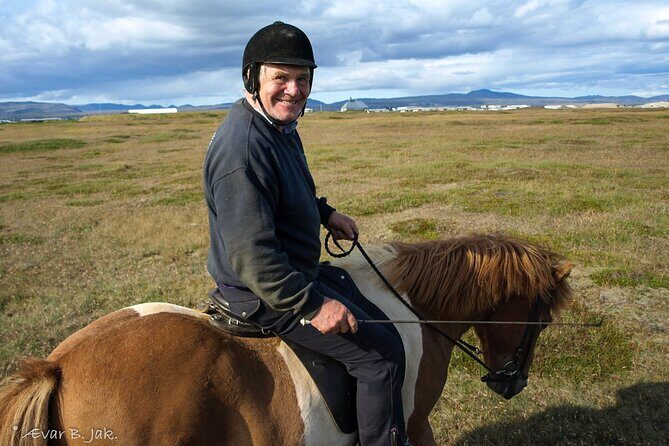
Þorlákshöfn is a small fishing village on Iceland’s South Coast, about 30 km from Reykjavík. The short drive is a big part of the appeal. You’re not spending half the day in a vehicle, and you’re also close enough to Reykjavík that this works even if you don’t want a full-day excursion.
From the start, the tone is simple: you’re heading out for a horse ride that focuses on Icelandic nature in motion. Expect grassy banks, lava areas, and open views toward mountains. Depending on conditions, you may also get beach time. That mix is part of what makes Icelandic horseback riding different from riding in flatter, more predictable places.
And yes, you’ll be riding Icelandic horses—the ones bred for their unique movements and sturdiness on uneven ground. When the tölt kicks in, you’ll feel it as a smooth, fast-looking gait that still stays comfortable compared with some other riding styles.
You can also read our reviews of more tours and experiences in Reykjavik
Getting to the farm from central Reykjavík, without making it complicated
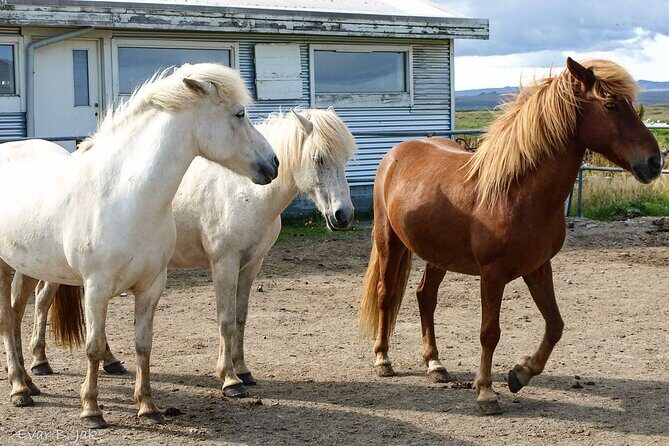
This tour offers round-trip transfers from central Reykjavík hotels, and that matters more than it sounds. If you’ve ever tried to coordinate a rental car, parking, and timing on a stormy day in Iceland, you know how quickly a simple plan turns into stress.
Because the tour includes pickup and drop-off, you can focus on what you came for: the ride. You’ll also get a mobile ticket, which is convenient if you’re juggling multiple days of buses, ferries, or timed museum entry tickets.
Timing-wise, the riding itself is about 3 hours (approx.). The exact start time can shift based on operations and weather, but the overall commitment is short enough that it doesn’t swallow your whole day.
Meet the Icelandic horse and learn control fast
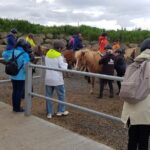
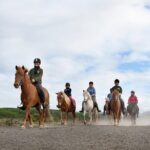
If you’re worried you’re not ready, this is the type of tour that usually works for first-timers. It’s described as suitable for both beginners and experienced riders, and that’s not just marketing wording. The guides adjust the journey based on the group’s ability, and they won’t go faster than the slowest rider.
Here’s what that means for you in practice:
- You’ll get instruction geared to your experience level.
- The ride pace stays manageable, so you can actually learn instead of just hanging on.
- You’ll practice basic control while the horse moves naturally through terrain.
A lot of the emotional value comes from feeling safe and not rushed. Riders often talk about owners and guides like Maggi (also seen as Magnus in names) as being calm and careful with teaching and safety. Another guide sometimes mentioned is Sigrún, and that pairing shows an operation that values hands-on guidance.
Also, Icelandic horses have a way of teaching you. Even if you don’t speak the local language, basic cues still work. The best part is that you can feel progress during the same outing, not after you get home.
The actual route: Þorlákshöfn fields, possible beaches, and lava under hoof
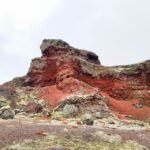
Your ride takes place around Þorlákshöfn, and the terrain potential is the star. The area can include:
- beach views (when conditions allow)
- tall green grass banks
- lava fields
- mountain views
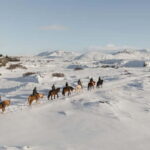
The route you take will depend on the weather and season. That’s not a small detail. Iceland’s conditions can change fast, and the guides choose ground that’s suitable that day. So instead of expecting a single fixed itinerary, think of this as a menu of environments where you’ll get the best options for the day.
In warmer months, you might be able to include more open space and visible coastline. In colder or windier stretches, you may spend more time on ground that’s easier to manage safely.
One thing I’d plan around: because weather decides the mix, you could end up with a ride that feels more pasture-and-views than beach-and-dunes. You’ll still be outside and you’ll still get the Icelandic horse experience, but the exact photo spots may vary.
Small-group riding: why max 12 matters
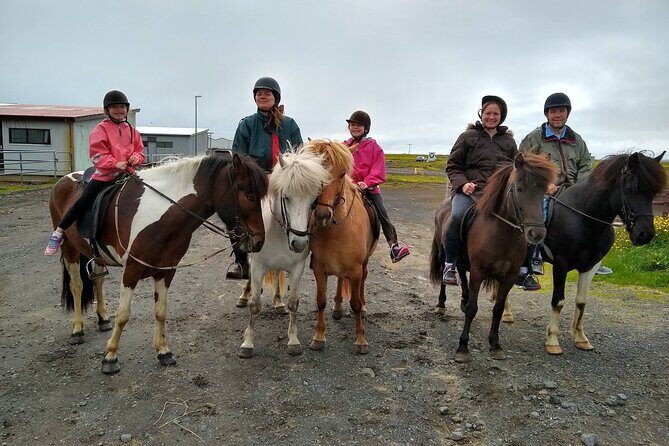
A maximum of 12 travelers keeps the vibe from turning into a line of strangers. It’s also easier for the guides to watch everyone closely—especially if you’re a beginner.
With a smaller group:
- instructions land more clearly
- it’s easier to slow down for new riders
- you’re less likely to feel like you’re holding up a fast-moving crowd
This is the type of tour where you’ll likely talk with other riders during tack-up and breaks. That social element can be part of the fun, but the real advantage is control and safety when you’re learning.
Safety, helmets, and what you still need to bring
The tour includes helmets and riding equipment, plus snacks. That covers the main gear you need to feel set up and not scrambling for basics.
But two items aren’t included, and they’re important:
- good shoes
- warm, comfortable clothes
In Iceland, shoes and layers aren’t about style. They’re about comfort when you’re standing on uneven ground, adjusting your balance while mounted, and spending time outdoors regardless of the temperature.
My practical advice:
- Wear sturdy shoes with grip. Smooth soles are a bad idea on uneven terrain.
- Dress in layers so you can handle wind and changing conditions.
- Pack warm outerwear even if the day starts mild, because coast weather can turn.
Also, the ride has a moderate physical fitness level requirement. You don’t need to be an athlete, but you should be comfortable sitting on a horse and moving with a steady pace for the length of the outing.
Price and value: what $207 really covers
At around $207 for 3 hours, this isn’t the cheapest thing you can do near Reykjavík. Still, it can feel fair because you’re getting more than a ride.
Here’s what the price includes:
- round-trip transfers from central Reykjavík hotels
- helmets and riding equipment
- snacks
- all fees and taxes
- the guide-led experience with pace control for mixed skill levels
The value formula is simple: you’re paying for a small-group guided outdoor activity with transport, gear, and instruction. If you were to hire horses and a guide separately, the numbers usually climb fast. The key question is whether Icelandic horses and the tölt gait are on your must-do list.
If you want a polished, high-comfort, hotel-style experience, you may feel the difference. This is focused on animals and outdoors. Some people love that. Others expected more amenities and are disappointed.
When the weather changes the plan, don’t panic
This tour requires good weather. If conditions aren’t safe or suitable, the activity can be canceled and you’ll be offered a different date or a full refund.
Think of it like this: the guides aren’t just being picky. Iceland’s wind, rain, and ground conditions affect horse footing and rider safety. So if you book this, it’s smart to keep a flexible mindset and understand that the countryside ride is weather-driven.
If you’re traveling in shoulder season, you might see more variation in terrain. That’s normal. What stays consistent is the core idea: Icelandic horses, guided pace, and spending time out near Þorlákshöfn.
Who should book this horseback ride
This tour fits best if you want:
- a hands-on introduction to Icelandic horses
- a ride that works for beginners without leaving experienced riders bored
- small-group pacing with safety-first guidance
- a short outing from Reykjavík with included transfers
It also makes sense if you’re the type who likes real life on farms and doesn’t need luxury for it to be memorable. Many riders talk warmly about the guides treating people kindly, teaching patiently, and keeping everyone safe—so if your biggest worry is being overwhelmed, this is the right kind of setup to choose.
If your top priority is seeing a very specific beach route no matter what, adjust your expectations. Weather decides the ground you ride.
Should you book Countryside of Iceland by Horseback Riding?
I’d book it if Icelandic horses and the tölt gait are part of your Iceland dream. The mix of included transfers, helmeted riding gear, snacks, and a max 12 group makes it feel like a well-scoped experience rather than a long, uncertain day.
Skip it or think twice if you’re sensitive to basic farm conditions, strong language barriers, or you need a fixed itinerary with guaranteed beach time. Since terrain depends on weather and season, you may not get the exact mix you had in mind.
If you’re flexible and you want a real, moving way to see the South Coast near Þorlákshöfn, this is the kind of tour that can stick with you longer than the photos.
FAQ
How long is the horseback riding tour?
It lasts about 3 hours (approx.).
Is pickup from Reykjavík offered?
Yes. Round-trip transfers are offered from central Reykjavík hotels.
Where does the tour start and end?
The meeting point is AlhestarFaxabraut 6, 815 Þorlákshöfn, Iceland. The activity ends back at the meeting point.
What is the maximum group size?
The tour has a maximum of 12 travelers.
Is it okay if I’m a beginner?
Yes. The tour is described as suitable for both beginners and experienced riders, and guides adjust the pace to the group.
What should I wear since shoes and clothing aren’t included?
Bring good shoes and warm, comfortable clothes. Helmets and riding equipment are provided.
What happens if the weather is bad?
The tour requires good weather. If it’s canceled due to poor weather, you’ll be offered a different date or a full refund.