Geology here feels hands-on.
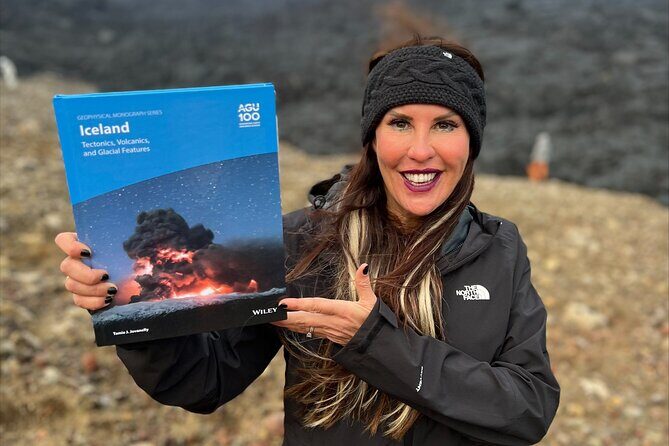
This 13-day Iceland adventure is built around how the island was made—tectonic plates, volcanoes, glaciers, and geothermal power—told in the field with Dr. Jovanelly (Tamie) and her husband Joe Cook (Joey), who use her geology field guide to explain what you’re seeing as you drive, hike, and pause at each stop. I like that it’s not just lectures in a bus. You get active experiences, tight small-group attention, and excursion fees included, so you’re not constantly counting pennies for add-ons.
Two things I really like: the leadership team is specifically focused on Iceland’s geology (not general tour guiding), and the itinerary mixes big-name sights with lesser-seen volcanic and tectonic features that help the whole story click. One possible drawback: this is long and weather-dependent. If Iceland decides to bring wind, rain, or low visibility, some outdoor time and viewpoints can feel like a compromise.
In This Review
- Key highlights you’ll feel right away
- First thing: who you’re traveling with, and why it matters
- Reykjavik warm-up: get your bearings fast, then hit dinner together
- Blue Lagoon and Fagradalsfjall: easing in with geothermal, then getting right to the lava
- Hellisheidi Power Plant and tectonic landmarks: learning the science behind the scenery
- Thingvellir, Gullfoss, and Geysir: tectonics plus the two biggest Iceland categories
- Lava Centre, Hekla, and the long view of volcanoes
- Skaftafell: glacier-top hiking plus a wind-down wine-and-cheese moment
- Glacier lagoons and iceberg beaches: the ice has a story too
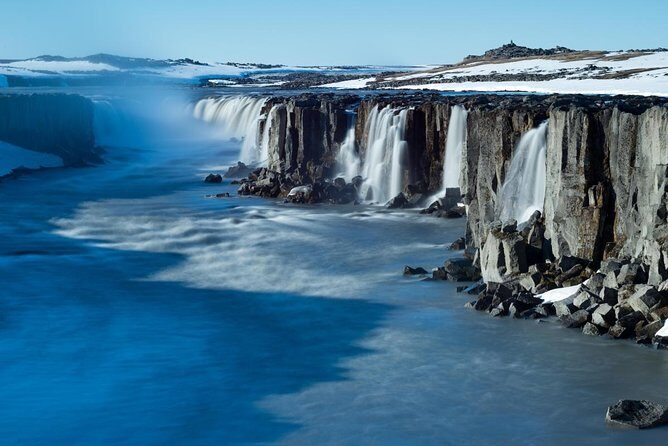
- Dettifoss: columnar basalt exposed by a big, blunt force
- Hverfjall, pseudo craters, and Dimmuborgir: Iceland’s volcanic variety
- Akureyri free day: you get to be a tourist again
- Water Museum in Stykkisholmur: glaciers honored in art form
- Snæfellsnes and Vatnshellir: clear skies, a volcano silhouette, and a lava tube
- Back to Reykjavík: a final look before you go
- Price and value: what you’re paying for (and what you aren’t)
- Weather, pace, and practical packing: Iceland keeps the final word
- Who should book this tour
- Who might prefer a different style
- So, should you book it?
- FAQ
- How long is the Iceland geology adventure tour?
- Where does the tour start, and what time does it begin?
- What is the maximum group size?
- Do I need a geology background to join?
- What’s included in the price?
- Is the tour weather-dependent?
- Is the booking cancellable or changeable?
Key highlights you’ll feel right away
- Small group size (max 16), which makes questions and quick course-corrections much easier.
- Dr. Jovanelly and Joey Cook’s field-first approach using her geology book as a practical guide.
- More active experiences than big-box tours, including a glacier-top hike at Skaftafell and time at lava formations and caves.
- Geothermal in multiple forms: Blue Lagoon, Geysir, and a visit to the Hellisheidi Power Plant, including carbon capture projects.
- A full tectonics arc, from rift-zone features like Thingvellir to the Bridge Between Continents.
- Fun is part of the format, including a wine and cheese reception after a glacier hike.
First thing: who you’re traveling with, and why it matters
What makes this tour different is the “teacher” setup. Instead of a general-interest guide who points at rocks, you’ve got a geology specialist leading the show. Dr. Jovanelly (Tamie Jovanelly) has been researching and leading trips in Iceland since 2006, and her husband Joey Cook runs the trip rhythm with her. That matters because Iceland can overwhelm you with scale. A waterfall is big. A volcano is loud-looking. A glacier is impressive. But this kind of setting also makes it easy to miss why things look the way they do.
On this trip, the explanations are built for the places you’re standing in. You’ll spend time learning how the North American and Eurasian plates interact, how volcanic landscapes develop through different stages of activity, and how glaciers shape what’s left behind. You do not need a geology background to enjoy it. The point is understanding, not memorizing. And if you do have training in the subject, you’ll likely appreciate how much time gets spent on interpretation rather than quick photo stops.
Practical note: the tour starts early from Gistiheimilið SunnaÞórsgata 26 in Reykjavík at 7:00 am and ends back at that meeting point. Expect mornings to be active and days to be full—good for people who hate wasting vacation time on “maybe we’ll see it later.”
You can also read our reviews of more guided tours in Reykjavik
Reykjavik warm-up: get your bearings fast, then hit dinner together
You’ll begin in Reykjavík with time to explore the city area before the group meets for a Meet & Greet and then walks together to a group dinner. This first day is useful. Jet lag can dull your senses, and Iceland is the kind of place where noticing small details helps. The meet-and-greet also helps you quickly learn the pace and style of the guides, so later you’re not trying to figure out the “how” of the trip while also figuring out the “wow.”
If you like an organized start—without being stuck in a classroom—this format works well.
Blue Lagoon and Fagradalsfjall: easing in with geothermal, then getting right to the lava
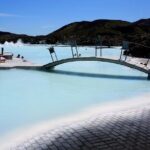
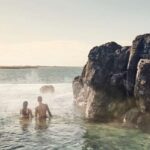
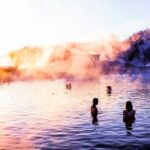
The second day has an ideal tone switch. In the afternoon, you head to the Blue Lagoon, and the schedule leaves breathing room to recover and adjust. You get about three hours, and admission is included. It’s a classic Iceland stop, but on a geology tour it also functions as an easy on-ramp to the geothermal story you’ll keep hearing about.
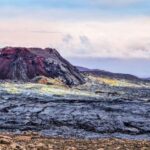
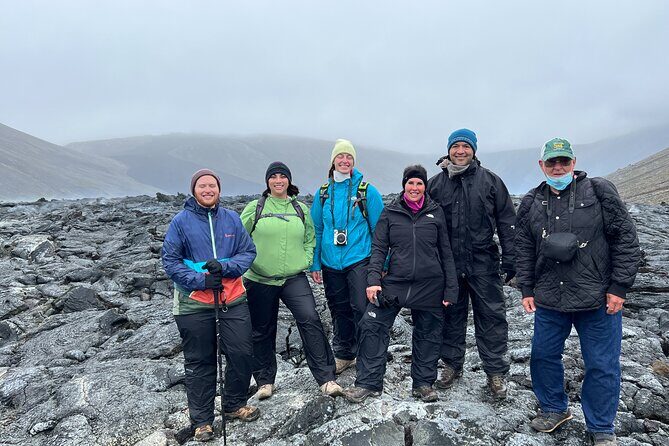
Then you pivot to something more recent and dramatic: Fagradalsfjall Volcano. The stop is shorter, but it’s the right kind of “wow moment” early in the trip. You’re seeing Iceland’s living engine rather than frozen history, and that makes later sites—where volcanoes are older, buried, or reshaped—feel connected instead of random.
Hellisheidi Power Plant and tectonic landmarks: learning the science behind the scenery
Day three is where the tour earns its education reputation. You visit Hellisheidi Power Plant to learn about geothermal energy and carbon capture projects. That’s a smart inclusion. Iceland isn’t only geology-as-awe—it’s also geology as infrastructure, and that changes how you think about geothermal systems.
From there, you move through tectonic “explainers” you can literally point at:
- Bridge Between Continents, a visual separation between the North American and Eurasian plates.
- Stampar, a scoria crater field that gives you exposure to volcanic surface textures.
- A stop for a look at one of Iceland’s largest and deepest lakes that sits along a fissure, helping reinforce the idea that plate boundaries are not just lines on a map—they can control how landscapes sit and drain.
Even if you don’t care about scientific terms, these stops are built to make cause-and-effect make sense.
Thingvellir, Gullfoss, and Geysir: tectonics plus the two biggest Iceland categories
The day built around Thingvellir National Park is one of those “everything clicks” moments. You learn about how the plates are spreading apart and how this affected Viking settlements. That’s a great bridge between geology and human history without turning the trip into a museum crawl.
Then you get two high-impact classics:
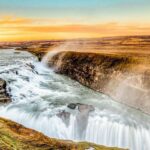
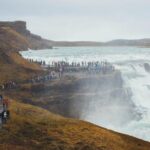
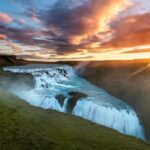
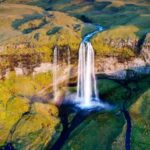
- Gullfoss Falls: Europe-scale waterfall energy, quick and forceful.
- Geysir: geothermal heat is the theme, and you’ll experience the boiling hot spots at Geysir—basically the tour’s reminder that Iceland’s heat is not a theoretical concept.
This combo works because it gives you both sides of the same coin: tectonics shapes where water and heat show up, and the results become scenery.
Lava Centre, Hekla, and the long view of volcanoes
Day five shifts from scenic geothermal power to volcanic learning. You’ll visit the Lava Centre, an interactive volcanology museum. Even when you only have a limited amount of time, interactive stops are useful on geology trips because they help you form a mental model you can carry into the outdoor sites.
After that, Volcano Hekla is the payoff. You’ll learn about this volcano while sitting in its shadows. “Sitting in the shadow” might sound poetic, but here it’s practical: volcanoes in Iceland aren’t one-off postcards. They’re part of a system of eruptions, magma movement, and long-term evolution. Seeing Hekla in context keeps it from being just a single peak you briefly look at.
Skaftafell: glacier-top hiking plus a wind-down wine-and-cheese moment
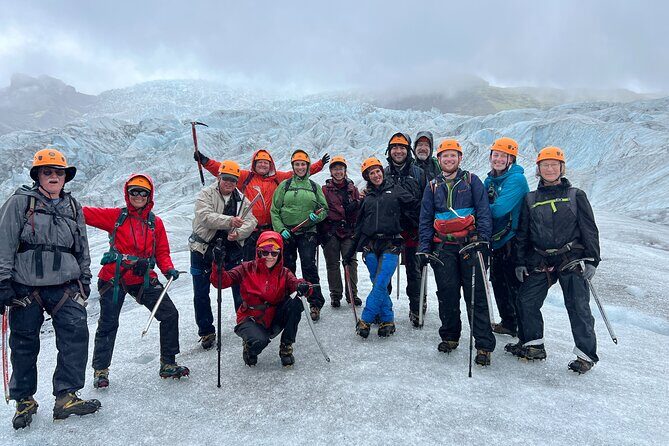
If you want one day to measure the tour’s “active” promise, it’s the glacier hike at Skaftafell National Park. You’ll hike on top of a glacier with a guided tour lasting about 3 hours, and admission for the experience is included. This is the kind of time where the guides’ geology teaching becomes more believable, because you’re literally walking across a feature that’s been moving, carving, and reshaping for ages.
After your hike, you’ll have a wine and cheese reception waiting for you. I like this touch. It gives the day a clean arc: serious effort outdoors, then a comfortable moment to refuel and talk without trying to squeeze everything into a rushed dinner.
Glacier lagoons and iceberg beaches: the ice has a story too
The south-east and glacier area days are the tour’s visual peak, and they’re structured well. You’ll visit:
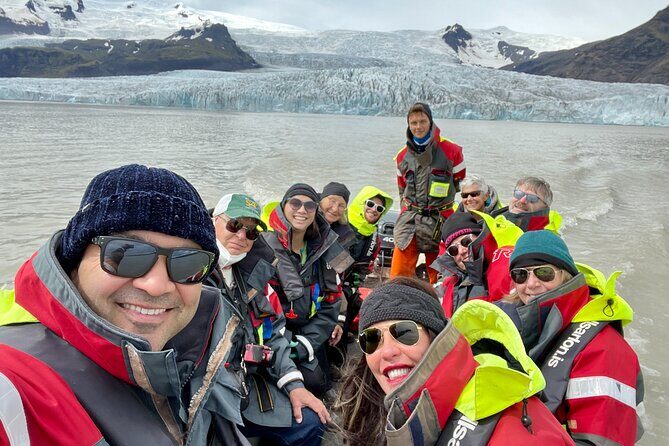
- Fjallsarlon Iceberg Lagoon for a glacier view from the water.
- Diamond Beach, where you see where icebergs land.
- Jokulsarlon, known for stunning icebergs plus seal viewing and birding potential, with food vendors on site so you can grab something like a hot dog.
You get about two hours at each lagoon/area. That timing is good. Iceberg scenes are slow, in the best way. You don’t want to race through them because the shapes and light change fast, especially in Iceland’s weather.
Geology-wise, this day reinforces that glaciers aren’t only about the “ice”—they’re about how ice breaks apart, gets carried, and leaves clues behind as it melts.
Dettifoss: columnar basalt exposed by a big, blunt force
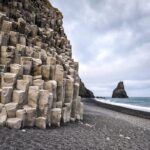
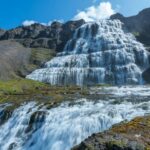
Day eight takes you to Dettifoss, described as exposing columnar basalt. This is one of those stops that’s worth showing up for even if you’re not a geology nerd. Columnar basalt is a direct visual result of volcanic rock cooling in a way that creates those stacked columns. Seeing it exposed by a massive waterfall helps you connect multiple processes at once: volcanic origin, cooling patterns, and later erosion that reveals the structure.
Expect it to be loud, dramatic, and worth dressing for. Wind and mist are the norm in places like this.
Hverfjall, pseudo craters, and Dimmuborgir: Iceland’s volcanic variety
Day nine is a volcanic variety pack:
- Hverfjall, an explosion crater.
- Skutustaoagigar, where you’ll learn about pseudo craters and how they impacted the Vikings.
- Dimmuborgir lava formations, visited on a guided tour where the origin is debated.
I like that last point. A geology tour that only gives simple answers can feel fake. Here, you’re shown that some features invite interpretation. That makes the whole subject feel honest: Iceland is dynamic, and the evidence can lead to multiple explanations.
Akureyri free day: you get to be a tourist again
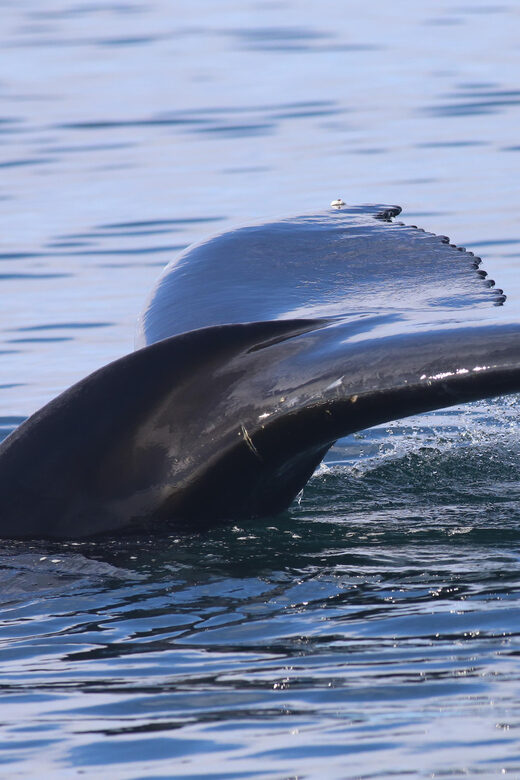
Day ten gives you a free day in Akureyri, a charming town. The schedule leaves space to rest, shop, or choose activities like whale watching or birding. On a geology tour, a break matters. Your brain will be full by then, and it’s nice to have a day where you’re not always walking with a guide explaining what each rock means.
This is also a good day to do laundry, catch up on photos, and plan how you’ll handle the final stretches.
Water Museum in Stykkisholmur: glaciers honored in art form
Day eleven includes Stykkisholmur and a visit to an art installation at the Water Museum, designed to pay respect to glaciers—past and present. This is a subtle but smart pivot. You’ve spent days learning how glaciers work geologically. Now you get a chance to process what glacial change means culturally, visually, and emotionally.
It won’t replace the outdoor sites, but it gives your understanding someplace to land.
Snæfellsnes and Vatnshellir: clear skies, a volcano silhouette, and a lava tube
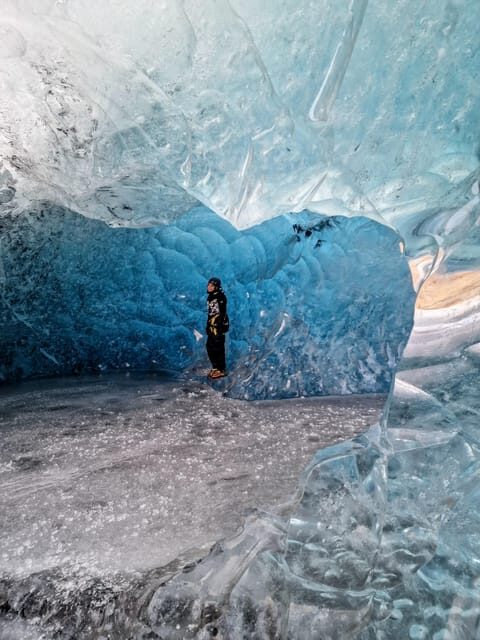
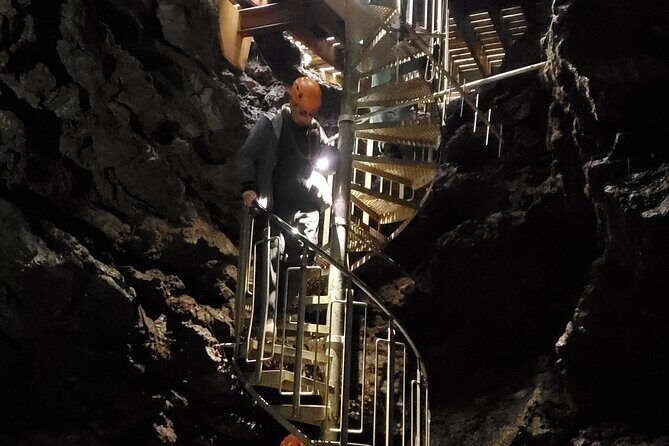
Day twelve is built around the Snæfellsnes region. With clear skies, you can get views of Snæfellsjökull, the stratovolcano tied to Iceland’s dramatic glacier imagery. After that, you explore Vatnshellir Lava Cave, a lava tube where you’ll learn about its formation (and the admission is included).
The day ends with Snaefellsjokull National Park & Glacier. This is a strong capstone: you’ve covered geothermal heat, plate tectonics, explosive volcanic craters, glacier carving, and now you’re closing with volcanic geology expressed through a glacier-and-land interface plus an underground setting.
Back to Reykjavík: a final look before you go
On the last day, you return to Reykjavík and have time to explore again before departure. I like end-of-trip free time. It lets you turn some of what you learned into something you can talk about—without rushing out of the country the moment you step back on a bus.
Price and value: what you’re paying for (and what you aren’t)
At $9,200 per person for a roughly 13-day trip, this is not a budget vacation. So the real question is value: what does that price buy you that you can’t easily DIY?
Here’s what stands out as value, based on the structure and inclusions:
- Excursion fees are included, which helps keep the trip from turning into a stack of surprises.
- Guiding is specialized around Iceland’s geology, led by Dr. Jovanelly and Joey Cook. That saves you time and reduces the guesswork.
- The itinerary includes active elements you’d have to plan carefully yourself, like a guided glacier-top hike and structured visits to geothermal and volcanic sites.
- Small-group size (max 16) gives you more attention and flexibility than large bus tours.
If you’re the type who enjoys learning by doing—standing in the right place at the right moment and getting explanations—this price can feel less like a splurge and more like paying for clarity.
If you just want scenic photos with minimal walking and no science, you might feel this cost is high. Iceland has plenty of cheaper routes that still deliver big views. This trip is for people who want the why, not only the wow.
Weather, pace, and practical packing: Iceland keeps the final word
This experience requires good weather, and if it’s canceled due to poor weather, you’ll be offered a different date or a full refund. Even when it runs, plan for changing conditions. You’ll spend multiple days outdoors around waterfalls, geothermal areas, craters, and glacier-adjacent settings.
The pace is also not “sit and watch.” Between guided hikes, caves, and multiple stops per day, you’ll want comfortable walking shoes and layers that handle both sun and sudden wind.
One more consideration: the trip is designed for “most travelers.” That doesn’t mean every day is gentle. If you have mobility concerns, check with the operator in advance, especially for the glacier-top hiking and outdoor time at remote sites.
Who should book this tour
I think this trip is a strong match if you:
- Want to understand plate tectonics, volcanism, and glacial change with real, on-site explanations.
- Like small groups and guided field experiences, not mass-market sightseeing.
- Enjoy active travel and don’t mind early starts.
- Want to feel like you came away with more than photos—like you gained a framework for how Iceland works.
Who might prefer a different style
You may want a different tour if:
- You want lots of “free time only” and minimal walking.
- You’re not interested in explanation at all, even if the sights are spectacular.
- You need a strict budget and don’t want to pay premium pricing for included excursions and specialized guiding.
So, should you book it?
If your idea of a dream trip includes learning while standing on the evidence, I’d book this. The pairing of Dr. Jovanelly’s Iceland-focused expertise with Joey Cook’s fun, organized field-trip style is exactly the mix that turns Iceland from scenery into understanding. And since admission for many key stops and excursion fees are included, you’re paying for a managed experience rather than assembling it piece by piece.
If you’re price-sensitive, do the math for comparable tours and add-ons. If you’re comfortable with a premium trip that’s built for active learning, this one has the kind of focus that makes Iceland feel personal.
FAQ
How long is the Iceland geology adventure tour?
It’s listed as 13 days, approximately.
Where does the tour start, and what time does it begin?
The meeting point is Gistiheimilið SunnaÞórsgata 26, 101 Reykjavík, Iceland, and the start time is 7:00 am.
What is the maximum group size?
The tour has a maximum of 16 travelers.
Do I need a geology background to join?
No. The tour notes that a background in geology is not necessary.
What’s included in the price?
It includes many excursion fees. Specific included admissions in the schedule include stops like Blue Lagoon, Hellisheidi Power Plant, Skaftafell glacier hike, Dimmuborgir guided tour, Vatnshellir Lava Cave, and several other listed admissions.
Is the tour weather-dependent?
Yes. It requires good weather. If it’s canceled due to poor weather, you’ll be offered a different date or a full refund.
Is the booking cancellable or changeable?
The experience is non-refundable and cannot be changed for any reason. Confirmation is received within 48 hours of booking, subject to availability. Service animals are allowed, and it’s listed as near public transportation.