Speed plus wildlife. That is the deal here.
I love how this Reykjavik whale watching tour uses a rigid inflatable boat so you cover more water than the slow, big-ship cruises. You also get a rare perspective on the city from the sea, with quick shoreline looks at the Sun Voyager sculpture and Harpa Concert Hall. The ride itself feels like part adventure, part wildlife safari—short, punchy, and built for sightings.
What I really like is the comfort upgrade for fast rides: those new high-quality suspension “shock seats,” plus provided warm overalls so you can focus on spotting life instead of freezing. The one drawback to think about first: this is a fast, open-water boat. If you have back problems or you’re pregnant, this isn’t for you, and if you’re sensitive to bumpy water, you’ll want to plan accordingly.
In This Review
- Key things to know before you go
- Entering the Reykjavik RIB Zone: Why This Whale Tour Feels Different
- Before You Leave Old Harbour: Meet, Gear Up, Then Go
- The Speedboat Ride: Shock Seats, Coveralls, and Realistic Comfort
- Hunting for Whales and Dolphins Near Reykjavik Old Harbour
- Puffins in Their Breeding Grounds: May Through August
- Shore Stops From the Water: Sun Voyager and Harpa
- If You Don’t See Whales: The Real Meaning of a Second Chance
- Price and Value: Is $200 Worth It?
- Who This Tour Suits Best (and Who Should Pass)
- Should You Book Whale Watching in Reykjavik by Speedboat?
- FAQ
- How long is the whale watching tour?
- Where do I meet for the speedboat whale watching tour?
- What is included in the ticket price?
- Do they provide hotel pickup and drop-off?
- When can I expect to see puffins?
- Is the tour suitable for children, pregnancy, or back problems?
Key things to know before you go
- Small group of up to 12: more attention while they scan the water for whales and dolphins.
- High-speed RIB coverage: you can search a bigger area and sometimes get closer views than slower boats.
- Warm overalls and shock seats: practical comfort tech for the North Atlantic.
- Puffins can happen May to August: there’s a short stop at breeding grounds during the season.
- If whales don’t show, you get a second chance: a complimentary ticket if you see nothing.
Entering the Reykjavik RIB Zone: Why This Whale Tour Feels Different
Reykjavik is one of those places where the scenery looks dramatic even while you’re standing still. But the real magic is when you get out on the water and the coast becomes a moving panorama. This tour gets you there fast, on a rigid inflatable boat (RIB) with a strong engine and a low-water feel. That matters because whales and dolphins aren’t on a schedule, and neither is the weather.
In a lot of whale watching, you’re stuck with where the bigger boats can go. Here, the whole point is mobility. You don’t just “hope” for a sighting. You’re actively scouting. That’s why the experience is often exciting even before you see anything: you’re moving through likely areas while wildlife guides watch for tells like seabirds reacting or surface activity.
And yes, the ride is part of the fun. Several people specifically called out how much better the low, fast feel was compared to larger cruiser-style tours. One passenger even said the speed was thrilling enough that if they could, they’d sit in the front row to enjoy the sensation and views more directly. If seat choice is possible on your departure, front-row tends to be where you get the best sense of speed.
You can also read our reviews of more whale watching tours in Reykjavik
Before You Leave Old Harbour: Meet, Gear Up, Then Go
Your meeting point is Reykjavik Old Harbour at Ægisgarður 5. You’ll make your own way there, then you’ll meet your captain and guide. You should arrive 30 minutes early. That isn’t busywork. It’s the time they need for a quick safety briefing, group setup, and getting everyone comfortable before you head out into open water.
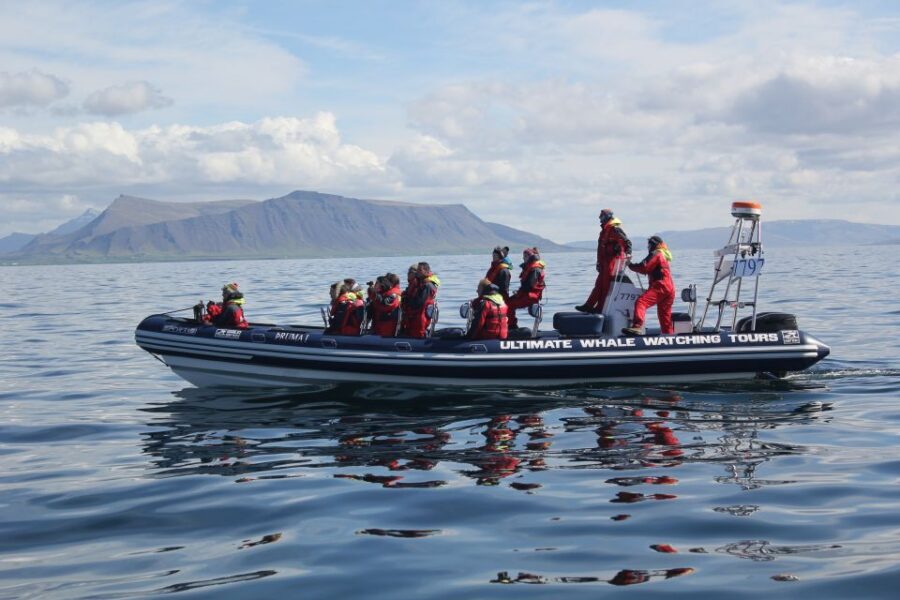
Once you’re sorted, you’ll get your warm overalls. This is a big practical plus. Open-ocean conditions can swing quickly, and the point of this tour is to keep you outside for long enough to spot animals. Closed-toe shoes are required, and it’s smart to bring something you’re okay getting damp or scuffed—salt water is part of the experience.
Small group size also changes the vibe. With a maximum of 12 people, you’re not just a passenger number. You’re watching along with the guide while the captain drives efficiently. In the best moments, you feel like the boat is a moving observation deck.
The Speedboat Ride: Shock Seats, Coveralls, and Realistic Comfort
This is a fast boat. The best way to think about it is like this: you’re trading a slow, relaxing cruise for a kinetic search-and-spot mission. That can be thrilling, but you’ll feel it.
The good news is you’re not on bare seats. The boats have brand new suspension seats designed to reduce the slap and shock that can make speed rides miserable. Multiple reviews mentioned comfort and safety as stand-out points, and you can also feel that in the way the tour is structured: they give you coveralls, they brief you, and they’re prepared to get you in and out smoothly.
If you’re the type who gets sore easily or you know your back is touchy, take the “not recommended” note seriously. The tour isn’t for pregnant women either. For everyone else, the key is wearing the right footwear and keeping your body position stable while the boat accelerates and turns.
One more practical note: luggage is not allowed. So pack light. A phone, camera, and a warm layer under the provided gear is usually enough. If you’re trying to bring a big bag, leave that idea behind—this is a small-boat operation.
Hunting for Whales and Dolphins Near Reykjavik Old Harbour
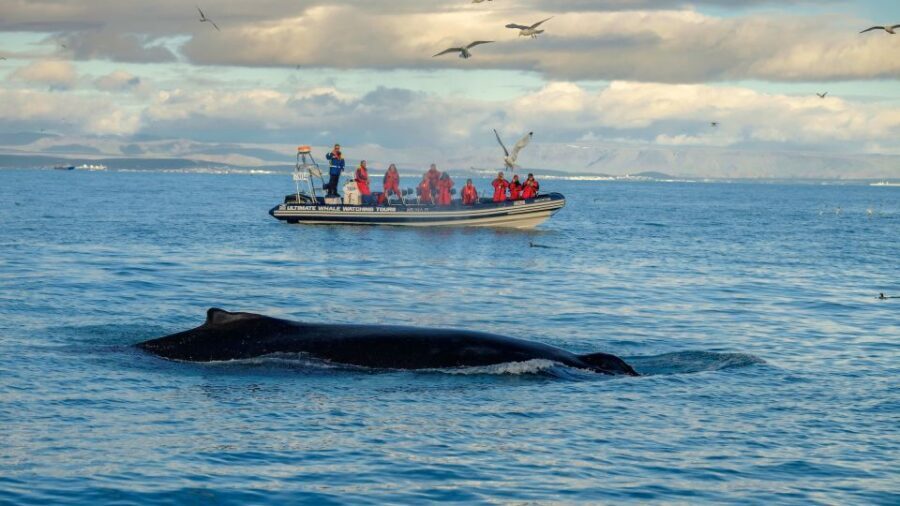
The heart of the tour is scanning islands near Reykjavik Old Harbour and the nearby North Atlantic waters for whales, dolphins, and seabirds. This is where the RIB approach really pays off. You’re not tied to one slow route. You can cover a larger search area, which increases your odds of finding animals where they’re actually showing themselves.
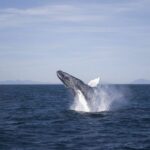
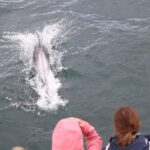
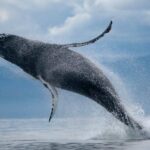
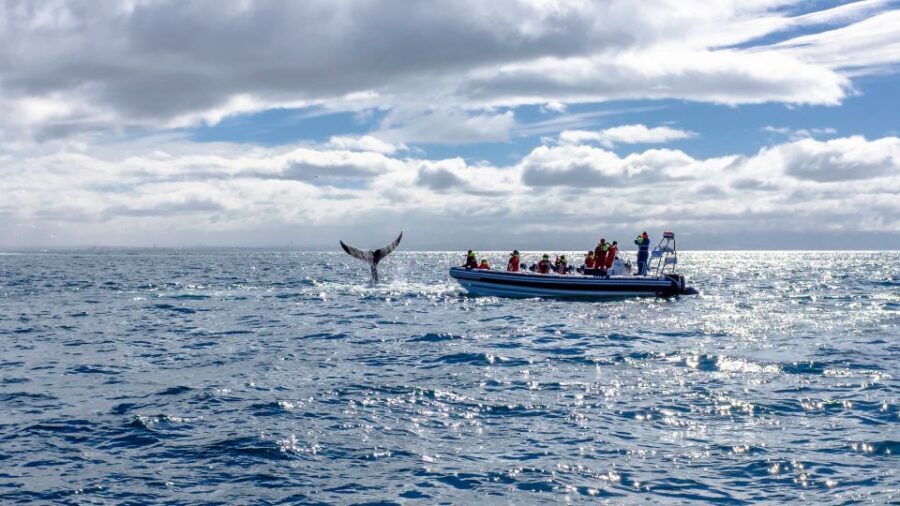
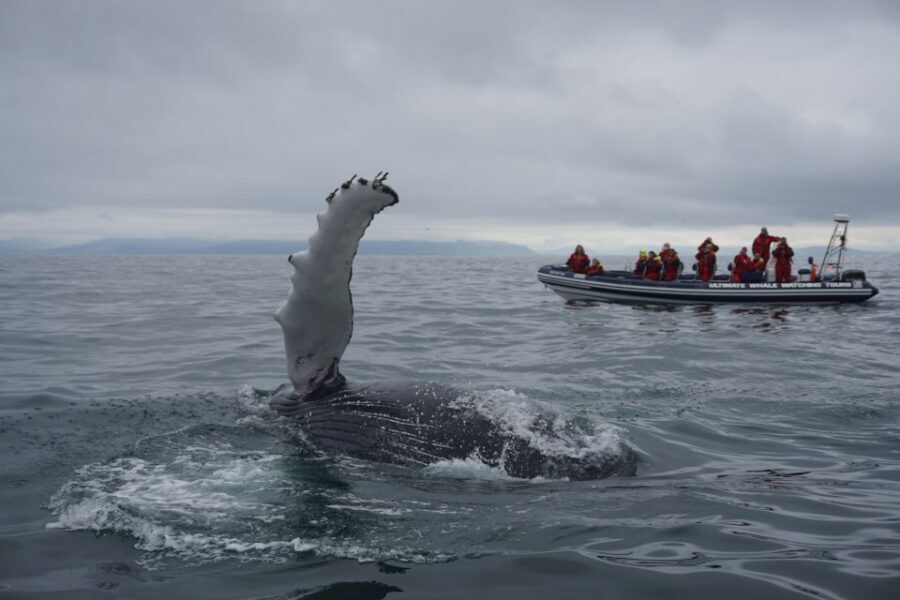
When you’re lucky, it gets close fast. People have reported Minke whales, dolphins playing and jumping around the boat, and even humpback whale behavior like a breach. Even when whales are absent, dolphins often become the “moving target,” because they travel actively and can pop up repeatedly.
The guide factor is huge here. The guide role is not just pointing; it’s reading the water. One review named guide Elsa and highlighted how she shared a lot of information and seemed genuinely passionate about conservation. Another mentioned guide Raoul, with the same theme: clear spotting guidance and a friendly, educational tone.
You also get small wins along the way. Even if the main target is whales, seabirds can be a clue. When birds are working an area, it often means there’s food below or surface activity happening. That’s the kind of pattern wildlife guides look for so you’re not just staring at ocean emptiness.
And because the boat is small and low, the viewing angle can feel more intimate than with larger vessels. One passenger was very specific about seeing animals close because the boat sat low in the water compared to a cruiser.
Puffins in Their Breeding Grounds: May Through August
If you’re visiting Reykjavik in the right season, puffins are a real reason to book. This tour runs the puffin breeding-ground stop from early May close to the end of August. During that window, you’ll make a short stop specifically to see puffins where they breed.
Here’s the honest part: puffins are great, but they’re also not guaranteed to be the only highlight. If you go for whales first, you should still plan for puffins to be a bonus. Some people in the reviews treated puffins as special, but not always the peak moment—on day trips, whales or dolphins can steal the show when they show up.
Timing helps. The puffin stop happens early in the tour. That gives you a structured wildlife moment even if the whale/dolphin search takes time later. If you’re trying to maximize your “I came for puffins” chances, those months matter, and the tour is built around that seasonal reality.



Shore Stops From the Water: Sun Voyager and Harpa
You don’t just leave Reykjavik to look at water until you return. The ride includes quick shoreline views on the way back, including the Sun Voyager sculpture and Harpa Concert Hall.
These stops are short, but they’re memorable because you’re seeing iconic Reykjavik sights through a moving perspective—boats make architecture look sharper. In particular, Harpa’s geometry and glassy presence can look almost unreal from the sea. And Sun Voyager has a dramatic, sculptural stance that reads differently when it’s framed against open water.
If you’re the kind of traveler who loves a photo, you’ll like the angles here. But even if you’re not, it’s a nice way to connect the wildlife hunt with the city you came to see.
If You Don’t See Whales: The Real Meaning of a Second Chance
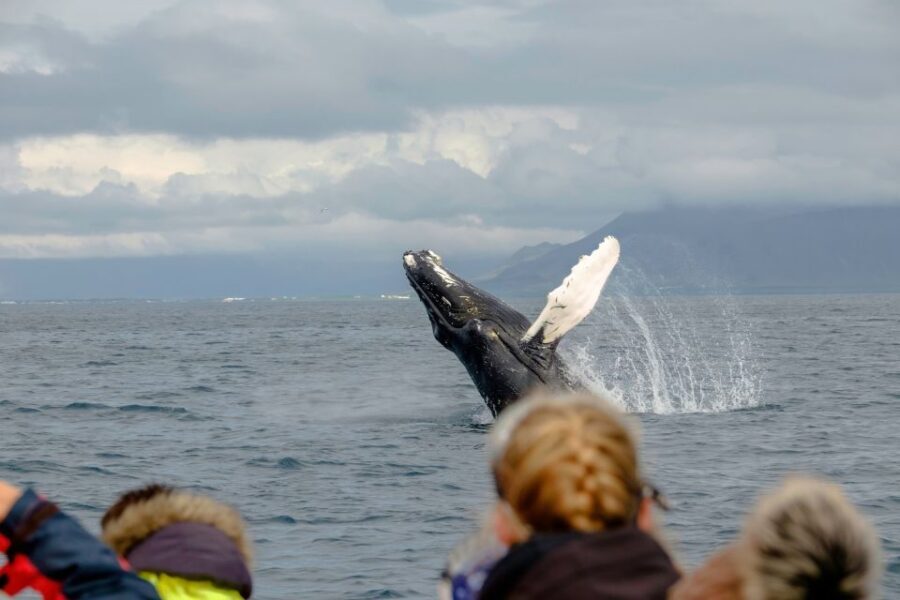
Whale watching has an uncomfortable truth: animals decide when you get your moment. This tour handles that with a practical policy—if you’re unlucky and don’t spot whales, you’ll get a complimentary ticket for another ride before you leave.
That’s not just marketing. It changes how you can plan your trip. If you have flexibility in your schedule in Reykjavik, you’re less stressed about the single-day gamble. It also pairs well with the reality that sea conditions can affect departures.
One review described a situation where the day before a ride was canceled due to conditions at sea, even though weather on land looked fine. The staff explained the sea reality and helped reschedule. That kind of communication is exactly what you hope for: not vague apologies, but a clear reason tied to the conditions that matter when you’re on open water.
So if your itinerary is tight, check your timing. But if you can give this tour a little breathing room, the second chance option is a meaningful form of value.
Price and Value: Is $200 Worth It?
$200 per person is not a budget number. But it’s also not random pricing. You’re paying for three things you can’t easily recreate on your own:
First, you’re paying for a professional captain plus a wildlife guide. That means search patterns, animal awareness, and safer driving on rougher water.
Second, you’re paying for the boat type and approach: a RIB that can go fast enough to cover more water than slower vessels. That’s what can turn a “maybe” day into a “wow” day.
Third, you’re paying for comfort and gear. Warm overalls and the shock-seat setup reduce the usual pain of speedboat weather. Even when the sea is calm, the ride is still active, and the tour is designed for that.
There’s also a built-in risk-management piece. The complimentary ticket if you don’t see whales makes the price easier to swallow. If you get a whale or strong dolphin activity, you’ve effectively turned that cost into a very high-impact wildlife experience plus an adrenaline ride.
If you’re comparing options, I’d frame it like this: cruisers may be easier, but this tour is about getting closer and moving faster for better odds. If you want calm sightseeing, you might prefer something slower. If you want the odds improved and the experience to feel like a mission, this one makes sense.
Who This Tour Suits Best (and Who Should Pass)
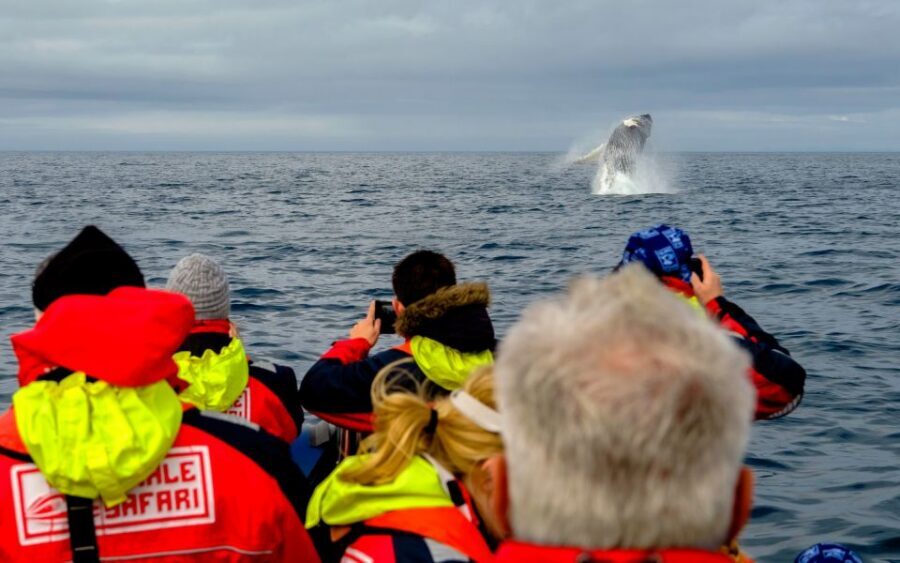
This whale watching tour is best for people who want speed, wildlife, and a small-group feel. It’s a good fit if you enjoy active travel—standing and watching, scanning the water, and moving with the boat as the captain adjusts.
You should especially consider it if you:
- want the chance of close-up views of whales, dolphins, and seabirds
- are visiting between early May and late August for puffin season
- like the idea of seeing Reykjavik landmarks from the sea, not just from streets
It’s not a good fit if you:
- have a history of back problems
- are pregnant
- are traveling with children under 10
Kids must also be over 145 cm tall. Bring closed-toe shoes, leave big bags at home, and keep expectations aligned with real wildlife unpredictability.
Should You Book Whale Watching in Reykjavik by Speedboat?
If your top goal is whales and dolphins with a better search approach than slow sightseeing, I’d book. The combination of RIB speed, small group size, provided gear, and the possibility of puffins in season makes this more than a simple boat ride.
The decision comes down to one question: can you handle fast, open-water conditions? If yes, this tour is a strong bet. If you’d rather avoid bumpy water or you don’t meet the comfort and safety limits, choose a calmer option instead.
When it clicks, you’re not just watching wildlife—you’re moving through the North Atlantic with a guide and captain who are actively hunting for the moment. And that’s the kind of Reykjavik memory you’ll talk about long after the photos fade.
FAQ
How long is the whale watching tour?
The tour duration is 2 hours.
Where do I meet for the speedboat whale watching tour?
You meet at Reykjavik Old Harbour, Ægisgarður 5, 101 Reykjavik.
What is included in the ticket price?
The ticket includes a professional captain and wildlife guide, warm overalls, and all necessary safety equipment.
Do they provide hotel pickup and drop-off?
No, hotel pickup and drop-off are not included.
When can I expect to see puffins?
From early May until the end of August, with a short stop at puffin breeding grounds.
Is the tour suitable for children, pregnancy, or back problems?
It’s suitable for children over age 10 and taller than 145 cm. It is not recommended for pregnant women or for anyone with a history of back problems.