
Summer in Iceland is the easy answer. Long days, mostly mild weather, every road open, every bird back from its winter, every hut unlocked. If you have one shot at Iceland and you want the version that takes the fewest gambles, you come between mid-May and mid-September. The locals call it the season when the country wakes up properly. Þetta er sumarið, as we say. This is the summer.
If you are still gathering kit for the trip, the packing list covers what actually goes in the bag for an Iceland summer (sleep mask included).
What people often miss is that Icelandic summer is not really summer in the Mediterranean sense. The mean July temperature in Reykjavik is around 11°C. On a still day with no wind, you might see 18 or 20°C and Icelanders will literally book the day off work to lie in the grass at Klambratún. On a grey, drizzly Tuesday, it can sit at 8°C and feel cold the moment you stop walking. Pack layers. Pack a waterproof. The summer is about access and daylight, not warmth, and once you reframe it that way the country opens up.
This guide is the long version. What the season actually feels like, what opens up that nobody can do in winter, what the trade-offs are, where to point a week or two of your time. I will walk you through the highlands, the Westfjords, the puffin cliffs, the midnight sun, the festivals Icelanders themselves disappear into in early August, and the smart bookings to make four months ahead so the trip works. If you want the year-round overview first, the when-to-visit guide walks every month, and the climate piece sets up the weather context. This one is the summer-specific deep dive.
In This Article
- When Iceland’s summer actually starts and ends
- What the weather actually does
- What opens up in summer that you cannot do the rest of the year
- The Highlands
- The Laugavegur trek
- Hornstrandir
- Inside the Volcano (Þríhnúkagígur)
- Puffin season
- Whale watching at peak
- The other summer headliners
- A full south coast that runs to Vatnajökull
- Snæfellsnes in good light
- A genuinely easy Ring Road
- Hot springs are still part of summer
- The festivals Icelanders disappear into
- The Westman Islands deserve a separate paragraph
- The crowd reality and how to dodge it
- Self-drive or guided
- Where to stay in peak summer
- What summer actually costs
- What to actually pack
- A few sample summer itineraries
- A ten-day highland-focused trip
- Will I see the northern lights in summer
- Ice caves and snowmobiling, the things you cannot do
- What I would actually do
- Closing thoughts
When Iceland’s summer actually starts and ends
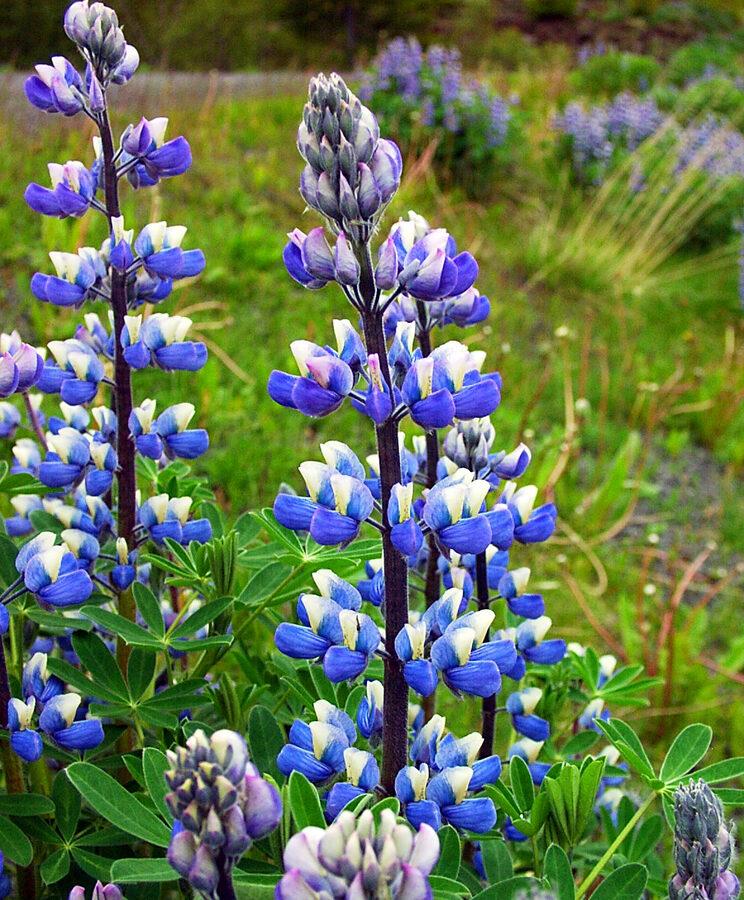
The official answer is June, July, and August. The real answer is wider than that. Daylight starts stretching properly from late April, when Reykjavik already has 16 hours of sun, and by early May the sun barely sets. The lupines start to flower around the 20th of May. Highland F-roads open in the second half of June if it has been a normal winter, sometimes the first week if it has been mild. They close again with the first proper autumn snowstorm, usually mid-September but sometimes as late as the first week of October.
So here is how I think about it. Mid-May to mid-June is shoulder summer. Lupines, long days, tour operators just starting their summer schedules, prices a notch lower than peak. Some highland routes still locked. June 21st is the solstice, the sun barely sets in Reykjavik and does not set at all north of the Arctic Circle on Grímsey. June 21st to mid-August is the peak, the version that gets put on the tourism brochures. Mid-August to mid-September is the late-summer sweet spot, daylight still long, prices easing, schools in many countries already back, the last of the puffins gone but everything else still running. After mid-September the F-roads start closing, the daylight shrinks fast, and you are properly in autumn.
If your job permits and you can pick the dates, late August into early September is the smart window. You still get 14 to 16 hours of daylight, the highlands are open, the weather is statistically the most stable, and Reykjavik is no longer wall-to-wall cruise day-trippers. I know Icelanders who would not travel domestically in any other window.
What the weather actually does
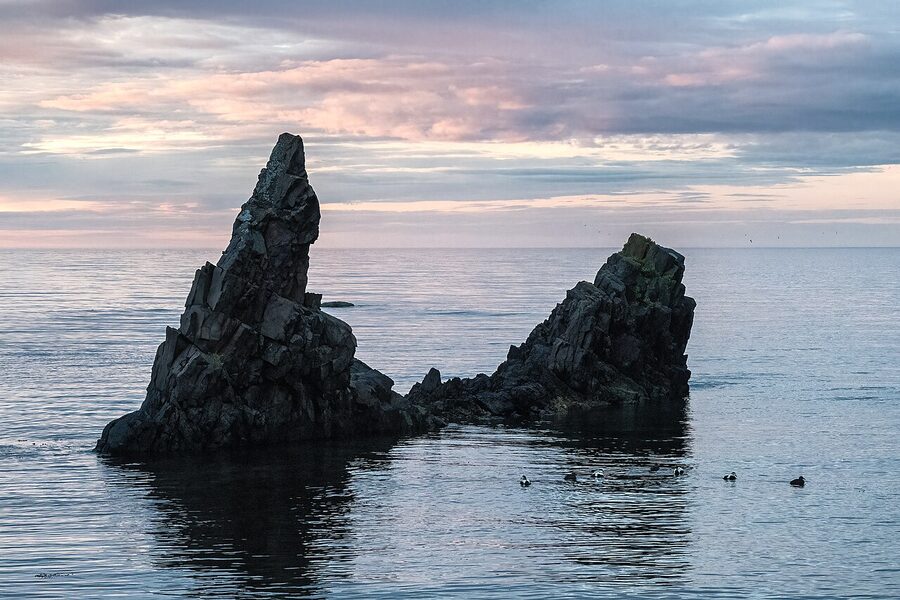
The mean July temperature in Reykjavik is 11°C. June sits around 9 to 10°C, August around 10°C, and the difference between them is genuinely within the noise of any given week’s weather. Iceland gets sunny stretches that climb to 18 or 20°C, especially inland where there is less ocean cooling, and very occasionally the country breaks 25°C, which we treat as a national emergency in the best sense. The all-time record is 30.5°C, set on the east coast in 1939, and it is not breaking that often.
What changes more than the temperature is the wind and the rain. A windless 9°C day with sun feels like spring in northern Europe. A gusty 9°C day with horizontal rain is the famous Icelandic summer that catches people out. We get all of it, often inside a single afternoon. The advice every Icelander will give you is layers and a real waterproof. Cotton hoodie, fleece mid-layer, hard shell over the top. You will be shedding and re-adding all day.
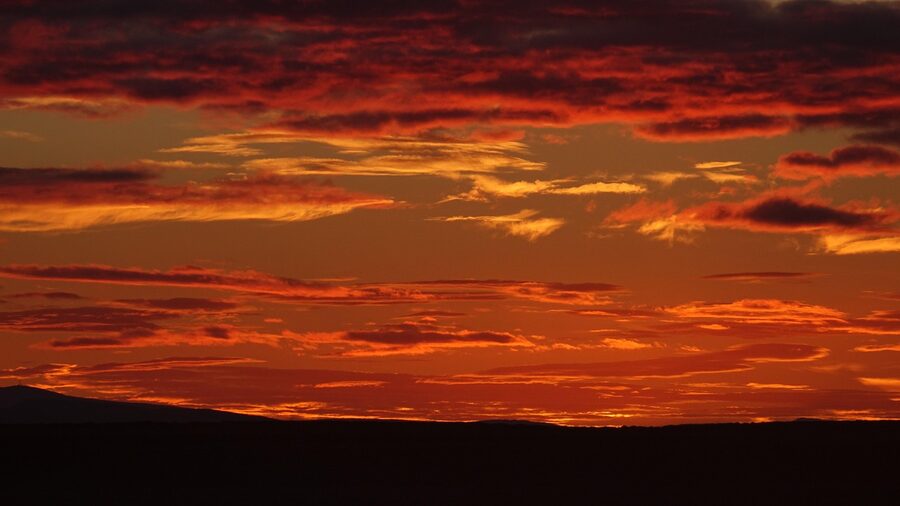
The daylight is the thing that genuinely surprises people. From late May to early August, Reykjavik does not properly get dark. The sun sets for two or three hours and the sky stays a dusky pale blue right through the night. By June 21st, the official sunset in Reykjavik is just past midnight and sunrise is just before 3am, with twilight bridging the gap. North of the Arctic Circle, on the island of Grímsey, the sun does not set at all for several days around the solstice. In Akureyri the effect is almost as total. You can be at a waterfall at 11pm, take a photograph, and there is enough light to make it work without a tripod. It is genuinely strange the first time you experience it. Bring an eye mask for sleeping, because most Icelandic accommodation has good blackout curtains, but not all of it does.
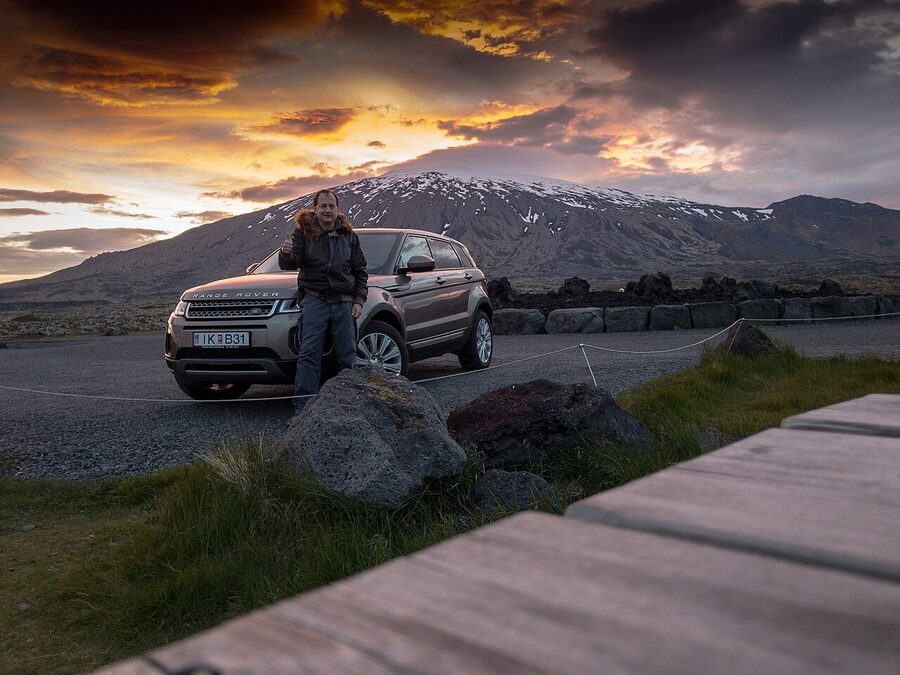
The flip side of all that light is that the northern lights are not a summer phenomenon. The aurora is up there, but the sky is too bright to see it from late April through to about the third week of August, when the first proper darkness returns. If aurora is on your list, the northern lights guide covers the actual season, which runs broadly from late September to early April. Anyone selling you a “summer northern lights tour” in July is selling you a boat ride.
For the official forecast and warnings before any trip, the Icelandic Meteorological Office at vedur.is is the source. Weather can change inside an hour. Always check it the morning you drive.
What opens up in summer that you cannot do the rest of the year
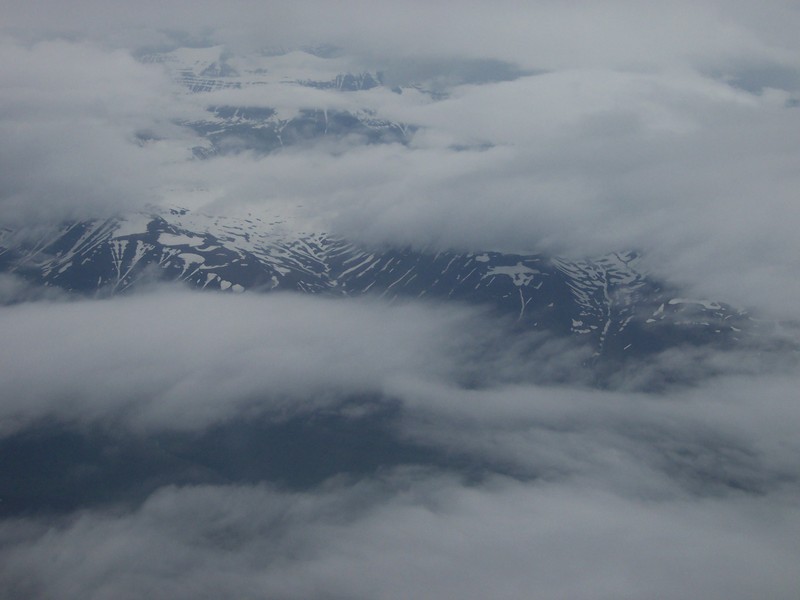
This is the real reason summer matters. A long list of the country’s best places are simply unreachable for most of the year, and they unlock on a schedule the weather decides. Here is what the season opens that you cannot otherwise do.
The Highlands
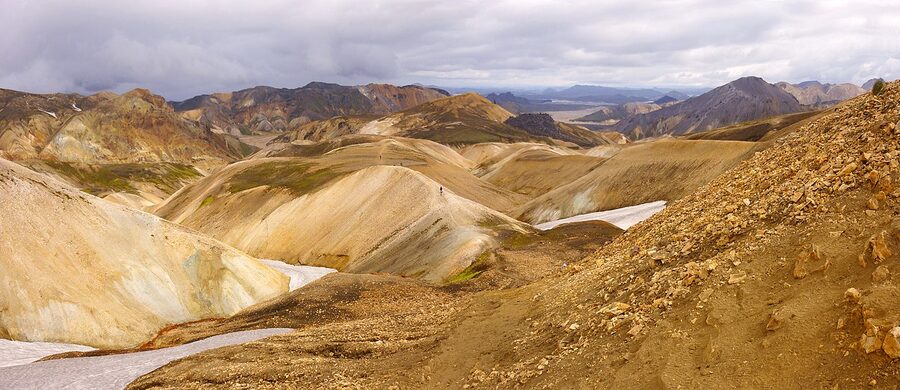
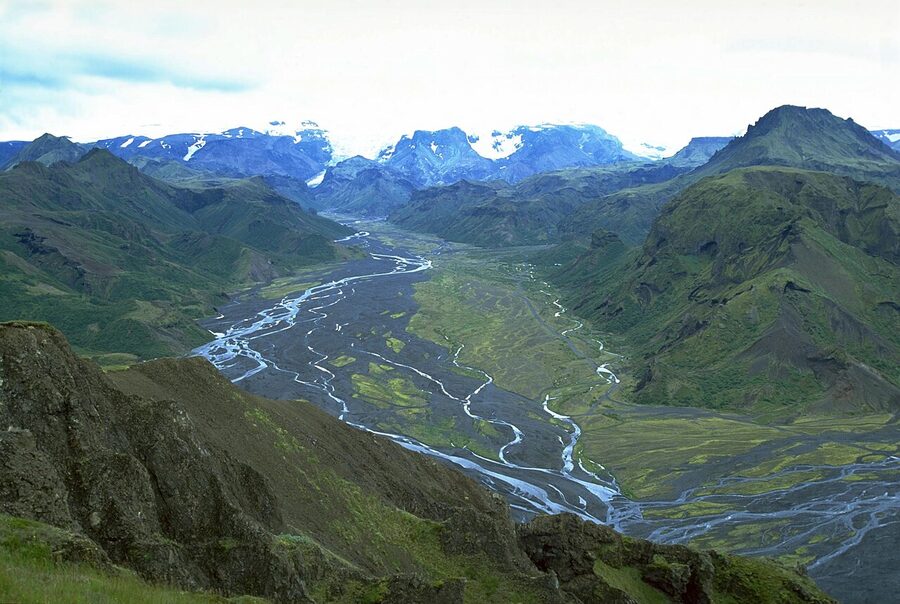
The interior of Iceland is a separate country. Volcanic, treeless, river-cut, mostly above 600 metres elevation, and in winter buried under metres of snow with rivers no vehicle can ford. The road network in there is the F-road system, gravel tracks marked with an F prefix on signs, and they are legally closed and physically impassable from roughly October through to mid-June. The exact opening dates are decided each year by the road authority based on snow melt and river levels. The current map of which F-roads are open lives at road.is and it gets updated daily. Treat it as gospel.
When the highlands open, the best of Iceland opens with them. Landmannalaugar, the rhyolite hills with the free hot pool at the trailhead. Þórsmörk, the green river valley wedged between three glaciers. Kerlingarfjöll, the alien geothermal cirque with the new Highland Base resort. Askja, the caldera of a volcano that erupted catastrophically in 1875 and is currently inflating again. None of these are reachable in winter. All of them open in summer. The day tours guide covers which highland trips run from Reykjavik in season; the standout is the super-jeep day to Landmannalaugar, which is a 12 to 14 hour outing and probably the single best day of any first-time Iceland trip in July or August.
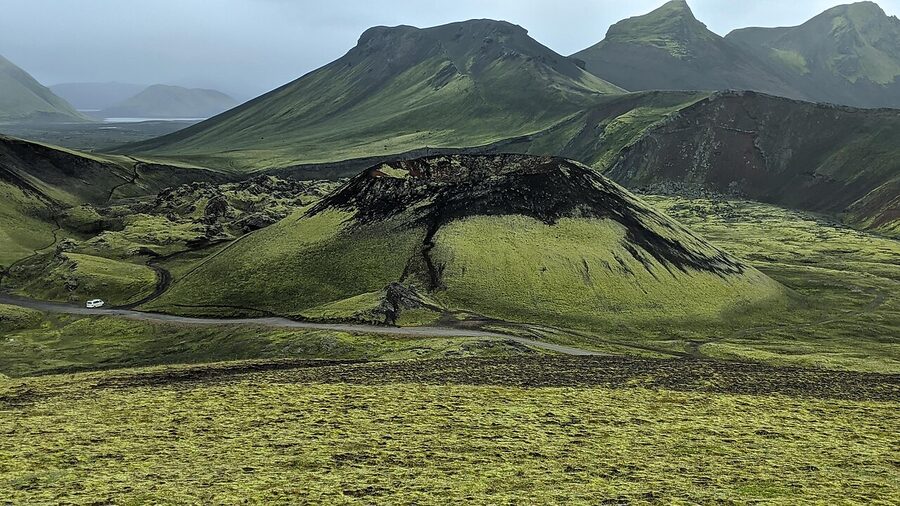
If you want to drive into the highlands yourself, you legally need a 4WD with proper ground clearance. A Suzuki Vitara or Dacia Duster is the small end of acceptable. A Land Cruiser is the comfortable end. Insurance does not cover river crossings, ever, on any rental car, full stop. Cross only what you have walked first to gauge depth, and if in doubt do not cross. If you have not done river crossings before, take a guided super-jeep day instead and let someone else’s vehicle take the punishment. The photo tour piece covers the highland routes that photographers gravitate to; for trip planning, fi.is is the Iceland Touring Club site, and they own most of the mountain huts you will want to stay in.
The Laugavegur trek
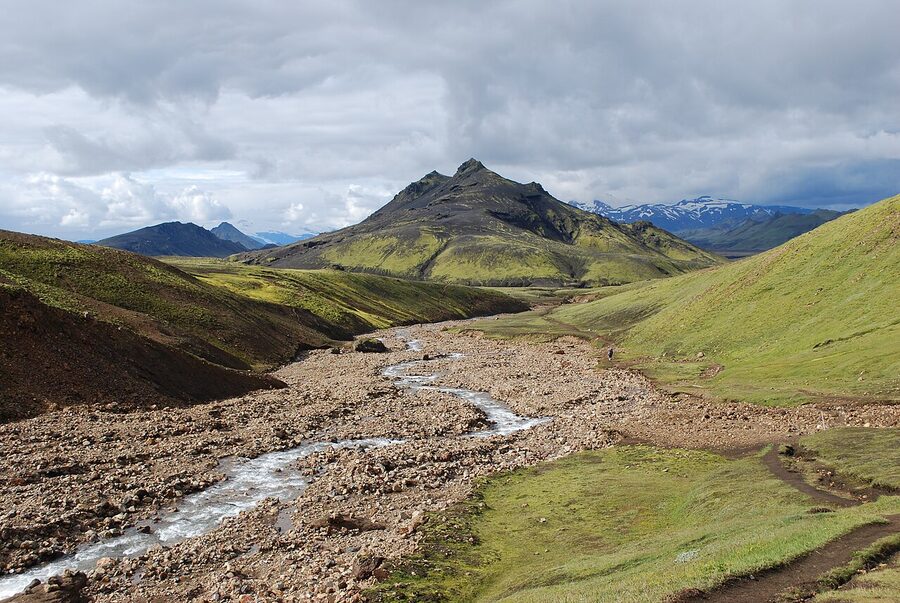
The Laugavegur is the country’s classic multi-day hike. 55 kilometres from Landmannalaugar in the highlands south to Þórsmörk in the Eyjafjöll valley, normally walked over four days with three nights in mountain huts run by Ferðafélag Íslands. It is open roughly from late June to early September, weather depending. The huts cost around 16,000 ISK per person per night for non-members and they sell out six to eight months ahead for July and the first half of August. If you have any thought of doing this trek, book today. Genuinely, today.
You can extend it by a fifth day over the Fimmvörðuháls pass to Skógar, walking through the still-warm 2010 Eyjafjallajökull eruption site. That is a long, hard final day with serious river crossings and changeable weather. Worth doing if you are fit and properly equipped. Skip it if you are not. Most of the deaths on the Laugavegur happen on Fimmvörðuháls in unexpected snow, not on the main trail.
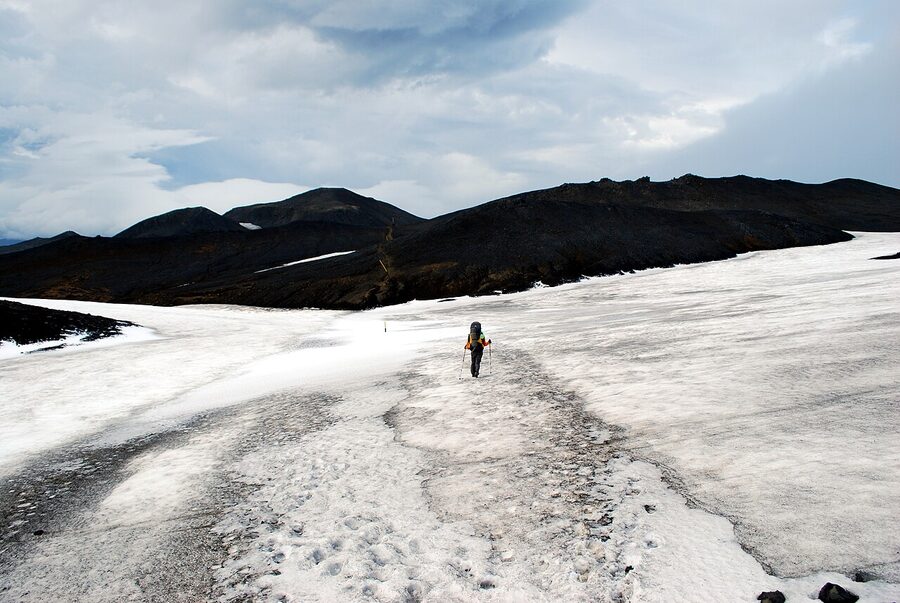
If a multi-day hut trip is too committed but you still want a day at the trail, the bus services from Reykjavik to Landmannalaugar and to Þórsmörk run from mid-June and you can do a strong day hike out and back. The Brennisteinsalda crater walk above Landmannalaugar is three to four hours and gives you the heart of the place without needing to overnight.
Hornstrandir
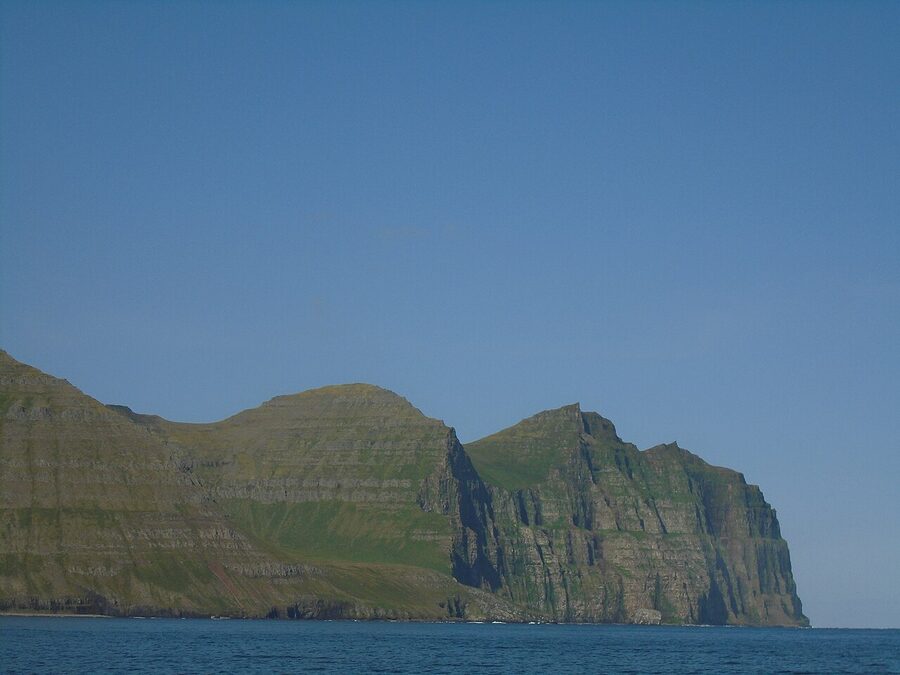
Hornstrandir is the empty thumb of land at the very top of the Westfjords, abandoned as permanent settlement in the 1950s and protected as a nature reserve in 1975. There are no roads, no shops, no electricity. There is one warden at Hesteyri and there is the wildlife. The only way in is the daily boat from Ísafjörður, which runs from about the 20th of June to the third week of August, and even within that window weather can cancel a day or three at a time. You go either as a day-trip walker landing at Hesteyri for a few hours, or kitted out with a tent and food for three to seven days of self-supported hiking. The arctic foxes are not afraid of people and you will meet them. Puffins and other sea birds nest in the cliffs in colossal numbers.
Hornstrandir is one of the few corners of Iceland that still feels properly wild. It is not a mainstream visitor destination and that is the point. If you have the gear and the days for a 3 or 4 day backcountry walk in cold drizzle with possibly no cellphone signal, it is one of the most rewarding trips in northern Europe. If that description does not appeal, do not force it. Day-trip access from Ísafjörður is the gentle introduction.
Inside the Volcano (Þríhnúkagígur)
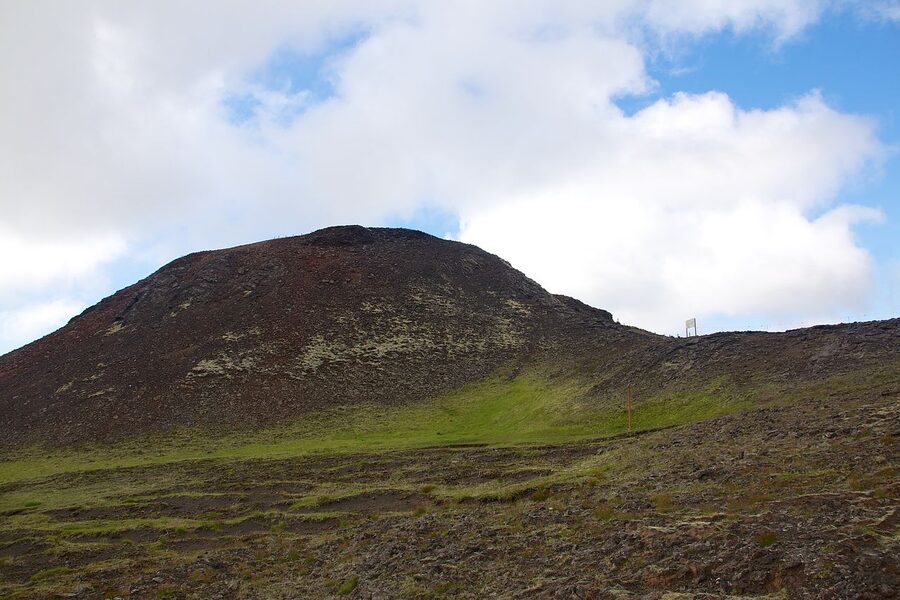
This is the one Iceland tour I tell everyone to do at least once. Þríhnúkagígur is a dormant volcano in the Bláfjöll mountains 30 minutes outside Reykjavik. In 1974 a caver descended a rope through the small surface vent and discovered that the magma chamber beneath was unusually intact, four times the volume of the Statue of Liberty, walls in colours that should not exist on this planet. In 2012 a single operator built an open-cage construction lift down the shaft and started taking visitors. There is exactly one outfit, insidethevolcano.com, the season runs May to October, and the tour costs around 56,000 ISK per person.
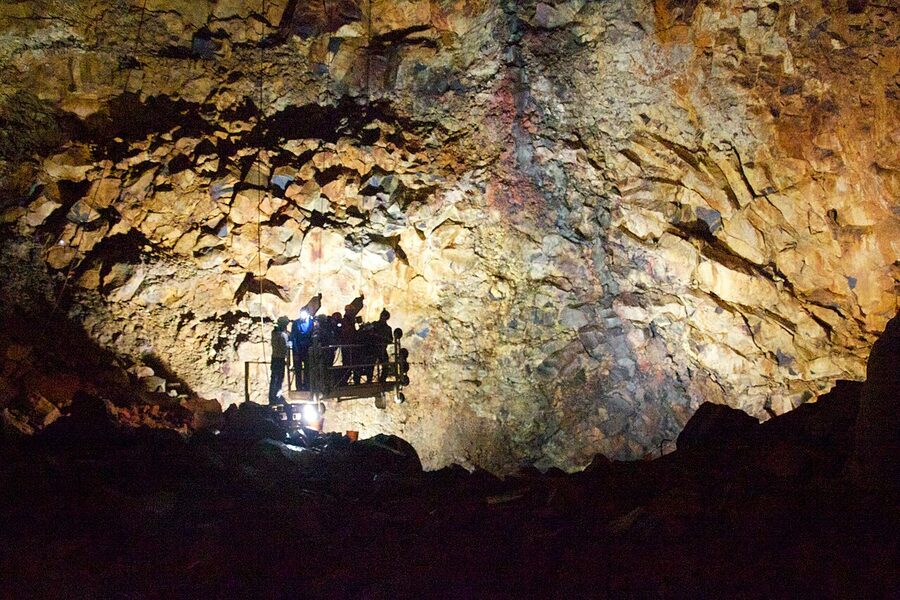
It is not cheap. It is also the only place on Earth where you can do this. Slots get booked weeks ahead in July, do it early in your planning. The lift trip itself is six minutes, you spend about 45 minutes inside, and the whole tour with the hike to and from the chamber is around six hours. Bring waterproofs and proper shoes. There are puddles inside the chamber and the lift cage is, by design, open.
Puffin season
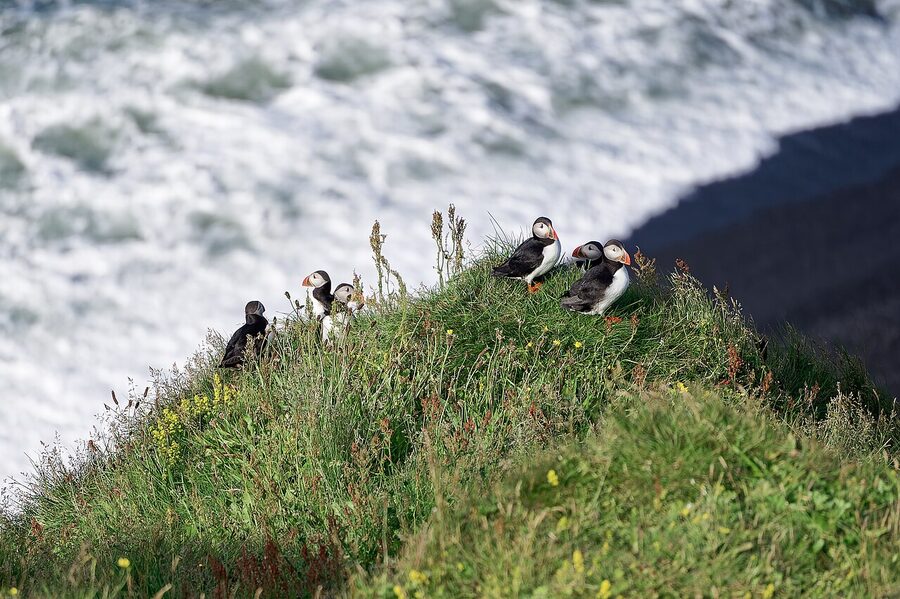
About 8 to 10 million Atlantic puffins, more than half the world population, breed in Iceland. They arrive at the cliffs in late April and early May, lay one egg per pair, raise the chick through July, and leave for the open Atlantic by the third week of August. After that they are gone for the winter. Outside that window you cannot really see them.
The major colonies are Látrabjarg in the western Westfjords (the densest, the most photogenic, and a long drive), Dyrhólaey on the south coast (an easy stop on any south coast itinerary), Borgarfjörður Eystri in the east (the most accessible viewing platform, you walk up to within metres of nesting birds), Vestmannaeyjar (the largest colony in Iceland and easy to reach), and the Reykjavik puffin boat tours leaving from Ægisgarður harbour, which take 90 minutes and visit a small island colony just offshore. The boat tours run from May to mid-August.
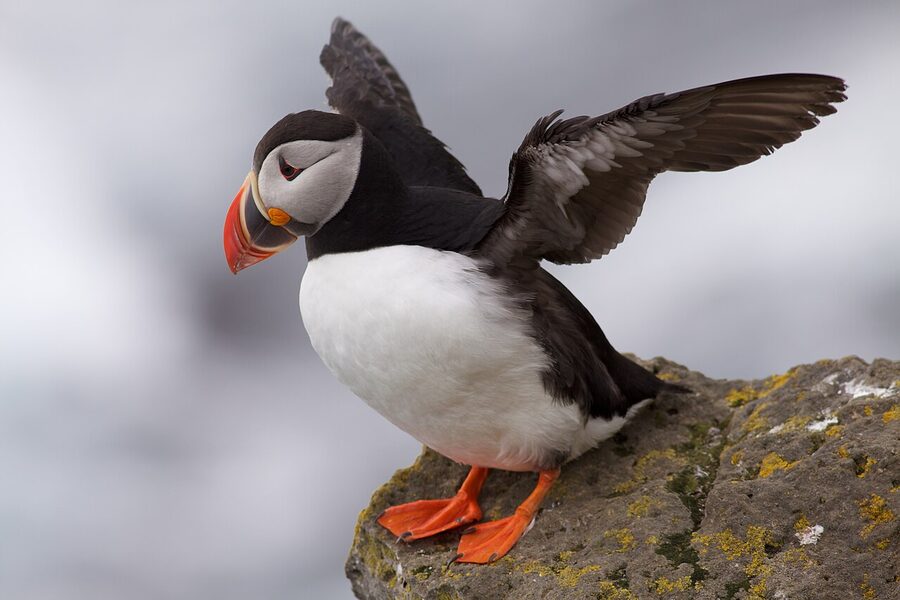
The full bird watching guide covers the colonies in detail. The short version: if you are coming in summer specifically for puffins, target the back end of June through July. Early August they are still there but starting to leave. Mid-August the colonies are mostly empty. By September they are gone.
Whale watching at peak
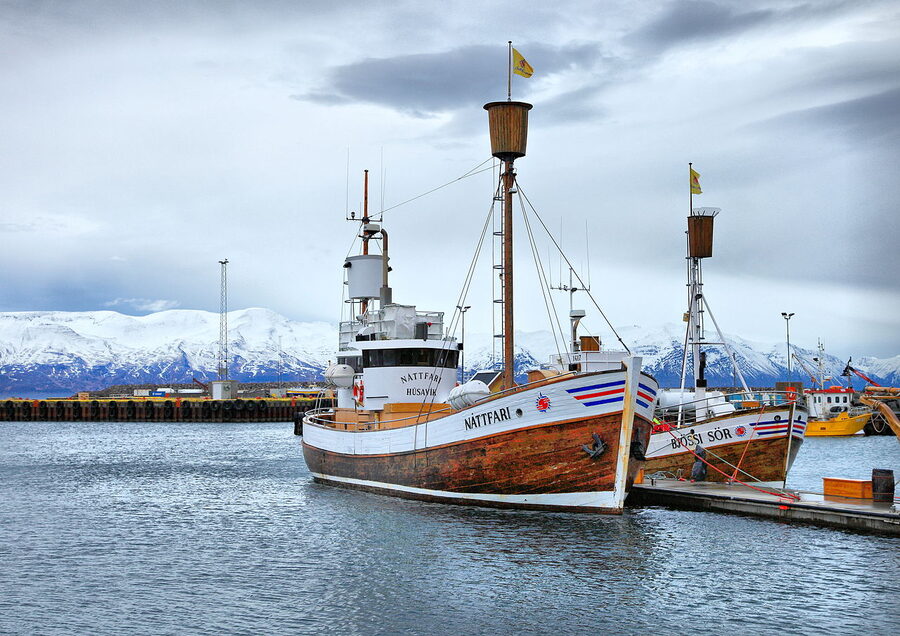
Whale watching runs year-round in Iceland but summer is when sighting rates peak and the boat schedules ramp up. Húsavík on the north coast is the country’s whale-watching capital and the place I would point you to if you have a flexible itinerary. Sighting success in Skjálfandi Bay sits around 95% in July. North Sailing and Gentle Giants are the two reputable Húsavík operators, both run multiple sailings a day from June to August, both have switched some of their fleet to electric. Tours cost around 12,000 ISK and last two and a half to three hours.
From Reykjavik, Elding is the established operator, leaving Reykjavik harbour several times a day. Sighting rates are lower than Húsavík, around 80%, but the convenience is hard to beat if you are basing in the capital. The species you are most likely to see are humpback and minke whales. Orcas turn up off the south Snæfellsnes coast in spring and early summer, white-beaked dolphins are common everywhere. Blue whales are rare but possible, normally further north.
Húsavík deserves its own evening even if you only do the boat trip and the Whale Museum and stay over. The town has gone, in twenty years, from a quiet fishing harbour to one of the most visitor-dense small towns in the country, and the boats run from the same wooden quay they always did. There is a hot tub spa called GeoSea built into the cliff overlooking the bay, geothermal seawater, sunset facing the open ocean. Worth the 7,500 ISK on the way back from your boat trip. The full wildlife in Iceland piece covers the season in more depth.
The other summer headliners
Beyond the genuinely seasonal stuff above, summer also delivers better versions of things that are technically year-round. Here are the ones I would build any first-time summer trip around.
A full south coast that runs to Vatnajökull
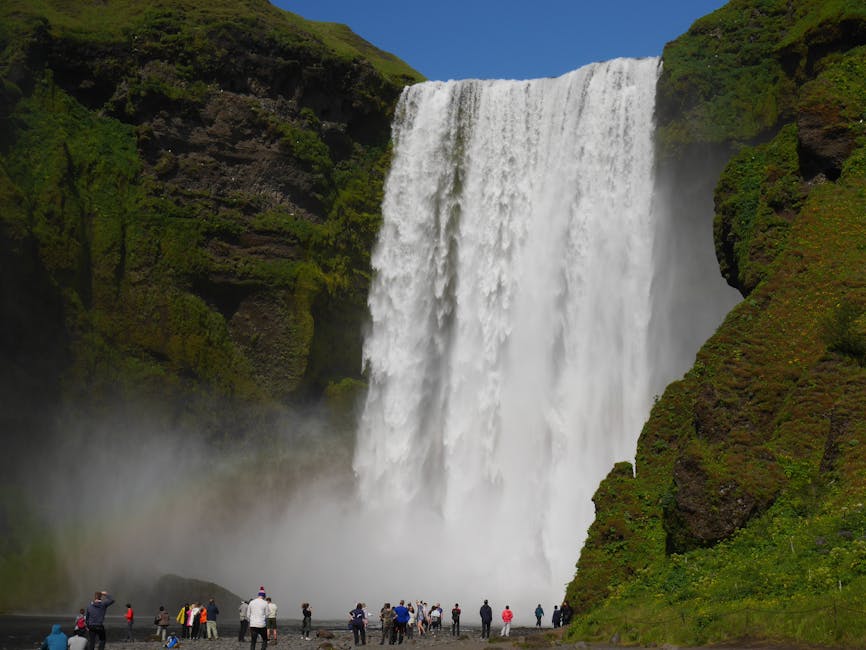
In winter the day-trip south coast tour from Reykjavik usually stops at Vík because the days are short and the road can deteriorate. In summer, the operators run extended versions that push all the way to Vatnajökull and Jökulsárlón. That is a 14 to 16 hour day with a lot of bus time, but you bag Seljalandsfoss, Skógafoss, Reynisfjara, Skaftafell, the glacier lagoon and Diamond Beach in one shot. Self-driving the same route over two days is the better experience and gives you Vík for the night, but if you are working with a single weekend out of Reykjavik this extended bus trip is the answer.
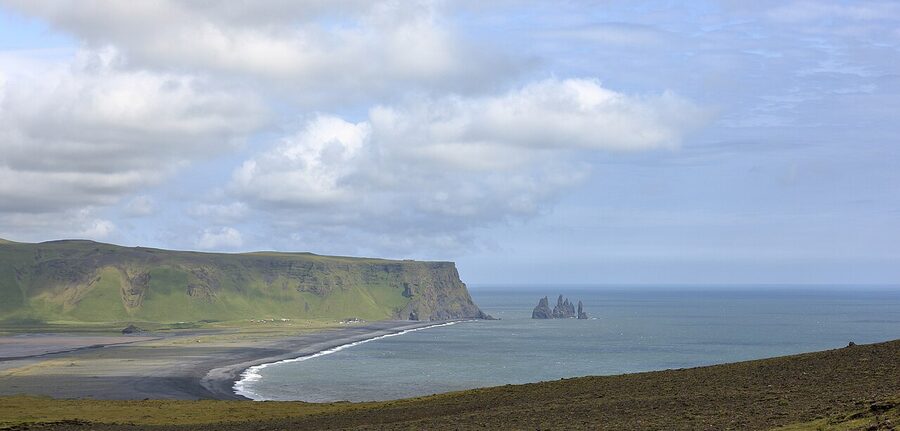
The summer south coast also opens up the boat tour at Jökulsárlón, which doesn’t run November to April, the puffin colony at Dyrhólaey, the glacier hike on Falljökull at Skaftafell which is more straightforward without snow on the lower ice, and the slightly improbable possibility of a clear-day flight from Skaftafell over the Vatnajökull cap. The crowds are real, especially the cruise-ship day-trippers piling out at Geysir and Gullfoss after a port call in Reykjavik. Aim to be at the headline stops before 9am or after 6pm, and the experience changes entirely.
Snæfellsnes in good light
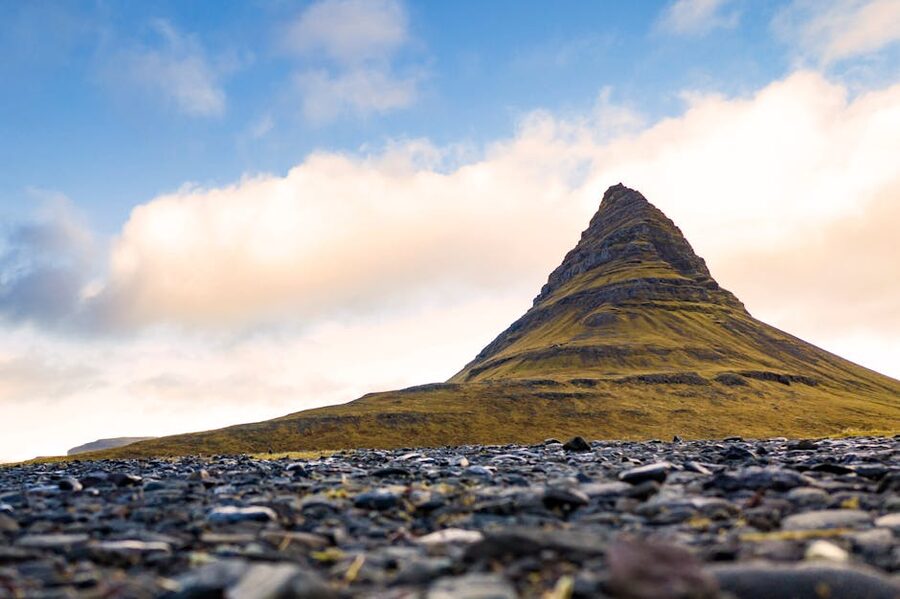
The Snæfellsnes peninsula is two hours west of Reykjavik and runs as a year-round day tour, but in summer the tarmac is dry and the gravel side roads to Djúpalónssandur, the Lóndrangar cliffs, and the Búðir black church are easier to handle in any car. You can do it as a day from Reykjavik comfortably in summer because the drive home from the western tip is in full daylight. In winter the same trip ends in the dark with weather risk on the return. Self-drive in a basic 2WD works fine in summer, which it really does not in winter when most insurers will tell you to upgrade.
A genuinely easy Ring Road
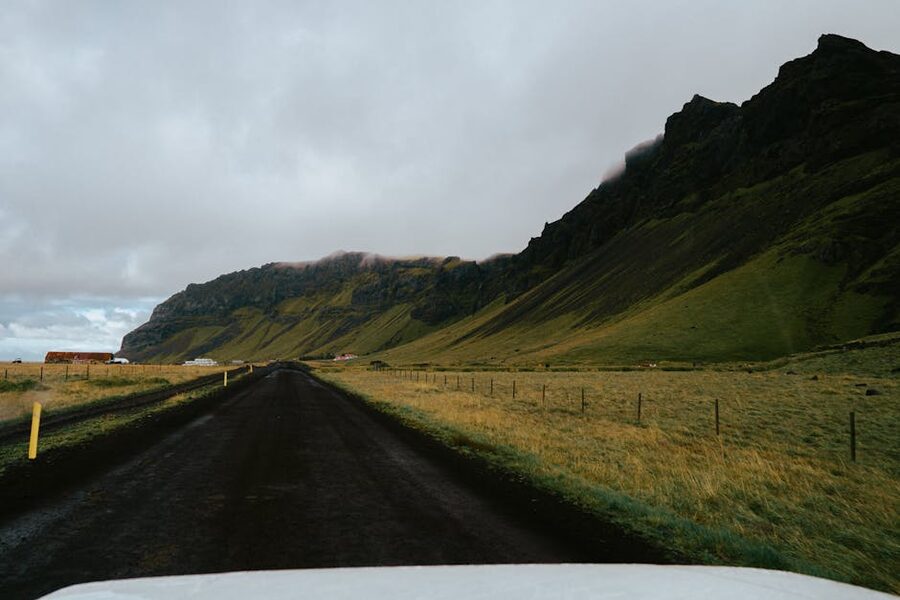
The full loop, driving the Ring Road, becomes much easier in summer. Daylight is on your side, gravel sections are dry, the East Fjords are not closing in low cloud, and the mid-summer sunset stretches your driving window past 11pm. Most first-time visitors who do the loop in summer pick a clockwise route over seven to ten days. Ten days with a Snæfellsnes detour is what I would do if I were starting the planning today. A campervan from Happy Campers or KuKu Campers is a credible alternative to hotels in summer specifically; campsites are open, the nights are mild enough, and the freedom of pulling up at a designated lay-by has a real appeal in long daylight.
Hot springs are still part of summer
People sometimes assume the country’s geothermal pools are a winter activity, but they really are not. Icelanders use them all year round, and a 20°C summer day at the Blue Lagoon or out at the Sky Lagoon’s edge facing the Atlantic is a particular sort of pleasure that does not happen in February. The smaller, quieter hot springs guide covers the rural ones; in summer you can also reach the wild ones like Reykjadalur (a 45-minute hike up a steaming valley near Hveragerði) or Hrunalaug (a tiny stone-walled pool out behind a farmhouse), which are weather-dependent walks the rest of the year.
The festivals Icelanders disappear into
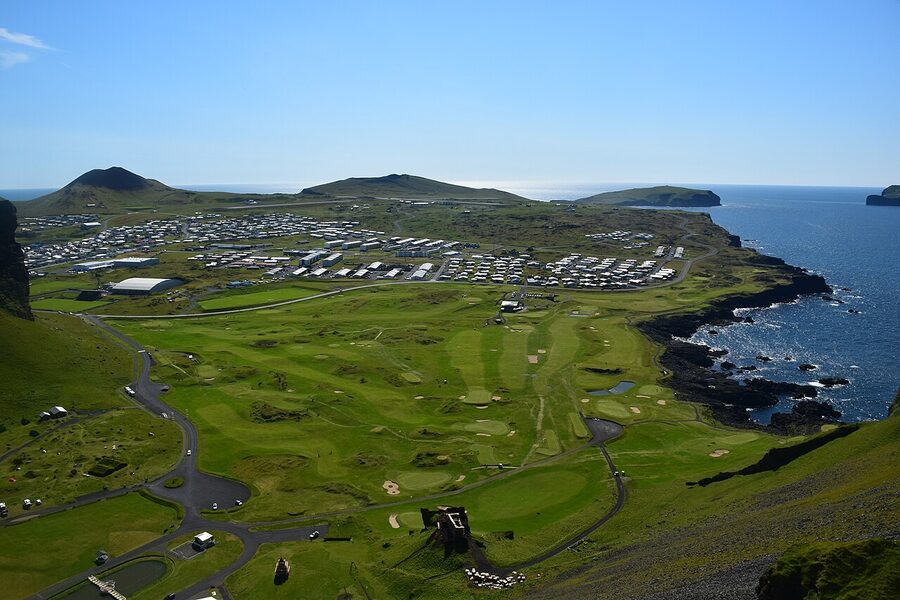
Three things to know about the summer festival calendar. First, June 17th is Iceland’s national day, Sjómannadagurinn maritime weekend usually around the same time, and the country celebrates with parades and outdoor events in every fishing town. Reykjavik’s main day is good fun if you are in town. Second, Reykjavik Pride lands in the second week of August and is one of the biggest events of the year, the parade pulls 100,000 people in a country of 380,000 which tells you something. Third, and this is the one foreign visitors most often miss, Verslunarmannahelgi (the merchant’s holiday weekend) is the first weekend of August and Icelanders empty the cities for it. The biggest is Þjóðhátíð in the Westman Islands, where Heimaey’s 4,500 residents are joined by another 15,000 to 20,000 visitors for a three-day camping festival with bonfires, fireworks, and a lot of singing. If you can get a ferry ticket and a tent slot, it is the most concentrated dose of summer Iceland you can experience. If you can not, expect that long weekend to be the busiest of the entire year on every road in the country, and book accordingly.
Outside those, look at LungA in Seyðisfjörður (mid-July, an arts festival in the East Fjords), Bræðslan in Borgarfjörður Eystri (late July, a one-night music festival in a former herring factory), and Menningarnótt or “Culture Night” in Reykjavik (late August, the biggest one-night street festival of the year and entirely free).
The Westman Islands deserve a separate paragraph
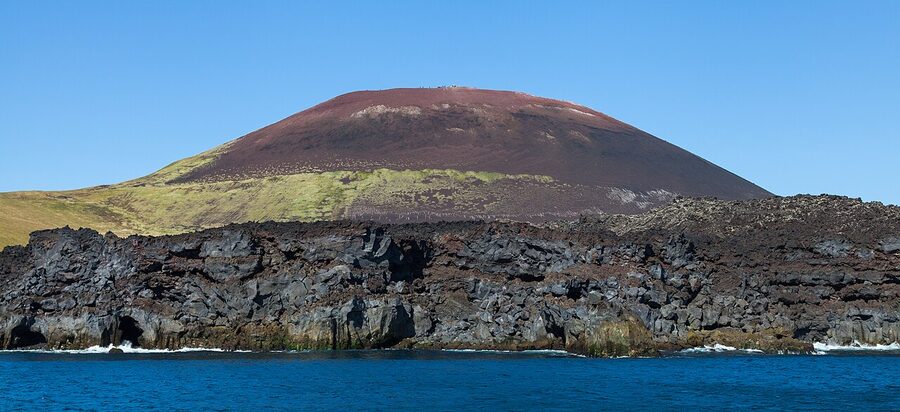
Vestmannaeyjar (the Westman Islands) deserve a stand-alone day, and summer is when they make the most sense. The Herjólfur ferry from Landeyjahöfn on the south coast runs at full schedule from June to August, multiple sailings a day, around 1,800 ISK each way and 35 minutes. In winter the schedule thins out and weather cancellations are normal. In summer you can comfortably day-trip from Reykjavik, but I would push for a night.
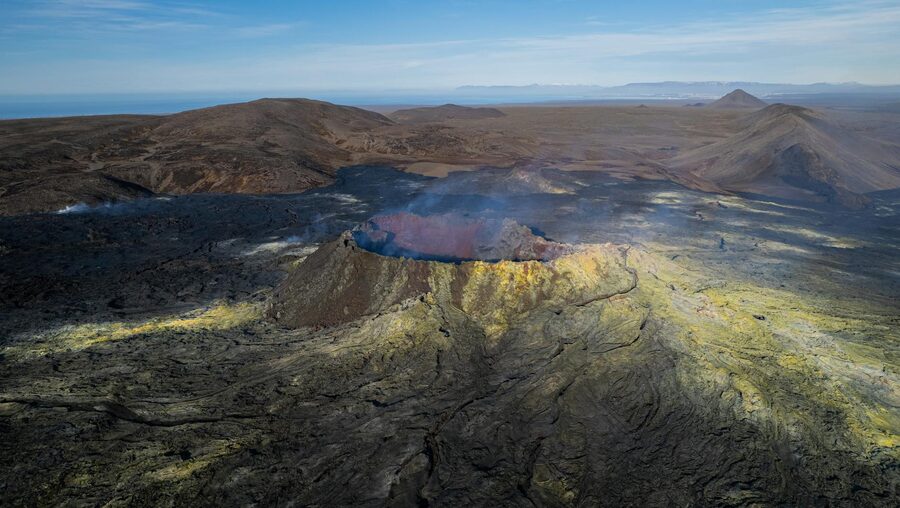
The headline is the 1973 Eldfell eruption. A new volcano broke out of a meadow at the edge of town one January night, the entire population of 5,000 was evacuated by fishing fleet in a single dawn, and over the following five months a third of the town was buried under ash and lava. They saved the harbour by spraying seawater on the advancing lava front for weeks, an industrial-scale Icelandic improvisation that is one of those national stories everyone knows. The Eldheimar museum is built around an excavated house and is genuinely one of the best small museums in the country.
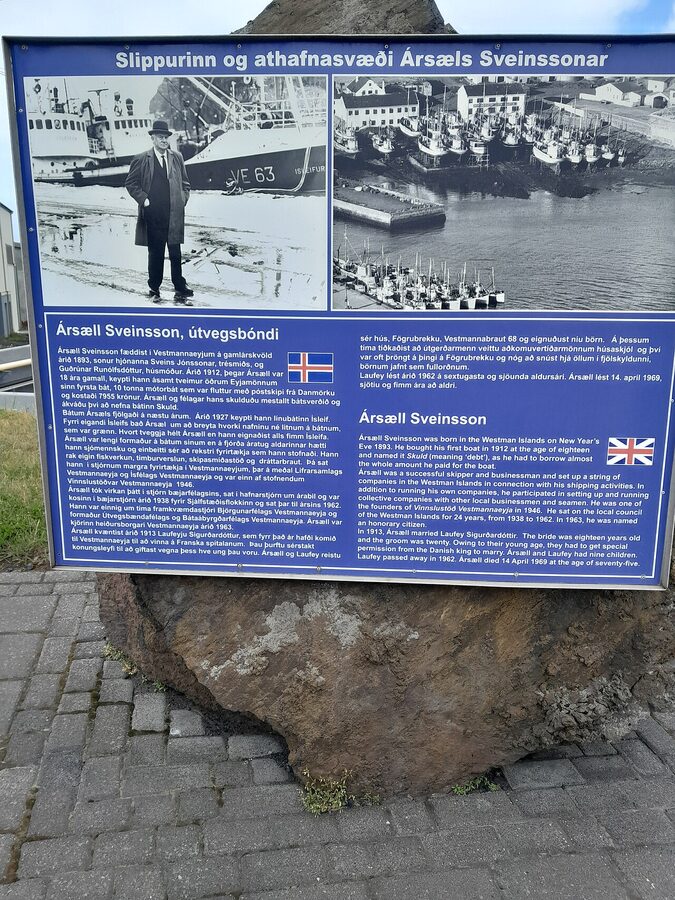
You can hike to the summit of Eldfell in 90 minutes and the ground at the top is still genuinely warm in places. Locals used to bake bread in the residual heat for years after the eruption ended. The town also has Hástaín football stadium, claimed to be Europe’s smallest top-tier ground (it has hosted the Vestmannaeyjar football club at the highest level), the puffin colony at Stórhöfði on the south end of the island, and a town centre that wraps around the cone of Helgafell, the older sibling volcano. Birdseye boat tours go out around the islands and into sea caves. Stay one night at Hotel Vestmannaeyjar in town, eat at Slippurinn (book ahead, it is the best restaurant on the island), and you have given the place its due. The full bird watching context is in the birding piece.
The crowd reality and how to dodge it
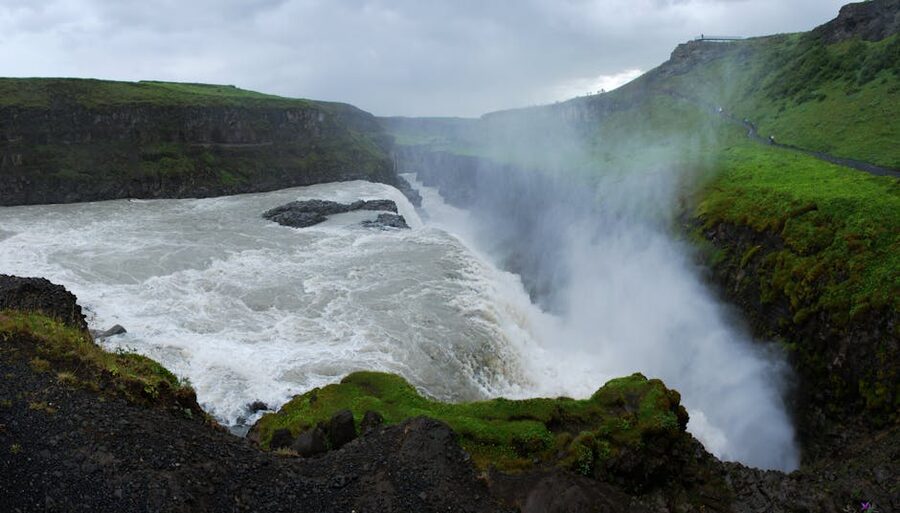
Iceland passed two million annual visitors back in 2017 and has grown since. About 60% of those visitors come in the summer months, and they concentrate on the same 200 kilometres of road. The Golden Circle at Geysir and Gullfoss between 10am and 2pm in July is genuinely full of buses. The Reynisfjara car park at the same time is overflow into a second lot. The path to the front of Skógafoss has 200 people on it. None of this ruins the visit, but it is a different experience to having those places to yourself, which is also possible if you adjust your timing.
The standard advice that actually works: leave Reykjavik for the south coast at 6 or 7am. You will be at Seljalandsfoss before the buses arrive from the city. By the time you are at Reynisfjara at 10am, most of the day-trip groups are still at Skógafoss. By the time you reach Vík for lunch, you have skipped the worst of it. On the Golden Circle, do it in reverse: start at Gullfoss around 8am when there is one car in the lot, work backwards to Geysir, then arrive at Þingvellir in the afternoon when the Geysir buses have replaced you.
For the Reykjavik area itself, weekdays are quieter than weekends, especially Tuesdays and Wednesdays. Cruise ships dock most days in summer; check the cruise schedule and avoid the central peninsula on heavy days. Snæfellsnes is a much quieter day on a Wednesday than a Saturday. The Highlands tours are smaller groups by definition (a super-jeep takes 7 to 9 people maximum) so the experience holds up regardless of season. Late August into September drops the crowds noticeably without losing access. If your dates are flexible, that window is the best of the season.
Self-drive or guided
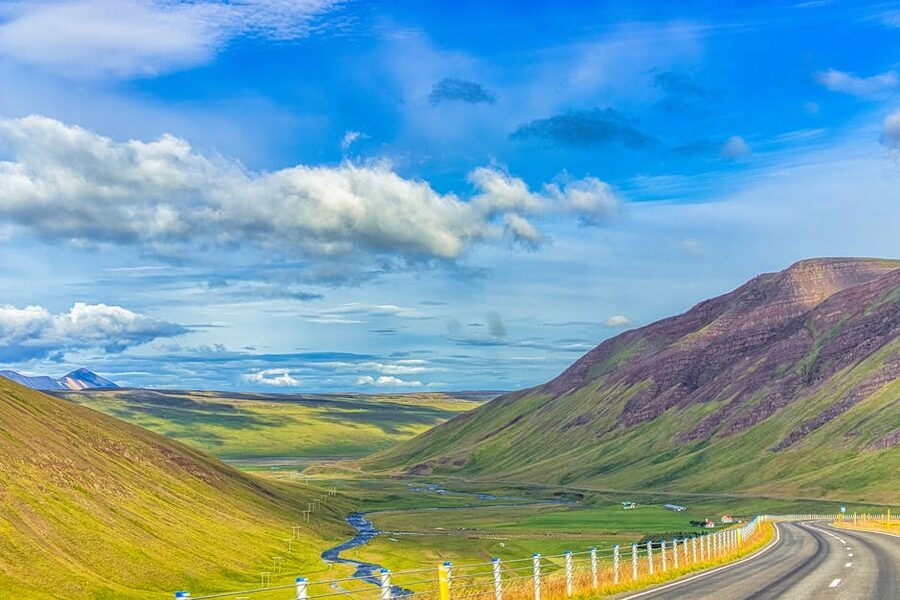
This question gets argued endlessly online and the answer really depends on how much you care about the photo stops. Self-drive in summer is genuinely the better experience for most visitors. The Ring Road is paved end to end, the day length lets you catch up if anything goes wrong, and the freedom to stop at any roadside waterfall or pull-off matters more than people expect. A 2WD economy car runs around 8,000 to 12,000 ISK a day in shoulder season, more in the peak. A compact 4WD that opens the F-roads runs 22,000 to 35,000 ISK a day. Use northbound.is as the comparison engine, then book direct with Blue Car Rental or Lava Car Rental, both based at Keflavík. The full car rental guide covers the insurance gotchas, which matter. Get SCDW and GP at minimum.
Guided multi-day tours win if you do not want the logistics, if you are travelling solo and would rather not eat alone every night, or if a Ring Road in your own rental car would feel like more than you signed up for. Nordic Visitor packages the seven-day classic version well. Hidden Iceland runs smaller-group versions with better food. Our own customised Iceland trips work to whatever combination of guided and self-drive suits a particular party. For the activity day-tours specifically, GetYourGuide and Viator are the platforms most foreign visitors use to compare and book. The tour roundup goes through what’s actually worth the money.
Where to stay in peak summer
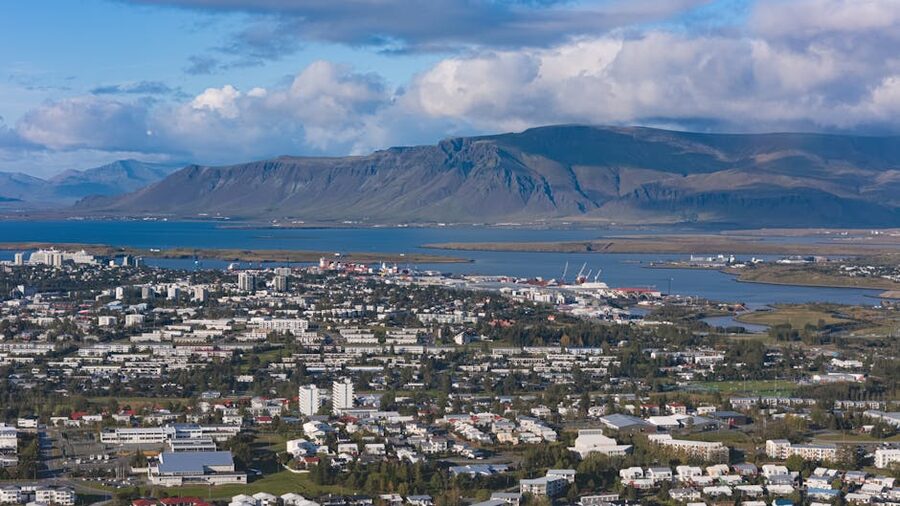
Bookings are the single biggest practical thing to get right for a summer trip. Reykjavik fills up. Vík fills up. Höfn fills up. Akureyri fills up. The decent rural guesthouses fill up first because there are not many of them. The big-block hotels in town fill up last. If your trip is in July or the first half of August, four to six months of lead time on accommodation is the minimum. If you are travelling on the Verslunarmannahelgi weekend (first weekend of August), book six months ahead or accept that you might be sleeping in your car.
For Reykjavik, CenterHotel Arnarhvoll sits a 10 minute walk from Hallgrímskirkja and is reliable. Reykjavik Marina by the harbour is great if whale watching boats matter. Kvosin Downtown Hotel in the historic centre is the splurge option. The Reykjavik city break guide gets into the neighbourhoods.
For the rest of the country, three durable mid-range options for the south coast, the east, and the north: Hotel Vík í Mýrdal for Vík (35,000 to 50,000 ISK in summer), Fosshotel Eastfjords for Fáskrúðsfjörður (around 35,000 ISK), and Icelandair Hotel Mývatn at Reykjahlíð (40,000 ISK and up). All three book up early.
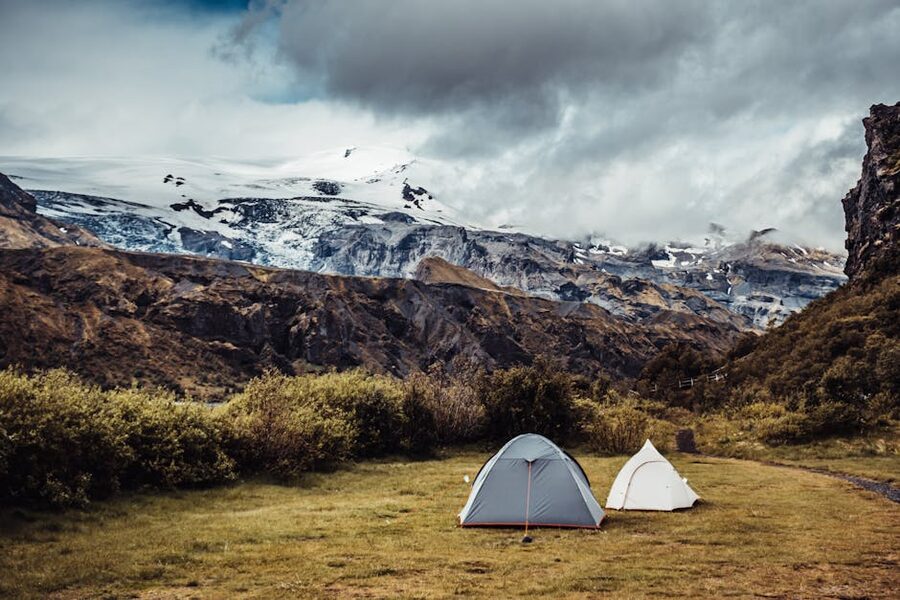
If hotels are out of the question, summer is when camping makes sense. Tjaldsvæðin (the official campsites, never wild camp, it is illegal and the fines hurt) cost about 2,000 ISK per person per night. Most have hot showers, kitchens, washing machines, decent facilities. The official campsite directory at tjalda.is is the planning tool. A campervan from Happy Campers or KuKu, mentioned earlier, splits the difference between renting and camping; you can stop at any designated site, you have a bed and basic kitchen on board, and you do not commit to nightly hotel bookings six months in advance. Mountain huts in the highlands (Landmannalaugar, Þórsmörk, Skagfjörðsskáli, Emstrur, Hvanngil) are run by Ferðafélag Íslands and book through fi.is; they sell out fastest of all.
What summer actually costs
Iceland in summer is the most expensive Iceland. Car rental in July is 2 to 3 times the price of November. Accommodation runs 30 to 50 percent over winter. Restaurant tables in Reykjavik need a couple of days’ notice for the better places. Tours that have small group caps (Inside the Volcano, the highland super-jeeps, the puffin photographer trips, the Þríhnúkagígur lift) sell out two to four weeks ahead in peak.
What makes the difference between a panicky-expensive Iceland trip and a well-run one is usually three things. Book the high-demand stuff (hotels, the Inside the Volcano slot, the Laugavegur huts, the Verslunarmannahelgi tickets if relevant) four to six months out. Buy a SIM at Keflavík airport from Síminn or Vodafone for around 3,500 ISK so the road.is and vedur.is checks are easy. Stop at the Bónus or Krónan supermarket in Selfoss or Hella on the way out of Reykjavik and stock the car with bread, cheese, fruit, and skyr, which saves you 5,000 to 8,000 ISK over a few days of restaurant stops. After that the country mostly runs itself.
What to actually pack
Layers. A real waterproof shell jacket, not a fashion windbreaker. A fleece or wool mid-layer. Long trousers (jeans dry slowly, hiking trousers are better). Hiking boots with proper grip if you intend to walk anywhere off pavement. Swimsuit and a quick-dry travel towel for the hot springs (every public pool in the country requires you to shower naked first, this is non-negotiable etiquette). Sunglasses, the low arctic sun is harsher than people expect. A buff or thin scarf for windy days. Insect repellent if you are going to Mývatn (the lake’s name literally means “midge lake” and it is not a marketing exaggeration in late June and July). A sleep mask, because the midnight sun will mess with your sleep until your body adjusts. A phone car charger for the dashboard. A small thermos if you like hot drinks on the road.
What you do not need. Heavy winter parkas. Rain trousers (a good shell does the job and trousers feel theatrical). Bear spray (no bears, ever). Snake gear (no snakes either). A backup phone charger battery (every petrol station has charging points). The full pack is much shorter than people fear. Iceland’s safety information lives at safetravel.is and the simple advice they give about layers and weather is the right advice.
A few sample summer itineraries
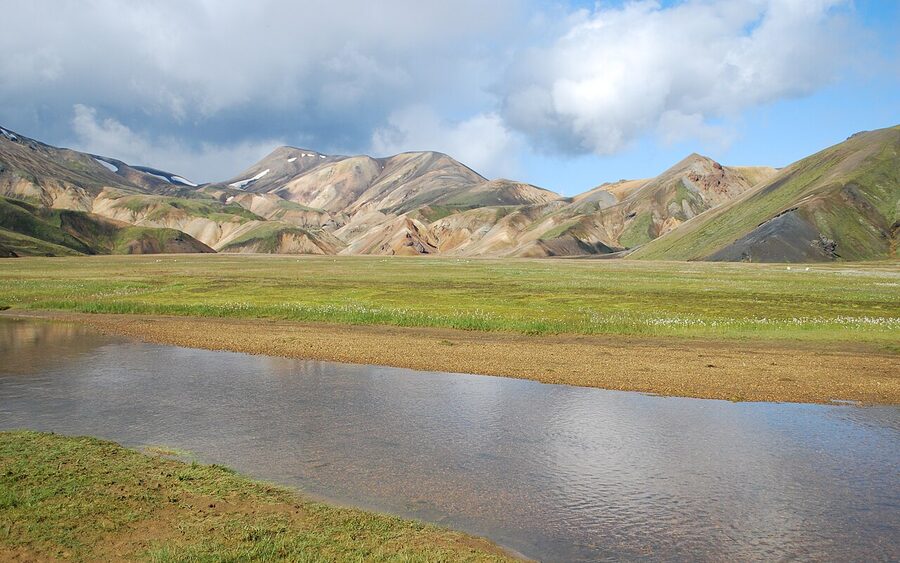
If you have four days, do Reykjavik plus Golden Circle plus south coast as far as Reynisfjara. That is a long-weekend version that gives you the postcards and a feel for the country. The shortest Iceland trip that does not feel rushed.
If you have five to six days, base in Reykjavik for two nights and use it for Golden Circle and Snæfellsnes day trips, then drive out to Vík for one night, on to Höfn for the next, and back. You see the south coast properly without needing to commit to a full loop.
If you have seven days, the standard Ring Road clockwise loop is the right answer. Reykjavik to Vík, on to Höfn, on to Egilsstaðir, on to Mývatn, on to Akureyri, on to Borgarnes, back. One headline stop most days, time for a glacier hike or whale boat in the middle, and a night in each of the big regional towns. The full breakdown is in the Ring Road guide.
If you have nine to ten days, do the Ring Road clockwise plus a Snæfellsnes detour at the end, and slot one full highland day (Landmannalaugar super-jeep, or a self-drive day to Þórsmörk via the F-roads if you have a proper 4WD). That gives you the loop and the highlands and is, in my view, the best version of summer Iceland for a first trip.
If you have twelve to fourteen days, add the Westfjords as a side loop after Akureyri. Three days for the Westfjords minimum, four if you want Hornstrandir. Or instead of Westfjords, go all-in on the highlands with a four-day Laugavegur trek between Landmannalaugar and Þórsmörk, with an overnight at the Volcano Huts at the trail’s end. Both are properly summer trips and both reward the time.
A ten-day highland-focused trip
For the version of summer Iceland I would do if I had ten days and wanted the highlands at the centre, here is the rough shape. Day 1 fly into Keflavík, drive to Reykjavik, sleep, pick up rental in the morning. Day 2 Golden Circle, sleep at Selfoss or Reykjavik. Day 3 super-jeep day to Landmannalaugar, sleep at the Landmannalaugar hut (or back in town if hut beds were not available). Day 4 to 7 walk the Laugavegur to Þórsmörk over four days, three hut nights. Day 8 super-jeep out of Þórsmörk to Reykjavik (you cannot drive a normal car out of Þórsmörk, the Krossá river takes proper trucks), spend the night. Day 9 south coast self-drive as far as Vík, sleep. Day 10 drive back to Reykjavik via Reynisfjara, fly out. That trip will mark you. It is not the easiest version of Iceland but it is the most concentrated one, and almost everything in it is impossible outside of June-September.
Will I see the northern lights in summer
No. Sorry. The aurora is up there but the sky is too bright to see it from the third week of April to the third week of August. Anyone selling you a “summer northern lights” trip is either misinformed or hopeful or both. From the last week of August onwards you start to get a couple of hours of proper darkness around midnight and the aurora becomes visible if KP is high enough and the sky is clear. By mid-September it’s properly back. So if your dates are mid-August or later, you might get lucky on the late nights. If your dates are mid-July, you will not, and that is fine because Iceland has plenty of other things going on. The full aurora guide covers the actual season and how the forecasting works.
Ice caves and snowmobiling, the things you cannot do
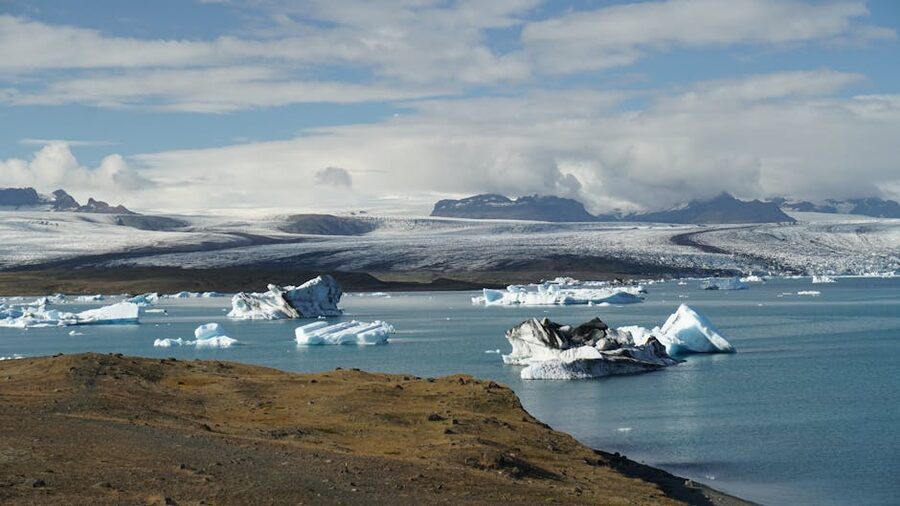
The natural ice caves under Vatnajökull are a winter-only thing. They are ephemeral; new ones form each autumn as the meltwater channels solidify, they are stable enough to walk into from November to early March, and by mid-April they are unsafe and access is closed. The “ice cave” tours marketed in summer are usually one of three things. The man-made tunnel into Langjökull (Into the Glacier, year round, not a natural cave but genuinely impressive), the smaller artificial tunnel at Perlan in Reykjavik (a museum exhibit, fine for kids, not really a cave), or in some cases a glacier hike sold under loose terminology. If a real winter ice cave is what you want, you need to come back in November to March. The full picture lives in the photography tours guide.
Snowmobiling has the same constraint. Langjökull and Mýrdalsjökull have year-round snowmobile operators because they are large enough glaciers that summer melt does not finish them, but the experience is different in summer (more slush, often less visibility from low cloud, the snowfields smaller). It is genuinely better in winter. Save it for next time.
What I would actually do
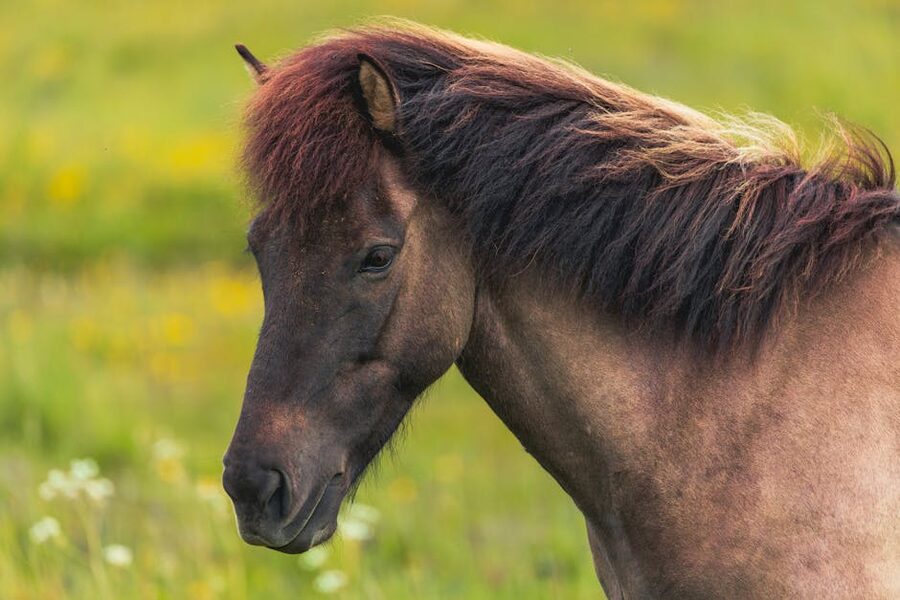
The first time, with seven or eight days, I would do the Ring Road clockwise, sleep one night in each of Vík, Höfn, Egilsstaðir, Mývatn, and Akureyri, eat the langoustine at Pakkhús in Höfn one night, take an evening at the Mývatn Nature Baths, do a whale boat from Húsavík, and arrange the return so I am not racing the clock for Borgarnes on the last day. Book Hotel Vík and one Mývatn place four months out and the rest you can hold off on.
The second time, with ten or twelve days, I would skip half the south coast (you have already seen Skógafoss and Reynisfjara) and put the saved time into either a four-day Laugavegur trek or a three-day Westfjords loop with the Látrabjarg cliffs and a swing through Ísafjörður. The first version is harder physically but is one of the great hikes in northern Europe. The second is easier and gives you a region that 80% of summer visitors skip.
For the day-tour shopping list, Inside the Volcano is the one I send everyone to. The Landmannalaugar super-jeep day from Reykjavik is the second one. A whale boat from Húsavík (not Reykjavik) is the third. After that pick from the puffin colonies, Snæfellsnes, the Golden Circle (in reverse, starting at Gullfoss at 8am), and as much of the South Coast as your driving energy will take.
Closing thoughts
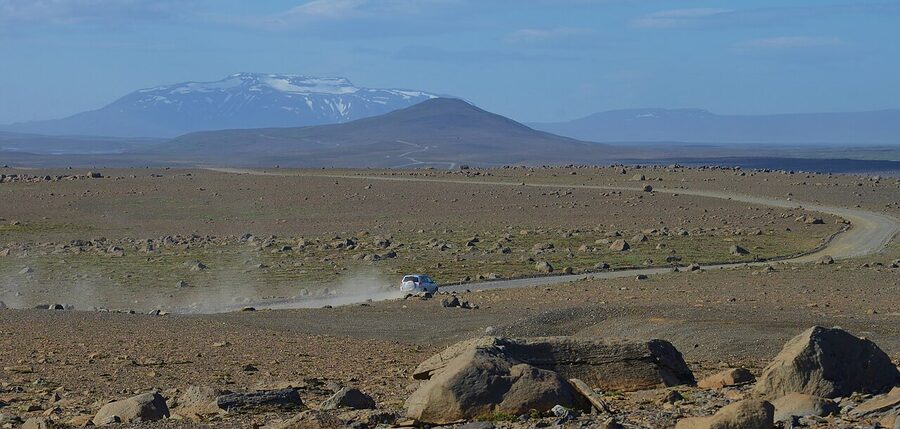
Summer in Iceland is the most accessible version of the country. You can drive almost anywhere, you can hike almost anywhere, you can boat to almost anywhere, and the daylight gives you margin for everything. It is also the most-visited, the most-photographed, and the most-priced version of the country. Both of those things are true at once.
If this is your first Iceland trip, summer is the season to come. The trade-off (crowded headlines, peak prices, no aurora) is more than offset by the access, the long days, and the open highlands. Aim for late August if your dates can flex; aim for July if they can not. Book the irreplaceable bookings four to six months out, leave the day-to-day flexible, drive your own car if you have ever driven a long road trip before, and let the country do the work.
And if it rains for two days in a row, go and sit in a swimming pool. Every town has one, the water is geothermal, the locals are in the hot pots discussing the weather, and an afternoon at Laugardalslaug or Sundhöll Reykjavíkur with the rain bouncing off the steam is one of the most quietly Icelandic things you can do. The summer is forgiving like that. Even on a bad day, the country is still a really good idea.


.jpg)
.jpg)


.jpg)


_panorama_2022.jpg)


.jpg)