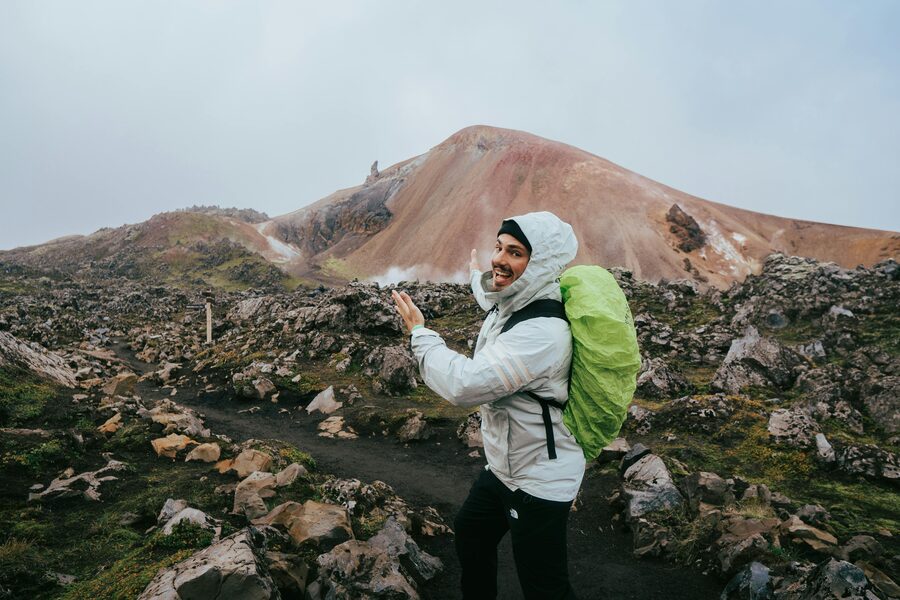
I have a niece who is sixteen, two nephews aged thirteen and seventeen, and the rotating teenage children of half my friends pass through my flat in 101 Reykjavík every summer. So I have done this trip, and watched many other families do this trip, more times than I can count. Iceland with teenagers is, in my opinion, one of the easiest age brackets you can travel with here. They walk, they sit on a boat, they put their phone down for a glacier, they pick it back up for a black-sand beach, and they post the photo before the boat is back in harbour.
This is the playbook I’d hand a friend whose kids are between thirteen and eighteen, including the high-schoolers and the just-about-uni-bound. ISK pricing throughout, named operators, real minimum ages, the bits that work, the bits that genuinely don’t, and what to do when your seventeen-year-old refuses to get out of the car at yet another waterfall. We have a separate piece for younger kids if you also have one of those in tow: Iceland with kids covers babies through about twelve.
In This Article
- Why Iceland actually works for teenagers
- When to come with teens
- The adventure question, by activity and minimum age
- Glacier hike, the headline activity
- Ice caves, winter only
- Snowmobile on a glacier
- Lava caving
- Snorkelling Silfra, my single best teen pick
- Riding an Icelandic horse
- Whale watching
- Inside the Volcano (Þríhnúkagígur)
- Surfing and stand-up paddle
- Northern Lights, the only thing you can’t promise
- The photo spots they’ll actually post
- The pools, your secret weapon
- Sky Lagoon, Forest Lagoon, and the geothermal-spa question
- Reykjavík for an evening with teens
- The food question, food halls beat formal restaurants
- Museums teens might actually like
- Day trip versus Ring Road, the hard call
- A 7-day teen itinerary
- A 10-day Ring Road snippet
- Phone, data, wifi, charging
- Safety, the boring but real bit
- 2026 festivals and events worth catching
- Family-friendly stays I’d actually book
- Booking the activities, who I send people to
- If your teen is a photographer
- What I’d skip with teens
- One last thing
Why Iceland actually works for teenagers
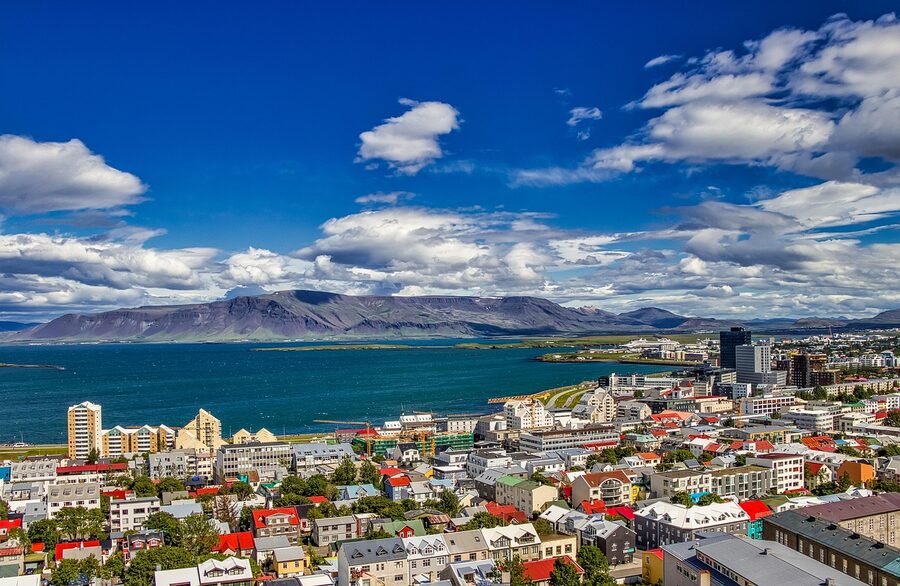
The country is small enough that a 7-day trip can fit Reykjavík, the Golden Circle, the South Coast, and a glacier without anyone losing their mind in the back seat. The longest single drive in a sensible itinerary is around four hours, and most are two. Compare that to a week trying to do southern Spain by car. Iceland is also stunning in a way that translates to a phone camera. Black sand, blue ice, green moss on a thousand-year-old lava field, the cone of Snæfellsjökull at sunset. Even the most jaded sixteen-year-old will get a few photos they actually want to post.
English is universal. Crime is about as low as it gets in the developed world, so a fourteen-year-old can walk Laugavegur (the main shopping street) with a friend for an hour while you sit at a café and you’ll both be fine. The food is unintimidating, the pools are everywhere, the wifi is everywhere, and the activities are concrete and real, not “stand here and look at the view.” A glacier hike is a glacier hike. Snorkelling between two continents at Silfra is exactly that. There’s nothing abstract for a teen to roll their eyes at.
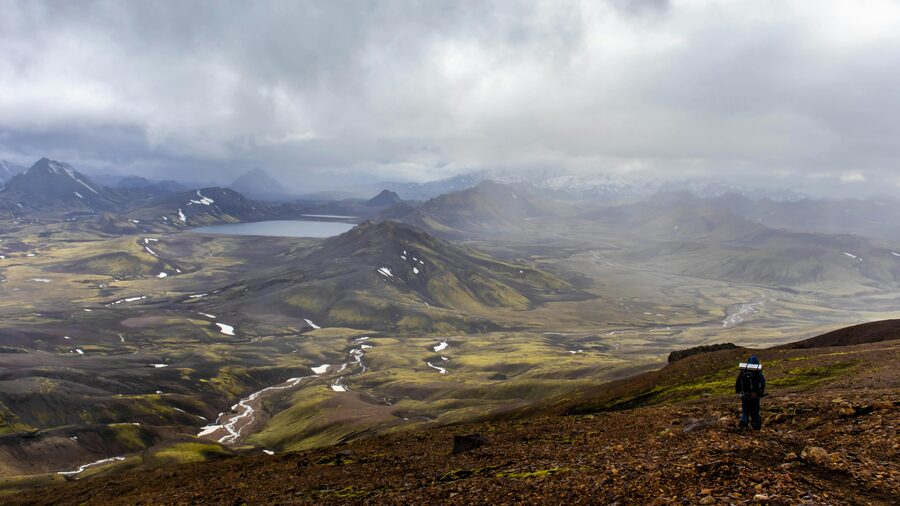
One re-set before we go further: this is not a beach holiday. It can be 5°C and raining sideways in July. The Blue Lagoon will get one good photo and then the phone goes back in the locker. If you are coming from a Mediterranean-summer mindset, the trip will fail; if you treat it as an adventure trip with hot showers and Wi-Fi, it succeeds. Pack the layers, book the activities, accept that one day in seven will probably be a write-off because of the weather, and the rest will be brilliant.
When to come with teens
June through early September is the easy answer. Eighteen to twenty-one hours of usable daylight, around 10 to 15°C, F-roads to the highlands open from late June, every day tour running. The downside of summer is that everyone else also figured this out, so book the headline activities (Inside the Volcano, Silfra, the popular ice caves on the south coast) at least four weeks ahead.
Late August into early September is my favourite window with teens. School is back in some countries and Iceland gets quieter, days are still long enough for a 10pm sunset, the aurora season starts again from late August so on a clear night you might catch it, and prices ease. We have a full piece on Iceland in September if you can pull the kids out of class.
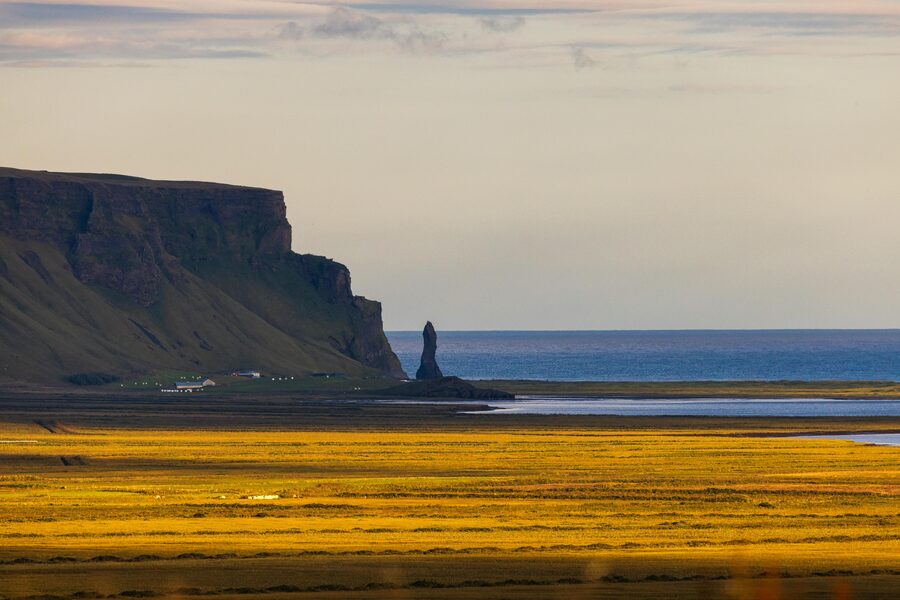
Winter (November to early March) works with older teens who actually want the Northern Lights, ice caves, and a snowmobile. With a thirteen-year-old who would rather be at the pool you’ll struggle. The aurora is never guaranteed, the days are four to six hours of usable light, and roads close. If you go in winter, build in slack and use the vedur.is aurora forecast daily. Full pieces on Iceland in winter and Iceland in summer cover the seasonal call in detail.
The adventure question, by activity and minimum age
This is the bit you actually came here for. Teens want activities they can post about, not “we drove to a viewpoint.” Here is what’s bookable, what the real minimum age is at the main operators, and what to expect.
Glacier hike, the headline activity
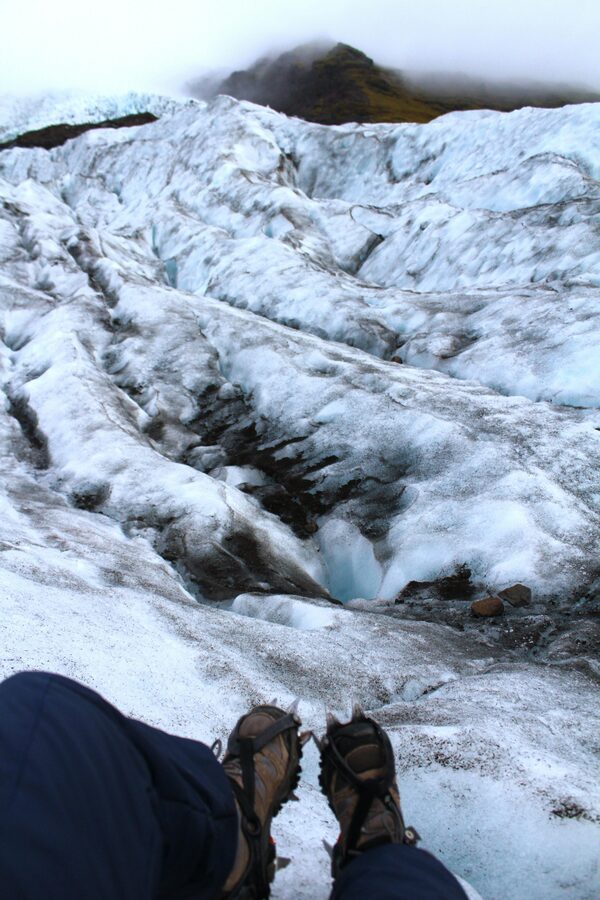
If you book one adventure, make it this. Crampons on, ice axe in hand, walking on a 1,000-year-old glacier with a guide. Photos are unreal. Effort level is moderate. Even reluctant teens enjoy it because the scale is genuinely impressive in a way that stops being abstract once they’re standing on the ice.
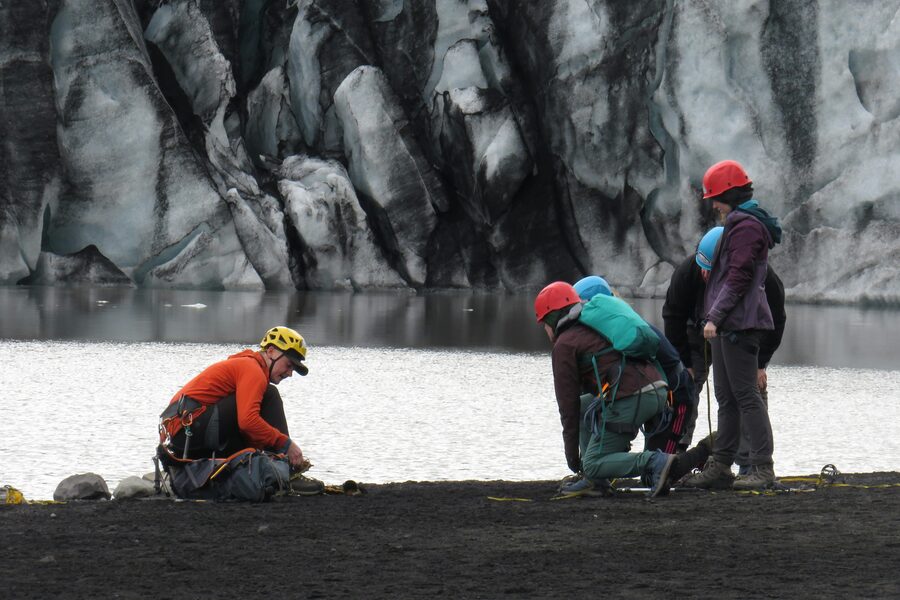
Minimum age: the standard easy glacier hike at Sólheimajökull (south coast, 2 hours from Reykjavík) and the Glacier Wonders trip at Skaftafell run with a minimum age of 8 with Arctic Adventures. The longer Glacier Explorer trip raises the minimum to 14. Glacier Guides at Skaftafell run a similar split. Worth knowing: crampons aren’t made smaller than EU shoe size 35, so check your kid’s foot size against that before booking. Most teens will be fine.
Operators worth your money: Arctic Adventures (adventures.is) and Mountain Guides (mountainguides.is) are the two I send people to. Glacier Guides (glacierguides.is) at Skaftafell are also excellent. Tröll Expeditions (troll.is) run from Vík and do the Katla ice cave / glacier combo well. Plain prices: a 3-hour Sólheimajökull hike runs around 14,000 to 18,000 ISK adult, slightly less for under-18s. Skaftafell tours are 14,000 to 22,000 ISK depending on length. Our full piece on the Iceland glacier hike goes deeper.
Ice caves, winter only
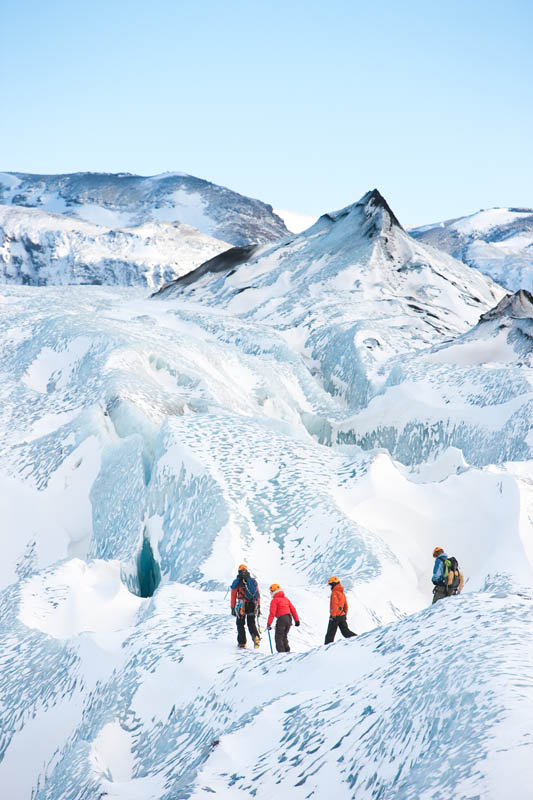
From November through March, Iceland’s blue ice caves open for tours. The Crystal Cave under Vatnajökull (south-east) is the famous one. The Katla ice cave from Vík can be visited a bit longer (sometimes into May). Both involve a super jeep ride and a short walk on the glacier in crampons.
Minimum age: the Katla ice cave tour with Arctic Adventures runs from age 8 in winter and from age 6 in summer (the lava-tunnel version of the cave). The Crystal Cave at Vatnajökull is more variable; most operators set the floor at 8, some at 10. Tröll Expeditions’ classic Katla tour from Vík starts at 6. Always check the specific tour at booking, and bring proper boots, not trainers. Full piece on Iceland ice caves with the operator comparison.
Snowmobile on a glacier
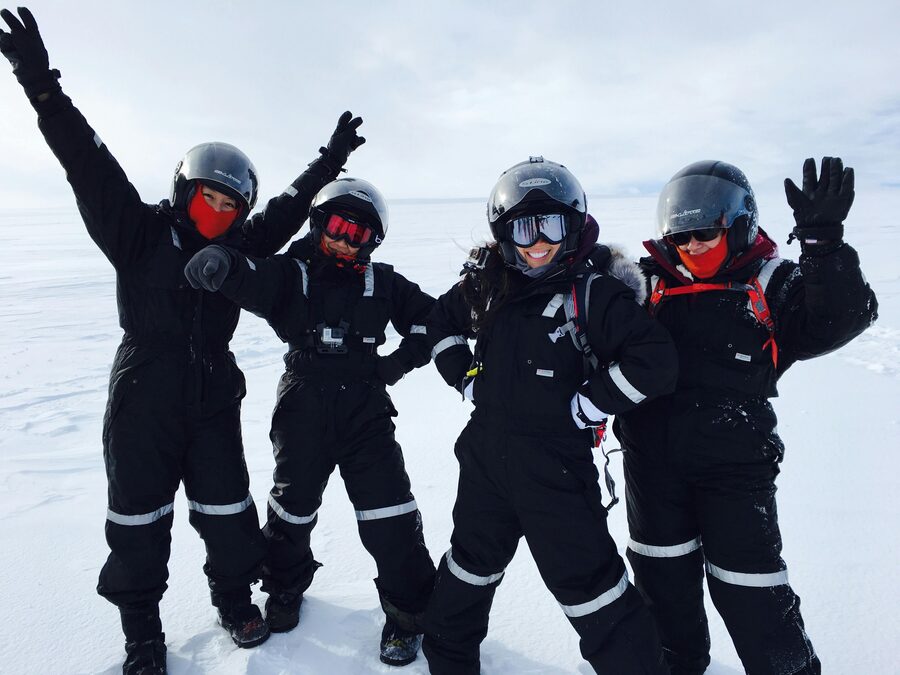
Year-round on Langjökull (the second-largest glacier, easy access from the Golden Circle). One person drives, one rides pillion. The driver minimum is 18 with a valid licence at most operators (some accept 17). Passenger minimum varies, with most operators running from age 8 and Mountaineers of Iceland (mountaineers.is) accepting passengers from 6. So a 14-year-old can ride pillion behind a parent; a 17-year-old usually rides their own machine if the operator allows. Around 30,000 to 38,000 ISK per person for a 1-hour ride after the super jeep transfer. Full piece on snowmobile tours in Iceland.
Lava caving
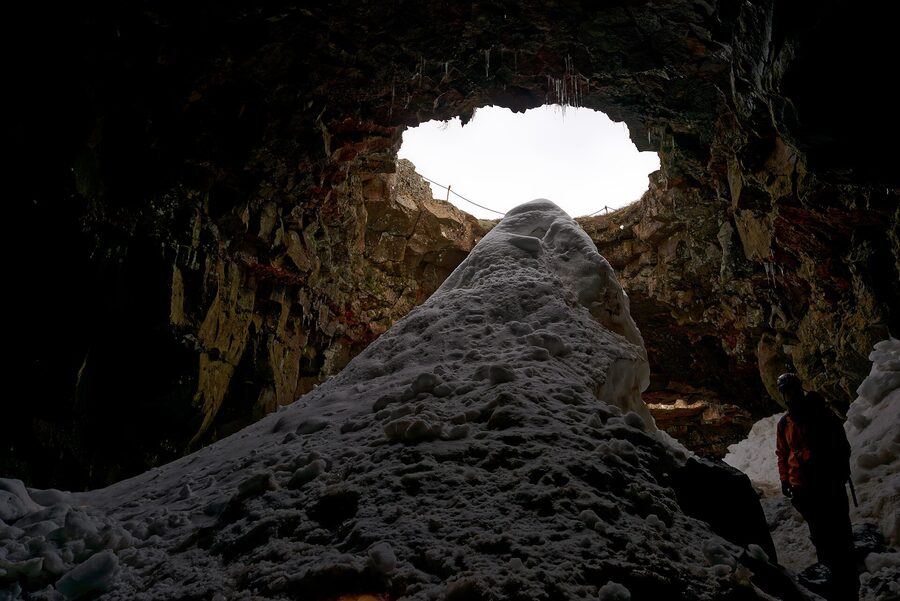
The lava tubes are one of the easiest, cheapest adventure activities in Iceland and they work for every age in this bracket. Raufarhólshellir, just 30 minutes from Reykjavík, is the headline tube. Easy walk on a developed path, no crawling, helmets and torches provided. Minimum age varies by operator: the official Raufarhólshellir tour runs from age 3, Arctic Adventures’ express version sets a higher floor. Around 7,000 to 9,000 ISK per person for the standard 1-hour tour.
Víðgelmir in west Iceland is a longer, more impressive tube but a 2-hour drive from Reykjavík. Leiðarendi south of the city is the more adventurous option (some scrambling, harder for under-10s). For a Reykjavík-based teen trip, Raufarhólshellir is the right pick.
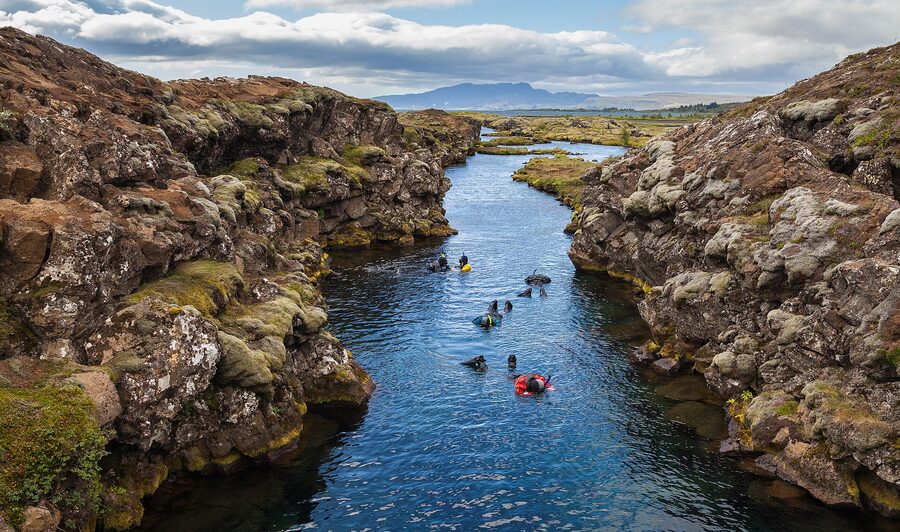
Snorkelling Silfra, my single best teen pick
If your teen is twelve or older, comfortable in water, and at least 150 cm tall and 45 kg, book Silfra. It is dry-suit snorkelling between the North American and Eurasian tectonic plates at Þingvellir, in glacial water so clear the visibility is over 100 metres. The water is 2 to 4°C all year. The dry suit keeps you warm; only your face is in the water. The actual swim is 30 to 40 minutes, the whole experience including kit and brief is 2 to 3 hours.
Minimum age: 12 at every operator, and the participant must be able to swim. They will sign a waiver. Operators: DIVE.IS and Arctic Adventures are the two I rate. Around 22,000 to 28,000 ISK per person from Þingvellir, more with Reykjavík pickup. Diving Silfra is 18+ and requires a dry-suit cert; for a family it’s snorkel only. Full piece on Silfra snorkelling.
Riding an Icelandic horse
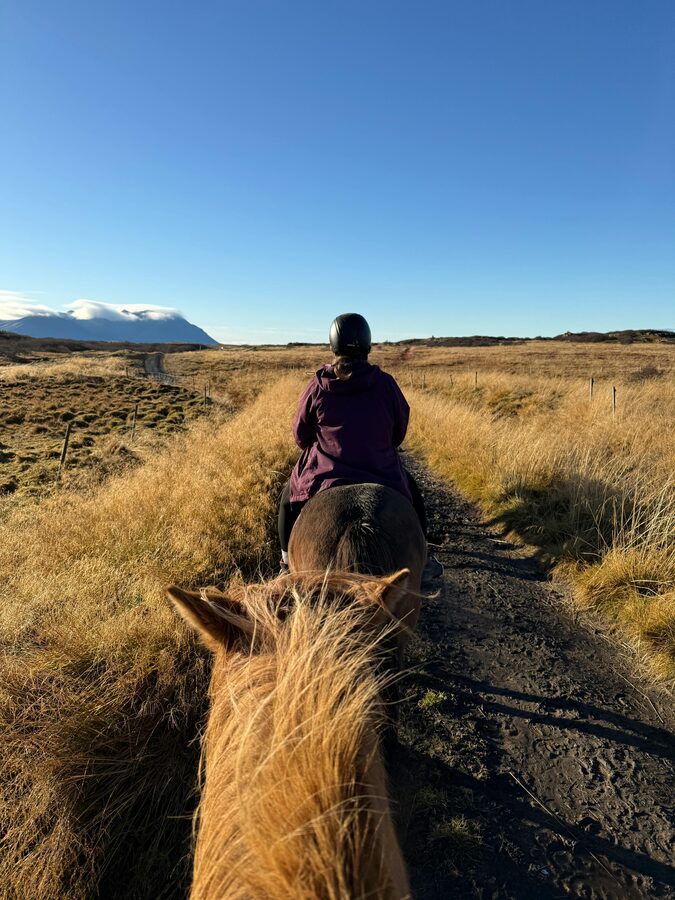
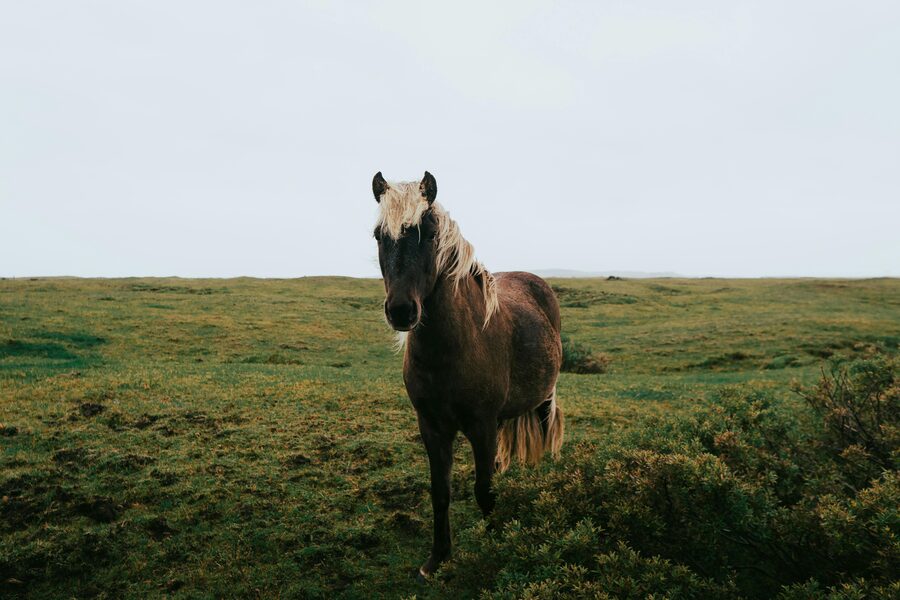
The Icelandic horse is small, sturdy, and a separate breed kept genetically isolated since the Viking Age. Once an Icelandic horse leaves the country, it cannot return. They have a fifth gait called the tölt, which is the smooth one teens always remember. A 1-hour beginner ride near Reykjavík is the right starting point.
Operators: Íshestar in Hafnarfjörður and Eldhestar in Hveragerði. Íshestar’s beginner tours run from age 7 (with conditions), and they put under-12s with no riding experience in a slower group. For a 14-year-old who has never ridden, this works well. Around 16,000 to 22,000 ISK for the 1-hour beginner package, 24,000 to 32,000 ISK for the 2-hour version with bigger landscapes.
Whale watching
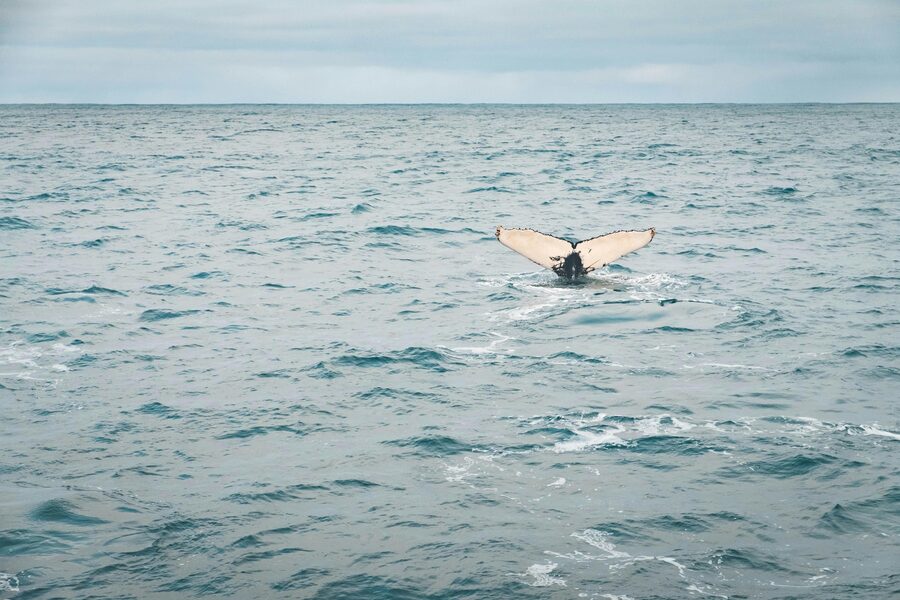
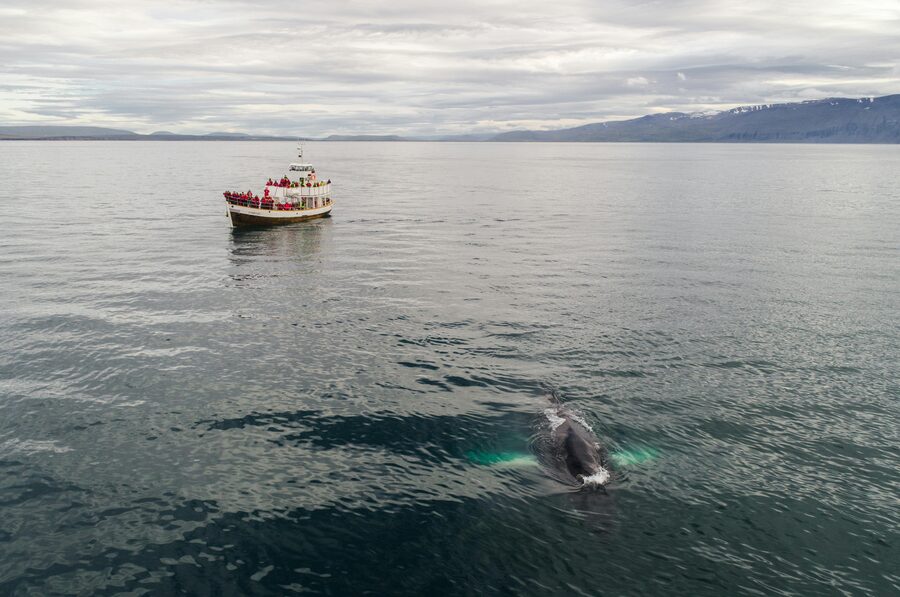
From Reykjavík, the standard 3-hour boat trip with Elding from the Old Harbour is the right call for any teen who hasn’t been on a whale boat before. May to October sighting rates are around 80 to 95% on this route. Around 13,000 ISK adult, 6,500 ISK for under-18s, free under 7. Bring a warm hat regardless of the temperature on land. Boats are open-deck and indoor cabin so a teen who gets cold can step inside and watch through the windows.
If you make it to Húsavík in the north, the sighting rate jumps to 95 to 99% and you’ll often see multiple humpbacks feeding, sometimes blue whales. North Sailing and Gentle Giants are both excellent. North Sailing offers a no-whale rebooking guarantee. Full guide at whale watching in Iceland.
Inside the Volcano (Þríhnúkagígur)
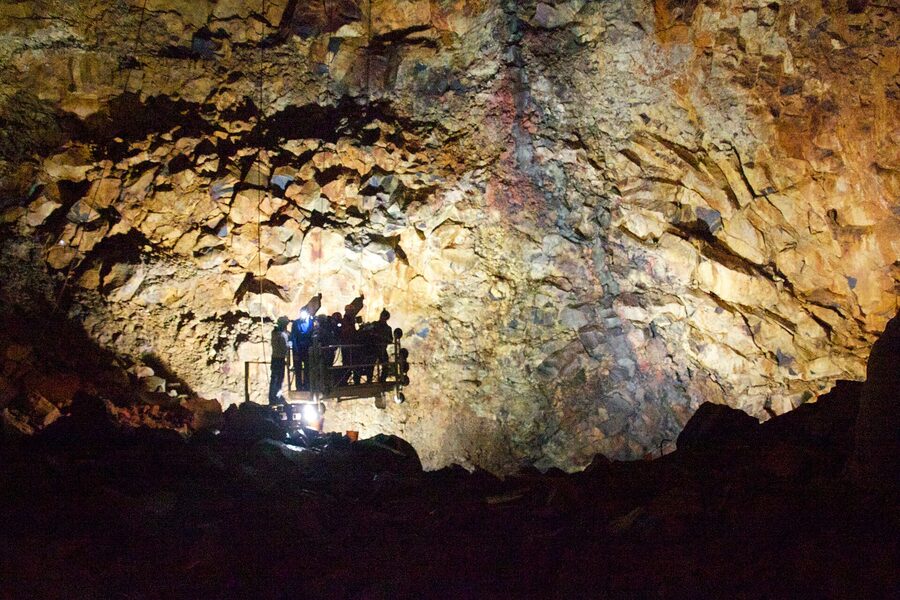
Only Iceland lets you ride a window-cleaning lift 120 metres straight down into the magma chamber of a dormant volcano. Inside the Volcano is the only operator. May to October only, weather-dependent, around 53,000 ISK per person. Yes that’s expensive. It’s also a once-on-the-planet thing, so if your teen can stomach the descent it’s worth the money.
Minimum age: the operator’s stated floor is 12 at most booking partners, with some routes accepting from 10 if the kid can handle the 3 km hike each way to base camp. Closed-toe boots required. Anyone with a fear of confined spaces should pass.
Surfing and stand-up paddle
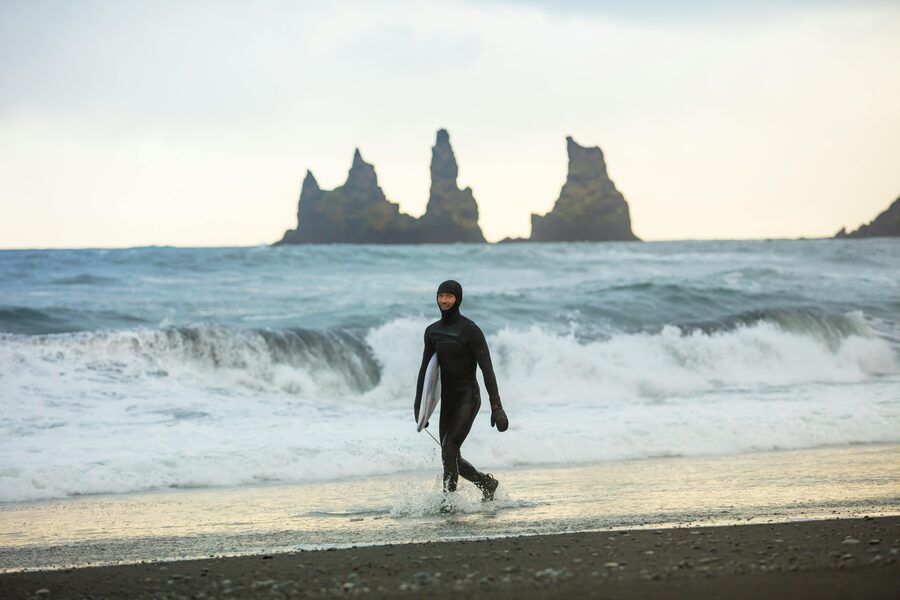
Iceland is not Hawaii. But for a sufficiently keen teen, surfing here is a real bragging-rights story. The main beginner spot is Sandvík on the Reykjanes Peninsula (45 minutes from Reykjavík); the better break is Þorlákshöfn an hour east. Wetsuits are 6 mm thick and supplied. Adventure Vikings and Arctic Surfers run lessons from around 23,000 ISK including kit. Best from June to August.
SUP is the gentler version on Lake Elliðavatn or Álftavatn, both near Reykjavík. Most beginners are upright after about 15 minutes. Around 12,000 to 16,000 ISK for a 90-minute lesson. The Laugarvatn Fontana spa on the Golden Circle reopens with expanded geothermal facilities in June 2026, which makes a SUP-then-soak day on Laugarvatn lake possible.
Northern Lights, the only thing you can’t promise
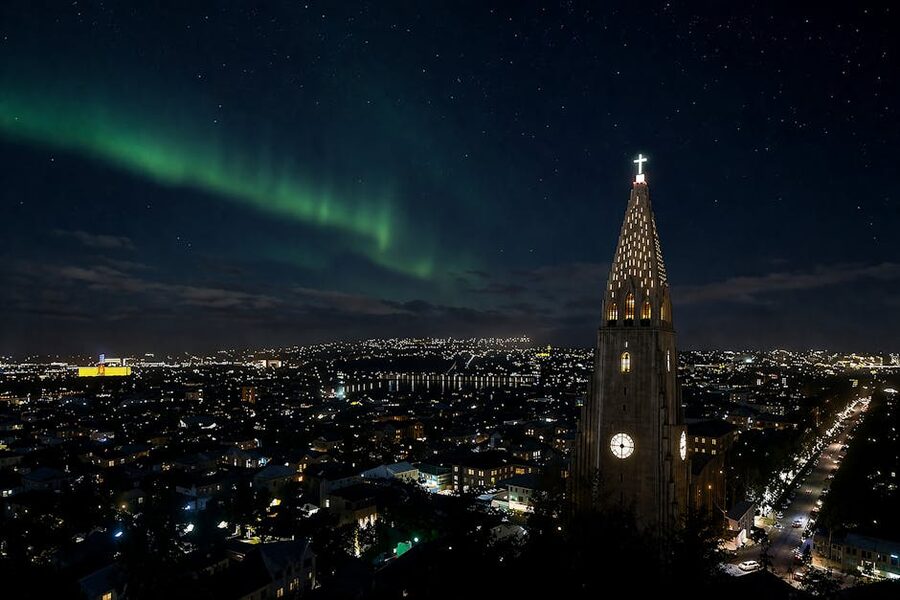
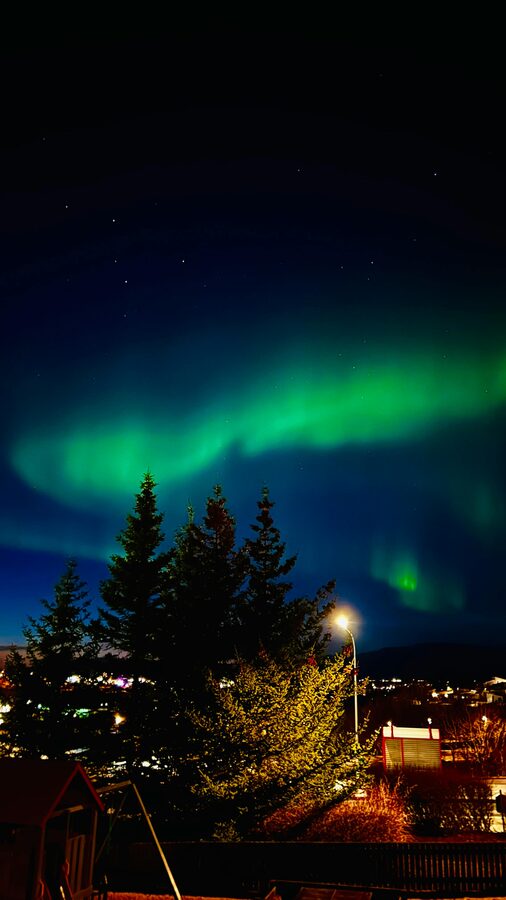
The aurora is the one activity I refuse to oversell. From late August through early April, on a clear night with a high enough KP index, you can see them. From May to mid-August it’s never dark enough. Watch the vedur.is aurora forecast for the cloud cover map and the KP number. Most aurora bus tours run with a free rebooking guarantee if you don’t see them on the first attempt; that’s a real promise worth taking.
Operators worth using: Reykjavík Excursions, Gray Line, and the smaller Hidden Iceland (hiddeniceland.is) for a more guided experience. Around 8,000 to 14,000 ISK per person for the bus tour, more for super jeep. Most have no minimum age, though late nights with a 13-year-old can backfire after night two. See our Northern Lights guide and the practical aurora forecast guide.
The photo spots they’ll actually post
Forget the obscure waterfalls. Plan around the half-dozen places that survive a phone screen. None of these are secret, all of them earn the visit.
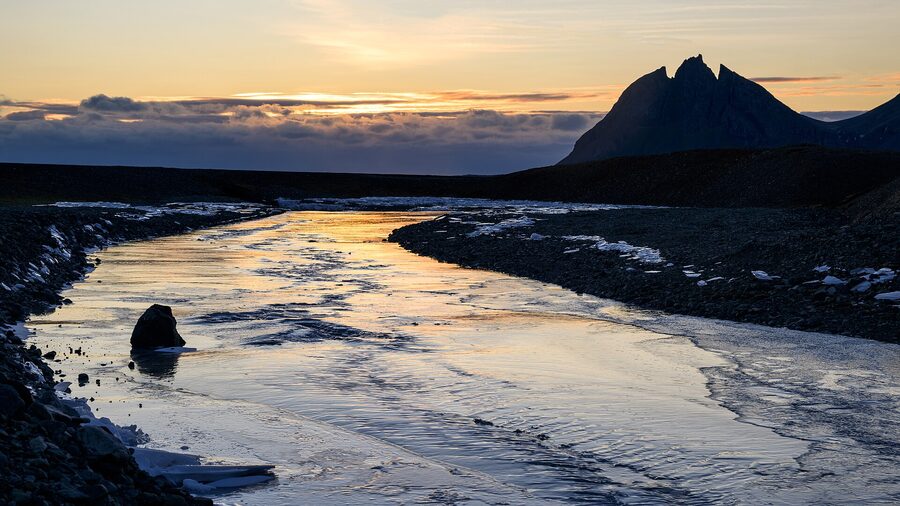
- Vestrahorn near Höfn in the south-east. Black sand, dunes, and a saw-toothed mountain. The drone-style shots all come from here. Crosses on private land, small fee at the Viking Café (around 1,000 ISK).
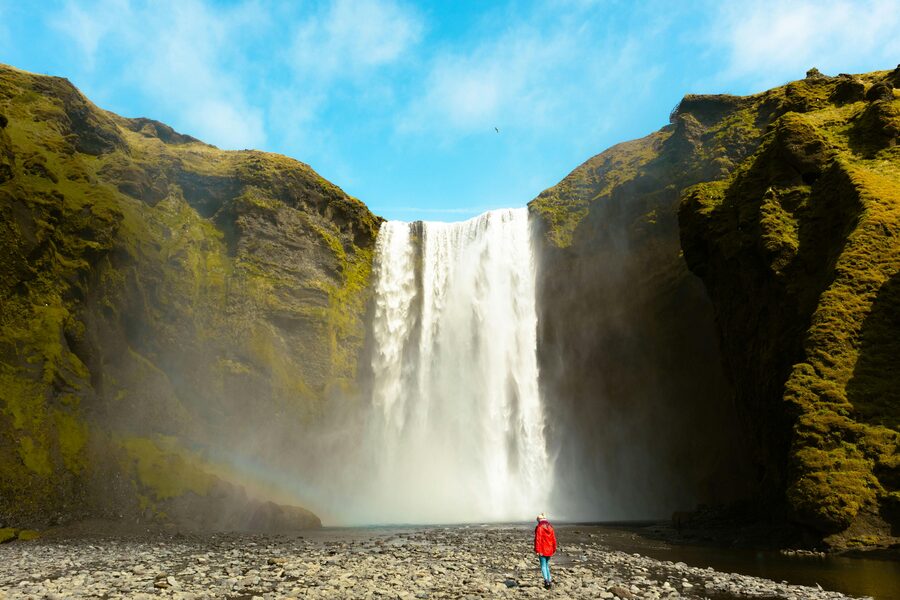
- Skógafoss on the south coast. The 60-metre waterfall every Iceland Reel uses. Climb the 527 steps for the top view; teens will complain on step 200, do it anyway.
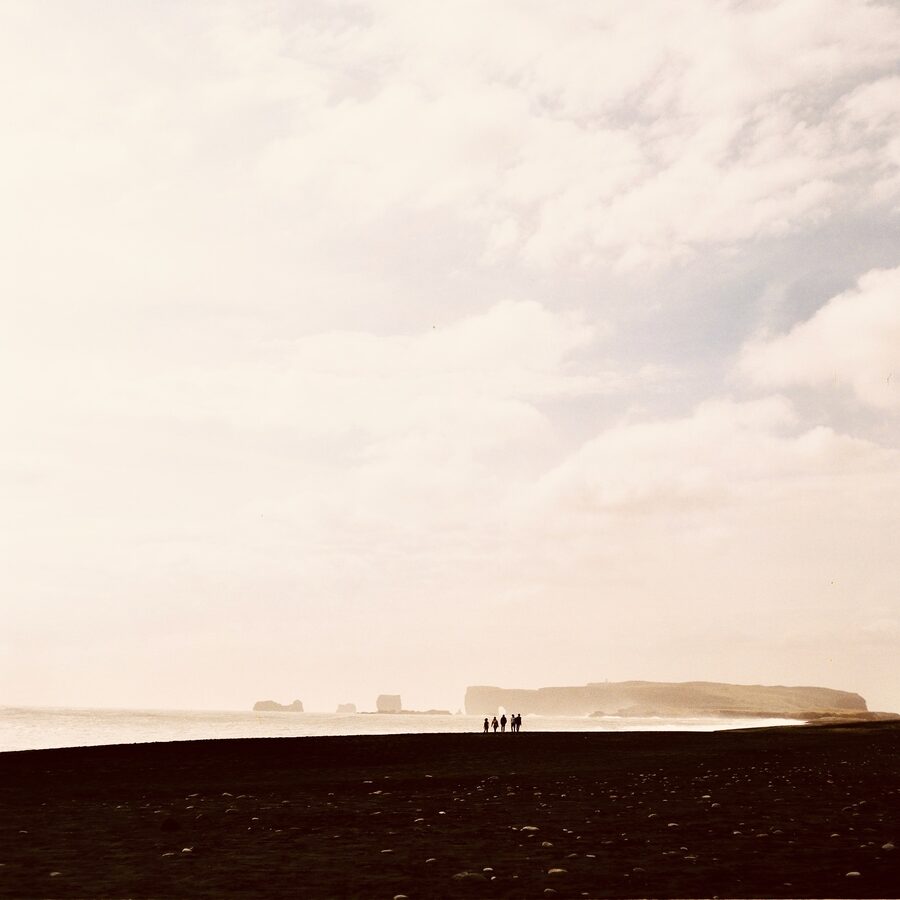
- Reynisfjara the black sand beach with basalt columns. Photograph from the dry sand, never the waterline. Two warning signs and a colour-coded yellow / red light system installed by the road authority signal sneaker-wave risk; when red is on, do not enter the red zone. People die here. Bring teens, take the photo, walk back up. safetravel.is/blackbeach-safety has the full briefing, read it before you go.
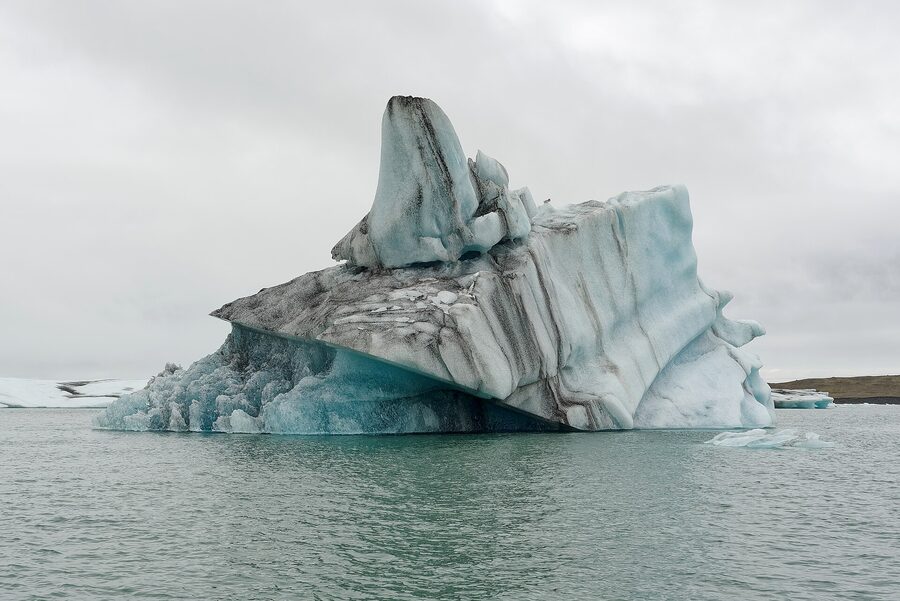
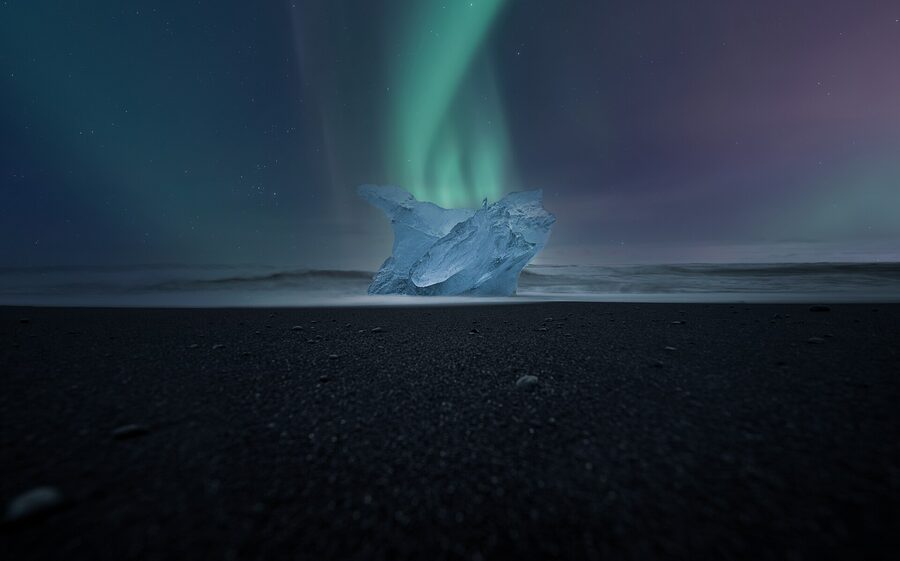
- Jökulsárlón glacier lagoon and the adjacent Diamond Beach. Icebergs in a lagoon, ice chunks washed up on black sand. Most photogenic spot in the country.
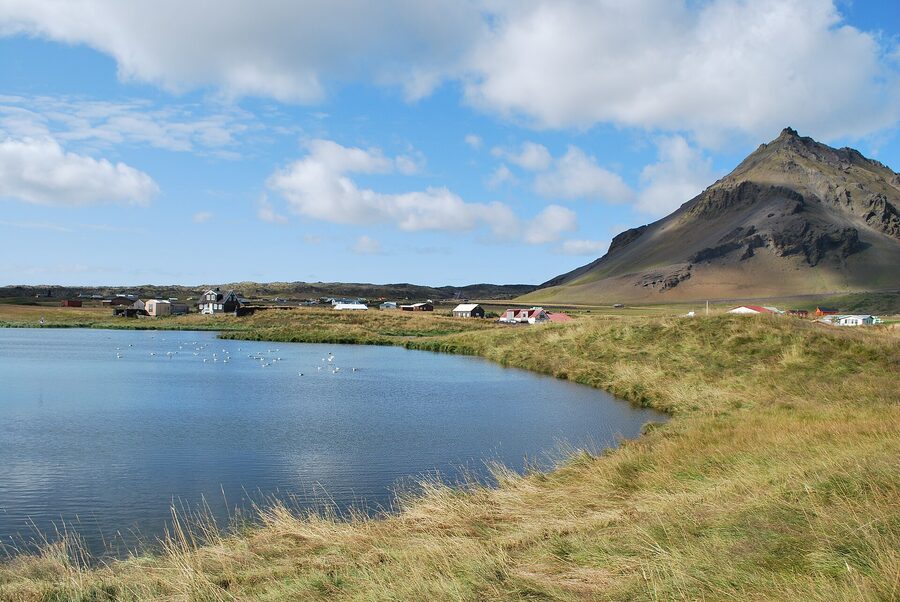
- Arnarstapi on the Snæfellsnes Peninsula. Sea cliffs and the natural arch of Gatklettur. A 2-hour drive from Reykjavík and worth the day trip.
- Hallgrímskirkja in Reykjavík. The expressionist church tower, 75 metres tall. Pay 1,400 ISK to ride the lift to the top for a 360° view of the city; teens take the same photo every other tourist takes, and it still looks great.
- Sun Voyager on the Reykjavík harbour. The skeletal-Viking-ship sculpture by Jón Gunnar Árnason. Best at midnight in summer or sunset in winter.
The pools, your secret weapon
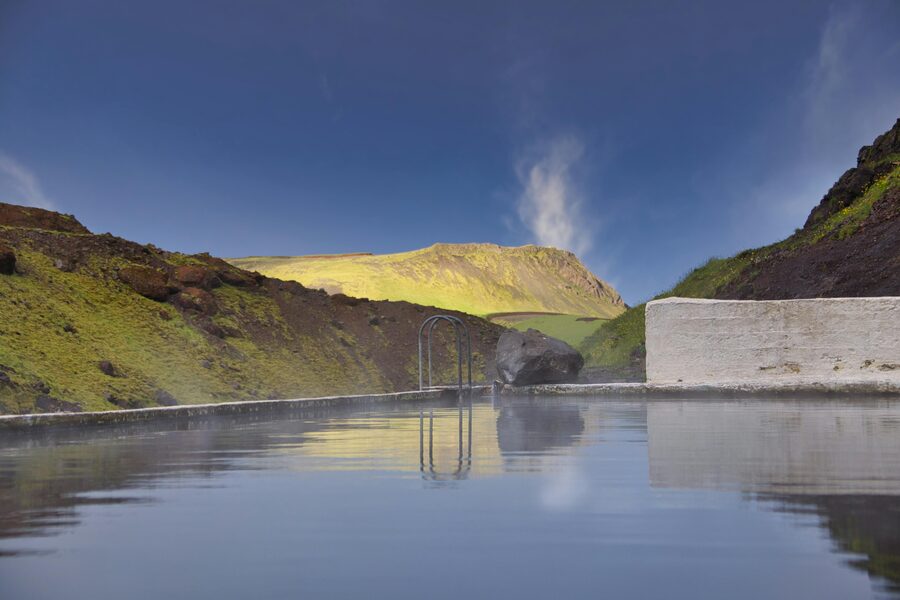
Every Icelandic town has a public geothermal pool. They are not tourist attractions, they are where actual Icelandic families spend their evenings. If you build one pool visit a day into the trip, your teens will leave with a stronger memory of the country than they will of any single activity.
The format is the same everywhere: outdoor lap pool around 28°C, a row of heitir pottar (hot pots) at 38, 40, and 42°C, sometimes a steam room and a cold plunge. Adult entry to a Reykjavík city pool is around 1,430 ISK; teens 16 to 17 only 220 ISK; under 16 free. A family of four is doing this for under 4,000 ISK. By Iceland prices, that’s almost nothing.
The Icelandic shower rule. You shower naked, with soap, before getting in the pool. Yes, in front of staff. Yes, in front of strangers. The first time it’s awkward. The second time it’s normal. By the end of the trip your teen will think the rest of the world is gross for showering with swimsuits on. Take the win.
Reykjavík picks for teens specifically:
- Laugardalslaug, Sundlaugavegur 30. The biggest pool in Iceland. An 86-metre water slide, a smaller kids’ slide, four hot pots, a saltwater pot, a steam room, a 50-metre outdoor lap pool. Open Mon to Fri 06:30 to 22:00, Sat to Sun 08:00 to 21:00. This is the one. Teens love it.
- Sundhöllin, Barónsstígur. The downtown art-deco pool. Indoor lap pool plus outdoor hot pots and a small kids’ pool. Use this if you’re staying in 101 and don’t want to bus to Laugardalur.
- Lágafellslaug in Mosfellsbær, 20 minutes east. The biggest slide complex in the capital area. Worth the bus ride if your teens are slide-obsessed.
- Árbæjarlaug east of downtown. Two slides, less crowded than Laugardalslaug. Locals use this one heavily.
Outside Reykjavík, two destination pools are worth a detour. Hofsós in the north has an infinity-edge pool looking across Skagafjörður toward the island of Drangey. Krossneslaug in the Westfjords sits 3 metres from the Arctic Ocean on a black-pebble beach. Both are too far for a Reykjavík day trip; if you’re already in the region, give them an hour.
Sky Lagoon, Forest Lagoon, and the geothermal-spa question
Iceland has built a generation of luxury geothermal lagoons in the last few years and they’re all marketed at adult couples. With teenagers the calculation is different.
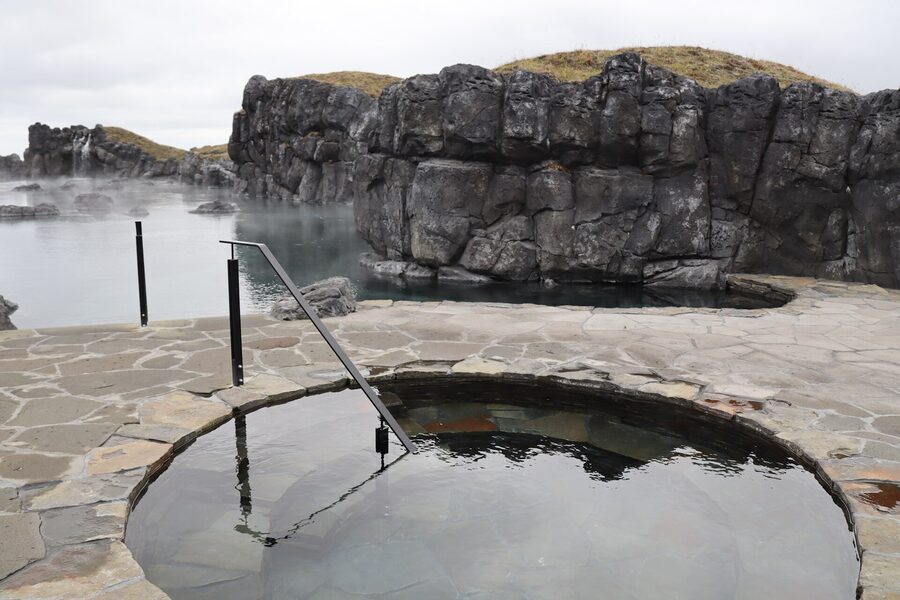
Sky Lagoon in Kópavogur, a 15-minute drive from Reykjavík: minimum age 12, youth pricing for 12 to 14, must be with an adult. The 7-step Skjól ritual (sauna, mist, body scrub, steam, cold plunge) is what you’re paying for and teens 14 and up genuinely enjoy the circuit. Around 13,000 ISK for the basic pass, 15,000 for the ritual. Teens under 12 are not admitted.
Blue Lagoon on the Reykjanes Peninsula: minimum age 2, no upper. The most photographed pool in Iceland, but with teens the Sky Lagoon is the better experience and the locals’ pools are better still. Blue Lagoon is fine for one good photo on the way to or from the airport. See our full Blue Lagoon guide for the booking detail.
Forest Lagoon in Akureyri: no age minimum, but under-12s can’t enter after 8pm. Two infinity pools, sauna, cold plunge, on-site restaurant. Teens love it. Pair it with the Akureyri guide if you’re heading north.
For more on the wider scene see our piece on hot springs in Iceland.
Reykjavík for an evening with teens
Most of central Reykjavík is walkable in a long evening. Start at Hallgrímskirkja, walk down Skólavörðustígur (the rainbow street, painted permanently in 2019), drift onto Laugavegur (the main shopping street), eat at a food hall, end at the harbour. That’s the plan.

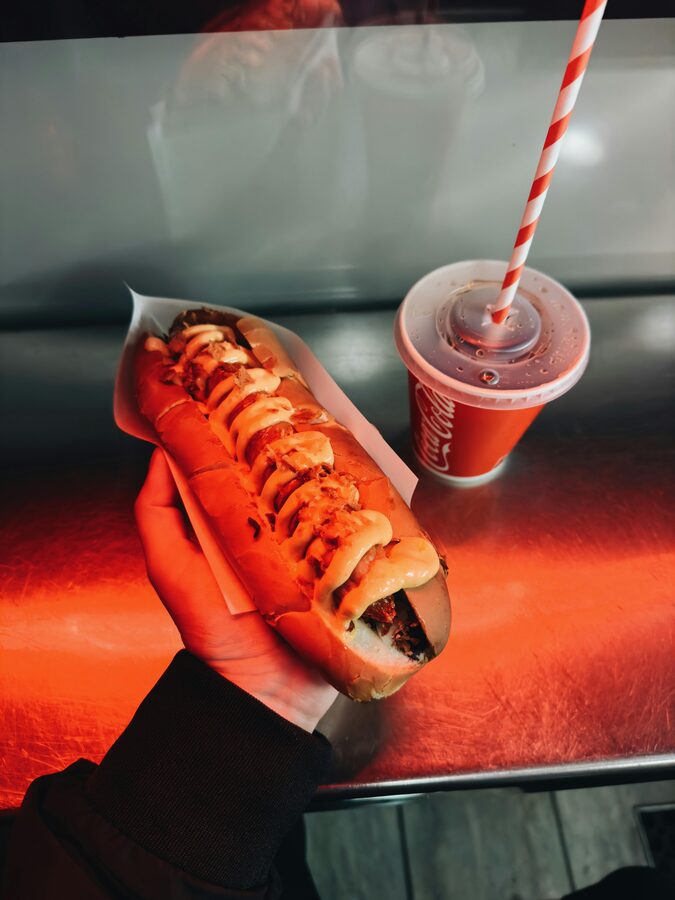
Bæjarins Beztu Pylsur is the red hot dog stand by the harbour that’s been there since 1937. Bill Clinton ate one. Order it eina með öllu (“one with everything”): mustard, remoulade, ketchup, raw onion, fried onion. Around 700 ISK. The teens will roll their eyes at you queuing for a hot dog. They will also order seconds.
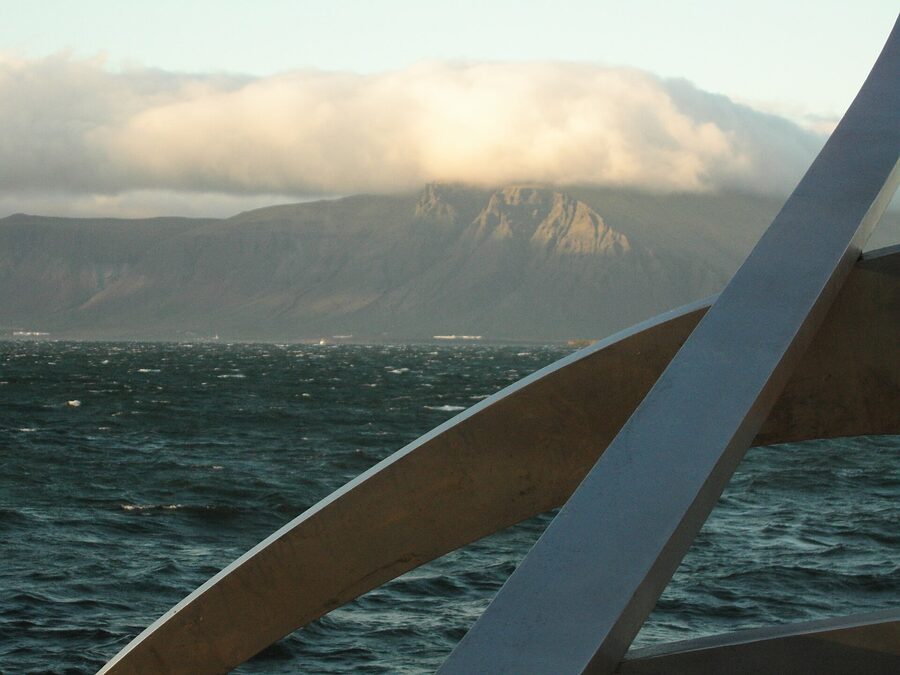
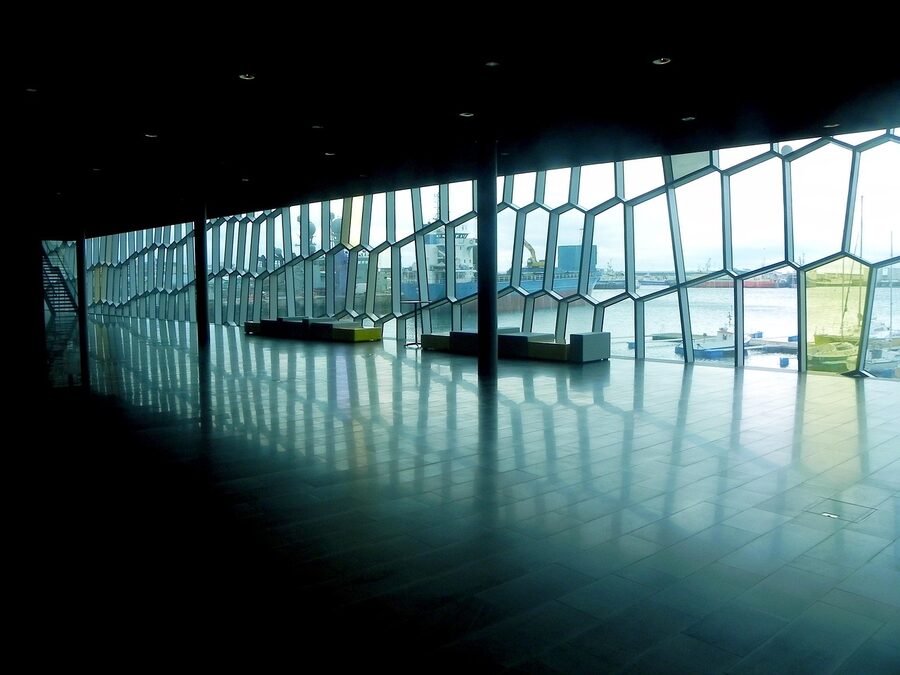
Sun Voyager at the harbour is a 5-minute walk from the hot dog. Harpa, the basalt-glass concert hall, is another 10 minutes east; the lobby is open to the public and the staircase photographs beautifully. End the walk at the Old Harbour at Grandi for ice cream at Valdís (try the licorice flavour at least once) or fish and chips at Reykjavík Fish.
The food question, food halls beat formal restaurants
Iceland is expensive at sit-down restaurants. With teens, the food halls are the answer. Three actually good ones in Reykjavík:
- Hlemmur Mathöll, top of Laugavegur. Iceland’s first proper food hall, opened 2017 in a converted bus station. Indonesian, Korean, Indian, Nepalese, Mexican, pizza, Icelandic. Open daily 11:00 to 23:00. The fish-and-chips at Skál has been the teenage repeat order in my flat for three summers running.
- Pósthús Food Hall & Bar, Pósthússtræti, in the old downtown post office building (1910s). Won Reykjavík Grapevine’s Best Food Hall in 2024. Stronger cocktails for parents, decent burgers for teens.
- Grandi Mathöll, in the harbour-side Grandi neighbourhood. Converted fish factory. More Icelandic-leaning food. Quieter than Hlemmur. Good if you want a sit-down version of the food-hall experience.
Outside the food halls: Hraðlestin for Indian, Mama for vegetarian, Lemon for fresh-pressed juice and sandwiches. For something the parents enjoy too, Matur og Drykkur at the Saga Museum building does a modern Icelandic menu in a price bracket that hurts but won’t sting.
And yes, the Icelandic gas-station hot dog is real. N1 stations on Route 1 do them for around 700 ISK with the same toppings as Bæjarins Beztu. Teens will request one as a road-trip staple by day three. For the full picture see what to eat in Iceland.
Museums teens might actually like
Skip most of the museums. These are the four worth your time:
- Perlan on Öskjuhlíð hill. The glass-domed Wonders of Iceland exhibition has a 100-metre real ice cave kept at -10°C, a planetarium with an aurora film, and a 360° viewing deck. Adult 5,990 ISK, youth 6 to 17 around 3,490 ISK. Two hours easily.
- Whales of Iceland on the Old Harbour at Grandi. Life-size replicas of every whale species in Icelandic waters, including a 25-metre blue whale you can walk under. Around 3,800 ISK adult.
- Lava Centre in Hvolsvöllur, a stop on the way south to Vík. Volcanology done as a proper exhibition with shaking floors and lava-flow simulations. Around 3,200 ISK adult.
- Aurora Reykjavík on the Old Harbour. Small but well done; the dome film is the highlight on a cloudy night when the actual aurora isn’t cooperating. Around 2,200 ISK adult.
Skip the Phallological Museum (yes, it exists; yes, you’ll spend the whole visit answering questions). The Punk Museum in a former public toilet is fun for older teens with specific musical taste, baffling otherwise. The Icelandic Punk Museum and the Museum of Witchcraft are both more enjoyable for adults.
Day trip versus Ring Road, the hard call
Five days in Iceland with teens: don’t try the Ring Road. You’ll spend the whole trip in the car. Base in Reykjavík, do day tours.
Seven to ten days: a south-coast loop is the right shape. Reykjavík for two nights, Vík or Hella for one or two, Höfn for one (so you reach Jökulsárlón), back to Reykjavík for one. That’s the high-impact route with the headline activities.
Twelve days or more: the full Ring Road works. Add Akureyri, Mývatn, the East Fjords. Teens with a tolerance for long-form drives reward you on this one.
A 7-day teen itinerary
This is the loop I send people to first. Reykjavík plus Golden Circle plus South Coast plus a glacier. Built for teens 13 to 18, with a margin for one weather day.
Day 1: Reykjavík. Land at Keflavík, drive to Reykjavík (50 minutes), check in. Walk Hallgrímskirkja, Skólavörðustígur, Laugavegur, Sun Voyager, Harpa. Hot dog at Bæjarins Beztu. Dinner at Hlemmur Mathöll. Sleep.
Day 2: Reykjavík. Whale watching from the Old Harbour with Elding (3 hours, morning). Lunch at Grandi Mathöll. Afternoon at Perlan or Whales of Iceland. Evening pool session at Laugardalslaug.
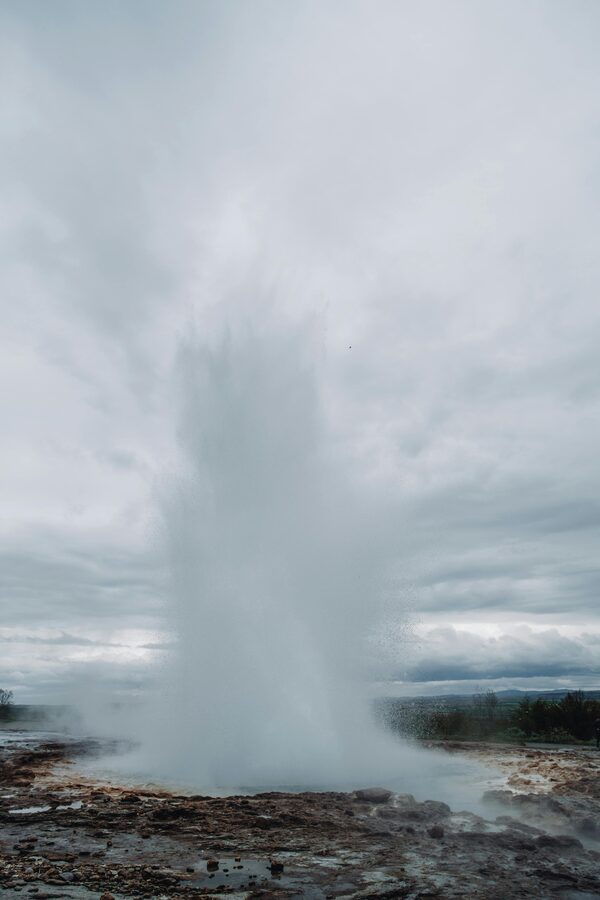
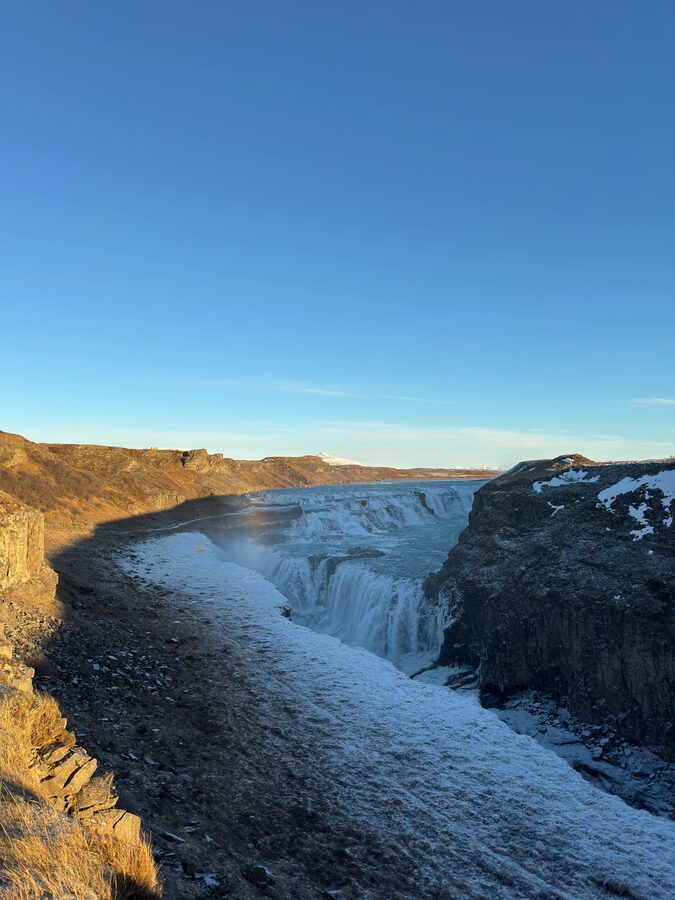
Day 3: Golden Circle plus Silfra. Drive Reykjavík to Þingvellir (45 min). Snorkel Silfra (book the 11am or 1pm slot). Continue to Geysir, Gullfoss, Kerið crater. Sleep in Selfoss or Hvolsvöllur. Full piece on the Golden Circle.
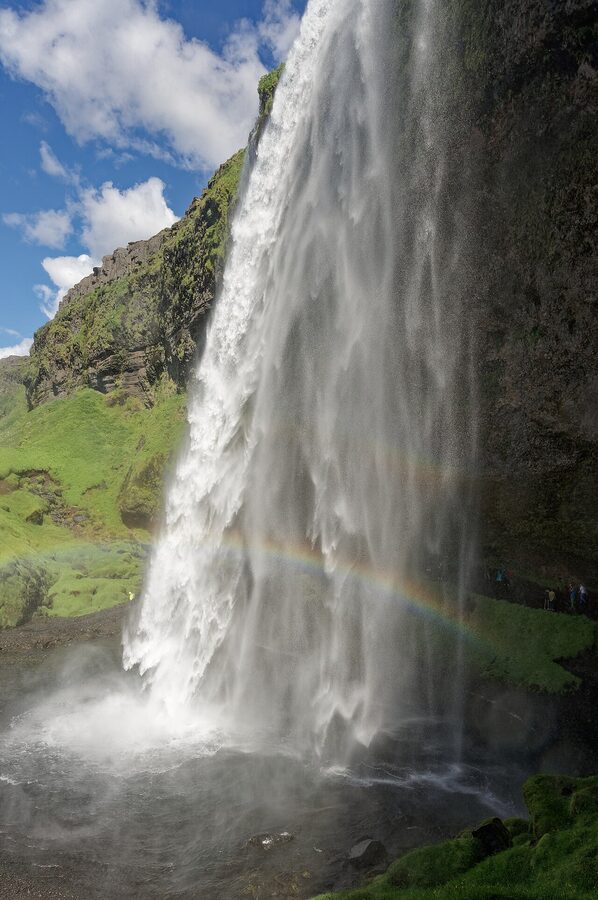
Day 4: South Coast to Vík. Skógafoss, Seljalandsfoss (the one you can walk behind), Reynisfjara (heed the warning lights), Dyrhólaey. Sleep in Vík. South Coast guide covers the stops in order.
Day 5: Glacier hike at Sólheimajökull or Skaftafell, plus Jökulsárlón. Morning glacier hike with Arctic Adventures or Glacier Guides. Afternoon at Jökulsárlón and Diamond Beach. Sleep at Höfn or Fosshotel Glacier Lagoon.
Day 6: Drive back west. Vestrahorn (1 hour east of Höfn for the photo, then back), then back to Vík or Selfoss for the night. Optional: Lava Centre at Hvolsvöllur on the way back.
Day 7: Reykjavík. Sky Lagoon in the morning. Lunch downtown. Last shopping run on Laugavegur. Drive to Keflavík.
A 10-day Ring Road snippet
If you have ten days and a teen tolerance for car travel, do the full loop. Days 1 to 6 as above. Then:
Day 7: East Fjords. Höfn to Egilsstaðir, around 4 hours. Stop at Vestrahorn and Stokksnes early. Dinner in Egilsstaðir.
Day 8: Mývatn. Egilsstaðir to Mývatn, 2.5 hours. Hverir mud pots, Dimmuborgir lava field, Mývatn Nature Baths in the evening. Sleep at Mývatn.
Day 9: Húsavík and Akureyri. Whale watching at Húsavík with North Sailing or Gentle Giants (sighting rate 95 to 99% in summer), then Akureyri. Forest Lagoon in the evening.
Day 10: Akureyri to Reykjavík. 5 hours through the north and west. Stop at Borgarnes for lunch. Reykjavík evening, fly out next morning.
Add another two days and you can fit in Snæfellsnes (Arnarstapi, Kirkjufell, Djúpalónssandur) on the way back from Akureyri.
Phone, data, wifi, charging
Iceland’s three networks (Síminn, Vodafone, Nova) all have strong coverage on Route 1 and around the populated coast. Coverage drops in the highlands and parts of the Westfjords. For a 7 to 14 day trip, the cheapest practical option is an eSIM bought before you fly: Airalo, Holafly, Saily, and Nomad all do Iceland packages from around $4.50 to $25 USD for 5 to 20 GB. Install before leaving home; once you land it activates with a tap.
Buying physical SIMs in Iceland: a Síminn 10 GB tourist SIM is around 2,800 ISK, a Nova 20 GB is around 2,600 ISK, both at any phone store or N1 petrol station. Skip the airport stand, the prices are higher.
WiFi is free in every café, hotel, restaurant, and most petrol stations. Your teen will be online any time they care to be. Charging: Iceland uses EU two-pin plugs (type F), 230V. Bring two adapters per teen because they will lose one. Power banks are mandatory for the south-coast day in winter when the cold drains a battery to nothing in an hour.
Safety, the boring but real bit
Iceland is a safe country, but the landscape is not. Three things to actually do before the trip:
- Install the 112 Iceland app on every phone in the family. 112.is/en/112-appid. The check-in feature pings your location to search and rescue with one tap; the silent emergency request lets you summon help without speaking. Free, no data needed in operation.
- Read safetravel.is the night before any south-coast or highland day. The travel-conditions page tells you which roads are passable. The blackbeach-safety page tells you the wave situation at Reynisfjara.
- Check road.is and vedur.is at breakfast every day. Road conditions and weather. Iceland weather changes fast.
Specific risks for teens:
- Reynisfjara sneaker waves. The single most dangerous tourist site in Iceland. People die here. The colour-coded warning lights tell you the zone you can stand in. When it’s red, do not enter the red zone. Take the photo from the dry sand.
- Glacier edges. Never walk onto a glacier without a guide. The crevasses are hidden under thin snow and you don’t see them until you’re falling.
- Hot springs that scald. Wild hot springs on the south coast (Reykjadalur, Hrunalaug) have temperature variation along the river of ten or fifteen degrees. Test before you sit. Skip Geysir’s small geothermal pools entirely; they will burn.
- The 17-year-old learner permit question. Don’t. Iceland’s driving age is 17 with a full licence. A US, UK, or EU learner permit is not valid here. The under-20s also can’t rent cars even with a full licence. The teen sits in the passenger seat the whole trip. They will survive.
2026 festivals and events worth catching
If your trip dates are flexible:
- Iceland Airwaves, 5 to 7 November 2026 (with special events 4 and 8 November). Reykjavík’s flagship music festival. Most venues are downtown, the lineup mixes Icelandic and international acts. Many venues are 18+, but Harpa shows are all-ages, so a 16-year-old with a wristband can absolutely make it work. icelandairwaves.is
- Reykjavík Pride, early August. The Saturday parade is family-friendly. Teens with any interest in inclusive politics will love it.
- Þorrablót, late January to mid-February. Traditional midwinter feast. The food (rotted shark, sheep’s head) is a one-time-only experience teens will dine out on for years.
- Menningarnótt (Culture Night), late August. Free events all over Reykjavík until midnight, fireworks at the harbour. Brilliant for teens.
- Réttir, mid-September. The annual sheep round-up at farms across the country. Volunteers welcome at most. The closest to a real working-farm experience teens will get.
Family-friendly stays I’d actually book
Reykjavík for two adults plus two teens needs a family room or two adjoining rooms. The downtown options that consistently work:
- Hotel Borg by Keahotels, Pósthússtræti. The 1930 art-deco landmark on Austurvöllur square. Family rooms available. Full breakfast included. Around 45,000 to 60,000 ISK a night in summer.
- Hotel Reykjavík Centrum, Aðalstræti. Built around the actual remains of a Viking-age longhouse (visible in the Settlement Exhibition next door). Family-room layouts work. Around 38,000 to 52,000 ISK.
- Icelandair Reykjavík Marina, on the Old Harbour at Grandi. Quirky design, family rooms with bunks, walk to whale watching. Around 32,000 to 48,000 ISK.
- Fosshotel Reykjavík, Þórunnartún. Reykjavík’s tallest hotel, family-room layouts, walking distance to Hlemmur Mathöll. Around 30,000 to 45,000 ISK.
- Center Hotels Plaza, Aðalstræti. Right on Ingólfstorg square, central. Family rooms reliable. Around 32,000 to 44,000 ISK.
South coast and east:
- Hotel Skógafoss. Walk to the waterfall in 10 minutes. Restaurant on site. Family rooms. Around 36,000 to 50,000 ISK.
- Hotel Rangá in Hella. Aurora-friendly south-coast lodge with an observatory. Worth the splurge for one winter night. Around 60,000 to 90,000 ISK.
- Fosshotel Glacier Lagoon. Closest hotel to Jökulsárlón, perfect base for the glacier-hike day. Around 40,000 to 55,000 ISK.
North:
- Sköld Akureyri (Curio by Hilton). New-build, central Akureyri, design-forward. Around 38,000 to 52,000 ISK.
- Fosshotel Húsavík. The dependable choice in town for a whale watching night. Around 32,000 to 46,000 ISK.
For Reykjavík itself we have a deeper section with restaurants and neighbourhoods in what to do in Reykjavík.
Booking the activities, who I send people to
Most family activities here are best booked direct with the operator or via a single aggregator. My usual cast:
- Day tours, Northern Lights, Golden Circle: GetYourGuide or Viator for shopping the options, then book direct with the operator if it’s cheaper. Klook sometimes has Iceland deals from US accounts.
- Glacier hikes and ice caves: Arctic Adventures, Mountain Guides, Glacier Guides, Tröll Expeditions.
- Snowmobile: Mountaineers of Iceland, Arctic Adventures.
- Silfra: DIVE.IS or Arctic Adventures.
- Whale watching: Elding from Reykjavík, North Sailing or Gentle Giants from Húsavík.
- Inside the Volcano: insidethevolcano.com direct, only operator.
- Horse riding: Íshestar or Eldhestar.
If you’d rather hand the planning to someone, that’s what we do at customized tours. Send me your dates and the kids’ ages and we’ll build it.
If your teen is a photographer
Iceland is the country where I’d happily put a real camera in a 14-year-old’s hands. The light is generous, the subjects are obvious, and there’s no language pressure to ask for permission to photograph anything but a person. If you want a proper structured trip around photography, see our piece on photography tours of Iceland. The two-day workshops with Iceland Photo Tours run a teen-friendly version on the south coast in summer.
What I’d skip with teens
A few things consistently disappoint at this age:
- Long-form museum days. One museum a day, ninety minutes maximum. Two in a row and they’re done.
- The full Blue Lagoon experience. One photo, one float, then it’s the locker room and the price stings. Your teens will remember Sky Lagoon and Laugardalslaug more.
- Ring Road in five days. They’ll memorise the back of your driver’s seat and forget the country.
- Restaurants that won’t seat teens for dinner without a reservation a week ahead. Iceland has a couple. Skip them, eat at a food hall, the teens are happier.
One last thing
The trip your teens remember will not be the trip you planned. It will be the moment a humpback fluked twenty metres from the boat, the sneaker wave that almost got them at Reynisfjara (and didn’t, because you read the warning), the night the aurora actually came out and they ran out in their pyjamas, the gas station hot dog at midnight, the public pool where a stranger asked if they were Icelandic. The activities are the scaffolding. Iceland does the rest. Þetta reddast means “it’ll work out”, and with this age bracket on this island, it really does.
Have specific questions about your dates or your kids’ ages? See day tours from Reykjavík, the 7-day itineraries overview, or get in touch on the customized-tours page. Safe travels.