Winter nights in Iceland move fast. This late-night premium minibus tour is built around getting you far from Reykjavik’s city lights and giving you real time to spot the aurora, not just a quick drive-and-hope stop. I like that pickup and drop-off are handled for you, and I also love the included comfort perks: hot chocolate plus Icelandic treats like kleinur and cinnamon buns keep the cold from turning the night into a survival test. One drawback to plan for: seeing the northern lights is never guaranteed, so the experience is more about the hunt than a promised show.
Here’s the practical part I value: you’re in a small group (max 19), traveling in comfort, and you get both English audio and a live guide who helps you understand what you’re looking for and how to photograph it. Guides like Marc, Maggi, and Magnus (often called Maggi) are repeatedly credited for persistence and for explaining the science, plus sharing camera tips when conditions allow. The tradeoff is you may end up out longer than the shortest timing, and you’ll want to dress for real Icelandic cold since warm layers are not included.
In This Review
- Key things I’d mark on your radar
- Reykjavik Aurora Hunts: why leaving the city this late is the whole game
- Pickup timing and the small-group minibus comfort factor
- The warm treats that make the cold night survivable
- The night hunt: how guides search, scan, and reposition
- What you’ll likely do out on the road
- Stops and what they mean for your view
- Stop-by-stop feelings: what to expect during the Hunt of the Northern Lights
- Phase 1: Leaving Reykjavik and getting your eyes ready
- Phase 2: First scanning points in the countryside
- Phase 3: The moment the sky cooperates
- Phase 4: Return to Reykjavik
- Photography help: what to bring, what the guide can do, and what to expect
- Price and value: why $249 can be worth it or not
- Weather reality check: the main reason some nights feel disappointing
- Who should book this aurora chase (and who should think twice)
- Should you book this Northern Lights minibus tour?
- FAQ
- How long is the northern lights tour?
- Is hotel pickup and drop-off included?
- What food and drinks are included?
- Is there an English guide on the tour?
- How many people are on the minibus?
- Is Wi-Fi available during the tour?
- What warm clothing should I bring?
- Do I need a tripod for photos?
- Is seeing the northern lights guaranteed?
- What if the tour is cancelled due to weather?
Key things I’d mark on your radar
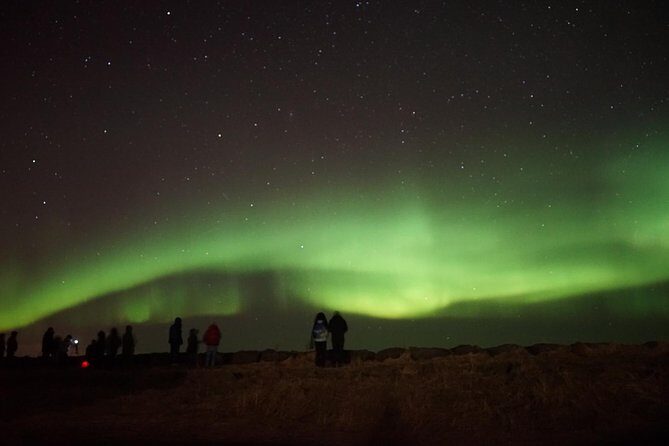
- Small-group minibus (max 19): quicker decisions, less waiting, and more manageable photo stops.
- Hot chocolate + Icelandic pastries included: a warm reset during a long, cold night.
- Hotel pickup and drop-off: saves time and hassle at the start and end of the chase.
- Guide persistence matters: names like Marc and Maggi show up in standout nights where auroras finally appeared.
- Photography support, but no tripod provided: you’ll want to bring one if you care about sharp shots.
Reykjavik Aurora Hunts: why leaving the city this late is the whole game
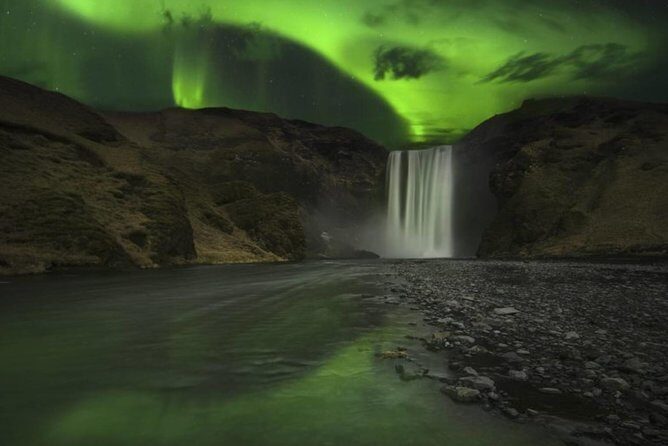
If you want the northern lights, you need two things: dark skies and patience. This tour is designed to fix the first part by moving beyond the Reykjavik glow lines and into the countryside early enough for your eyes to adjust. The timing also matters because the tour can run 3 to 5 hours, depending on aurora activity that night.
You’ll feel the difference fast. The closer you stay to town, the more light pollution fights your eyes. The countryside driving is the obvious change, but it’s the right one.
The other piece is what you’re really buying with a premium-style tour. You’re not only paying for a minibus ride—you’re paying for a guide trying different spots, reading conditions, and making calls in the dark. In aurora country, that often turns a frustrating night into a story you’ll remember.
You can also read our reviews of more tours and experiences in Reykjavik.
Pickup timing and the small-group minibus comfort factor
This is a pickup tour, and that’s not just convenience—it’s time. Pickup is offered at Reykjavik hotels, hostels, guesthouses, and private homes, though you might be directed to a nearby tour bus stop if your exact door isn’t reachable. Pickup can run up to 30 minutes because the operator is collecting multiple passengers.
Inside, you’re on a small minibus with a maximum of 19 travelers. That number is a big deal when you’re trying to leave quickly, pick a spot, and keep everyone moving without chaos. One of the most consistent praises is how much smoother this feels than big group tours where you lose time and energy.
Real-world comfort matters too. People point out the minibus is a good way to stay warm while the guide drives and searches. Even when the aurora doesn’t cooperate, being comfortable enough to keep your attention helps.
The warm treats that make the cold night survivable
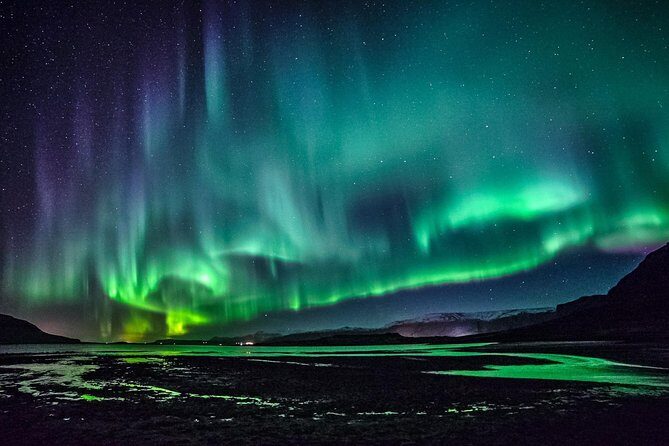
This tour doesn’t treat food like an afterthought. You’ll get hot chocolate made with chocolate plates and milk, plus a pastry option: Icelandic kleinur, donuts, or kanilbollur (cinnamon buns). This is exactly the kind of included warmth that helps during waiting time outdoors, when standing still burns energy.
There’s also free onboard Wi‑Fi with browsing included. It’s not there to replace the night sky, but it’s a useful distraction when you’re in the minibus between stops or want to check a map or weather app.
One more practical note: refreshments beyond what’s stated are not included. You can absolutely eat before pickup, but plan to rely on what’s provided during the hunt.
The night hunt: how guides search, scan, and reposition
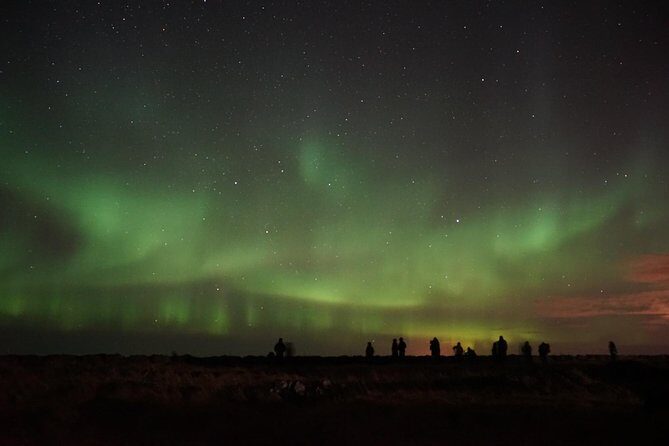
The core of the experience is simple: drive away from city lights, stop to check conditions, and reposition until the aurora shows (or the night’s timing runs out). The itinerary is flexible because the northern lights depend on conditions, not calendars. On the same night, you might go for quick checks early and then switch locations if visibility looks promising.
What you’ll likely do out on the road
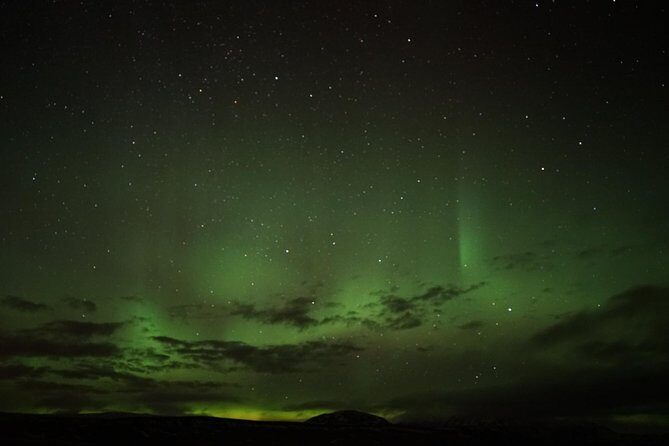
You’ll start in Reykjavik and head outward, with a guide leading the plan. On the darkest stretches, you’re there to look for moving curtains or faint greenish light that can brighten and fade. The tour format also gives your guide a chance to keep trying spots if the first one isn’t good.
Some nights include multiple scanning efforts. When conditions are poor—cloud cover or strong wind—you may watch the guide work and reposition rather than enjoy a single long viewing moment. That can feel long, but it’s also how you increase odds.
Stops and what they mean for your view
Stops can be roadside pull-offs, which means you may deal with headlight glow from passing cars and nearby lighting. It’s not the kind of setting where you’re tucked into a perfect dark field every time. Your best strategy is to keep expectations realistic and let your eyes do the work as soon as you arrive.
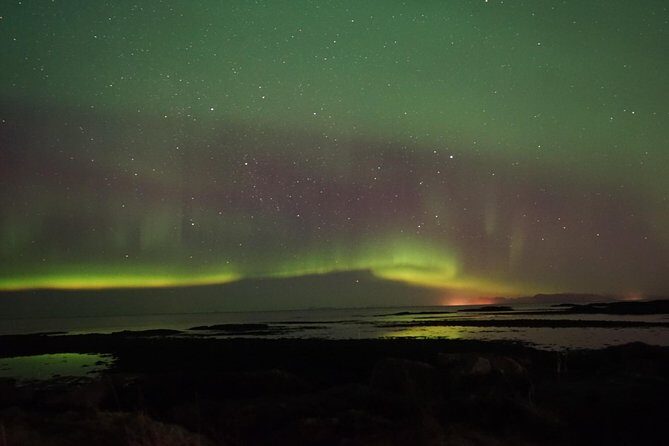
When people score big wins, it often comes late. There are accounts of auroras appearing right at the end of a tour window, and others where a clear gap finally opened up around midnight or after.
Stop-by-stop feelings: what to expect during the Hunt of the Northern Lights
Even though the experience is built around one main segment, you’ll feel it in phases.
Phase 1: Leaving Reykjavik and getting your eyes ready
This part is about transition. You’re moving from bright urban light to darker skies, and your eyes need time to adjust. If you notice the guide’s deeper commentary doesn’t start instantly, that can be normal for multi-stop pickup logistics. Either way, use the time to prep your gear and plan where you’ll stand for photos.
Phase 2: First scanning points in the countryside
You’ll stop to look, and the guide will assess whether the sky is doing anything worth chasing. This is where persistence earns its keep. Guides like Marc and Maggi are repeatedly praised for continuing the search rather than giving up early when activity looks weak.
If aurora activity is subtle, it can be easy to miss. That’s why paying attention to the guide’s explanations helps—your mind will stop guessing and start looking for movement and texture.
Phase 3: The moment the sky cooperates
When you get a clear patch, you may get your best view fast or you may get it after a wait. The tour’s design—multiple tries, small group, and patient repositioning—helps you stay in the hunt long enough for that shift to happen.
If you’re lucky, you’ll see lights that brighten, move, and shift. Even a glimpse can feel intense once your brain catches up to what you’re seeing.
Phase 4: Return to Reykjavik
Timing depends on conditions. The tour window is 3–5 hours, but in practice you may come back around midnight or later if you’re chasing a good patch. If you’re sensitive to late-night logistics, plan a slow morning next day.
Some people note drop-off isn’t always a perfectly door-to-door moment; you might be set down near the hotel area, sometimes across the street. Bring patience and let the pickup system work the way it’s designed.
Photography help: what to bring, what the guide can do, and what to expect
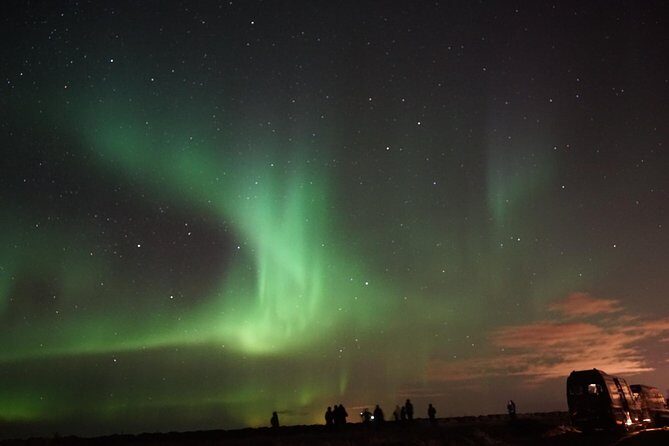
If photography is part of your goal, this tour gives you something useful. Guides are praised for teaching camera settings and how to improve aurora photos. You can also expect practical advice that helps even if you’ve never shot at night before.
But here’s the key limitation: a tripod is not included. The tour data also notes that a tripod is very necessary for phones and photo cameras if you have one. If you don’t bring one, your photos may be shakier and you may feel like you’re missing out when the lights finally show.
Also, you should know that some guides offer to capture photos for a fee. That’s not guaranteed, but it comes up in experiences where guides had their own equipment and shared results afterward.
My practical take:
- Bring a tripod if you have it.
- Use your warm layers first, then set up.
- Expect the best shots when the sky is clear and the aurora is bright enough to move through gaps.
Price and value: why $249 can be worth it or not
At around $249 for a 3–5 hour hunt, this sits in the premium range for Reykjavik aurora tours. The value is in three places.
First, you’re paying for small-group logistics (max 19) and a guide actively searching, not just driving to a single viewing point. If you’ve ever done group tours where you stand around waiting for others, you’ll understand why fewer people can be a quality upgrade.
Second, you’re paying for included warmth: hot chocolate and Icelandic pastries during long waits are not a luxury in aurora country. Keeping your energy up matters.
Third, you’re paying for expertise in the field. People credit guides by name—Marc, Maggi, and Magnus—for persistence and for explaining the science behind the northern lights and photographing techniques.
So when might it not be worth it?
If you’re extremely budget-driven and you’re only going for a guaranteed show, this tour can’t promise that. Also, you still have to dress properly since warm clothes are not included, and you may come back late.
If you treat it like a hunt and bring the right gear, the price starts to make more sense fast.
Weather reality check: the main reason some nights feel disappointing
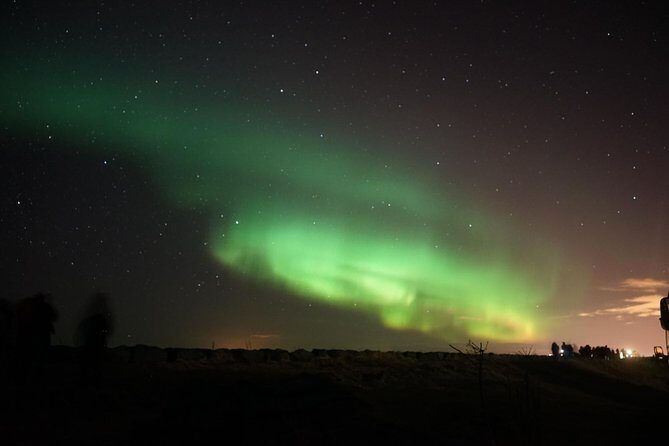
This is weather dependent. The northern lights are natural and unpredictable, and the tour can be cancelled up to 1 hour before departure if conditions are unsafe or unlikely. Even with a great guide, you can still end up with clouds or poor visibility.
Some people report long drives and roadside stops with limited views when conditions weren’t cooperating. That doesn’t mean the guide was doing nothing—it often means the sky just didn’t open up. If you’re going in with a calm, flexible mindset, you’ll enjoy the process more.
Also, the tour is not a one-and-done. The guide may keep searching during the allowed time window, and when the aurora finally appears, it can feel like you earned it.
Who should book this aurora chase (and who should think twice)
This tour fits best if you want:
- Hotel pickup and drop-off without figuring out timing in the dark.
- A small group with less friction than large buses.
- Included warm drinks and snacks to help you endure long waiting.
- A guide who helps with aurora viewing and photography basics.
Think twice if:
- You’re traveling with a strict late-night cutoff and can’t handle a return around midnight or later.
- You’re not willing to layer up and stand outside in real cold.
- You need guaranteed aurora viewing, because no operator can promise that.
One more smart tip pulled from how the tour is recommended: book an aurora tour on your first or second night if you can. That way you have backup options if weather doesn’t cooperate the night you go.
Should you book this Northern Lights minibus tour?
I think you should book it if you’re prioritizing comfort, small-group chasing, and practical guide support. The included hot chocolate and pastries are a real quality-of-life upgrade, and the small-group setup makes it easier to stay focused when the sky is changing.
But go in with a simple mindset: you’re buying the best effort to find the lights, not a guarantee of a perfect show. If you dress warm, bring a tripod if you have one, and plan for a cold, late evening, this tour is a strong choice for Reykjavik’s northern lights hunt.
FAQ
How long is the northern lights tour?
The tour is listed as approximately 3 to 5 hours. It may take longer than 3 hours depending on northern lights appearance, but it should not exceed 5 hours.
Is hotel pickup and drop-off included?
Yes. Hotel pickup and drop-off are included for your convenience. Pickup is offered at Reykjavik hotels, hostels, guesthouses, private homes, and you may need to walk to the nearest bus stop.
What food and drinks are included?
Hot chocolate is included. You’ll also get Icelandic kleinur (or similar pastry like donuts) or kanilbollur (cinnamon buns), depending on what’s available.
Is there an English guide on the tour?
Yes. The tour includes both English audio and a live English guide.
How many people are on the minibus?
The minibus is described as small-group with a maximum of 19 passengers.
Is Wi-Fi available during the tour?
Yes. Free Wi‑Fi is included so you can log on and browse.
What warm clothing should I bring?
Warm clothes, shoes, gloves, and a hat are not included. Iceland nights can be very cold, so plan to dress for winter weather.
Do I need a tripod for photos?
A tripod is not included. The tour notes that a tripod is very necessary for phones and photo cameras if you have one, so bringing one is strongly recommended.
Is seeing the northern lights guaranteed?
No. Seeing the aurora borealis is not guaranteed even though the tour is operated. The lights are natural and unpredictable.
What if the tour is cancelled due to weather?
The experience requires good weather. It can be cancelled up to 1 hour before departure if needed, and if it’s cancelled due to poor weather you’ll be offered a different date or a full refund. You also get free cancellation if you cancel at least 24 hours in advance for a full refund.