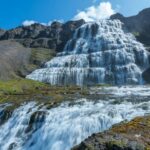
Silfra is Iceland’s otherworldly swimming pool. I love how this tour gets you up close to Thingvellir UNESCO and then puts you in water with crazy 100+ meter visibility. It’s the kind of place where you start thinking about geology and breathing at the same time.
Two things I really like: you’re guided by a PADI-certified professional, and you warm up afterward with hot chocolate while the guide captures photos. One possible drawback is that the cold and the gear matter. If you’re uncomfortable in tight suits, you’ll want to think carefully about wetsuit vs drysuit before you commit.
In This Review
- Key takeaways before you go
- Silfra Snorkeling in Thingvellir: why this water looks unreal
- Price and what you actually get for $140
- Meet-up, parking P5, and the gear-up moment
- Thingvellir National Park stop: where the plates set the mood
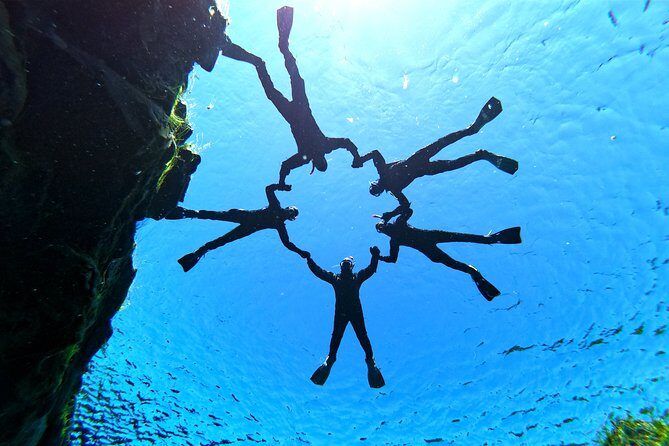
- The Silfra fissure snorkel: 30–40 minutes in near-freezing clarity
- Wetsuit vs drysuit: how to choose based on comfort, not courage
- Safety and English coaching: the stuff that keeps the day fun
- Photos and hot chocolate: small touches that make it worth it
- What can go wrong (and how to dodge it)
- Who this tour suits best
- Final call: should you book Silfra with this operator?
- FAQ
- How long is the Silfra snorkeling tour?
- What’s included in the price?
- Do I need to know how to swim?
- What are the age and health requirements?
- What should I wear and bring?
- Can I wear glasses?
- Where do we meet and where does the tour end?
Key takeaways before you go
- Small-group feel (max 6): more personal coaching, less crowding in the water
- Silfra visibility can top 100m: clear enough to feel like you’re snorkeling in glass
- Guides handle safety and gear: you’ll get a briefing and help suiting up
- Cold-water reality: the tour is short in the water (around 30–40 minutes), but it’s still very chilly
- Included photos (40–100): the guide takes them during your session and you get them later
Silfra Snorkeling in Thingvellir: why this water looks unreal
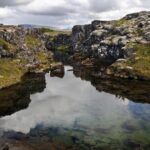
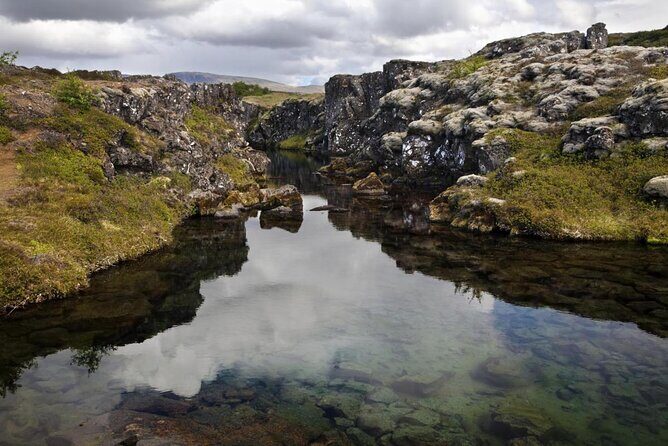
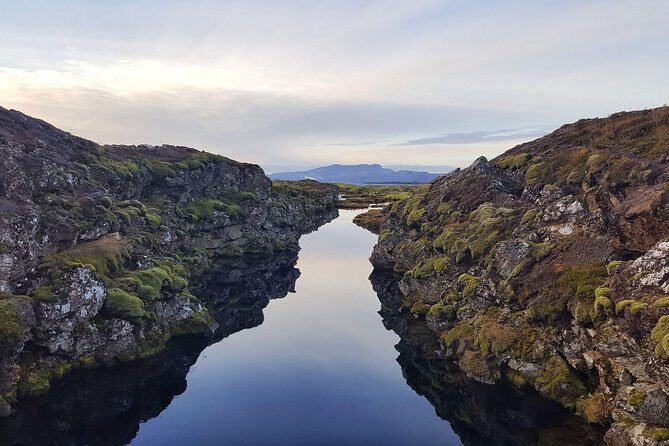
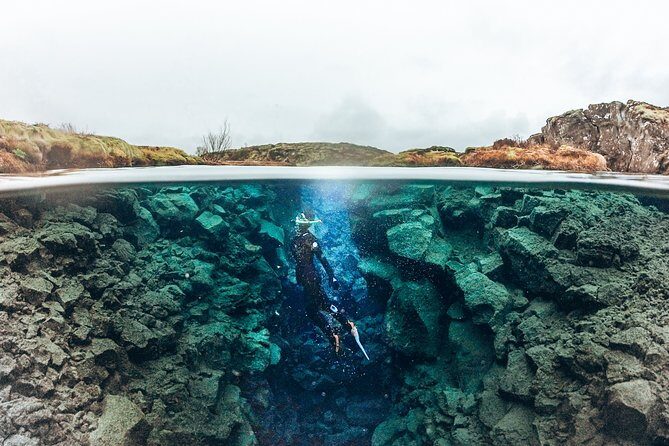
Silfra sits inside Thingvellir National Park, where two tectonic plates drift apart. You don’t just visit the park and look at it. You enter the fissure system itself and swim where glacial meltwater has carved a canyon underground. The melt water starts roughly 50 km away, then travels until it fills the crack you’ll snorkel in.
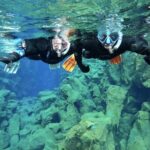
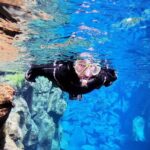
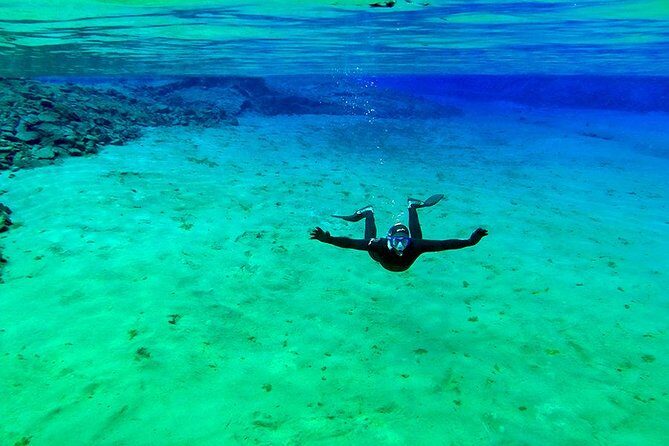
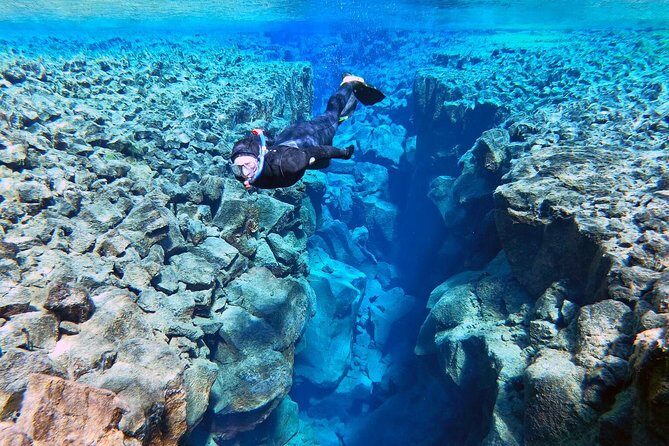
What makes this experience special is the clarity. Silfra’s visibility is often over 100 meters. That’s not just a number—it changes how you experience everything below the surface. You can see far into the fissure, follow your footing, and notice details in the rock that you’d miss in typical snorkeling spots.
And the timing works in your favor. You’re in the water long enough to feel like you really did something, but not so long that the cold fully takes over. Then you warm back up with a cup of hot chocolate—simple, included, and very welcome.
You can also read our reviews of more snorkeling tours in Reykjavik
Price and what you actually get for $140
At $140 per person for about three hours, this isn’t a budget activity. You’re paying for a very specific location, small-group guiding, and the gear that lets you do it safely in near-freezing freshwater.
Here’s the value breakdown that matters for real-life planning:
- Gear is included (snorkeling equipment and a wetsuit or drysuit). You’re not figuring out rental sizes on your own.
- Safety guidance is built into the experience with a PADI-certified guide leading the water time.
- Underwater photos are included. Many tours make photos an add-on. Here, the guide takes them and they’re downloadable after a few days.
- Hot chocolate is included, which sounds minor until you’re standing in Icelandic cold counting the minutes.
If you’re trying to choose between a quick Iceland “look and learn” tour and a hands-on Silfra session, this one is about participation. You’re suiting up and getting into the fissure—so the cost feels more justified when you compare it to activities that mostly stay dry.
Meet-up, parking P5, and the gear-up moment
Your start point is Silfra Adventure Vikings at Thingvellir, and the meeting point is where the snorkeling/dive vans gather. If you’re driving, you park in P5, then meet your guide near the vans. You’ll get a run-through of how the day goes before you gear up.
This part matters more than people expect. Silfra’s biggest challenge isn’t just the water temperature—it’s that you’re learning to move comfortably with specialized equipment. A good guide helps you get your body working with the gear, not against it.
Once you’re in the snorkel setup, you’ll listen to a safety briefing before entering Silfra. The tour is designed around that coaching, and the group size helps: it’s limited to six participants, so you’re less likely to feel lost in the shuffle.
Practical tip: bring a swimsuit and towel. You’ll also want a change of clothes. There’s a small chance a drysuit could leak, and having something warm and dry waiting afterward makes the day feel smoother.
Thingvellir National Park stop: where the plates set the mood
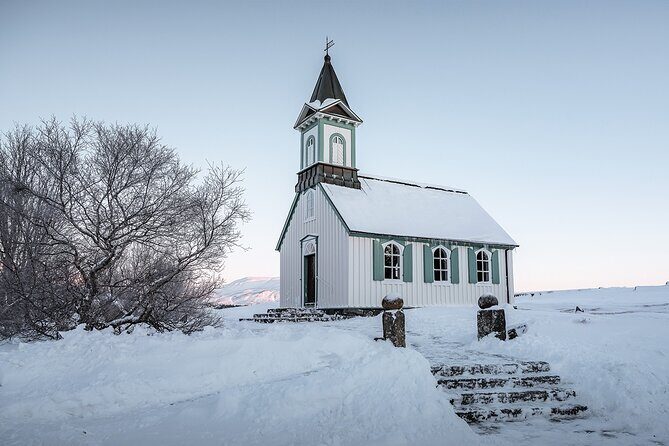
You get a stop at Thingvellir National Park before you head into the water. This isn’t just waiting around. Thingvellir is the reason Silfra exists as a snorkelable fissure. The rift valley sits between two continental plates—North America and Europe—and the fissure system runs through that shifting geology.
So before you swim, you’re building the mental map:
- You’re in a place shaped by plate movement.
- The water you’ll see is glacial meltwater that has traveled underground.
- The fissure is a canyon-like crack filled with that meltwater, not a random pool.
This pre-water context is one of the best parts of the tour. It makes the actual snorkeling feel purposeful. Instead of just seeing rocks, you understand what you’re looking at.
The Silfra fissure snorkel: 30–40 minutes in near-freezing clarity
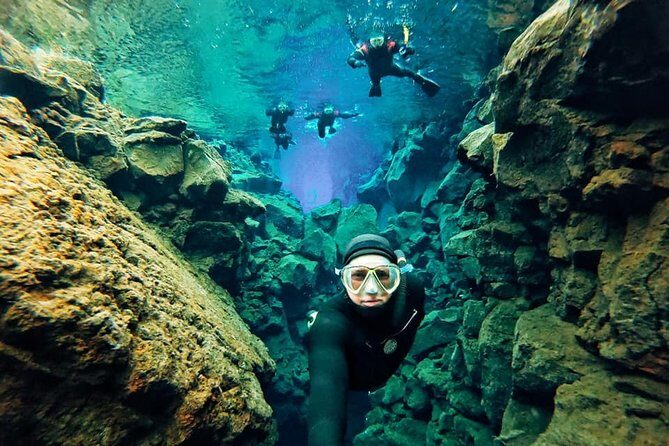
When you finally enter the water, you’ll feel it quickly. Silfra’s water temperature is about 2°C / 35°F. Even with the right gear, you’ll notice cold right away, especially on hands and face.
The good news: the tour keeps the water time focused. Plan on about 30–40 minutes in the fissure. That’s long enough for you to settle, take in the view, and get comfortable with the snorkel routine.
What you can expect during that time:
- Your guide manages the flow so people don’t get separated.
- You’ll learn how to handle your body and movement in the suit and gear.
- The scenery below is the main event—because visibility is so strong.
One important detail: you won’t be able to touch two tectonic plates. The fissure is between them, and the plates are moving apart slowly, but the experience is still about observing and swimming in the fissure environment—not contacting rock surfaces at the plate boundaries.
Also, this is not a “free for all” water session. You’re doing it with a PADI-certified professional watching and directing. That’s a big part of why the small-group approach works so well in practice.
You can also read our reviews of more photography tours in Reykjavik




Wetsuit vs drysuit: how to choose based on comfort, not courage
You booked Silfra Wetsuit Snorkeling, but the operation can sometimes fit you in a drysuit depending on how your booking is handled and what fits safely. Either way, your comfort choice matters.
Here’s how I’d think about it before you decide:
- Drysuit comfort: Drysuits are designed for cold water work. Most people find they stay very warm once you’re sealed correctly, but they can feel tight around neck and wrists and can reduce ease of movement.
- Wetsuit flexibility: A wetsuit can be less restrictive, which may help you move more naturally in the water. The trade-off is usually comfort vs fit and how cold you personally feel in a wetsuit setup.
In the feedback, I saw a clear pattern: guides were praised for helping nervous or first-timers feel steady, and equipment helped most people tolerate the cold better than expected. Even so, the suit is a real factor. Some people love the warmth; some people struggle with the snugness.
A specific tip comes up again and again: bring thick socks. Socks help keep your feet warm under the gear. Also consider long thermal underwear as a base layer. It gives you a warmer buffer under the drysuit.
If you deal with claustrophobia, this is worth taking seriously. Drysuits can feel constricting. If that describes you, ask directly about which setup is likely for your body type before you go.
Safety and English coaching: the stuff that keeps the day fun
This is a guided experience, offered in English. It requires clear communication because the tour includes safety briefing and in-water guidance.
There are also hard requirements for participation:
- You must know how to swim and be comfortable in the water.
- You’ll fill out a medical form before participating.
- Minimum age is 12, and people over 65 need physician approval.
Those rules are there for a reason. Silfra is cold, and you need to be able to stay calm and move confidently. The good part is that the guide doesn’t just toss you in. You’ll get coaching on suiting up and what to do once you’re in.
If you’re the sort of person who gets nervous in gear (or you hate learning systems mid-stress), this tour’s approach helps. The guides consistently get praise for being attentive and patient, including guides like Kaja, Dory, Ines, Alex, Fernando, Inigo, and Jane.
Photos and hot chocolate: small touches that make it worth it
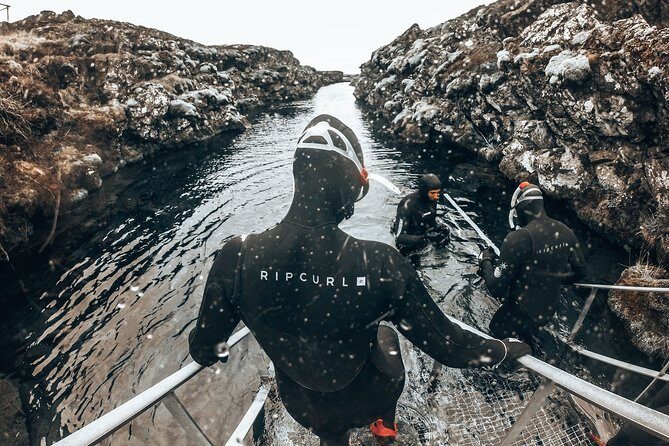
Underwater photos are included. The guide takes them during your session and there’s no extra commission for photos. You can typically expect 40–100 photos, depending on group size and how comfortable people are during the experience.
The photos are downloaded after a few days, which gives you time to remember the details while the Iceland trip is still fresh. This is a value win because Silfra visibility is so strong that photos actually capture something real, not just blurry cold-water chaos.
Then comes the best simple reward: hot chocolate. After 2°C water, warm sweetness tastes like you planned your whole day well.
What can go wrong (and how to dodge it)
Even with great guiding, Silfra isn’t a casual stroll. Here are the realistic considerations that can affect your experience:
- Cold is still cold: some people find it surprising how hard it hits. If you go expecting warmth, you’ll be disappointed. If you go expecting an Arctic swim with a clear view, you’ll likely love it.
- Suit fit matters: a suit that’s too big can affect floating control. A suit that’s too tight can feel uncomfortable. Either way, you’ll want to be honest during fitting.
- Limited touch moments: you can’t treat this like a hands-on geology encounter. The goal is snorkeling in the fissure, not touching plates.
The tour is very structured. The upside is that structure often prevents the usual issues: people feeling lost, rushing, or skipping important safety moments.
Who this tour suits best
I think this tour is ideal if you want:
- A real hands-on activity in Iceland, not only a scenic viewpoint
- A guided experience with small group size so you get time and attention
- High-impact visuals, thanks to the water clarity
- Comfort with cold-water conditions or at least a willingness to try with the right base layers and socks
It may not be the best fit if:
- You’re unsure about swimming unassisted
- You dislike tight equipment and are sensitive to claustrophobic feelings
- You want a long, slow water session. The visit is intentionally short in the fissure.
That said, many first-timers and nervous guests leave feeling proud—mainly because the guides focus on making you capable, not just making you compliant.
Final call: should you book Silfra with this operator?
If you’re choosing one “signature” activity in Iceland that mixes world-class scenery with real participation, I’d book this. The small group size, the guided safety, the included gear, and the included underwater photos all add up to a smoother experience than you’d get cobbling together rentals and DIY guidance.
I’d especially lean yes if you:
- Want the Silfra fissure experience with structure and coaching
- Appreciate thoughtful extras like hot chocolate afterward
- Like the idea of spending about 30–40 minutes in spectacular clarity without feeling rushed
The main reason to hesitate is gear comfort. If you’re very sensitive to tight fits or you’re not confident about cold-water swimming, you should ask questions ahead of time about suit setup and how they handle comfort and fit.
FAQ
How long is the Silfra snorkeling tour?
The tour lasts about 3 hours on average, including the time for briefing, suiting up, snorkeling in Silfra, and warming up afterward.
What’s included in the price?
It includes underwater photos, use of snorkeling equipment, a PADI-certified guide/instructor, and hot chocolate. Swimwear and towel are not included.
Do I need to know how to swim?
Yes. All participants must know how to swim and be comfortable in the water.
What are the age and health requirements?
Minimum age is 12. Participants over 65 need physician approval. You’ll also need to fill out a medical form before participating.
What should I wear and bring?
You should bring a swimsuit and towel. The tour recommends long thermal underwear and thick wool socks as a base layer. It’s also recommended to bring a change of clothes in case a drysuit leaks.
Can I wear glasses?
The guidance is not to wear glasses. Bring contact lenses or your own prescription mask (if you have one).
Where do we meet and where does the tour end?
You meet at Silfra Adventure Vikings at Silfra, and the tour ends back at the meeting point. If driving, you park in P5 and meet near the snorkel/dive vans.