The Ring Road, minus the stress. This small-group Iceland tour is a smart way to hit the big sights without spending days plotting routes. I especially like the max 19-person group size and the way the day plan mixes major wow moments with quieter stops. I also love the built-in geothermal time—from bread-tasting in Hveragerði to optional soaking in hot pools. The main drawback is that the schedule is packed; if you want slow mornings, you may feel rushed.
What makes it work is simple: you get an English-speaking guide, hotel pickup and drop-off, and an efficient plan that keeps you moving while still giving you real sight time. You’ll also get some hands-on perks, like the included Icelandic horse farm visit and (on longer options) the lava-cave entry. Still, there’s plenty of driving and you’ll want to plan on getting your legs ready for frequent short walks.
If you’re traveling with winter or shoulder-season weather in mind, pack for cold and wind, and bring swimwear if you want the optional hot pools. You’ll end back in Reykjavík in the evening (often between 6 pm and 10 pm, depending on the option and season), which is convenient if you’re continuing on to another part of Iceland.
In This Review
- Key highlights I’d bet on
- Small-group Ring Road: the practical reason it feels easier
- What you gain
- What you should watch
- Price and what your money really buys
- Day-by-day: what the route feels like in real life
- Day 1: South Coast waterfalls, Reynisfjara, and a geothermal bakery
- Day 2: Jökulsárlón, Diamond Beach, and east-coast canyon country
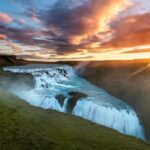
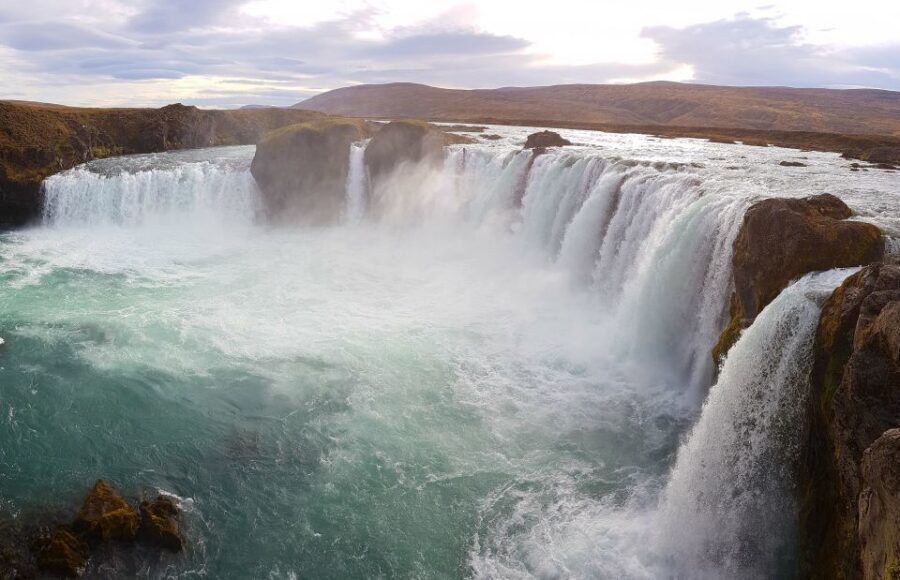
- Day 3: Lake Mývatn’s geothermal world, Dettifoss, and Góðafoss
- Day 4: Akureyri, Tröllaskagi, and Kolugljúfur Canyon
- Day 5 (optional): Borgarfjörður waterfalls, horses, and Viðgelmir lava cave
- Day 6 (optional): Snæfellsnes in miniature, seals at Ytri-Tunga, and the Red Church
- Day 7 (optional): Golden Circle add-on with Þingvellir and Kerið
- How demanding is it: walking, timing, and bus comfort
- Who this tour suits best (and who should skip it)
- Should you book this Ring Road tour?
- FAQ
- How many people are on the tour?
- Does the price include breakfast and hotel rooms?
- Are lunch and dinner included?
- What’s included for hot spring experiences?
- Is whale watching included?
- Do you get to visit Jökulsárlón by boat?
- When is the lava cave entrance included?
- Where does the tour end?
- Is this tour wheelchair accessible or suitable for pregnancy?
Key highlights I’d bet on
- Uncrowded feel with a small group (up to 19), so you’re not lost in a sea of tour buses.
- Geothermal at multiple stops, including included Hveragerði bread tasting and optional hot pools later.
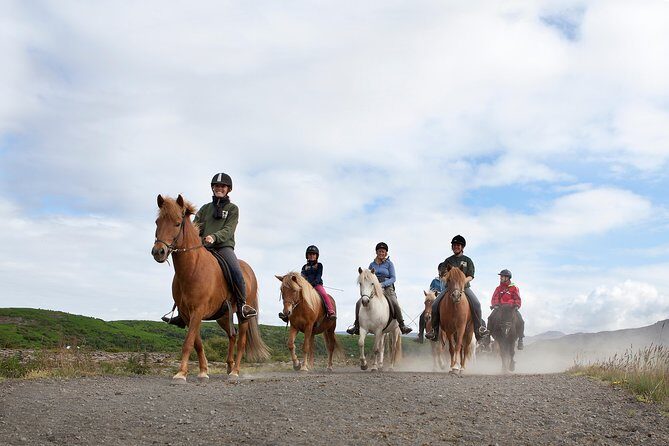
- Wildlife and horses, with seal-spotting on Snæfellsnes (optional) and an included visit to Sturlureykir Icelandic Horse Farm.
- Big natural set pieces, from Skógafoss and Seljalandsfoss to Dettifoss and Jökulsárlón’s ice views.
- Optional add-ons that let you choose your intensity, like an amphibious boat tour in Jökulsárlón or whale watching.
- Comfort helps on long days, with onboard Wi‑Fi and USB chargers, plus hotel rooms with en-suite bathrooms.
Small-group Ring Road: the practical reason it feels easier
Iceland is gorgeous, but it can also be a logistics test. This tour’s value is that it handles the driving puzzle for you. You start with hotel pickup and you’re back in Reykjavík at the end, so you can focus on the scenery instead of the map.
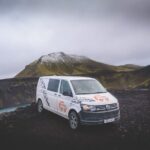
The small-group size (up to 19) matters more than you’d think. In a smaller bus, it’s easier to ask questions, get advice about which viewpoints to prioritize, and actually hear your guide over the wind. It also tends to keep the whole vibe more human—less frantic, more like a shared road trip with a pro in the passenger seat.
You’ll have an English-speaking guide throughout, and they’re not just narrating from a script. In the experience of guides associated with this tour, people highlight how they keep things moving safely and share context during the drive. That kind of guidance pays off on Ring Road trips, where roads, weather, and timing can turn simple sightseeing into a choose-your-own-adventure.
You can also read our reviews of more tours and experiences in Reykjavik
What you gain
You gain time. Not total time—driving time is still driving time—but you gain the freedom to stop without thinking, and you gain entry tickets where the itinerary already plans them.
What you should watch
Your days are structured. That’s great for seeing a lot, but it’s not built for slow travel or heavy downtime.
Price and what your money really buys
The tour price is listed at $1,530 per person for the 4–7 day options. That number can sound steep until you break down what’s included: hotel accommodations, breakfast, pickup/drop-off, a guide, and several key entries.
Included in the core experience:
- English-speaking tour guide
- Hotel pickup and drop-off
- Onboard Wi‑Fi and USB chargers
- Twin/double hotel rooms with an en-suite bathroom
- Breakfast
- Entrance to Hveragerði Geothermal Park with bread tasting
- Entrance to Sturlureykir Icelandic Horse Farm
- Entrance to Vidgelmir lava cave if you pick the 5-day option or longer
Then there are the “you decide” items that cost extra, like whale watching, the Jökulsárlón amphibious boat tour, and certain geothermal soaks.
So is it good value? For most people, yes—especially if you want to avoid the hassle of planning a multi-day loop, booking lodging, arranging tickets, and building a realistic route that still leaves you time to actually walk to viewpoints.
The cost becomes less attractive if you refuse almost all add-ons and spend most of your time in the car. But if you like the idea of waterfalls, glaciers, and hands-on Iceland without the stress, this is one of those “pay for a system” deals.
Day-by-day: what the route feels like in real life

Day 1: South Coast waterfalls, Reynisfjara, and a geothermal bakery
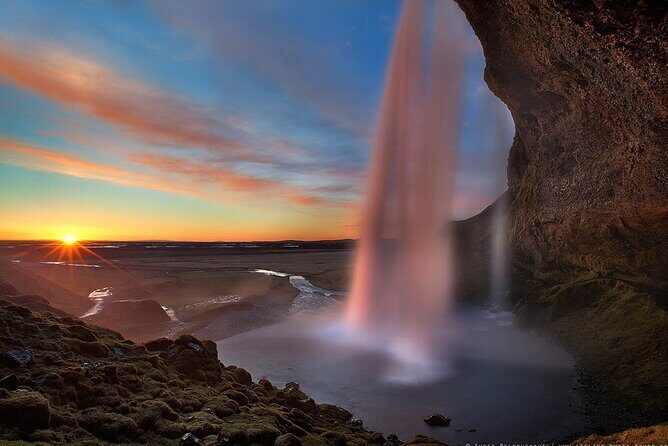
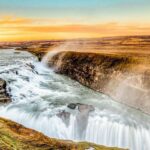
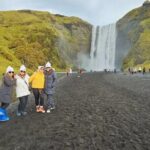
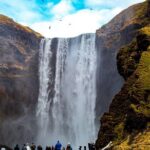
Day 1 kicks off from Reykjavík and wastes no time. You’ll see Skógafoss, Seljalandsfoss, and Gljúfrabúi—a trio that gives you variety: big falls, falls you can view from multiple angles, and a more hidden-feeling waterfall stop.
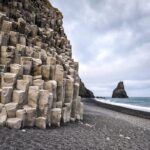
Then comes Reynisfjara Beach, the famous black-sand shore. Expect dramatic views and that classic Iceland mix of rock shapes, wind, and water. If you’ve ever seen photos of Iceland’s basalt formations, this is where that look comes from.
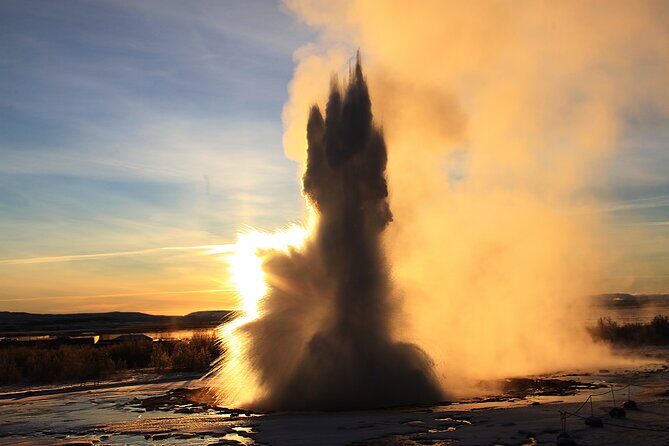
After the coast, you’ll visit a geyser area and try the geothermal bakery experience in Hveragerði, where bread tasting is included. It’s a small stop compared to the waterfalls, but it’s fun because it’s practical and different—you’re eating something tied to the geothermal action rather than just watching it.
You’ll also get glacier viewpoints on your way forward. This is the first hint of what the north and east will deliver: bigger ice, bigger power, more “how is that even possible?” energy.
Day 2: Jökulsárlón, Diamond Beach, and east-coast canyon country
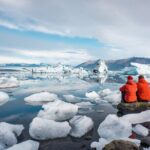
Day 2 is your gateway day to glacier scale. You’ll go to Jökulsárlón Glacier Lagoon and you can add the optional amphibious boat tour (extra cost). If you want to get up close to icebergs floating in a lagoon, this is the day to spend money.
Near that, Diamond Beach delivers those striking ice chunks scattered across black sand. It’s one of those places where photos are good—but being there is better. The air feels colder, the light shifts fast, and everything looks sharper than you expect.
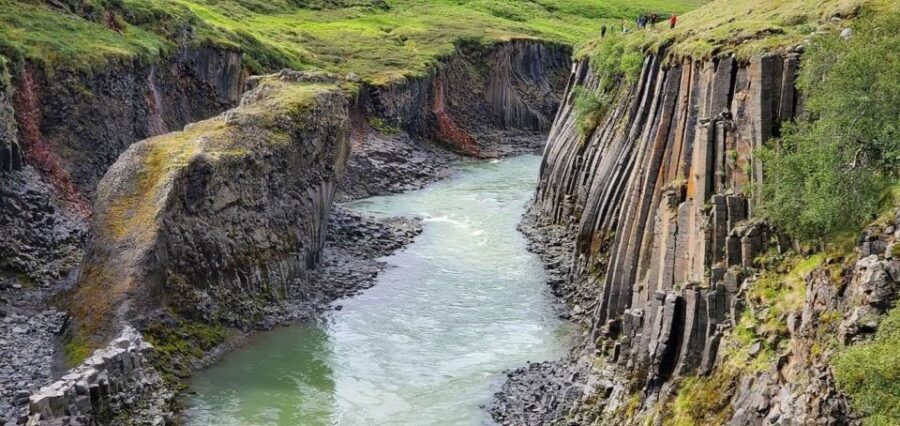
Next you’ll head toward Vestrahorn and then through Studlagil canyons. These stops matter because they break up the classic waterfall-and-water rhythm with geology that feels sculpted. The east coast also brings long fjords and jagged peaks—bigger distances, more dramatic angles.
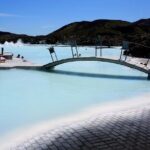
If you want a recovery button after a long day, you can add the optional Vök Geothermal Floating Pools (extra cost). Swimwear helps, and the payoff is real: you’re soaking while your body processes the day.
Day 3: Lake Mývatn’s geothermal world, Dettifoss, and Góðafoss
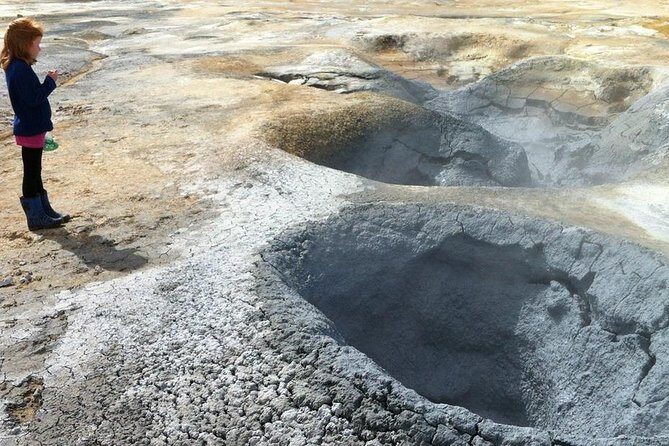
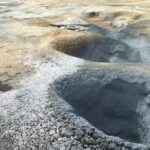
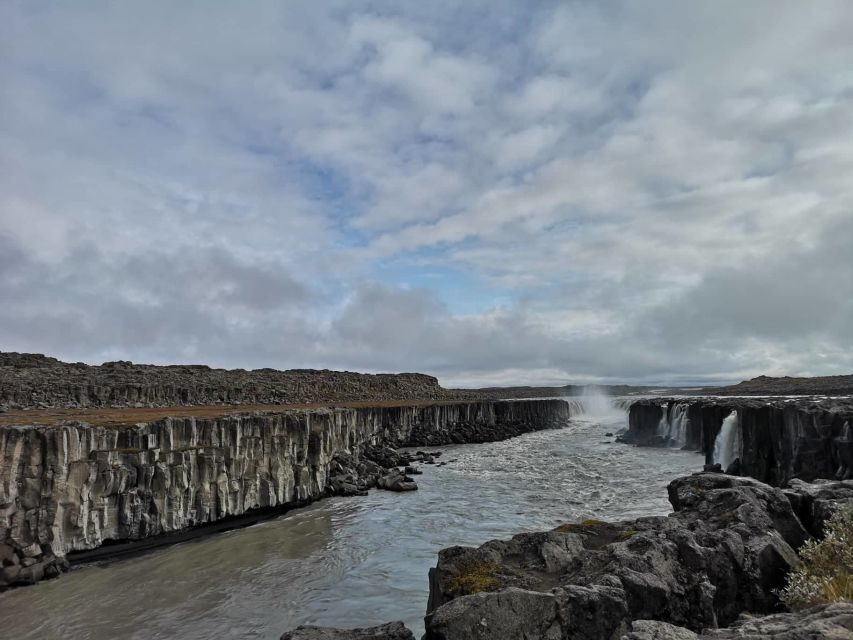
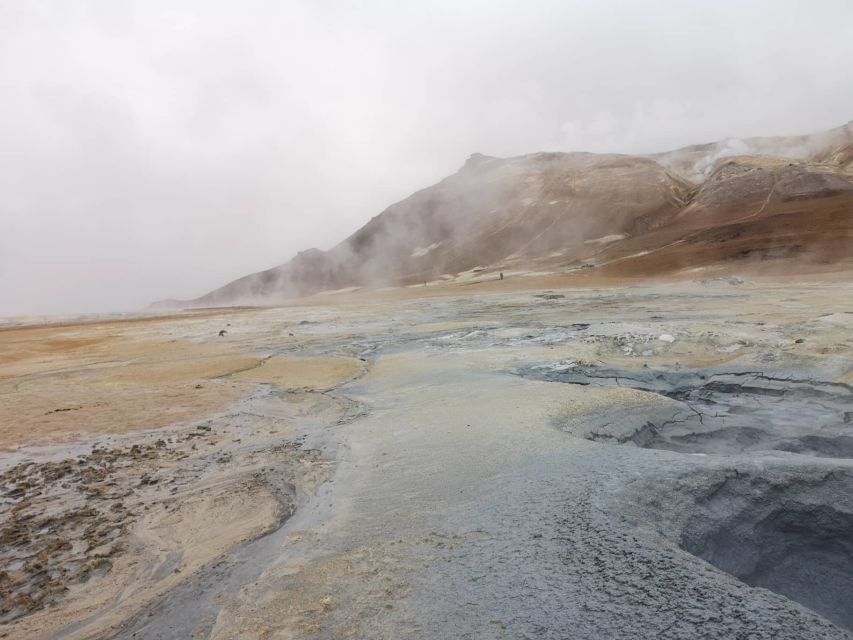
Day 3 is volcanic Iceland at its most hands-on. You’ll explore Lake Mývatn, a place famous for steaming geothermal activity and odd formations. You can expect hot springs, cave areas with steaming blue water, rock shapes that look otherworldly, and plenty of birdlife and fauna (time of year changes what you’ll spot).
Two highlights here are heavy hitters:
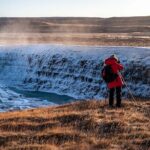
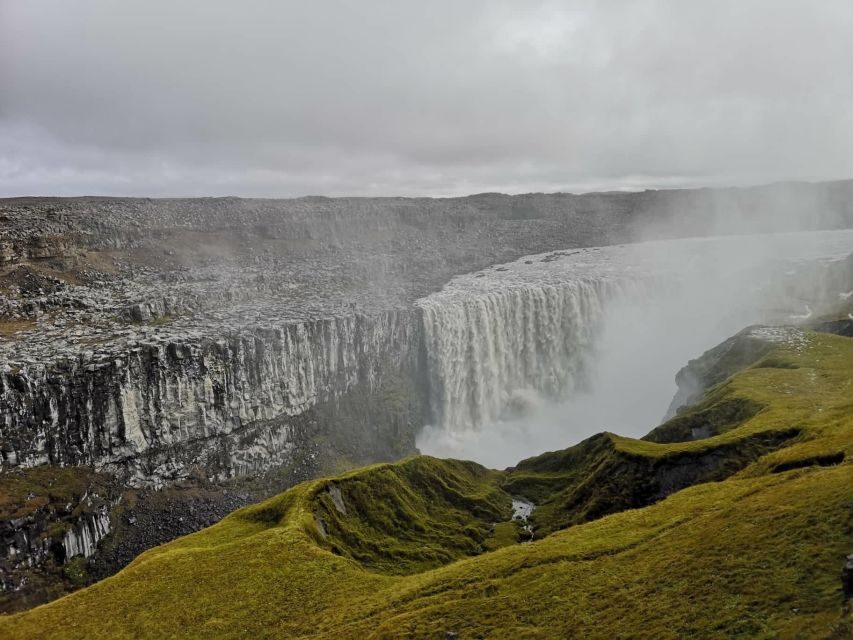
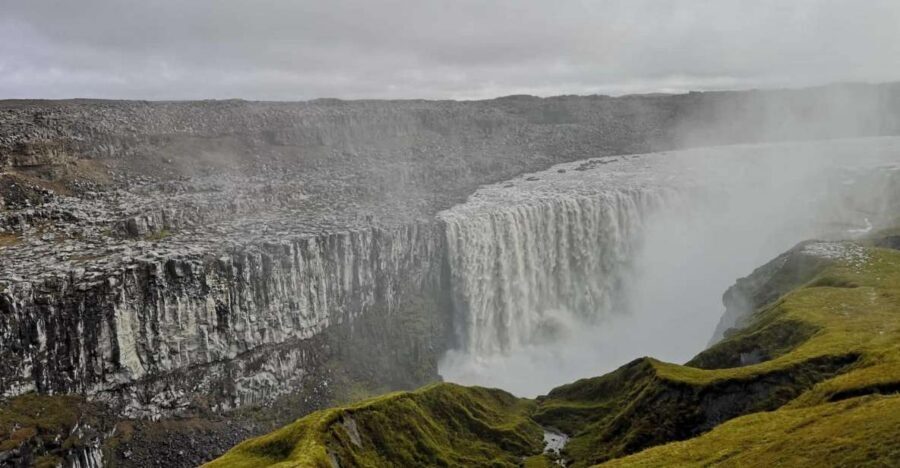
- Dettifoss, known as Europe’s most powerful waterfall
- Góðafoss, the waterfall of the gods
This day works well because it isn’t just one type of attraction. You get geothermal textures, caves, then you switch to pure water force. It’s a mental reset built into the itinerary.
At the end, you can add the optional Forest Lagoon Geothermal Spa (extra cost). If you’re the type who plans to feel your legs the next day, this optional soak can be smart—not because you’re chasing luxury, but because it helps you keep sightseeing.
Day 4: Akureyri, Tröllaskagi, and Kolugljúfur Canyon
Day 4 starts with Akureyri, the capital of North Iceland. This is your chance to step away from pure nature stops and enjoy town energy for a bit. Even a short town block helps you feel human again—coffee, walking, and a change of pace.
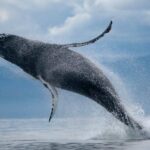
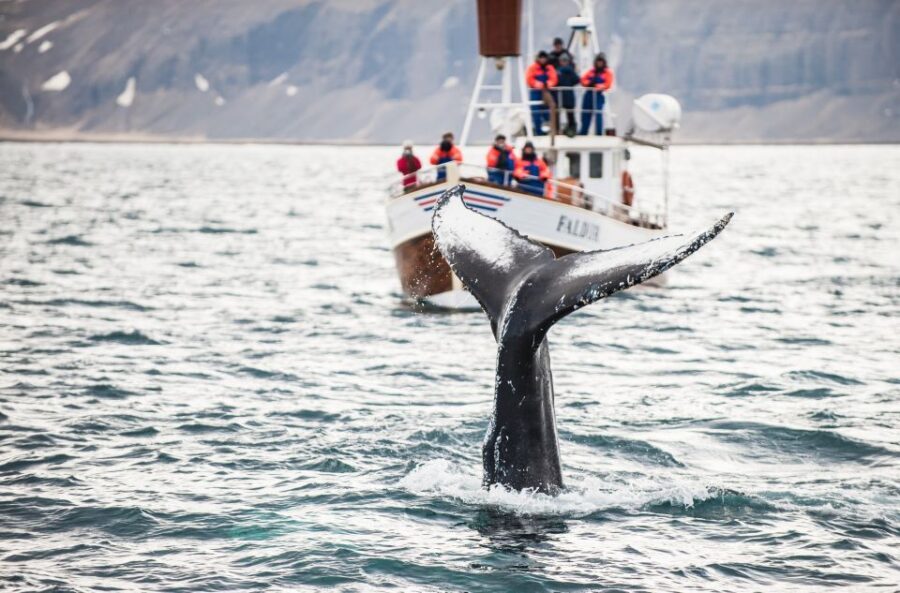
If you want wildlife action, you can add whale watching by boat (extra cost). The timing and the weather matter here, but it’s a great option if you want something beyond land-based views.
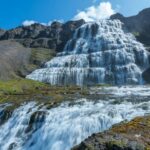
As you drive north, the day includes the Tröllaskagi Peninsula, known for mountain scenery, deep valleys, and coastal beauty. Think rugged views rather than neat postcard scenery.
You’ll also stop at Kolugljúfur Canyon, which gives you a different kind of drama. After waterfalls and glaciers, a canyon stop gives your eyes a break from water and a new shape to study.
Day 5 (optional): Borgarfjörður waterfalls, horses, and Viðgelmir lava cave
If you choose the 5-day version or longer, you’re in the territory where the tour becomes even more varied. Day 5 (optional) includes Hraunfossar, waterfalls formed by rivulets streaming from lava fields—about 300 feet in the description. Then you’ll see Barnafoss and visit Reykholt Historic Site.
This day also includes something you’ll appreciate if you want a cultural pause without sitting in a museum all day: Sturlureykir Icelandic Horse Farm. You can meet the iconic Icelandic horse up close here, and since farm entry is included, you’re not paying extra for the chance to interact.
Later, you’ll visit the largest lava cave in Iceland—Viðgelmir—with included entry for 5-day+ tours. Lava caves feel different from caves elsewhere because you’re seeing geology that shaped the land. Even if you don’t love spelunking, it’s an easy, memorable stop.
The day ends at Deildartunguhver, described as Europe’s highest-flowing hot spring. It’s a strong final note for a geothermal-focused day, and it’s the kind of stop that helps you connect the dots between Iceland’s heat and its rock.
Day 6 (optional): Snæfellsnes in miniature, seals at Ytri-Tunga, and the Red Church
If you add Day 6, you get a change of scenery on the Snæfellsnes Peninsula, often called Iceland in miniature because it packs many landscape types into a smaller area. You’ll start with Ytri-Tunga Beach where you can look for seals.
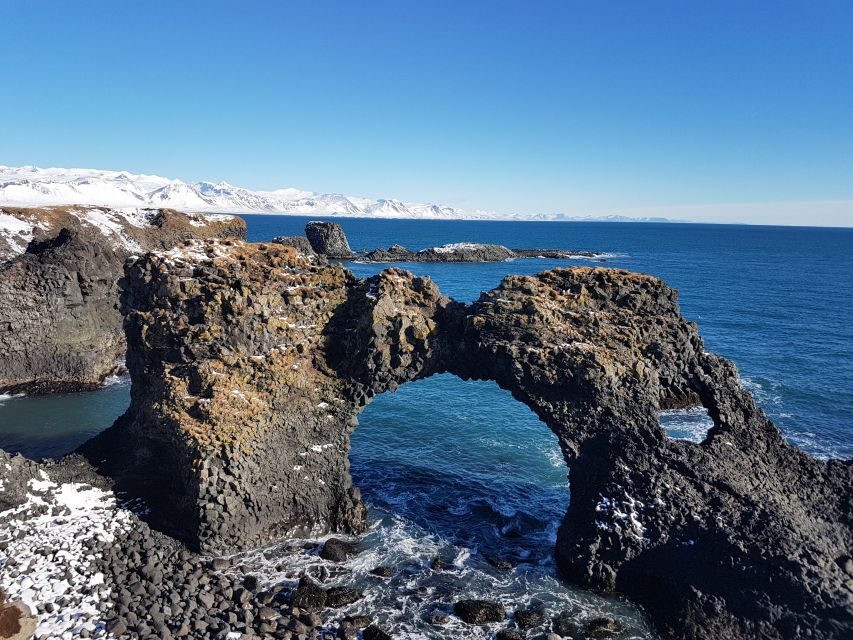
Then you’ll head toward Arnarstapi, walking dramatic cliffs. This is the kind of stop where the wind is part of the experience. If you like quick, scenic walks with big views, you’ll appreciate this day.
You’ll also stop at Ingjaldshólskirkja, the Red Church, built in 1903 and located on a scenic hilltop. It’s a small but memorable culture stop—especially because it breaks up the purely natural rhythm with something you can photograph and actually recognize.
The day ends at Kirkjufell, one of Iceland’s most photographed mountains. Even if you think you’ve seen it already, seeing it in motion—light changes, clouds move, and the sea/valley setting shows up—makes a difference.
Day 7 (optional): Golden Circle add-on with Þingvellir and Kerið
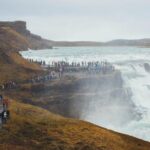
Your final add-on day is the Golden Circle route. You’ll visit geysers, the Golden Waterfall, Þingvellir National Park, and Kerið Volcano. If you’re meeting Iceland’s most famous highlights for the first time, this is a strong closer.
You can also add the Blue Lagoon today (extra cost). It’s a more commercial experience than many geothermal sites, but it’s still popular for a reason. If you want that famous soak, this is your last chance.
This day works especially well if you’re picking the 7-day tour, because it gives your Ring Road loop a classic Iceland ending.
How demanding is it: walking, timing, and bus comfort
This tour is for people who can handle a fast rhythm. Even if each day includes stops that feel flexible, the overall pattern is go-go. That’s the trade: you’ll see a lot, but you won’t have long, lazy breaks.
A practical note from real-world experience with the kind of buses used on this itinerary: seats can be a bit firm. If you have sciatica or sensitive nerves, consider bringing a small cushion or extra layer. You’ll also want to wear hiking shoes because you’ll likely step onto uneven ground near waterfalls, beaches, and viewpoints.
Bring:
- Warm clothing
- Swimwear (for optional hot pools)
- Hiking shoes
Also remember the obvious but often forgotten point: weather can change fast in Iceland. Your guide will adapt within the plan, but your comfort depends on dressing for wind and cold, not just sunshine.
Lunch and dinner aren’t included, though you’ll have scheduled stops to eat. If you hate surprises, budget for meals in advance.
Who this tour suits best (and who should skip it)
This Ring Road tour suits you if you:
- Want the main Iceland highlights in a short time
- Prefer guided driving over self-planning
- Like variety: waterfalls, ice, geothermal areas, wildlife chances, and horses
- Don’t mind a packed day plan in exchange for big coverage
It might not suit you if:
- You want slow mornings and long downtime
- You have limited mobility needs. It’s listed as not suitable for wheelchair users, and it’s also not suitable for pregnant women.
If you’re unsure about self-drive versus guided, this is the strongest argument for guided: you get the route and timing handled, plus daily context from a guide, which makes the sites easier to understand while you’re still there.
Should you book this Ring Road tour?
I’d book it if your goal is to see the Ring Road’s headline moments with minimal stress, and you’re happy to keep a brisk pace. The included hotel stays with en-suite bathrooms, breakfast, and key entries (like Hveragerði bread tasting, Sturlureykir horses, and Vidgelmir for 5-day+) make it feel like more than just a bus ticket.
I’d think twice if you’re chasing a restful vacation. This isn’t a sit-and-sip itinerary. It’s a steady rhythm where the payoff is variety: south-coast waterfalls, east-coast ice, north geothermal, and optional add-ons that let you tailor your trip.
If you want my simple rule: if you can handle long scenic days and you dress for weather, this tour is a smart way to experience Iceland without doing the planning heavy lifting yourself.
FAQ
How many people are on the tour?
The maximum number of passengers is 19, which keeps the group more personal than the big coach style.
Does the price include breakfast and hotel rooms?
Yes. You get twin/double hotel accommodation with an en-suite bathroom and breakfast included.
Are lunch and dinner included?
No. Lunch and dinner cost extra, but stops are scheduled throughout the tour for meals.
What’s included for hot spring experiences?
Bread tasting at the Hveragerði Geothermal Park and the Sturlureykir Icelandic Horse Farm are included. Hot spring soaking options like Forest Lagoon and Vök Geothermal Floating Pools are optional and not included.
Is whale watching included?
No. Whale watching by boat is optional and not included in the tour price.
Do you get to visit Jökulsárlón by boat?
The amphibious boat tour at Jökulsárlón is optional and costs extra. You’ll still visit the lagoon area as part of the itinerary.
When is the lava cave entrance included?
Entrance to Viðgelmir Lava Cave is included on the 5-day tour or longer.
Where does the tour end?
It ends back in Reykjavík, typically between 6 pm and 10 pm depending on the option chosen and time of year.
Is this tour wheelchair accessible or suitable for pregnancy?
No. It’s not suitable for wheelchair users, and it’s also not suitable for pregnant women.