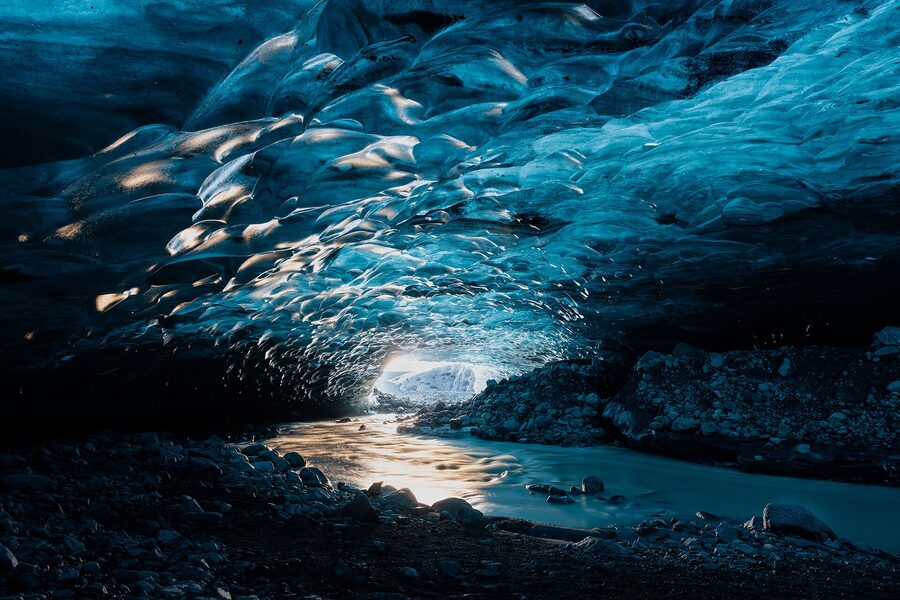
Ice caves are the most photographed thing in Iceland after the aurora and the Blue Lagoon. They’re also seasonal, weather-dependent, guide-only, and very specific about where they sit on a glacier. Show up in October expecting blue ice and you’ll be disappointed. Show up in late January with a guide who knows the cave that opened up after the November survey and you’ll come out understanding what the fuss is about.
This is the standalone guide. If you’re sketching a wider trip, the glaciers and geysers piece covers the daytime Golden Circle add-on, and the fire and ice tours set out how cave visits combine with volcano sites. Here we go deep on the cave itself, what it actually is, where you find one, and what booking it costs.
In This Article
- What an ice cave actually is
- The two kinds of ice cave you’ll choose between
- Natural blue-ice caves
- The manmade ice tunnel in Langjökull
- Where the caves are, region by region
- Vatnajökull, southeast
- Mýrdalsjökull and the Katla cave, south coast
- Langjökull, west Iceland
- Snæfellsjökull and the Lofthellir cave
- The season, week by week
- October to early November
- Mid-November to mid-March
- Late March to early April
- April to October
- Year-round options
- How to book and what it costs
- Self-drive plus a cave tour
- Multi-day tour from Reykjavik
- Day-trip flight option
- What an ice cave tour actually involves
- What to wear and bring
- Photography in an ice cave
- Safety and the no-going-alone rule
- Combining the cave with everything else
- Glacier hike on the same day
- Northern Lights at night
- South Coast classic stops
- Ring Road bigger trip
- Or just a standalone day
- What I’d skip
- What it’s actually like, with realistic expectations
- What I’d recommend
- FAQ, the questions I get asked
- Can you visit an ice cave in summer?
- Are children allowed?
- Do I need previous hiking experience?
- What if I get cold?
- Will my phone work in the cave?
- Can I drive my own car to the cave?
- What’s the cancellation policy if the weather closes things?
- The booking checklist
What an ice cave actually is
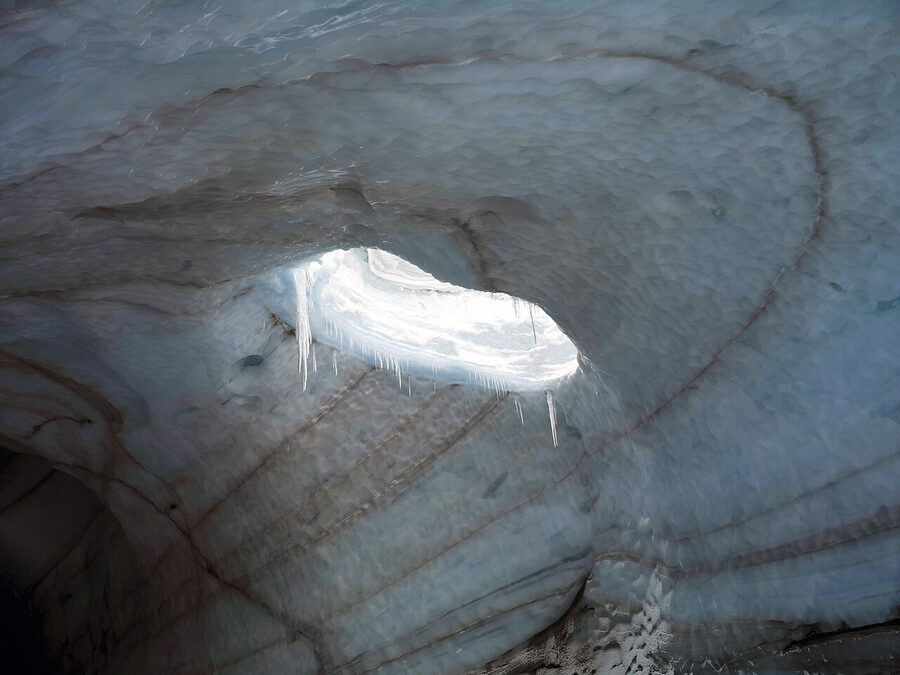
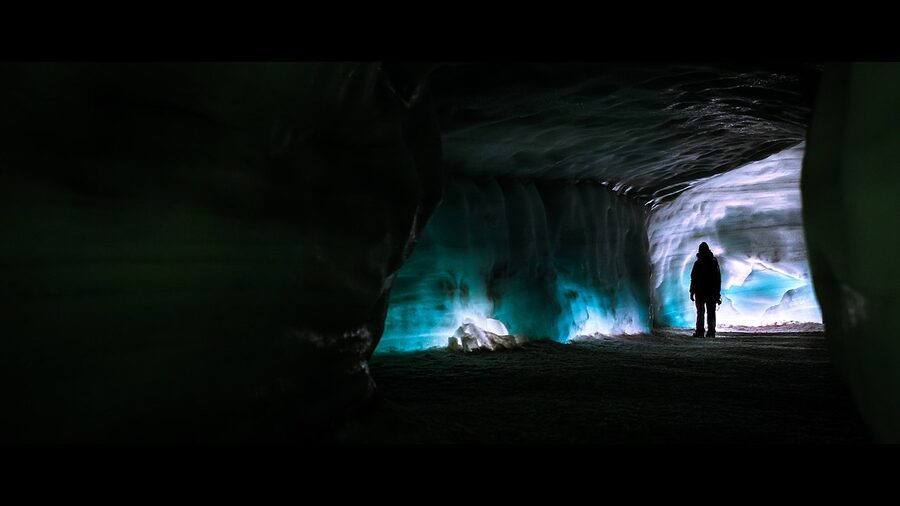
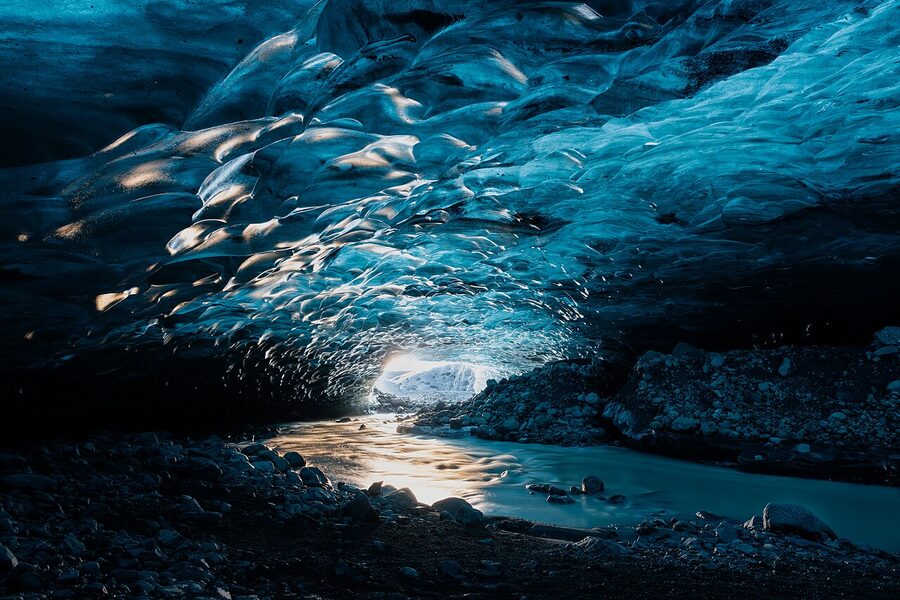
The simple version: meltwater carves a tunnel under a glacier. Each summer, water from the glacier surface finds a path through the ice and runs out the bottom. By the time autumn cools things off, the meltwater channel is empty. That’s your cave. Some are barely big enough to crouch in, some are the size of a small church, and a few have side chambers and skylights where the ice thinned enough for daylight to push through.
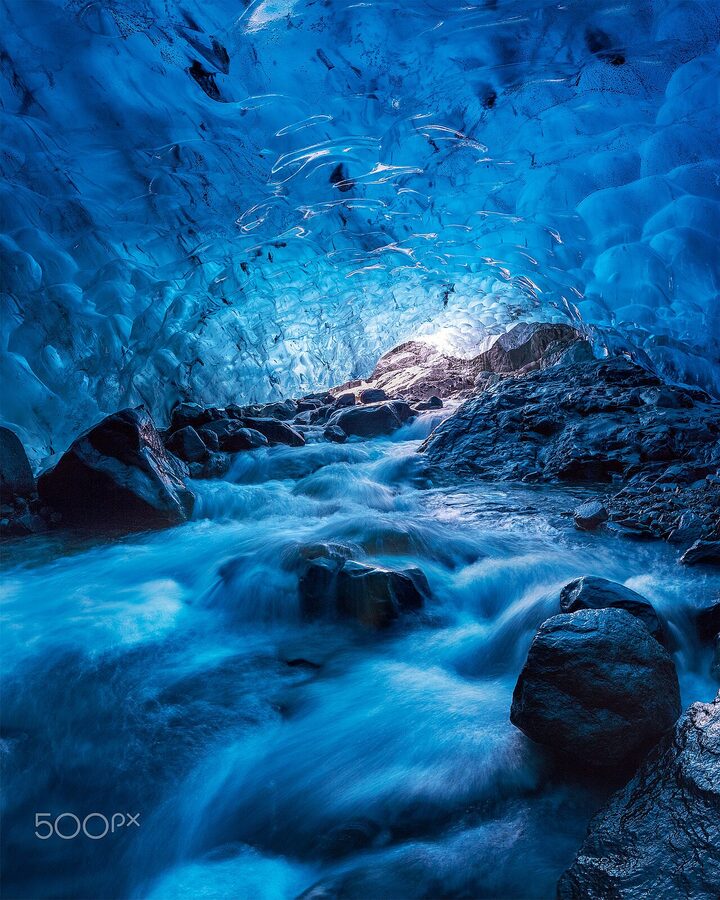
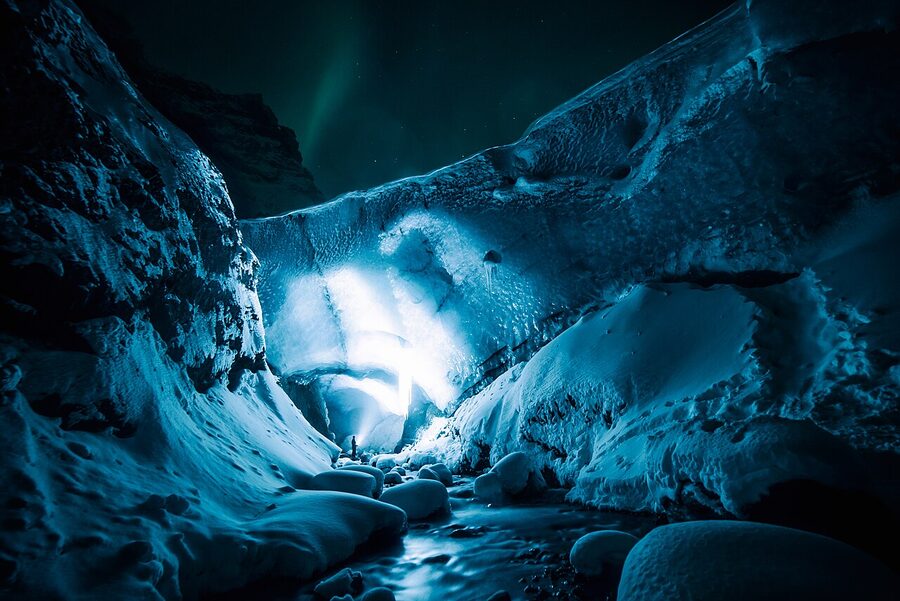
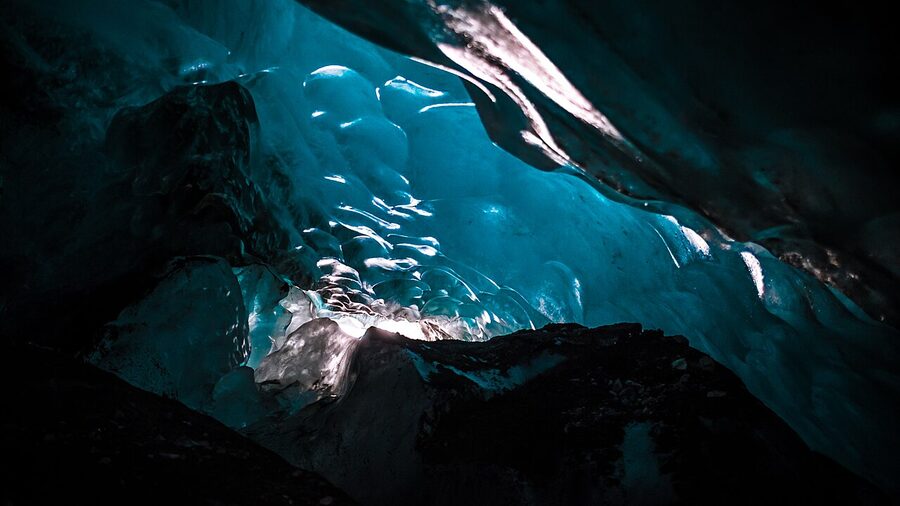
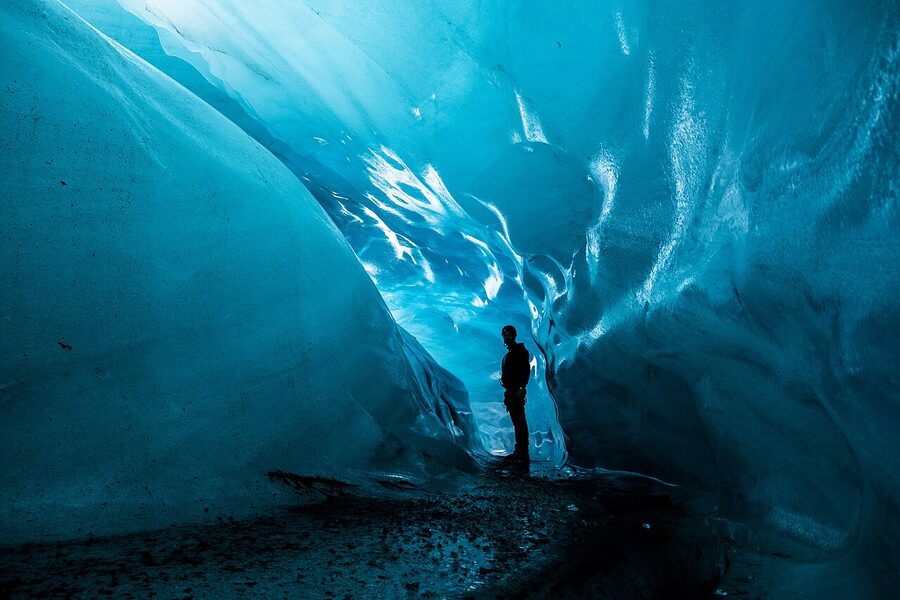
The reason they’re blue is physics, not pigment. Glacier ice is so dense and so old that it’s lost almost all the air bubbles a fresh snowdrift would have. Light goes in, the long-wavelength colours (red, orange) get absorbed, and what bounces back is blue. The deeper into the cave you go, the bluer it looks, especially when the entrance light is bright and the back of the cave is shadowed. Cameras pick this up even more strongly than the eye does. That’s why every photo looks like the inside of a sapphire and people say “it didn’t look that blue in real life.” It did, your eye just sees less of it.
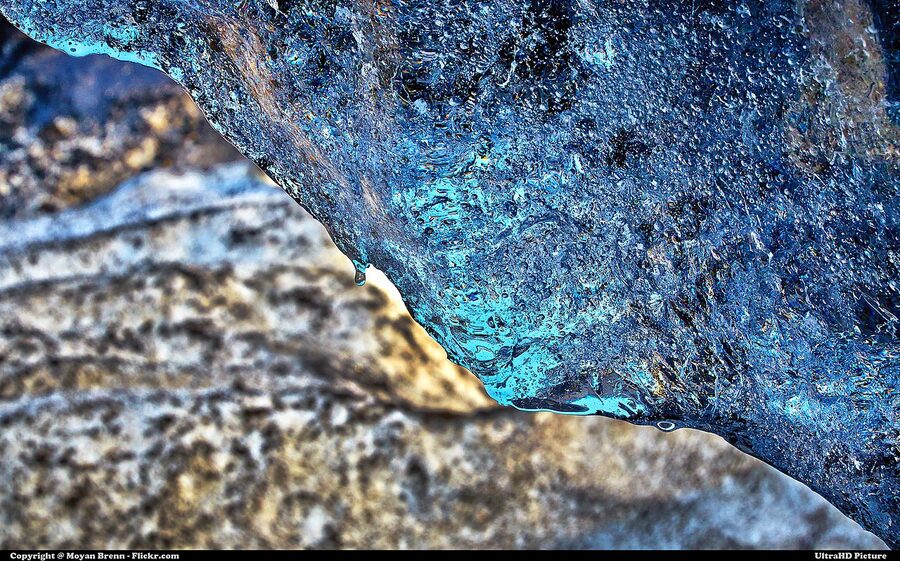
The other thing to know about ice caves is that they’re temporary. Each one is rated and re-rated each November by the operators who guide them, because what was a cave in March might be a flooded tunnel in June and a collapsed pile of rubble by August. New caves form, old ones close. The blue ice cave I went into in February 2023 doesn’t exist anymore. The one I was in last winter is a different shape entirely. So when you book, you’re booking the season, not a specific cave with a name on a sign.
This is why I get a bit annoyed when people ask “is the Crystal Cave still open?” Crystal Cave is a marketing name, not a fixed feature. There’s a Crystal Cave every winter because the operator at Vatnajökull (Vatnajokull) finds the best cave each November and that’s what they call it. Same with Sapphire Cave, Anaconda Cave, all of them. The naming is for guests. The geology is moving.
The two kinds of ice cave you’ll choose between
There are two completely different products called “ice cave tour.” Knowing which one you want is the single biggest decision before you book.
Natural blue-ice caves
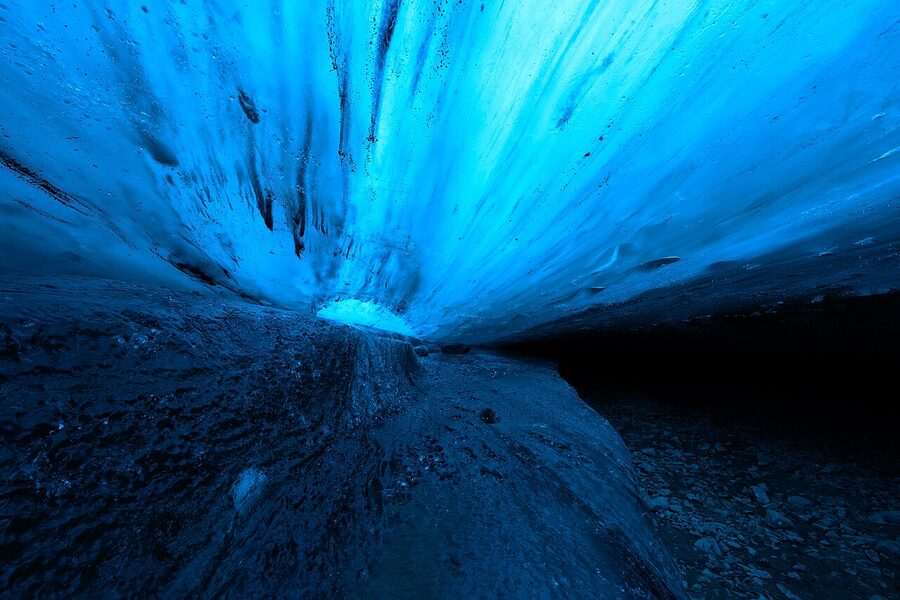
These are the iconic ones. Formed under Vatnajökull (and to a lesser extent Mýrdalsjökull and Langjökull) by the meltwater process above. Open roughly November through March, sometimes a bit either side, weather and ice conditions permitting. Each cave is unique to that year. Tours run from the southeast coast, with most departing from the Jökulsárlón (Yokulsarlon) area or from Vík.
This is what people picture when they say “ice cave in Iceland.” The blue is real, the photos are spectacular, and it’s the experience that gets the bucket-list bookmark. Cost is around 22,000 to 30,000 ISK per person for the cave-only tour, more if you add transport from Reykjavik or pair it with a glacier hike.
The manmade ice tunnel in Langjökull
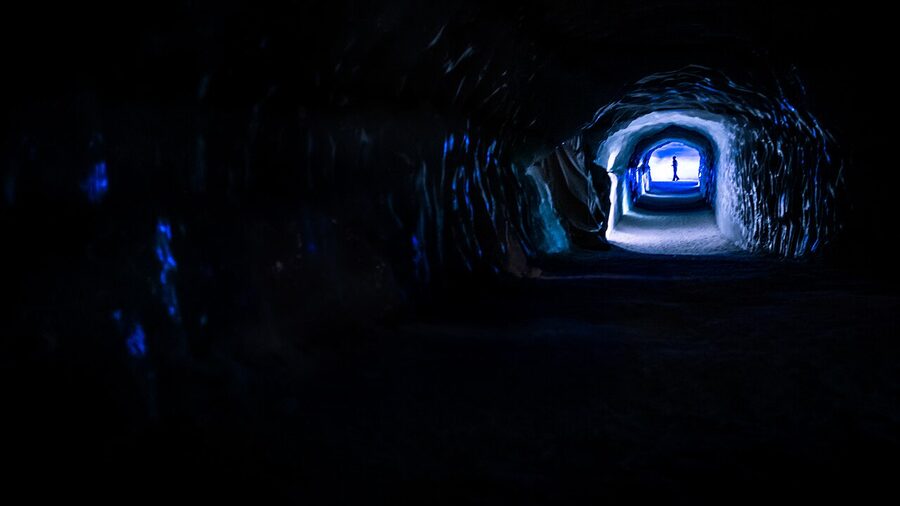
A very different thing, and worth understanding for what it is. The Into the Glacier company drilled a 500-metre tunnel into Langjökull (Langyokull) in 2015. It’s open year-round, it’s predictable, the route doesn’t change, and it has man-made features inside (a small chapel, a meeting room cut into the ice). It’s not the natural blue cave you’ve seen on Instagram, but it’s a real glacier from the inside, and crucially you can do it in summer when the natural caves are flooded.
If you’re in Iceland in July and you want to see the inside of a glacier, this is your only option. Tour cost is around 21,000 ISK from the glacier base, more if you add transport from Reykjavik. It’s accessed from Húsafell or the Klaki Base Camp on the Kaldidalur road, which is a long but interesting drive west and inland from Reykjavik.
I’ll be straight: photographically, the natural cave is more dramatic. But the tunnel is genuinely impressive in a different way (you’re walking inside a glacier, the walls are real glacial ice, the colours change as you go deeper) and it’s the right answer for summer travellers, families with younger kids who can’t do the natural caves, and anyone visiting between April and October.
Where the caves are, region by region
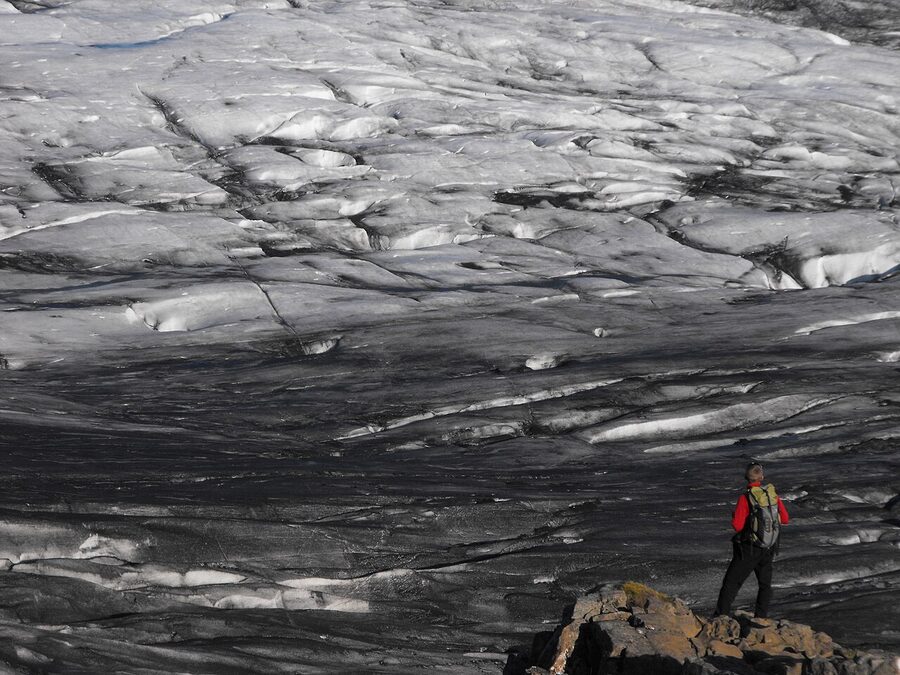
Iceland’s glaciers are spread across the south and centre, but only a few have caves you can actually visit. Here’s where the active tour operators run.
Vatnajökull, southeast
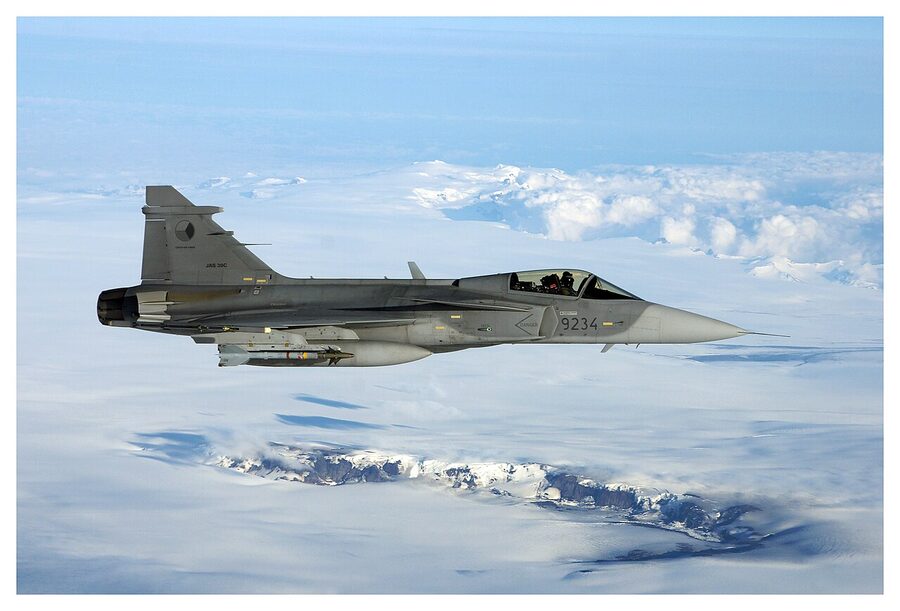
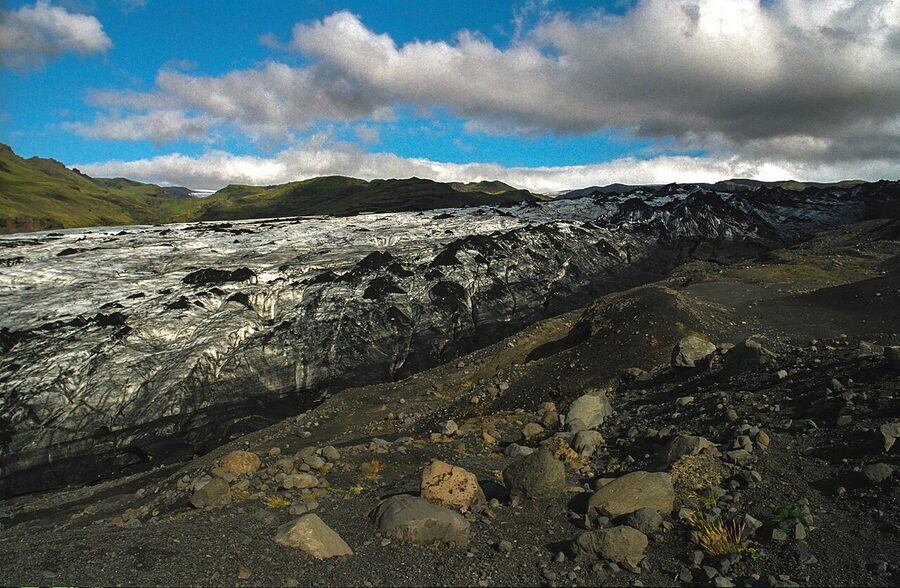
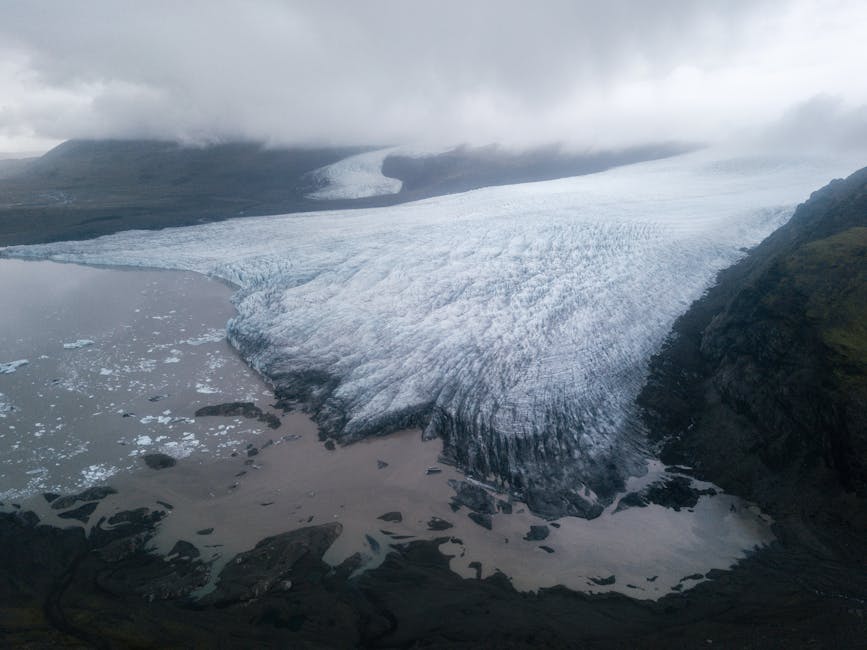
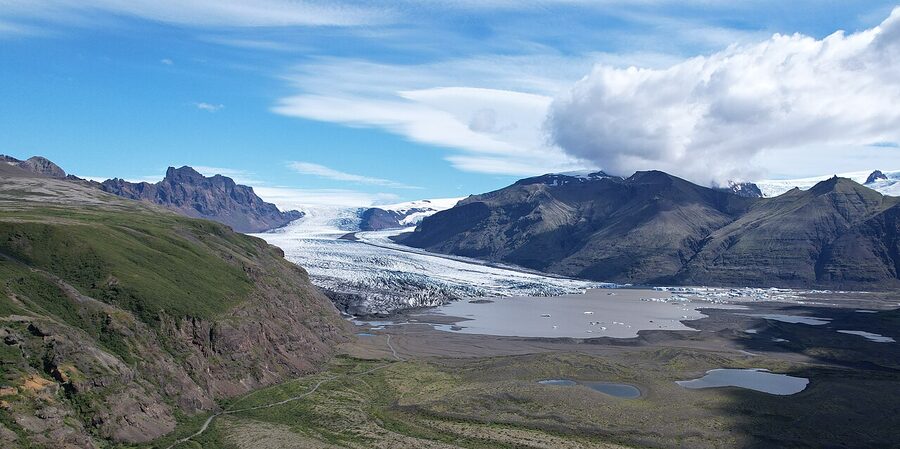
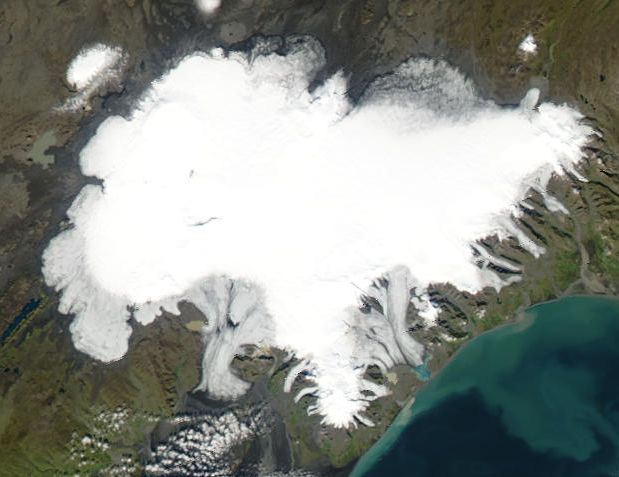
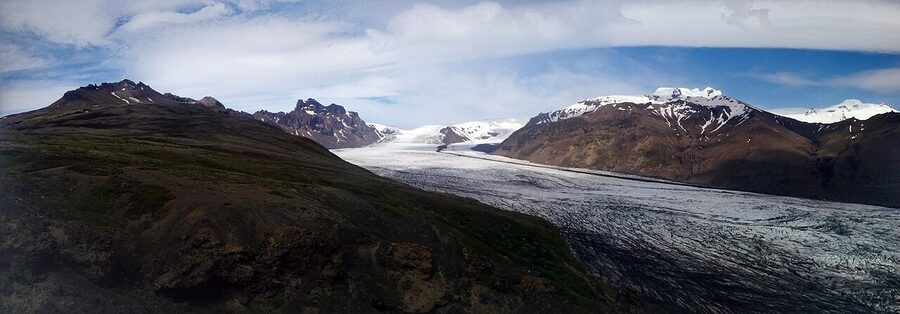
This is the headline region. Vatnajökull is Europe’s largest glacier by volume, covering 8% of Iceland, and it’s the source of the most photographed ice caves in the country. Tours start from the glacier’s edge, usually somewhere along the south coast between Skaftafell and Jökulsárlón. The drive from Reykjavik is around 4 to 5 hours, depending on the season and the weather.
The cave itself sits under one of the outlet glaciers that flow off the main ice cap. Breiðamerkurjökull (Breithamerkuryokull) is the most common one (it’s the glacier that calves into Jökulsárlón lagoon), but operators also run tours under Falljökull, Svínafellsjökull, and other tongues depending on which cave was rated safest in the November survey. You’ll often see the cave called “Crystal Cave” or “Sapphire Cave” or some marketing variant. As I mentioned earlier, those are the operator’s chosen names for that season’s best find, not fixed places.
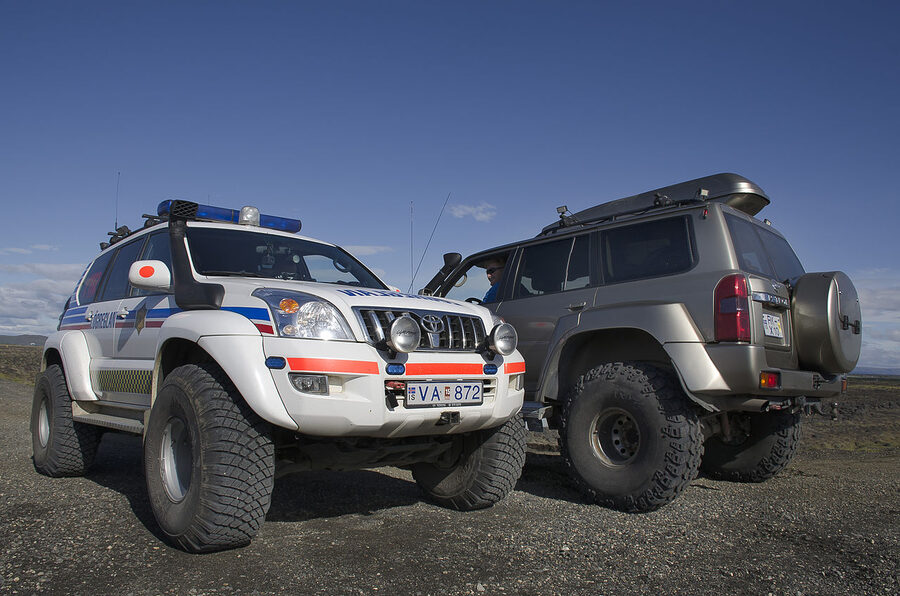
Most tours assemble at a meeting point near Jökulsárlón glacier lagoon or at the Glacier Adventure depot at Hali, then go up the glacier in a super-jeep (huge tyres, raised suspension, the only thing that handles the rough glacier moraine). From there it’s a short walk to the cave entrance. The whole thing takes around 3 to 4 hours including drive time.
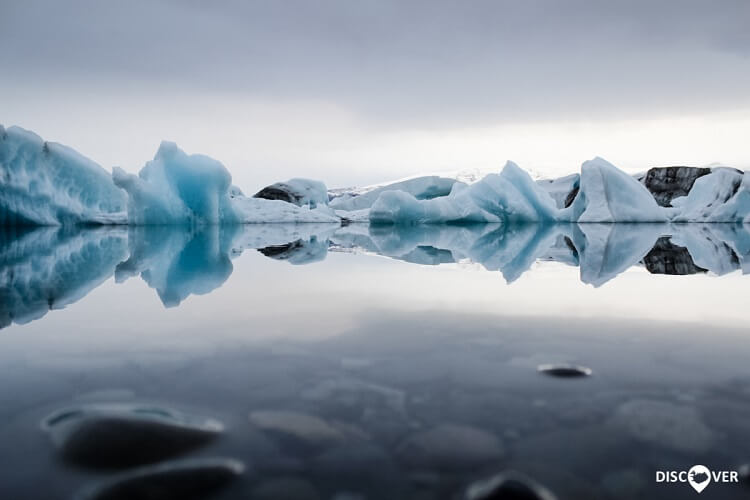
Operators I’d point you to: Glacier Adventure at Hali (small family-run, very photographer-friendly), Glacier Guides from Skaftafell (long-running, good safety culture), and Arctic Adventures who do both day-tours and multi-day Reykjavik packages. Troll Expeditions also runs out of this area with combo packages that pair the cave with a glacier walk on the same day.
Mýrdalsjökull and the Katla cave, south coast
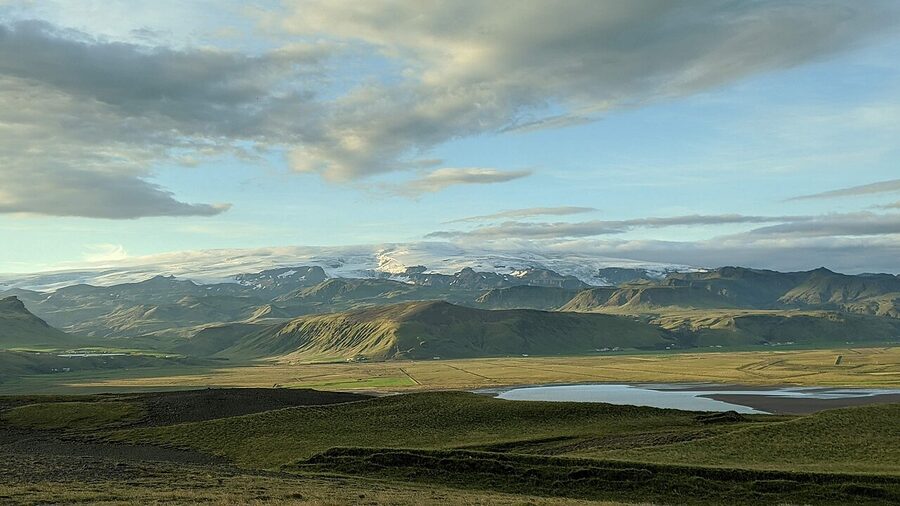
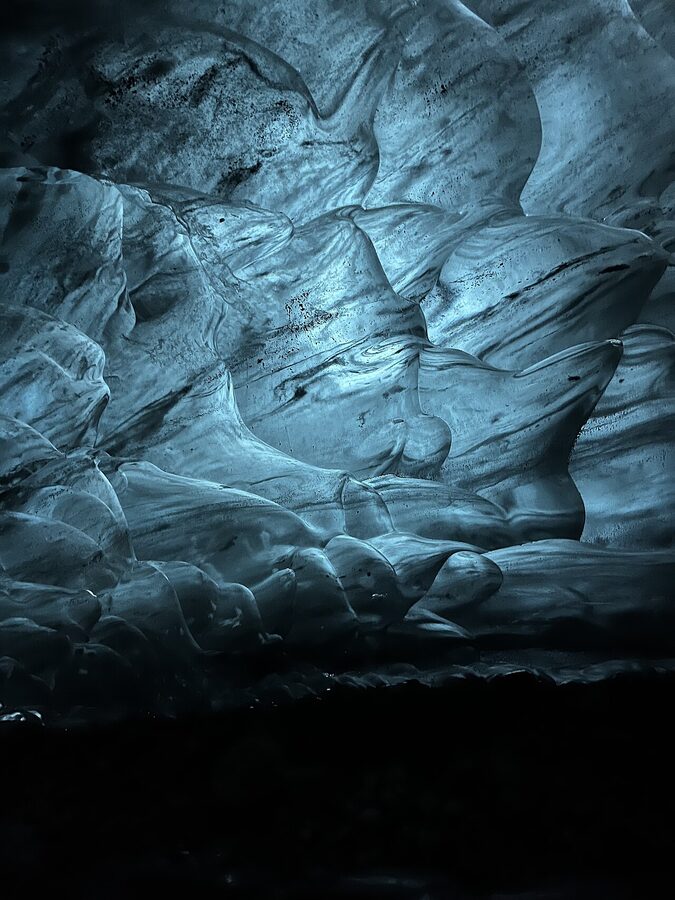
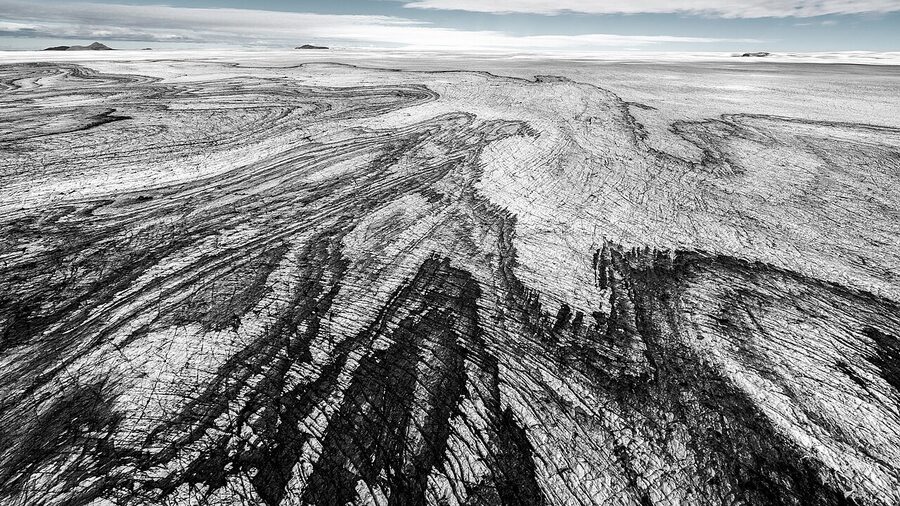
The Katla cave is under Mýrdalsjökull (Myrdalsyokull), the glacier that sits on top of the Katla volcano. It’s accessed from Vík, which is roughly 2.5 hours from Reykjavik, and it has two big things going for it. First, it runs year-round (it’s a sub-glacial chamber, not a meltwater channel, so it doesn’t flood the same way in summer). Second, the ice is striped with black volcanic ash from old Katla eruptions, which gives a completely different look. Less iconic blue, more dramatic geological layering.
Cost is around 22,000 ISK with Katlatrack, who specialise in this cave and run the super-jeep up from Vík. I’d say if you’re already on the South Coast and you want to see a glacier interior any month of the year, the Katla cave is the easiest answer. It doesn’t have the postcard blue, but the striped ash bands look like nothing else.
Langjökull, west Iceland
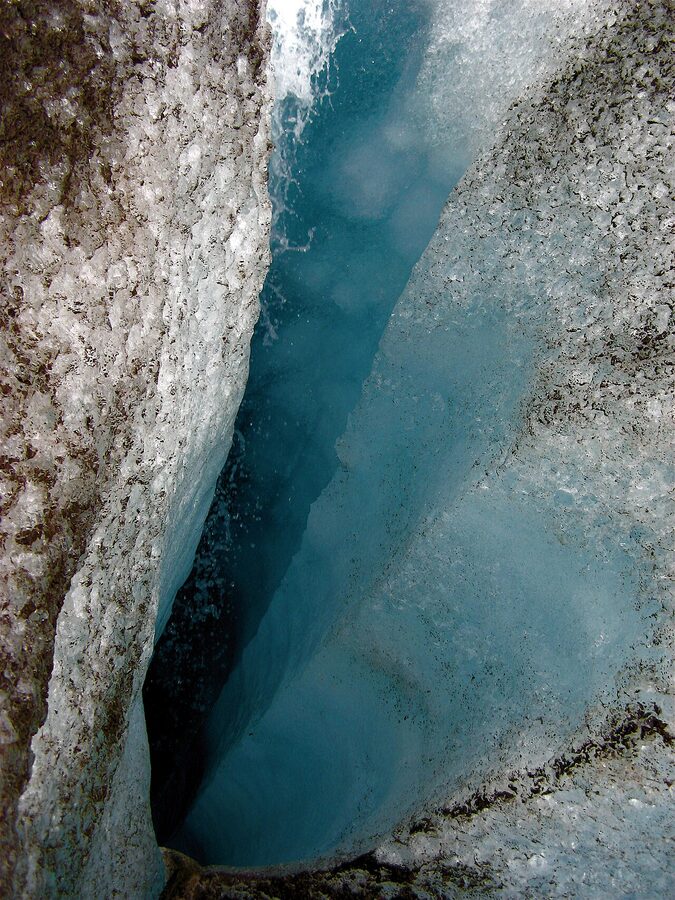
Langjökull is the second-largest glacier in Iceland and the home of the manmade Into the Glacier tunnel I mentioned. There are also some natural cave tours run on Langjökull in winter, but the tunnel is the main draw and the only year-round option. Into the Glacier is the only operator. The tunnel is accessed from Húsafell (around 1 hour 45 minutes north of Reykjavik) or from the Klaki Base Camp further up the Kaldidalur road, which most tours include shuttle access to.
Snæfellsjökull and the Lofthellir cave
Two small mentions for completeness. Snæfellsjökull (Snyfellsyokull) on the Snæfellsnes peninsula has occasionally hosted cave tours when conditions allow. They’re rare, weather-dependent, and tend to operate on short seasons. The Lofthellir cave near Lake Mývatn in the north is technically a lava cave with ice formations rather than a glacier cave, but it’s often listed in the same articles. Different experience entirely (wet, narrow, requires a tour) and worth knowing about if you’re up north.
For the rest of this guide I’ll focus on the main three: Vatnajökull, Katla, and Langjökull, because those are the ones the average visitor will choose between.
The season, week by week
This is the part the booking sites tend to gloss over. Cave tours are seasonal, and “the season” is not a hard date. Here’s how it really shakes out.
October to early November
Edge of the season. Some operators start running natural Vatnajökull cave tours in late October if the cave is rated safe, but it’s not guaranteed. I’d avoid booking before mid-November unless you’re already in Iceland and can be flexible. The light is decent (sunrise around 8am, sunset around 5pm) but the cave itself might not be open yet.
Mid-November to mid-March
The proper season for natural blue-ice caves. November and December tours run regularly, January is peak season for the deepest blue (the cave has had time to settle), February and March often have the best combination of cave quality and growing daylight. If you can pick your weeks, mid-February to mid-March is what I’d choose. The cave is at peak quality, the days are noticeably longer than December (you’ll have 9 to 11 hours of daylight by late February), and the weather is starting to be less unpredictable.
December and January are the darkest months. The sun barely clears the horizon, you’ll have 4 to 6 hours of usable daylight, and your cave visit will fall somewhere between 10am and 3pm. The cave itself is bright blue from the inside (the ice glows even in low outside light), but if you want to combine the cave visit with anything else, you’re racing the dark.
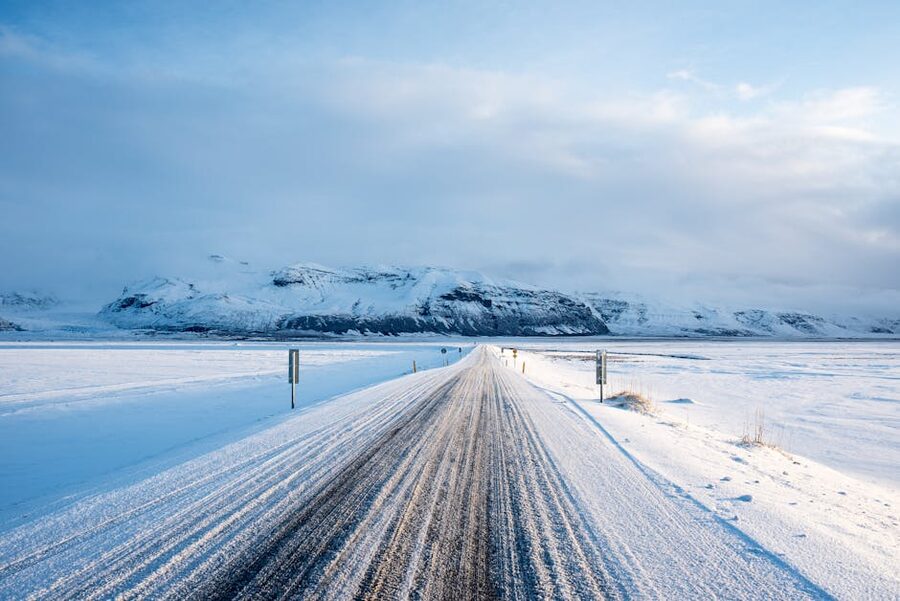
One thing nobody mentions: a winter storm can shut down Route 1 for half a day, which can wreck your cave-tour booking if you’re staying in Reykjavik. The forecast at en.vedur.is and the road conditions at road.is are essential reading the day before any tour. Operators will reschedule or refund if the road’s closed, but you don’t want to find out at 6am.
Late March to early April
Tail end of natural caves. By April most operators have stopped running, because the meltwater is starting up again and the caves get unstable. Late March is still doable but you’re rolling the dice.
April to October
Natural caves are closed. Your only option is the Langjökull tunnel or the Katla cave. Both run year-round. If you’re visiting Iceland in summer and someone tries to sell you a “blue ice cave tour,” ask them which glacier and which cave. Nine times out of ten it’s the Katla cave (which is striped, not blue) or it’s an indoor exhibition like the one at Perlan.
Year-round options
Katla cave (under Mýrdalsjökull, accessed from Vík) and the Into the Glacier tunnel (in Langjökull, accessed from Húsafell) both run all year. These are your summer options. The Perlan museum in Reykjavik also has a built ice-cave exhibit (real glacier ice, not a tour) which I’ll come back to as a fallback.
How to book and what it costs
Three realistic ways to actually do this. Each suits a different kind of trip.
Self-drive plus a cave tour
This is what I’d do if I had time. Drive yourself from Reykjavik to the southeast (Jökulsárlón or Höfn area), stay one or two nights, book a cave tour from a local operator. The drive is 4.5 to 5 hours each way along Route 1, the South Coast scenery on the way (Seljalandsfoss, Skógafoss, Reynisfjara) is part of the trip, and you wake up with the cave operator 20 minutes from your hotel.
For accommodation, the easiest options are Fosshotel Glacier Lagoon (right by Jökulsárlón, big modern building, breakfast is solid), Hotel Höfn in the town of Höfn (about 50 minutes from the lagoon, more places to eat in the evening), or Hali Country Hotel if you want to stay where Glacier Adventure runs from. Magma Hotel is another solid option further west if you want to break the drive.
Total cost: cave tour (22,000 to 30,000 ISK), one or two nights’ accommodation (25,000 to 45,000 ISK per night for the better hotels in winter), plus your car rental and fuel. For two people on a two-night southeast trip with one cave tour, you’re looking at roughly 200,000 to 280,000 ISK total, not including food.
Multi-day tour from Reykjavik
If you don’t want to drive in winter (and a lot of people don’t, fair enough), the multi-day tour is the cleaner option. You leave Reykjavik in a small minibus or super-jeep, do the South Coast classics on the way down, sleep at a hotel near Jökulsárlón, do the cave tour the next morning, and return to Reykjavik. Two-day or three-day options are most common.
Operators worth looking at include Arctic Adventures, Troll Expeditions, and GetYourGuide’s Iceland day tours as a comparison platform. Cost is roughly 80,000 to 120,000 ISK per person for the two-day version, more if it’s a three-day with a glacier hike or extra overnights. That includes transport, accommodation, breakfast, the cave tour, and the guide.
You’re paying a premium over self-drive but you’re also not driving on icy roads in the dark. For a lot of visitors that’s worth it.
Day-trip flight option
The fastest version: a domestic flight from Reykjavik to Höfn in the morning, ice cave tour, flight back. Air Iceland Connect runs the route. It’s expensive (often 80,000 ISK and up for the package) and weather risk is high (winter flights to Höfn get cancelled regularly), but if you’ve got one day in Iceland and you want to see a cave, this is the only way.
I’ve done this once. The flight back was delayed five hours by a snowstorm. We made it but it was tense. I’d only recommend this if you’re either lucky on the weather or fine with treating it as a half-failed-but-still-worth-it kind of day.
What an ice cave tour actually involves
The mechanics, in order, so you know what you’re walking into.
You arrive at the meeting point. For Vatnajökull tours this is usually a depot near Jökulsárlón or at Hali, for Katla it’s at the Katlatrack base in Vík, for the tunnel it’s at Klaki Base Camp on Langjökull. Most operators ask you to be there 15 to 30 minutes before departure. Bring your booking confirmation, your warm clothes, and a bag for the gear you’ll be issued.
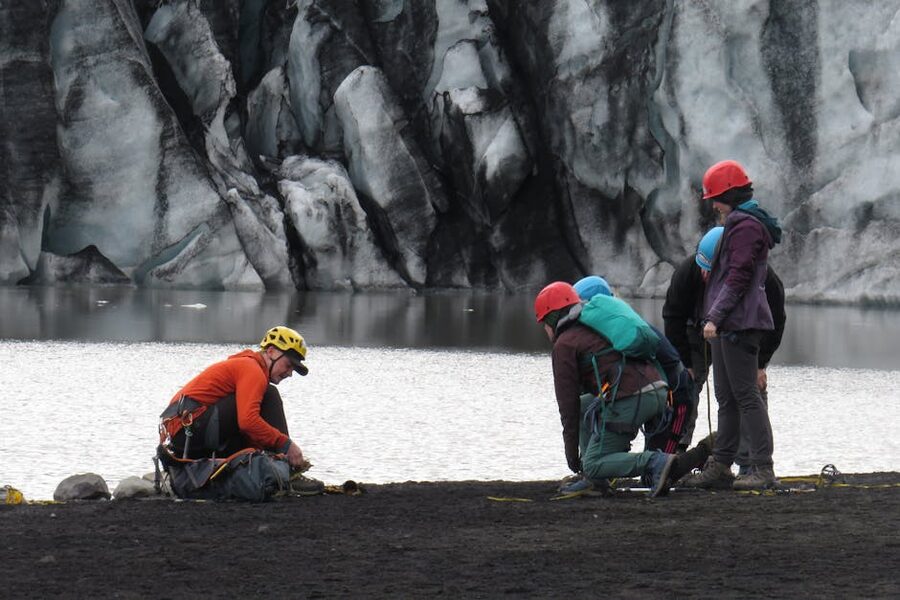
You get geared up. Helmet, crampons (steel spikes that strap onto your boots), and sometimes a harness if the cave route involves ropes. The guide will check your boots are stiff enough for crampons (soft trainers won’t work, you’ll either be turned away or given rental boots). Headlamps are usually provided but bring your own if you have one. Gloves you’re expected to bring yourself, and bring a backup pair because one will get wet.
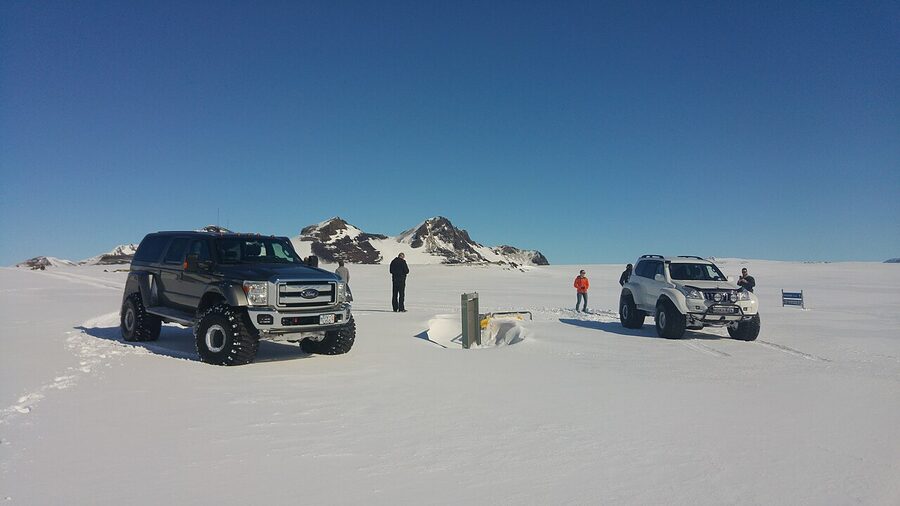
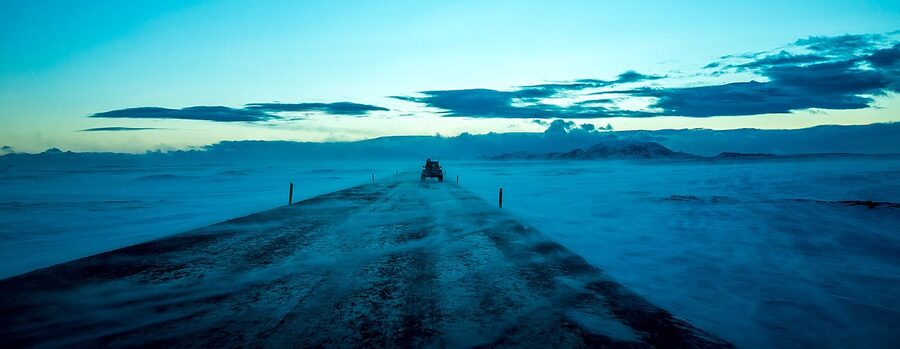
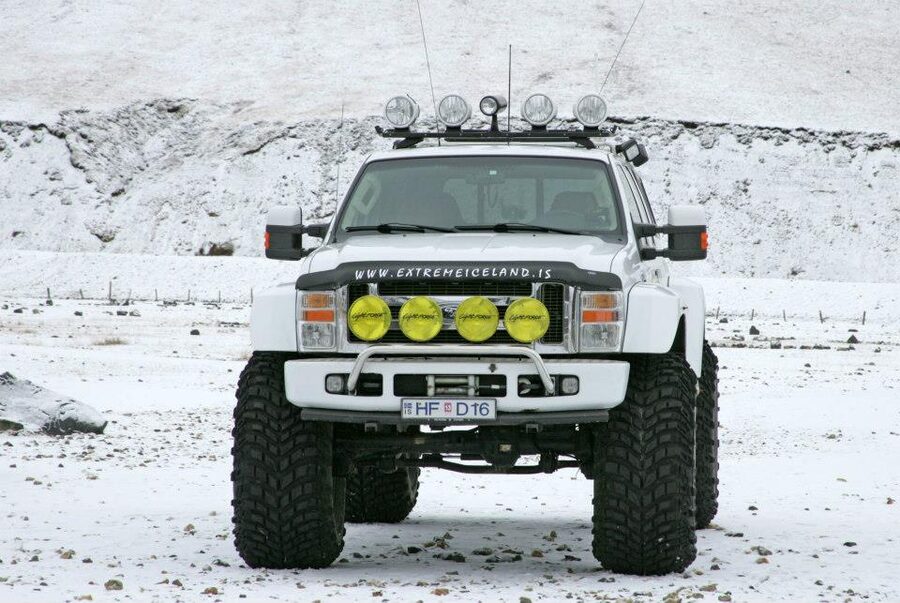
You drive up the glacier. This part is its own experience. The super-jeeps have giant tyres deflated to almost flat for grip on ice and gravel, the suspension is brutal, and the route across the glacier moraine is essentially a dirt road that the operator has been carving out and re-carving since November. It takes 30 to 60 minutes depending on which cave you’re going to and what the weather’s done overnight.
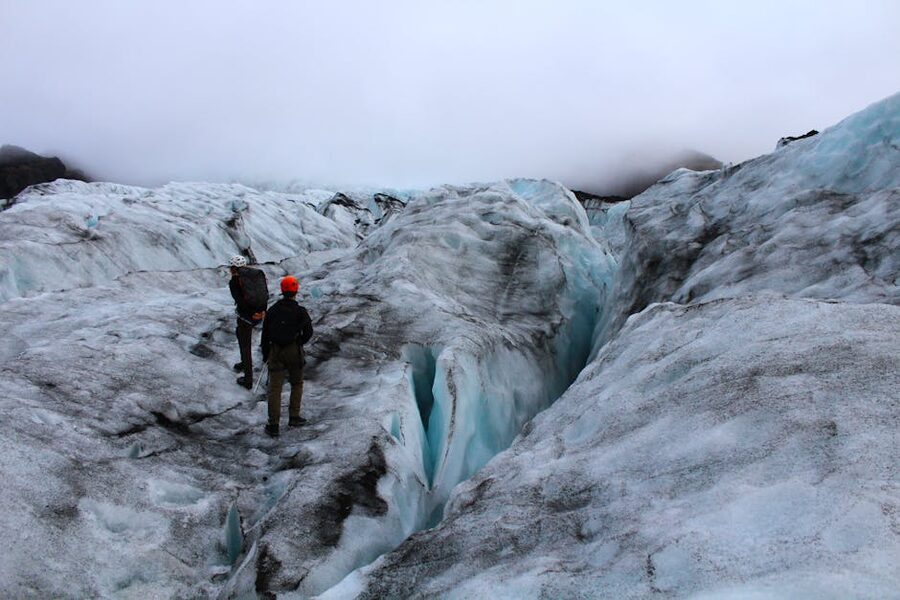
You walk to the cave entrance. Anywhere from 5 to 20 minutes on the ice, usually with crampons on. The guide leads, you follow in the prints. Don’t wander off the route. The glacier surface is full of crevasses and meltwater channels and most of them are not visible.
You go inside. This is the part you’re paying for. Tours typically spend 30 to 45 minutes in the cave, depending on size and weather. The guide will explain how the cave formed, where the best photo spots are, and which sections are safe to walk through. Some caves have a single chamber, some have multiple connected sections you can wander through. The light changes constantly as people move around.
You walk back, drive back, return the gear. Total trip from meeting point to back at base is usually 3 to 4 hours. If your tour includes a glacier hike on the same day, add another 2 to 3 hours.
One thing nobody warns you about: the inside of the cave is around 0°C. The outside, when you’re getting in and out of the super-jeep, can be -10°C with windchill that takes it lower. The cave itself is the warm part. Layer accordingly.
What to wear and bring
The standard Iceland winter kit, with two specific tweaks for cave tours.
Insulated waterproof outerwear. The shell needs to actually keep wind out, the insulation needs to actually keep heat in. Cheap outdoor jackets from a fast-fashion shop won’t cut it for a four-hour tour in -5°C with wind. If you’re flying in without proper kit, you can rent the works (jacket, trousers, boots) from Icewear Rental or similar in Reykjavik for around 5,000 to 8,000 ISK per day.
Wool or synthetic base layers. Two layers under the shell is normal: a wool or synthetic top and bottom, then a fleece or down mid-layer, then the shell. Cotton kills people in Icelandic winter. Skip cotton entirely.
Wool socks and waterproof boots. Ankle-high hiking boots minimum. The crampons strap onto stiff soles, so trainers and soft urban boots won’t work. If you’re not sure about your boots, ask the operator before you arrive and they’ll usually rent you a pair. Bring two pairs of wool socks because one will get damp.
Two pairs of gloves. This is the tweak. Photographer gloves with the fingertip flap-back are useful inside the cave (you’ll want to handle a phone or camera) but they get cold fast. A heavier outer glove for the walking and the super-jeep ride. Swap as needed.
A warm hat. One that covers your ears. The hood of your jacket isn’t enough on its own.
A small dry bag or stuff sack. Snow gets in everywhere. Anything you don’t want wet (electronics, spare gloves, snacks) goes in the dry bag.
Snack and water. Most tours don’t include food. A flask of hot tea or coffee is a small luxury that becomes a big one halfway through.
Photography in an ice cave
If you want photos that look like the ones that sold you on the trip, here’s what works.
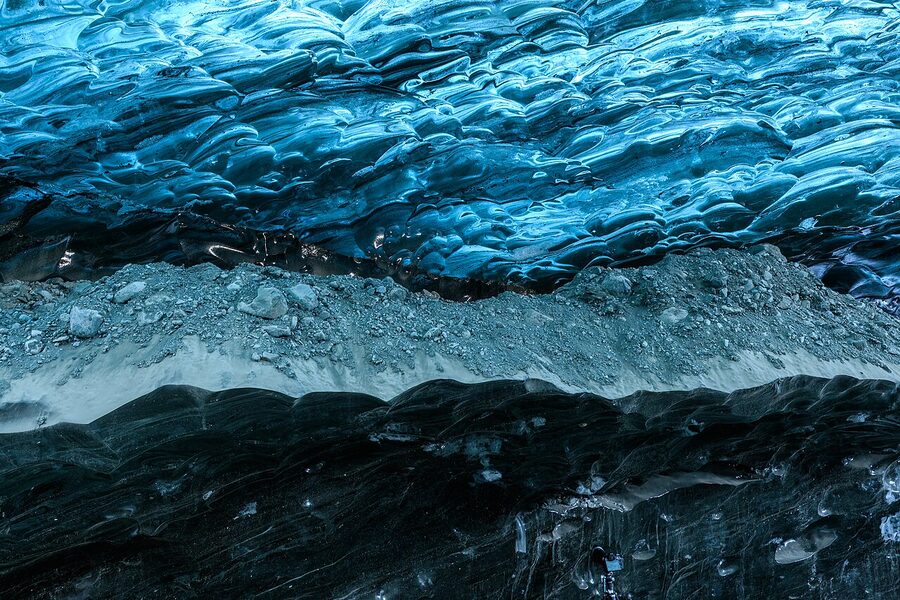
The cave reads bluer in photos than the eye sees. This isn’t a bug, it’s how camera sensors handle the light. Shoot RAW if you can, because you’ll have more flexibility to dial the blue back if it’s overcooked, and you’ll get more detail from the shadows.
Wide-angle lens. The cave interior is a confined space and you want to capture the geometry. A 16-35mm or 24-70mm on full-frame works well, an equivalent on a crop sensor (10-22mm or so) is even better. A phone with a wide lens is genuinely capable here, especially with Night Mode for the interior shots.
Tripod almost essential. The cave is dim. Even with a fast lens you’ll be at slow shutter speeds, and bracing against an ice wall is not stable. A small travel tripod (the kind that fits in a daypack) is enough. Some operators don’t allow full-size tripods inside the cave for space reasons, so check before you bring a heavy one.
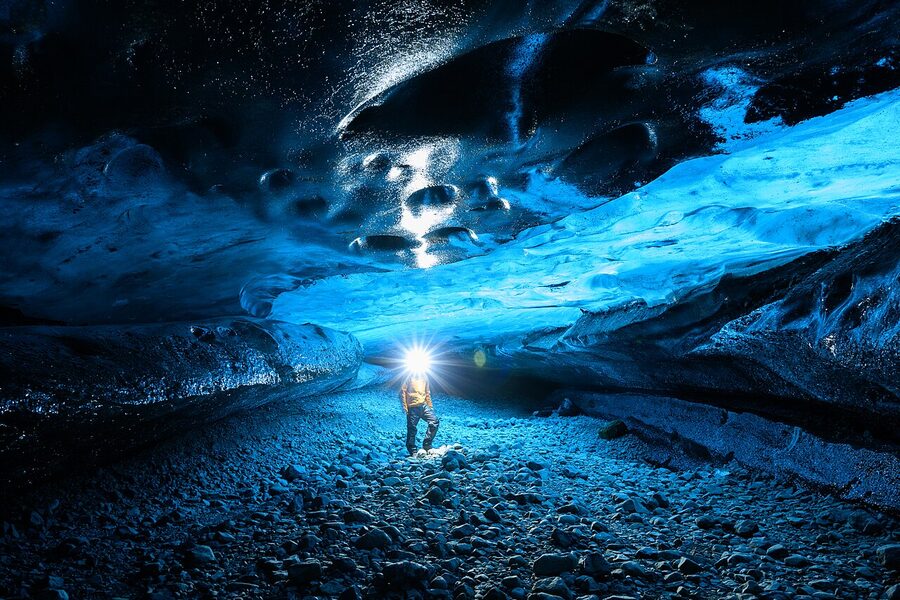
The classic shot is a person standing in the cave for scale. Pick a position where the person is between the camera and a lit-up section of ice (so they’re silhouetted against the blue). Headlamp on, looking either away from the camera or up into the ceiling. Ask your guide to wait at a chosen spot, or volunteer for someone else’s shot and ask them to take yours next.
The empty-cave shot, no people, all geometry, is harder than it looks. You’re in a group of 8 to 15. Wait for the shifts. There’s usually a moment when one group has just left and the next is still waiting outside. The guide can help with this, but you have to ask. “Is there a moment we’ll have the back chamber to ourselves?” gets the conversation started.
Headlamp use. The ice glows when light hits it from the inside. A headlamp held against the ice wall lights the whole panel from within. Some of the most striking shots are taken this way.
Safety and the no-going-alone rule
Never enter a glacier ice cave without a certified guide. I’m going to repeat that, because every winter someone tries it and someone dies.
The reason is simple. Ice caves look static and they aren’t. The roof of a cave that’s been stable for two months can drop a fridge-sized chunk of ice without warning. Meltwater channels that look frozen can have running water under thin ice that breaks through. Crevasses near the cave entrance can be hidden under a few centimetres of fresh snow. Guides know which bits of ice are sound today versus a week ago, because they walk these caves every day and they get briefings from the safety lead each morning.
The well-known operators (Glacier Adventure, Mountain Guides, Arctic Adventures, Troll Expeditions, Katlatrack) are vetted, certified, and insured. They reschedule or cancel tours when conditions change. They carry rescue gear and trained first-aiders. They know the route through the cave. The few hundred ISK you’d save by trying to find a cave on your own is not worth what’s at the other end of that trade.
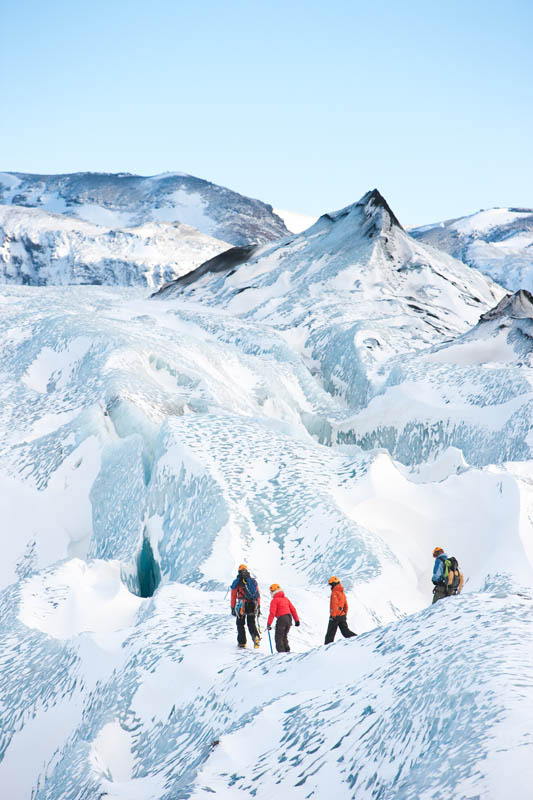
The second safety thing: listen to your guide on the route through. Many caves have low ceilings (you’ll be bent over for stretches), slippery floors (the crampons help but you can still slip), and sections where the wall is thin enough that you shouldn’t lean on it. Walk where the guide walks. Don’t put your hand against ice that hasn’t been pointed at as safe.
The general Iceland safety site at safetravel.is has more on glacier safety and on the SafeTravel app, which is worth installing whatever tour you’re doing.
Combining the cave with everything else
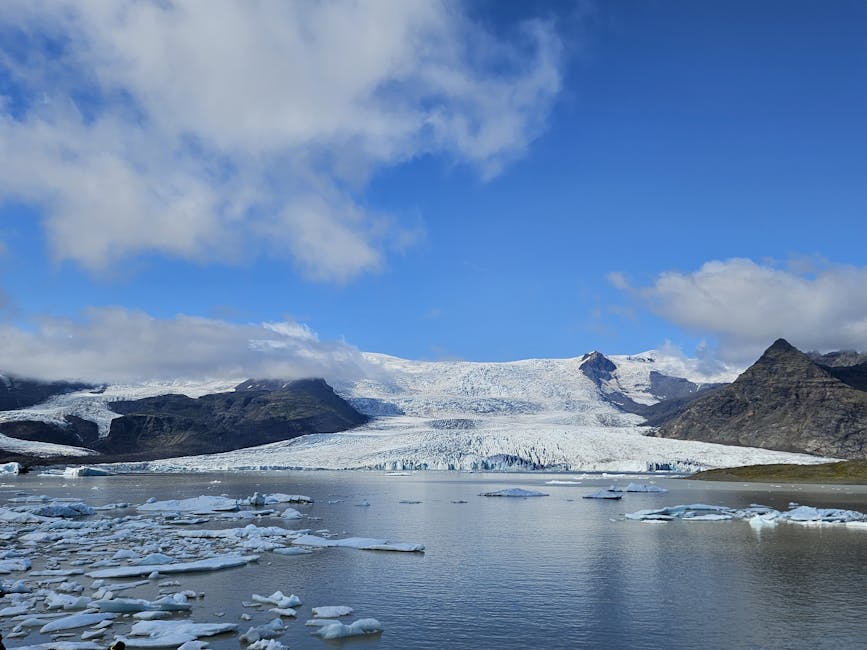
The cave is two to four hours of your day. What you pair it with matters as much as the cave itself.
Glacier hike on the same day
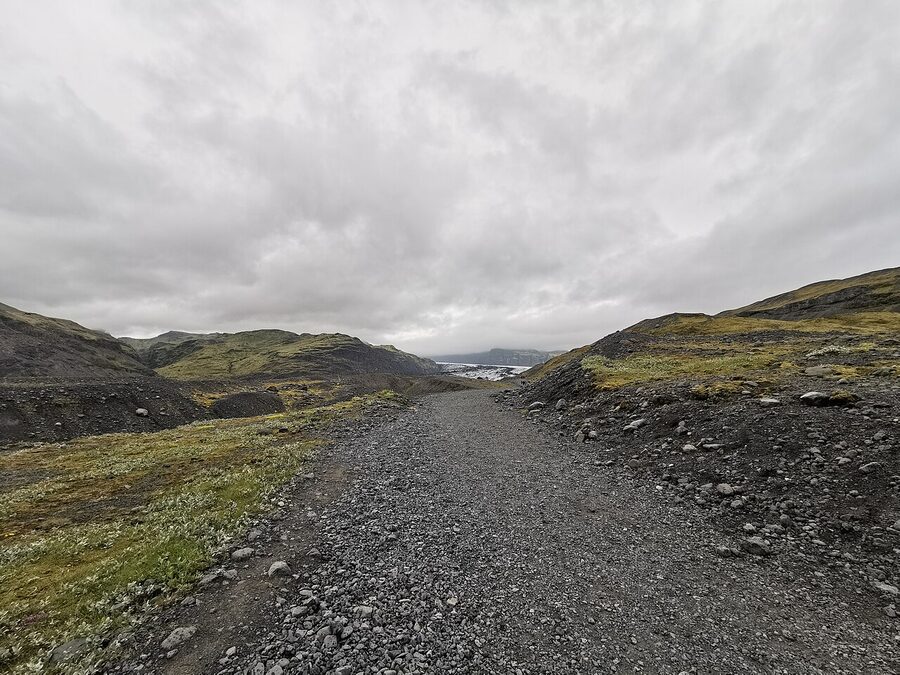
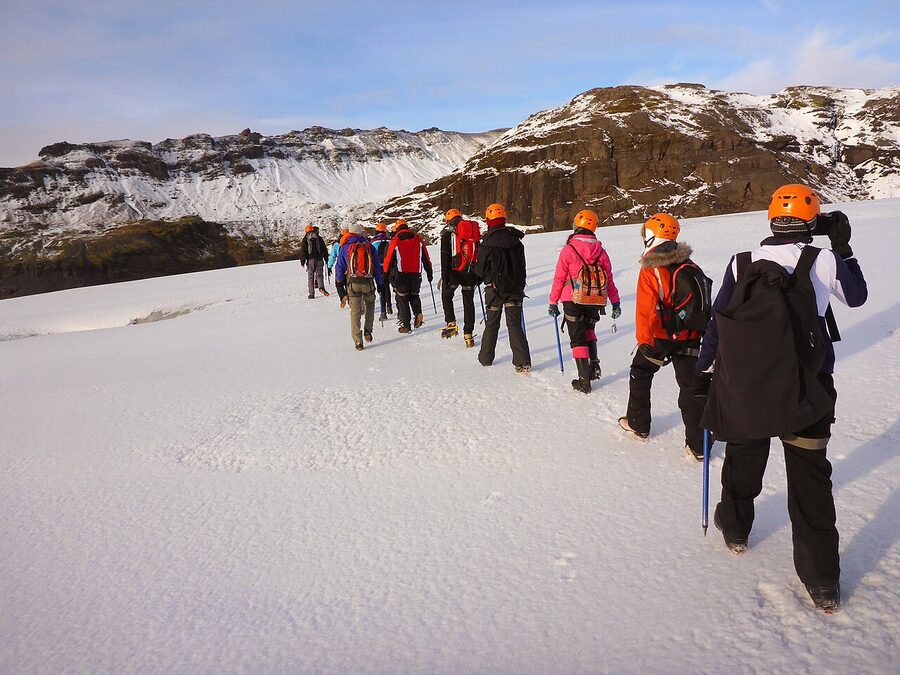
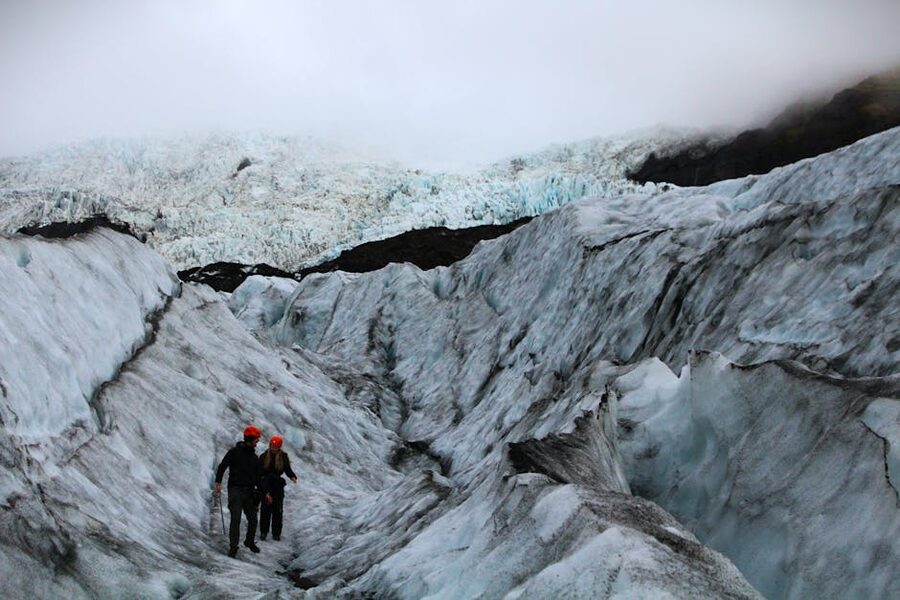
This is the most popular combination. A lot of operators do a half-day glacier walk on Vatnajökull (or Sólheimajökull, which is closer to Vík) followed by a cave visit, or vice versa. You’re already kitted up, the super-jeep is already on the glacier, the gear is already on your boots. The walk gives you the surface experience (crevasses, moraine ridges, the scale of the thing), the cave gives you the inside. They complement each other.
If you’re choosing one or the other, the cave is the more iconic experience. The glacier walk is more about the views and the geological scale. Both are worth doing if you have the day.
Northern Lights at night
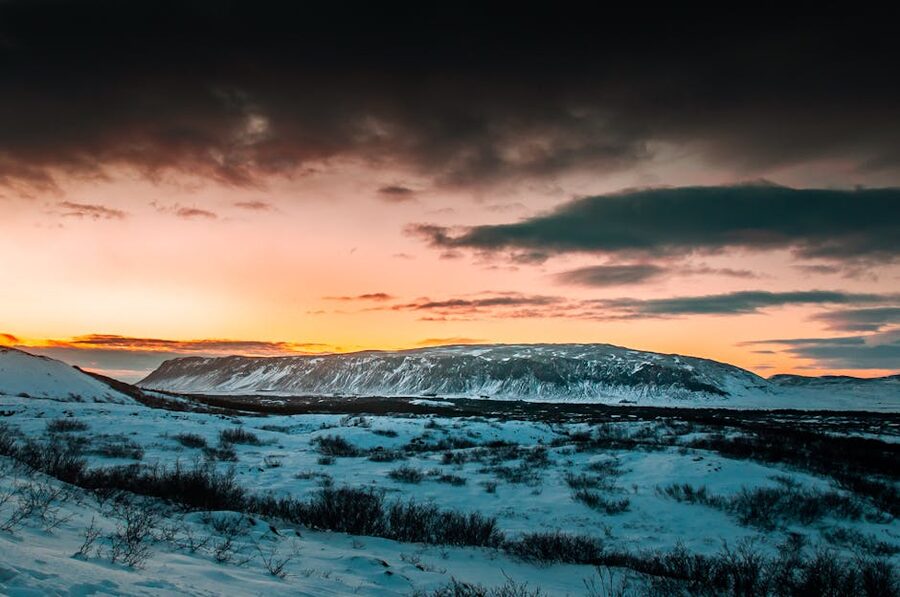
The classic winter combo. Cave by day, aurora at night. Both depend on the weather, neither is guaranteed. The aurora is most likely on a clear, cold night with high aurora forecast activity. If you’re staying near Jökulsárlón you’ve got dark skies and a good chance, especially if you’re already there for the cave. The full guide on chasing the lights is at our northern lights piece, but the short version is: book the cave for daytime, then walk outside after dinner and look up. A few times a winter that’s all it takes.
South Coast classic stops
The drive from Reykjavik to Jökulsárlón hits Seljalandsfoss, Skógafoss, Reynisfjara, and Vík. None of them deserve more than 30 to 45 minutes each, but they’re all on the road. If you’re self-driving, plan to stop at each. The black sand at Reynisfjara is the one to be careful around (sneaker waves are real, two people have died there in the last decade) but it’s worth seeing. Our photo tour piece covers what to look for at each stop.
Ring Road bigger trip
If you’re doing the full Ring Road circuit, the cave is on the route. Day three or four of a typical clockwise loop usually puts you at Jökulsárlón. Add the cave tour as your headline experience there. It pairs well with a Diamond Beach walk in the morning and a Jökulsárlón boat tour in the summer (boat tours don’t run in cave season but if you’re back in summer you’ll want to know).
Or just a standalone day
Reykjavik based, no road trip, just want to see a cave. Then it’s the day-trip flight, a multi-day minibus tour, or the Langjökull tunnel for a long but doable day-trip from the city. Of the three, the Langjökull tunnel is the easiest standalone if you’re short on time.
What I’d skip
A few things that get sold as ice cave experiences that I think aren’t worth your money.
“Ice cave” tours that turn out to be a kayaker’s mini-cave or a small cleft in the ice that doesn’t justify the price. If a tour is dramatically cheaper than the others (say 8,000 ISK when others are 22,000), look closely. The good cave operators are priced in the same band because the costs are real (super-jeep, fuel, certified guides, insurance, safety gear).
Booking two different cave tours in the same trip. They’re more similar in feel than the marketing suggests. One is plenty. If you’ve got time and budget for two glacier-related activities, do one cave and one glacier hike, not two caves.
The Perlan museum’s ice-cave exhibit as a substitute for the real thing. It’s actually a well-built attraction (the ice is real glacier ice, brought in from Langjökull) and it’s a fine 30-minute stop in Reykjavik on a rainy day. But it’s not the same as walking into a cave on a glacier. If you’ve got time and weather, do the real one.
Going in late October when the cave is barely safe. Wait for proper season. Late November onwards is the right call.
What it’s actually like, with realistic expectations
Some calibration, in case the Instagram photos have set up the wrong picture.
The blue is real. It’s even bluer in photos than the eye sees, but it’s real. The first time you see a section of ice that looks like glowing sapphire, you’ll get why this is a thing.
30 to 45 minutes in the cave isn’t long. The drive up takes longer than the cave visit itself. Make the cave time count: don’t spend it all behind a phone screen, walk to the back, look at the layers, touch the ice (the textures are extraordinary), and only then start photographing.
You’ll be cold. Especially during the super-jeep ride and the walk in. The cave itself is the warm bit. Layers, hat, gloves, all of it.
The crowd: you’ll be in a group of 8 to 15 people. The good operators stagger their tours so two groups aren’t in the same cave at once, but you might overlap with another group on the way in or out. The dream of being alone in the cave is mostly possible only at the back, and only briefly. Ask your guide where the quiet moments will be.
The day will involve a lot of waiting. Waiting for gear, waiting at the meeting point, waiting in the super-jeep, waiting for the group to walk in. This is normal. The cave time is the headline but it’s a small portion of the day.
The drive there and back is part of the experience. The South Coast in winter is one of the most spectacular drives in Iceland. Black sand stretching to the sea, snow-dusted volcanoes, the long curve of Eyjafjallajökull (Eyjafyatlayokull) in the rear-view. If you’re booking a multi-day tour, the drive is included for free. If you’re driving yourself, build in time for the stops.
What I’d recommend
If this is your first Iceland trip and you’ve got 7 days or more, build in one ice cave tour from Höfn or Jökulsárlón. Drive yourself if you’re comfortable with winter roads, take a multi-day minibus if you’re not. Book ahead, because the good operators sell out weeks in advance for peak season. February or March is the best window if you have flexibility. Pair it with a glacier walk on the same day for a fuller experience.
If your trip is shorter (3 to 5 days, Reykjavik based), look at the Langjökull tunnel as a day-trip option. Less iconic photo, but doable in a day from the city, runs year-round, no winter-driving required.
If you’re in Iceland between April and October, the Katla cave or the Langjökull tunnel are your only options. Both are worthwhile in their own way. Katla for the ash-stripe drama, the tunnel for the proper-glacier-from-the-inside experience.
If you’re a photographer and the cave is the headline of the trip, go in late February or early March, book Glacier Adventure or one of the photographer-friendly small operators, and consider the photographer-specific tour add-on if it’s offered. You’ll get more time inside, smaller groups, and the guide will help with the empty-cave windows.
If you’re travelling with kids, check minimum age limits before booking (most natural cave tours have an 8-year minimum, the tunnel is more forgiving), and consider that the four-hour day with a long super-jeep drive isn’t a small ask for younger kids. The Perlan exhibit in Reykjavik is a good fallback for under-8s.
FAQ, the questions I get asked
Can you visit an ice cave in summer?
Not a natural blue-ice cave on Vatnajökull, no. Summer meltwater fills the cave and operators stop running tours from roughly April to early November. Your summer options are the Katla cave (year-round, ash-striped ice, accessed from Vík) and the Into the Glacier tunnel on Langjökull (year-round, manmade, accessed from Húsafell). Both work as summer alternatives, just don’t expect the iconic blue.
Are children allowed?
Most natural cave tours have an 8-year-old minimum, sometimes 10 depending on the operator and that year’s cave layout. The Langjökull tunnel is more forgiving (often 6+) and the Katla cave is somewhere in the middle. Check the specific operator’s listing before booking. The four-hour day with a long super-jeep transfer can be hard on kids under 8 even where it’s allowed.
Do I need previous hiking experience?
No. The walks are short and the guide leads. You need to be steady on your feet (the surface is uneven) and comfortable with crampons (the guide will show you how to walk in them, you’ll get the hang of it in five minutes). If you have mobility issues, mention them when booking and the operator will tell you whether the cave that’s running this season is suitable.
What if I get cold?
You will get cold at some point. The super-jeep ride and the walk to the cave are the cold parts. Inside the cave is around 0°C, which feels almost warm after the wind outside. The standard advice is to start warmer than you think you need, then peel layers if you’re hot. The cave itself is brief enough that you won’t get truly cold inside.
Will my phone work in the cave?
Cellular signal is unreliable on the glacier and basically nonexistent inside the cave. Your phone will work as a camera, the photos will be fine, but you can’t text or call from inside. Tell anyone tracking you that you’ll be offline for the four hours of the tour.
Can I drive my own car to the cave?
No. The cave is on the glacier, accessed by super-jeep across moraine and ice that no normal car (and most 4x4s) can cross. You meet the operator at their depot or at a designated meeting point and they drive you up. This is true even for the Katla cave (which is closer to the road than the Vatnajökull caves) and even for the Langjökull tunnel (the Klaki Base Camp shuttle handles the last leg).
What’s the cancellation policy if the weather closes things?
Standard for the major operators is full refund or rebook for free if the operator cancels because of weather or unsafe ice. If you cancel because of personal reasons (illness, missed flight) the policy is usually 24 to 48 hours notice for full refund, less notice for partial. Check the specific tour’s terms when booking.
The booking checklist
Stripped down to the essentials.
Pick your month first. November to March if you want a natural blue cave, year-round if Katla or the tunnel will do.
Pick your base. Self-drive from Reykjavik to Jökulsárlón or Höfn, multi-day tour from Reykjavik, or day-trip from Reykjavik for the tunnel.
Book the tour two to four weeks ahead for peak season, longer if you want a specific operator. Cancellation policies are usually flexible (operators reschedule weather days for free).
Check the forecast the day before. Vedur for weather, road.is for roads, the operator’s own page or social for “tour today” updates.
Pack the layers, the gloves, the boots, the camera if you’re bringing one. Hot drink in a flask is recommended.
Have a backup. The cave-or-bust attitude is a recipe for disappointment in Iceland. Treat the cave as the headline and the South Coast drive, the lagoon, the aurora chase, the Diamond Beach walk as parallel reasons the trip was worth it. If the cave gets cancelled (it does, weather closes things), you’ve still had a great day.
Ice caves are one of the few experiences in Iceland that genuinely live up to the hype. The blue ice is real, the inside-a-glacier experience is unlike anything else, and the photos hold up next to the memory. Just go in clear-eyed about the season, the day’s drive, and the booking lead time, and you’ll come out the other side understanding why people put this on the Iceland short list.
For the rest of your trip planning, the full Iceland tours hub covers the other major experiences, the day tours piece sketches the practical Reykjavik-based options, and the tour guides category is where everything else lives. Þetta reddast: it’ll work out. The cave will be there, and on the right day it’s one of the best four hours you can spend in this country.