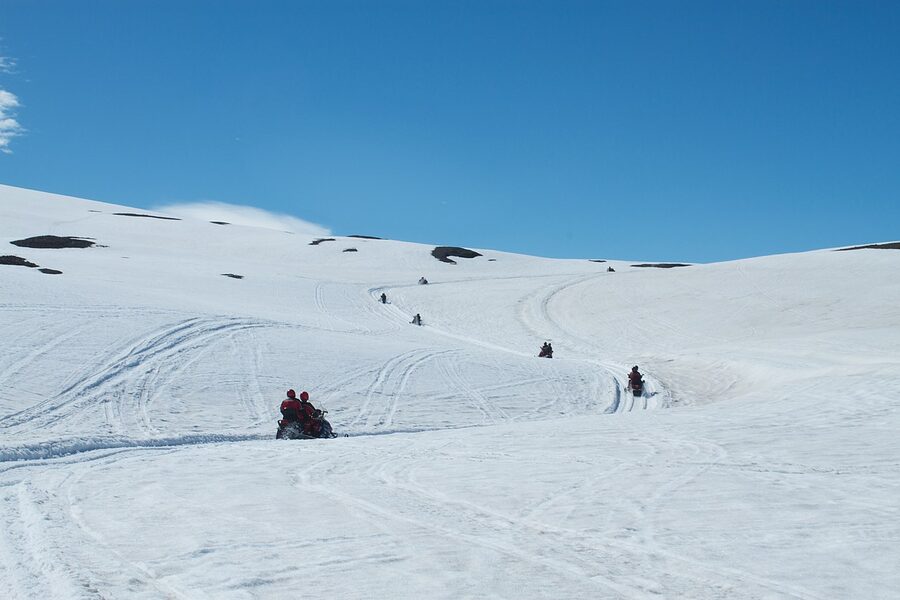
The first thing you notice on a snowmobile in Iceland is how loud the suit is. Polyester and helmet padding zipping past your ears, the engine a steady angry buzz under you, the wind on the buckles. Then your guide pulls away, you squeeze the throttle, and suddenly the noise drops out of your head and you are just moving across an enormous flat white surface that stretches further than you can see. This is Langjökull. This is the bit people pay for.
Snowmobile tours in Iceland are the easiest way to get out onto a real glacier under your own steering. You don’t need any prior experience, you don’t need any kit, and you don’t need to be especially fit. What you do need is a driving licence (passenger doesn’t), a willingness to share a sled with another adult unless you pay extra, and four to twelve hours depending on whether you self-drive to the base or take a Reykjavik pickup. Year-round on Langjökull and Mýrdalsjökull, more weather-dependent on Vatnajökull, and most operators run several departures a day. Standalone snowmobile-only at the base costs around 28,000 to 33,000 ISK, full Reykjavik day tours run 38,000 to 55,000 ISK, and the popular Into the Glacier ice-tunnel combo lands around 36,900 ISK from Húsafell.
This is the standalone snowmobile guide. The wider glaciers and geysers piece covers the Golden Circle add-on flow, the glacier hike guide walks through the slower on-foot version of the same activity, and the ice cave guide handles the winter-only natural cave option. Here we go deep on the snowmobile day, where you can do it, what each glacier feels like, what to wear, what the operators differ on, and which one I’d actually book if you only had time for one.
In This Article
- What a snowmobile tour actually is
- Where you can snowmobile in Iceland
- Langjökull, the default choice from west Iceland
- Mýrdalsjökull, the South Coast option from Vík
- Vatnajökull, the southeast option for Ring Road trips
- Eyjafjallajökull and Snæfellsjökull, the niche picks
- Langjökull or Mýrdalsjökull, the call I’d make
- What’s included and what you bring
- Driving licence rules and the passenger question
- Best season and weather
- Cost breakdown, what you’re actually paying for
- Operator-by-operator, what each does well
- Combining snowmobile with other tours
- Where to stay near each base
- Húsafell, for Langjökull
- Vík, for Mýrdalsjökull
- Höfn, for Vatnajökull
- Photography on a snowmobile
- Safety and what can go wrong
- How a typical day actually goes
- Booking platforms, what each does
- What I’d actually book
- Quick answers to the questions I get asked
What a snowmobile tour actually is
Strip the marketing video away and the activity is simple. You meet a guide either at a glacier base camp (Húsafell, Klaki, Skjól, Skógar, Geysir) or at a Reykjavik pickup point. You climb into a super-jeep or modified bus that grinds 30 to 45 minutes uphill from the base to the snowline. You spend 30 minutes putting on the operator-provided snowsuit, helmet, balaclava, gloves, and boots. The guide gives a 10-minute safety brief on throttle, brakes, hand signals, single-file rule, and the swap-driver-mid-tour mechanic. Then you ride, single-file in groups of 6 to 12 sleds, for 45 minutes to 90 minutes across the glacier surface. You stop a couple of times, the guide takes photos, you swap who is driving. You ride back to the snowline, peel off the suit, climb into the jeep, return to base.
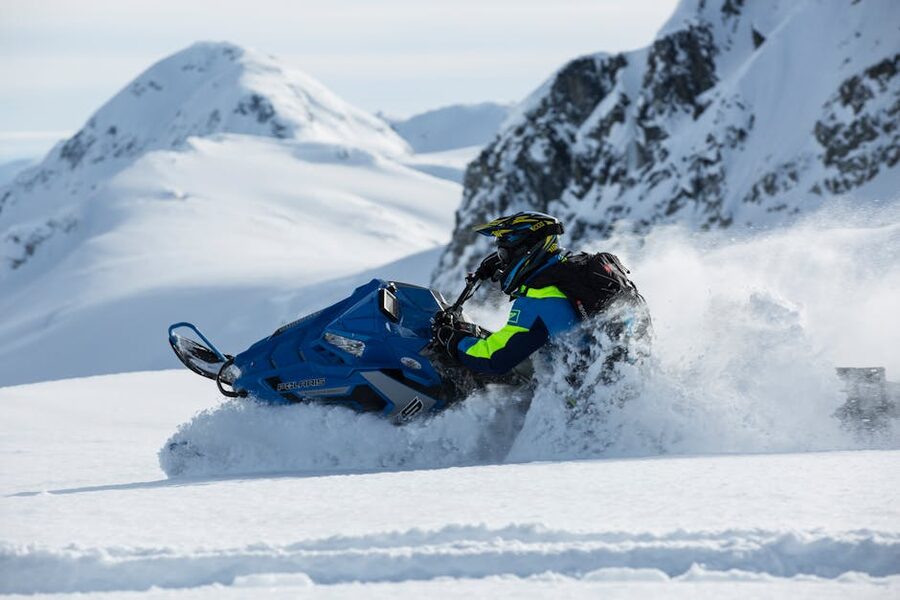
Total time depends entirely on the format. Snowmobile-only at the base is 2.5 to 3.5 hours including the suit-up and the jeep transfer. Full day from Reykjavik with pickup, transfer to the glacier, snowmobile, return drive, and lunch stop is 8 to 12 hours. The Into the Glacier ice-tunnel combo from Húsafell adds a 60-minute walk through the manmade ice passage on top, taking 4 to 5 hours total at the base or 10 to 11 hours with Reykjavik pickup. The riding itself, the bit you actually came for, is rarely more than 60 minutes. Operators have settled on 60 minutes because it’s long enough to feel substantial but short enough that the adrenaline doesn’t burn out and that they can run two or three departures a day per snowmobile.
You sit two-up. Driver in front, passenger behind, both hands on the grab bar. The driver works the right-thumb throttle and the left-hand brake, no clutch, no gears. The maximum speed your guide will let you go is around 50 to 60 km/h on flat ice, slower in fresh powder, faster (sometimes) on the return leg if the group is comfortable. Couples and friends typically swap mid-tour at the photo stop, which is the practical reason snowmobile tours need a driver’s licence on the booking and not just on the day: both of you might want to drive.
Where you can snowmobile in Iceland
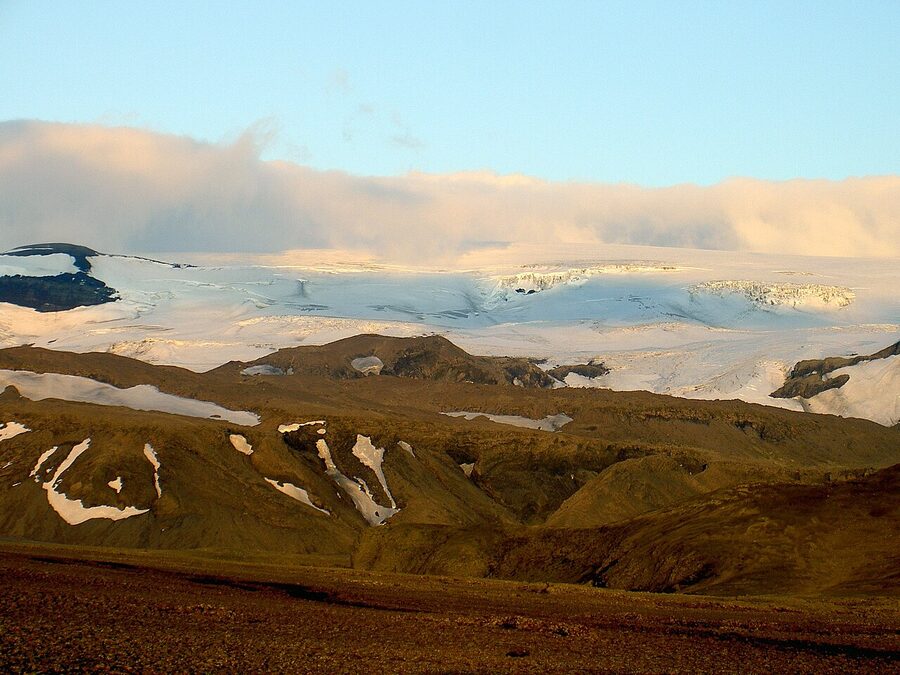
Iceland has glaciers covering about 11% of its land. Only a few of the outlet ice caps and plateaus are tour-accessible by snowmobile, and the operators concentrate on three. Pick the one that fits the shape of your trip rather than chasing a “best” glacier. They are different days, not better or worse versions of the same one.
Langjökull, the default choice from west Iceland
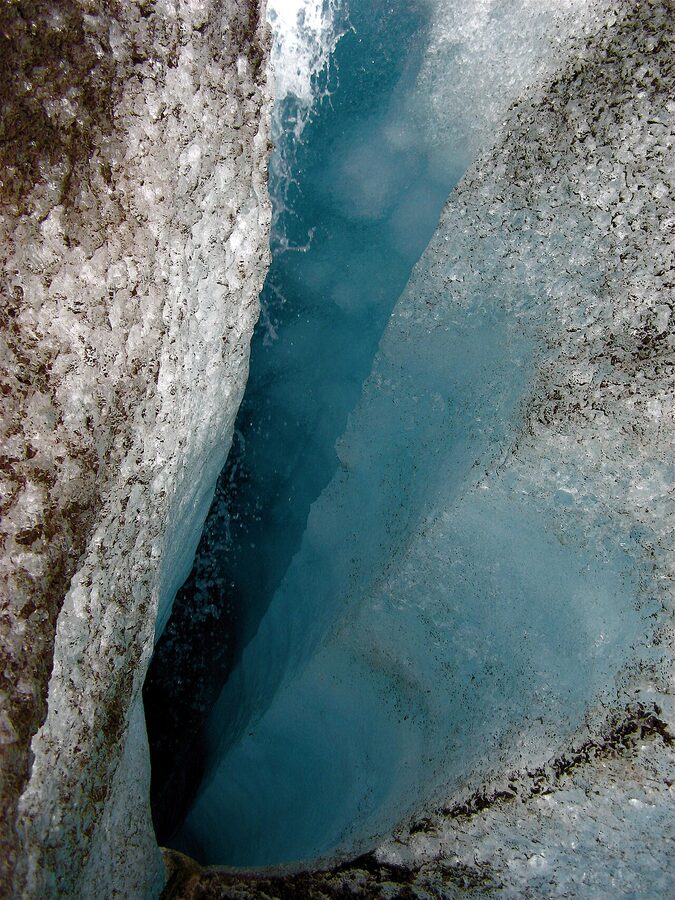
Langjökull is Iceland’s second-largest glacier and the country’s main snowmobile destination. It sits in the western highlands, about 130 km from Reykjavik via Þingvellir or via Borgarnes and Húsafell. The ice cap is roughly 50 km long by 20 km wide, mostly flat, and topped year-round with snow. From the snowmobile end you don’t see it as a “tongue” the way you do Sólheimajökull or Skaftafellsjökull. You arrive at the edge of an enormous white plateau that stretches to the horizon in three directions.
The two base camps for Langjökull are at Húsafell in the south and Klaki directly on the western edge of the ice cap. Húsafell is a small farm-and-hotel cluster about 2 hours from Reykjavik, and from there a super-jeep takes you up the F550 service road to the snowline. Klaki is closer to the snow itself, accessed via the F35 Kjölur route, and it’s where Mountaineers of Iceland and the Into the Glacier operation run from. From Reykjavik you can either drive yourself to Húsafell (Road 1 to Borgarnes, Roads 50 and 518) or take an operator pickup that adds 4 hours of driving to your day. The pickup is worth it if you don’t have a 4×4 in winter.
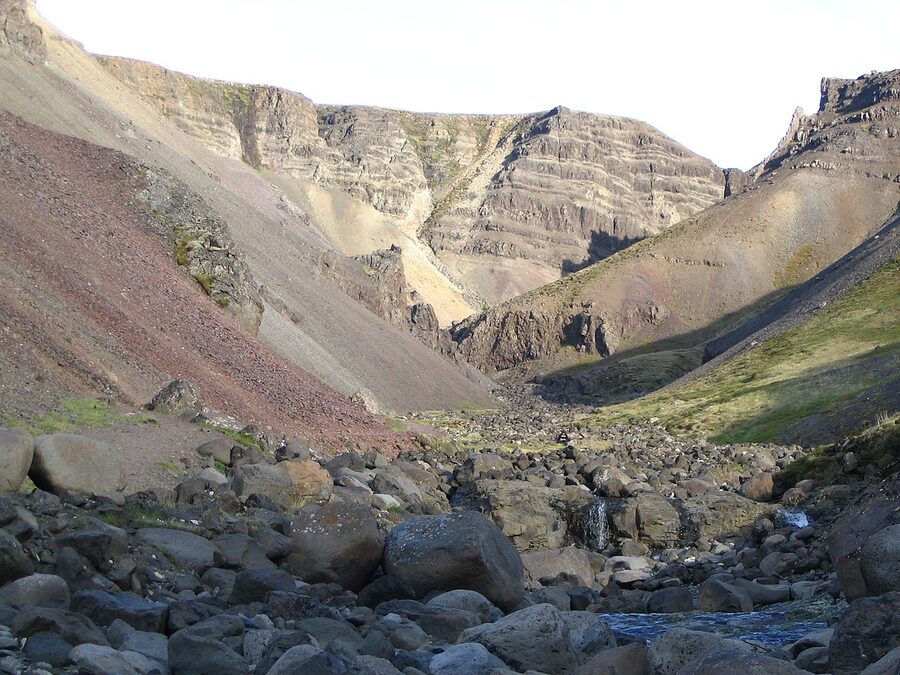
The big appeal of Langjökull is that it’s the only glacier where you can combine a snowmobile ride with the Into the Glacier ice tunnel, a 500 metre passage cut into the ice cap with side rooms and a small wedding chapel inside. The combo runs around 36,900 ISK from Húsafell or Klaki, more from Reykjavik, and it’s the single best-value snowmobile tour in the country if you want both experiences in one day. It also runs all year, where natural ice caves only run November to March.
Operators on Langjökull include Mountaineers of Iceland (the largest fleet, operating since 1996, base at Klaki and Gullfoss), Into the Glacier (snowmobile + ice tunnel combo, Húsafell or Klaki), Glacier Guides (Reykjavik or Skjól pickup), and the day-tour resellers like Reykjavik Excursions, all charging in roughly the same band. Mountaineers and Into the Glacier are the two I’d default to if you want the operator running its own kit rather than reselling someone else’s.
Mýrdalsjökull, the South Coast option from Vík
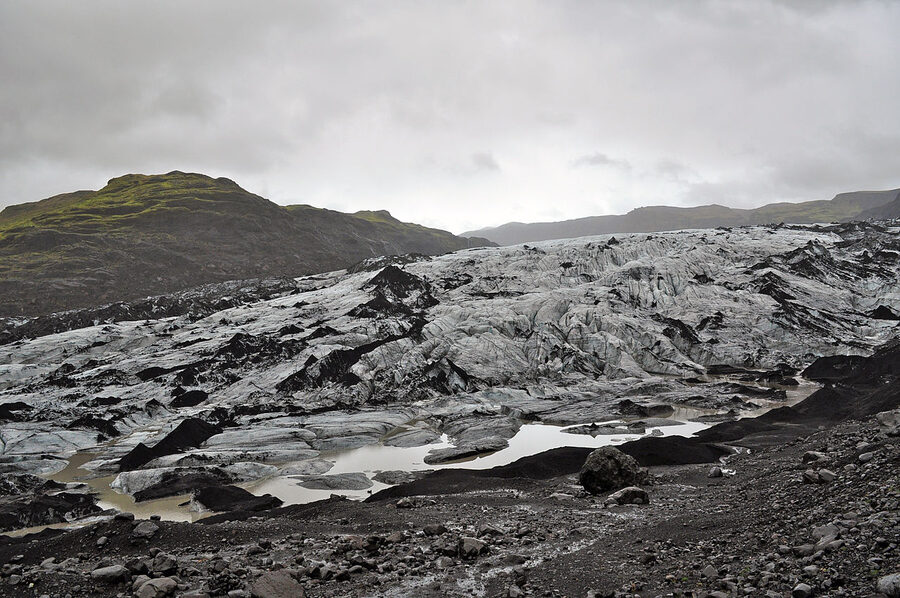
Mýrdalsjökull is Iceland’s fourth-largest glacier, sitting directly on top of the Katla volcano (overdue an eruption, geologically speaking, which adds a frisson to the day). It sits in the south, accessible from Vík or Skógar, and it’s the glacier you snowmobile if you’re doing a Ring Road trip and don’t want to backtrack to Reykjavik for the western option. The base camp is at Ytri-Sólheimar 1, about 25 km west of Vík and 11 km east of Skógar, roughly 160 km from Reykjavik (a 2-hour drive each way).
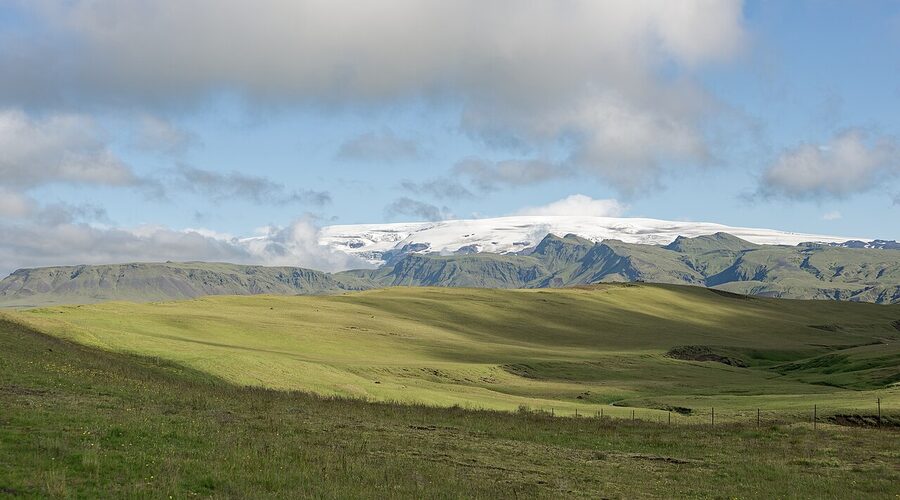
The terrain at the top of Mýrdalsjökull is similar to Langjökull, a flat snow plateau, but the approach is different. The glacier truck takes about 30 minutes to grind up the mountain road from the base, and once you’re on top the views back down to the South Coast and out toward the Vestmannaeyjar islands on a clear day are some of the best you’ll get on any Iceland glacier. Most operators run a 2.5 to 3 hour total tour with about 60 minutes of riding time. Cost at the base is around 26,000 to 32,000 ISK per person, less than Langjökull because the transfer is shorter and operations are simpler.
Operators on Mýrdalsjökull include Arctic Adventures (the biggest, with day tours from Reykjavik), Troll Expeditions (also runs ice cave tours from the same base), and the Icelandia / Mountain Guides snowmobile arm. Arctic Adventures is the one I’d default to here, partly because they have the strongest fleet and partly because they run the South Coast minibus loop you can plug a snowmobile day into without re-driving.
Vatnajökull, the southeast option for Ring Road trips
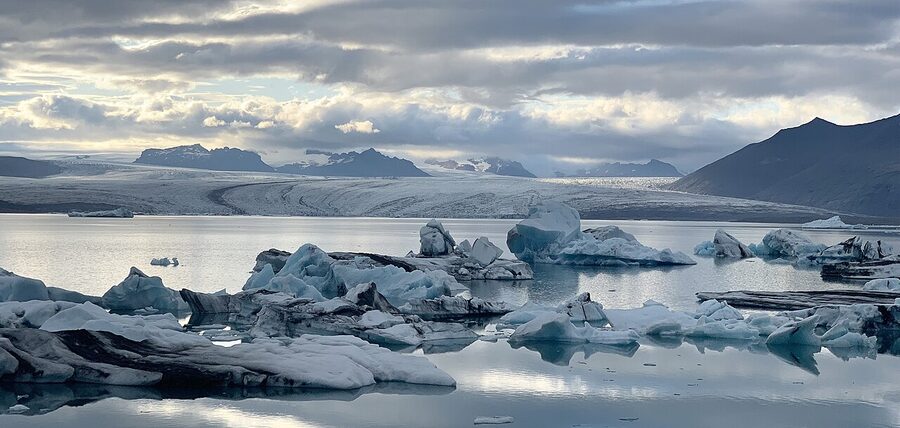
Vatnajökull is the giant. Europe’s largest glacier by volume at 8,100 km², covering 8% of Iceland’s land area. It sits in the southeast, with most snowmobile access via the Skálafellsjökull outlet near Höfn, run by Glacier Adventure and a couple of smaller outfits. The drive from Reykjavik is 4 to 5 hours each way, so you don’t do this as a day trip. You do it as part of a Ring Road overnight in the Höfn or Hofsnes area.
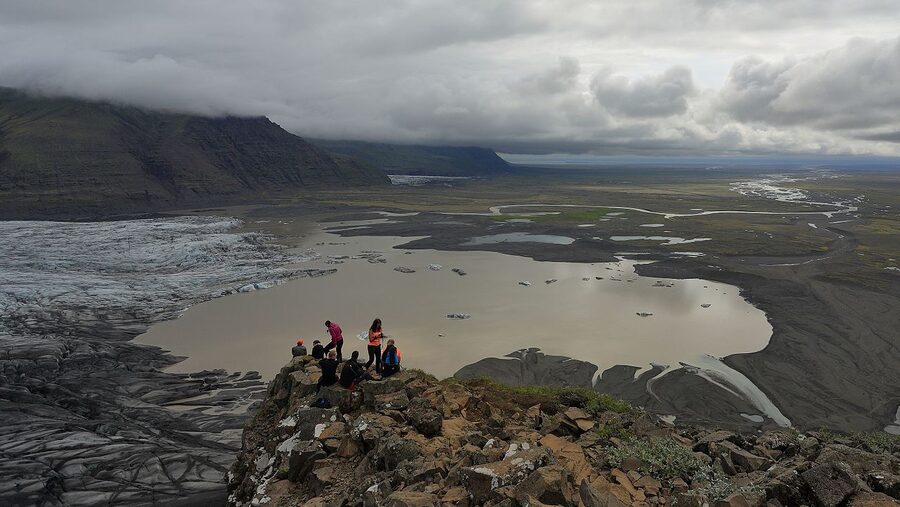
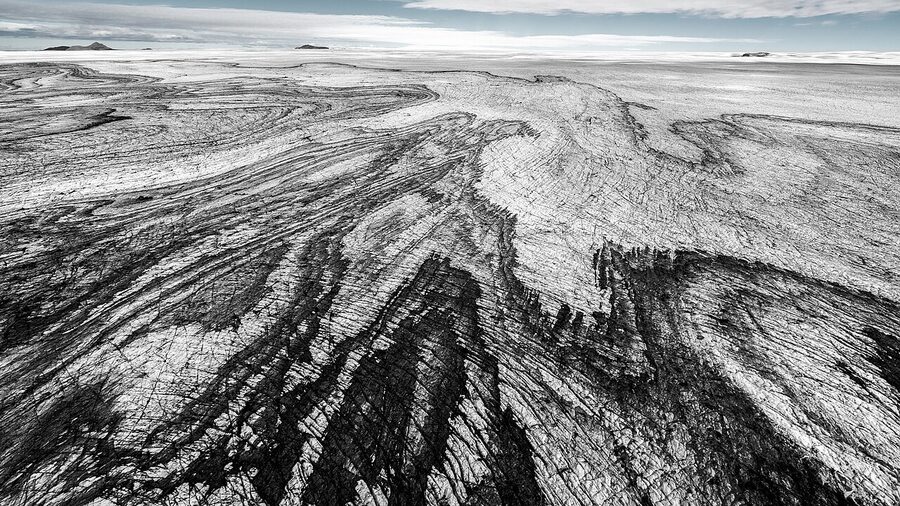
Snowmobile on Vatnajökull is more weather-dependent than the western or southern options. The glacier is bigger, more exposed, and gets wilder weather coming in off the North Atlantic, so cancellations and re-bookings are more common. When it runs, the experience is the most dramatic of the three: long sight-lines across an enormous plateau, the surrounding peaks of Hvannadalshnúkur (Iceland’s highest at 2,110 metres) on the horizon, and almost no other tour groups around. Cost is 30,000 to 36,000 ISK at the base.
If you’re planning a snowmobile tour on Vatnajökull, build flexibility into your itinerary and have a backup plan (glacier hike, the ice caves at Breiðamerkurjökull, or the lagoon boat tour) for the day in case the weather doesn’t cooperate. Glacier Adventure are the operator I’d book here. They’re a small Höfn-based outfit, less corporate than Arctic Adventures, and the guides genuinely know this glacier rather than rotating through three different ones.
Eyjafjallajökull and Snæfellsjökull, the niche picks
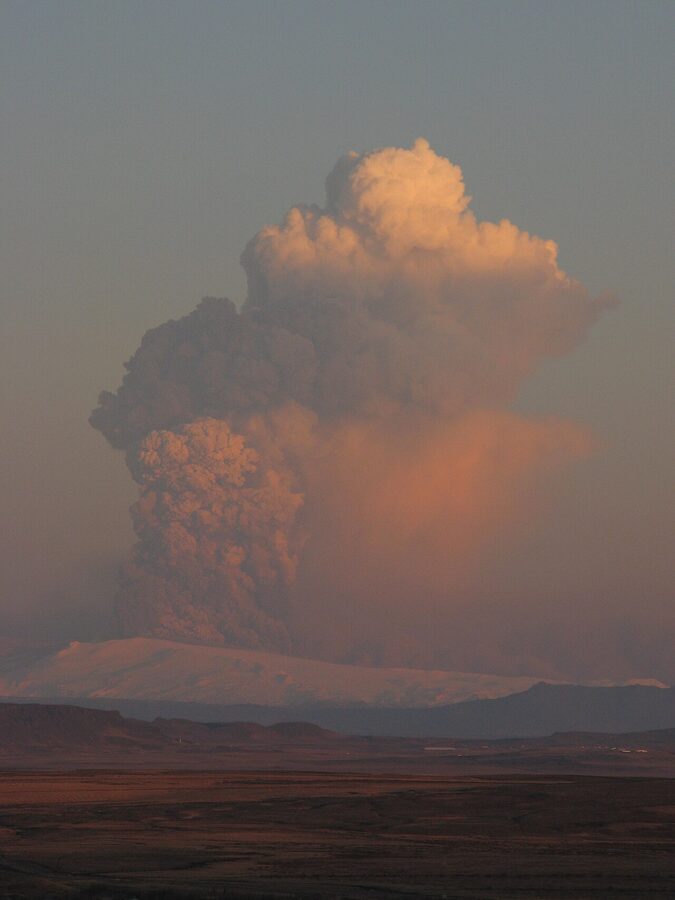
Two short mentions for the curious. Glacier Guides runs a summer-only snowmobile tour on top of Eyjafjallajökull, the volcano that grounded European flights in April 2010. It’s a small operation (5 to 8 sleds), the views over Þórsmörk and the South Coast are unbeatable when the weather plays along, and you’re literally riding on top of an active volcano. Cost is around 29,990 ISK. The catch is the tour only runs November to June and weather cancellations are routine.
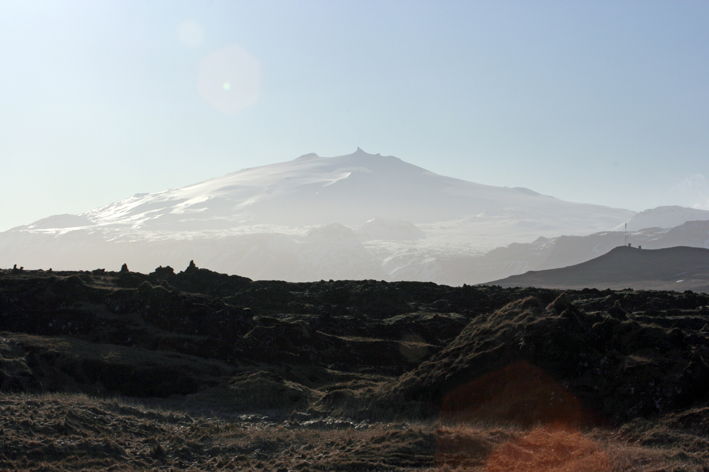
Snæfellsjökull, on the Snæfellsnes peninsula, has occasional snowmobile operations from the western base when conditions allow. It’s a smaller glacier on top of an ancient volcano (the one that opens the journey in Jules Verne’s Journey to the Centre of the Earth) and the views west out over the Atlantic are different to anything you get on Langjökull. Tours are sporadic and not all years run. If you’re already on the peninsula it’s worth checking what’s available; if you’re not, don’t build a trip around it.
Langjökull or Mýrdalsjökull, the call I’d make
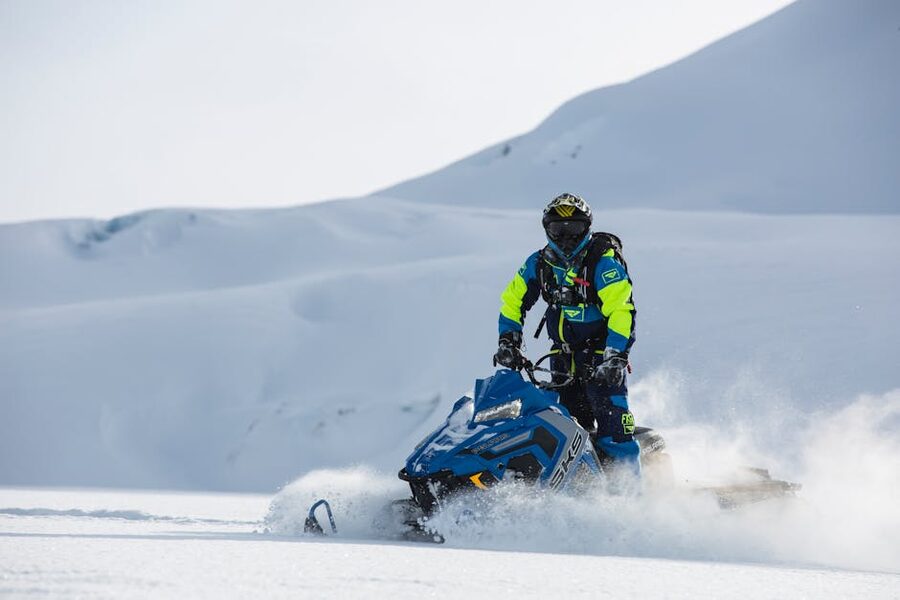
This is the question I get asked the most. Both are good. The riding itself is similar (60 minutes of throttle on a flat-ish white plateau behind a guide), so the choice is mostly about the shape of your trip rather than the glacier. Here’s the shorthand I use.
Langjökull wins if your trip is short and Reykjavik-based. Two reasons. First, the Into the Glacier ice-tunnel combo is the strongest tour in the country and only runs on Langjökull, so if you want both a snowmobile ride and a glacier interior in one day this is the only option. Second, the operator depth is better here, with Mountaineers of Iceland having the largest fleet in the country and the longest history (since 1996). Pickup from Reykjavik adds 4 hours but it removes any winter-driving stress and means you can drink the celebratory beer when you get back.
Mýrdalsjökull wins on a Ring Road trip. If you’re driving the South Coast anyway (Seljalandsfoss, Skógafoss, Reynisfjara, Vík), the Mýrdalsjökull base is right there. You don’t backtrack, you don’t reshape your day, and the South Coast snowmobile tour fits naturally into a one-night Vík stay. It’s also the cheaper option (26,000 to 32,000 ISK at base vs 30,000+ for Langjökull at base), the transfer is shorter (30 minutes vs 60 to 90 minutes from Húsafell), and the views down to the coast on a clear day are arguably better than the flat-white Langjökull horizon.
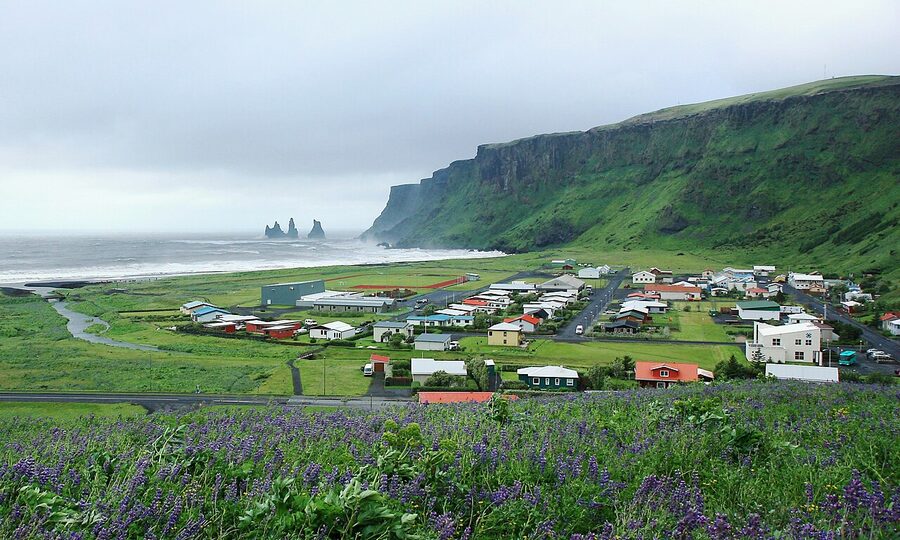
Vatnajökull wins on scale and quiet. If you’re already going to Höfn or Hofsnes for the ice caves at Breiðamerkurjökull, the Vatnajökull snowmobile fits in the same area. It’s the most dramatic of the three (taller surrounding peaks, longer sight-lines, fewer tour groups) and the most weather-vulnerable. Don’t book it if it’s your only glacier day. Do book it if you have a buffer day for cancellation.
The five-day shorthand: short Reykjavik-based trip, do the Langjökull + Into the Glacier combo. Ring Road, do Mýrdalsjökull from Vík and skip Langjökull. Two-week trip with a Höfn overnight, add Vatnajökull as a second snowmobile day. If it’s your only glacier activity in Iceland and you’re picking between snowmobile and a glacier hike, the snowmobile is faster and noisier, the hike is slower and stranger; both are valid first-time picks but they aren’t substitutes for each other.
What’s included and what you bring
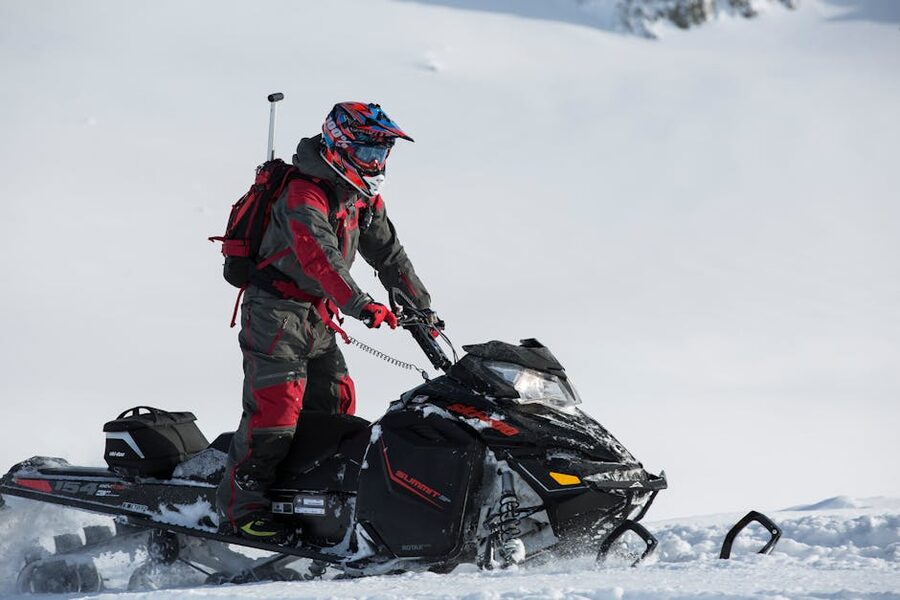
Operators provide the heavy gear. You bring your own base layers, warm socks, a hat, and ideally proper waterproof shoes. Here’s what each side covers.
Provided by the operator (no charge): a thick one-piece snowsuit (waterproof, insulated, goes over your own clothes), full-face helmet, balaclava or neck buff, basic snowmobile gloves, and either boots or boot covers depending on the company. Mountaineers and Glacier Guides hand out boots if you ask; some other operators just provide overshoes. The snowsuit is the critical piece. It’s bulky, often a faded orange or yellow, and absolutely warm enough for any conditions you’ll encounter on Iceland’s glaciers, including a -20°C wind chill day. You don’t need your own ski jacket on top.
Bring yourself: warm wool or synthetic base layers (top and bottom), a wool or fleece mid-layer, wool socks (two pairs), a thin hat that fits under the helmet, sunglasses (UV reflecting off snow is brutal), and a camera or phone in a waterproof pouch. Driving licence is mandatory for the snowmobile driver and the operator will check it. Most accept any country’s licence, including digital licences in some cases (check with the operator if your country only issues digital).
Skip these: ski jackets and ski pants. The snowsuit goes over your normal clothes and adding a ski jacket underneath makes the suit too tight to move in. Heavy snow boots. The operator’s boot or boot cover handles the snow contact, and your own boots inside the snowsuit just get sweaty. Ski mittens. The operator gloves are thin enough to use the throttle properly, ski mittens aren’t.
One thing nobody mentions in the booking emails: bring a pair of really warm gloves to put on at the photo stops. The basic operator gloves are fine for riding (you need finger dexterity for the throttle) but they get cold the moment you stop and dismount to take photos. A pair of woolen mitts in your daypack is the move.
Driving licence rules and the passenger question
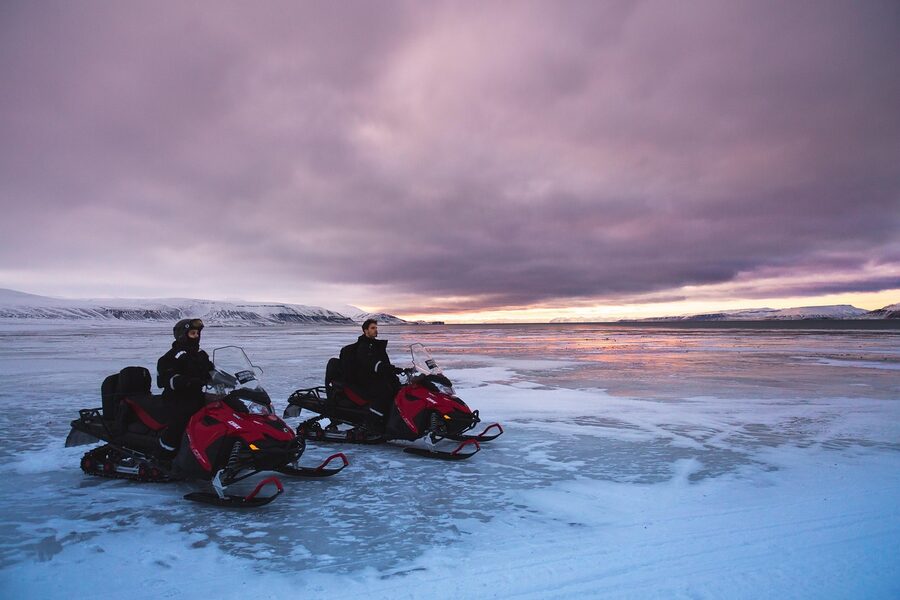
This is the bit that trips people up at the booking stage. The rules are simple but you need to know them in advance.
Driver: must be 17 or older, must have a valid driver’s licence (any country accepted, full or provisional), must be the same person who turns up on the day. The licence gets checked at the base camp. No licence, no drive. Some operators are strict about expired licences; some accept them if it’s your home licence. Don’t gamble on this; bring a current one.
Passenger: usually 8 years or older (some operators 10 or 12), no licence needed. The passenger sits behind the driver, holds the grab bar, and can request a swap mid-tour if both adults have licences. This is how most couples ride: book one sled with two riders, and they alternate driver/passenger at the photo stop.
Solo riders: if you’re travelling alone, you have two options. You can pay a single-rider supplement (typically 10,000 to 18,000 ISK extra, basically the price of the second seat) and have your own sled. Or you can be paired up with another solo passenger by the operator. Most companies prefer to pair up where possible because it keeps prices accessible, but if you specifically want your own sled, book and pay for the supplement upfront.
The number-of-licences rule is real. Operators won’t book a tour where the number of guests without licences exceeds the number with licences. So if you’re a couple with one driving licence between you, that’s fine (one drives, one passengers). A group of four where only one has a licence? They might let you book one sled with the licensed driver + one passenger, but the other two are out unless someone else gets a licence. Read the fine print or call the operator before booking.
Best season and weather
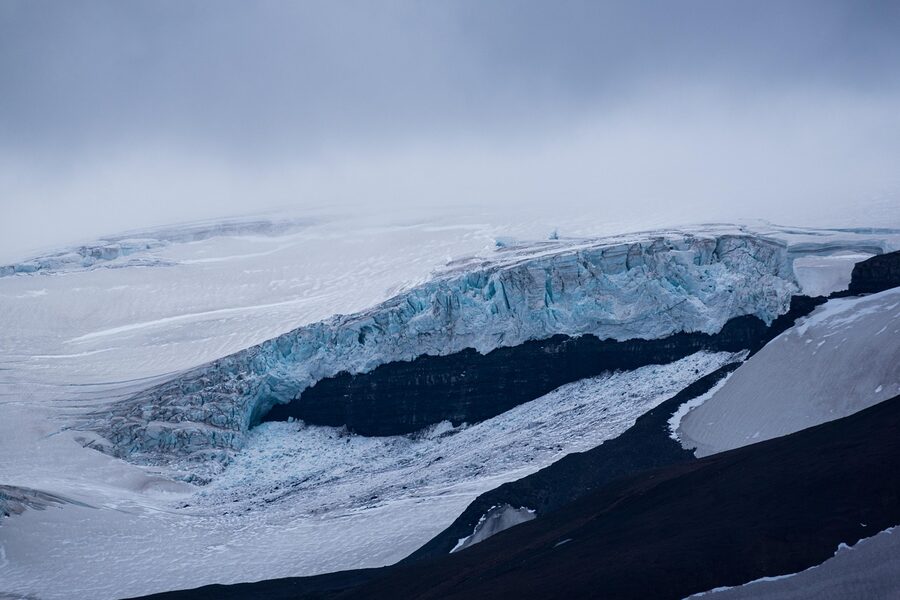
Snowmobile tours run year-round on Langjökull and Mýrdalsjökull because the glacier surface is permanent and the snowfields are stable enough through summer. Vatnajökull and Eyjafjallajökull are more seasonal because they’re more weather-exposed. So when should you actually go?
November to April is the peak. Best snow conditions, deepest cover on the surface, the Northern Lights chance after the tour, and the broadest operator availability. The downside is short daylight (4 to 5 hours of light in December, 7 to 8 hours in February), so the day-tour-from-Reykjavik format gets squeezed and you ride in dim conditions. November and March are the sweet spots: winter atmosphere, good snow, more daylight, fewer cancellations than December and January.
May to October is the off-peak. The snow on the glacier surface is thinner, more bare-ice patches show through, the light is bright (often too bright; bring strong sunglasses), and the riding feels firmer underfoot. Tours still run on Langjökull and Mýrdalsjökull, the day-tour-from-Reykjavik format works better with the long daylight, and you can combine a snowmobile day with the summer-only experiences like Landmannalaugar and the Highlands. The only big trade-off is no Northern Lights chance.
Cancellations are uncommon but real. Operators have stable bases and will run in moderate weather where you’d cancel an outdoor walk. Where they cancel is in proper Icelandic storms (sustained 25+ m/s winds at the base, white-out visibility, or active volcanic activity in the area). Vatnajökull and Eyjafjallajökull cancel more often than Langjökull and Mýrdalsjökull because they’re more exposed and the access roads are more vulnerable. Always check vedur.is for the weather forecast and road.is for road conditions the day before.
If your tour does cancel, operators reschedule for free or refund. They don’t reschedule onto a worse-weather day, so don’t book the snowmobile for your last day in Iceland; build a buffer.
Cost breakdown, what you’re actually paying for
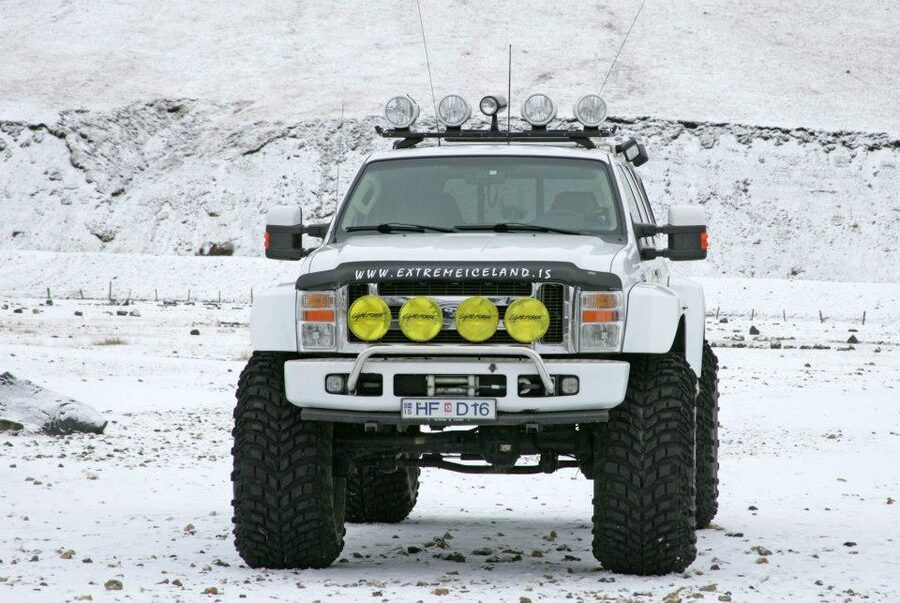
Snowmobile tours are not cheap, even by Iceland standards. Here’s what you’re actually paying for at each price point so you can decide what’s worth it.
Snowmobile only at the base, 26,000 to 36,000 ISK per person. You drive yourself to Húsafell, Klaki, Skjól, the Mýrdalsjökull base camp, or Höfn. The price covers the super-jeep transfer up to the snowline, the snowsuit and helmet, the safety brief, 60 minutes of riding, and the return jeep. This is the best value if you have a 4×4 and are comfortable winter-driving in Iceland. Not all rental cars are insured for the F-roads to the bases (Húsafell road is regular Road 518 in summer but the F35 Kjölur is closed November to June and the side road up from Húsafell needs a 4×4 in winter).
Day tour from Reykjavik with pickup, 38,000 to 50,000 ISK. Adds the round-trip transport in a minibus, typically 6 to 8 hours of driving sandwiched around 60 minutes of snowmobile. Worth it if you don’t have a car, or if you don’t want to deal with winter highland driving. The downside: 8 to 12 hours of your day for 60 minutes of saddle time. If you have any flexibility, the self-drive-to-base option is better value.
Snowmobile + Into the Glacier ice tunnel combo, 36,900 to 55,000 ISK. The combo from Húsafell or Klaki base is around 36,900 ISK and is the strongest value in Iceland snowmobile-land. From Reykjavik with pickup it climbs to 50,000 to 55,000 ISK. The ice tunnel is genuinely impressive (a 500 metre passage through the glacier with a small chapel inside) and the combination is what most people remember from the day. If I were booking one snowmobile tour in Iceland this would be it.
Snowmobile + Golden Circle combo, 45,000 to 55,000 ISK. Adds Þingvellir, Geysir, and Gullfoss to the snowmobile day. Long day (10 to 12 hours from Reykjavik) and the Golden Circle bit is rushed because the snowmobile is the priority. If you’ve already done the Golden Circle on a separate day, skip the combo. If you haven’t, it works.
Single-rider supplement, 10,000 to 18,000 ISK. Buys you the second seat on your sled so you ride alone. Worth it if you’re solo and don’t want to share with a stranger, otherwise pair up.
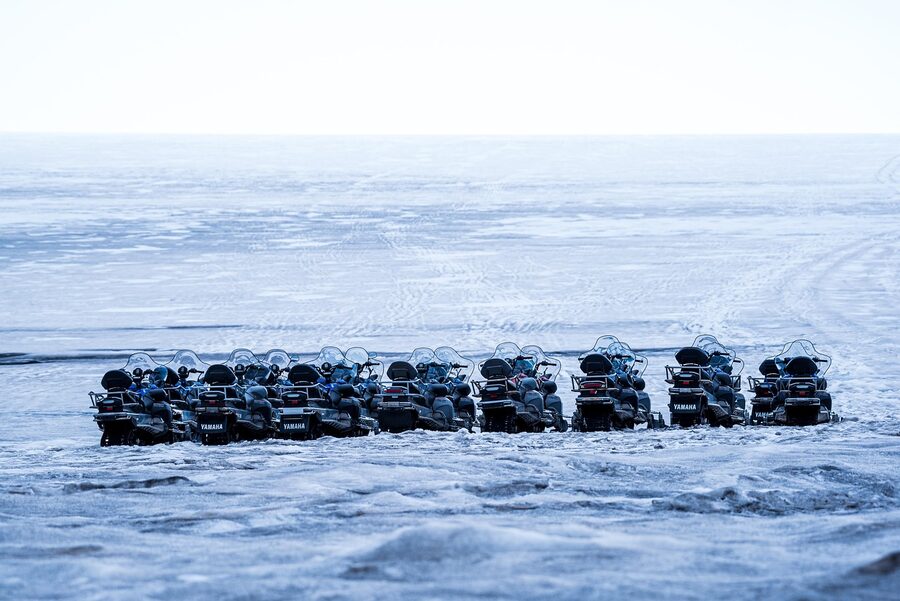
What I’d skip in the price list: the cheaper “ride-along” tours marketed at 18,000 to 22,000 ISK that aren’t on a real glacier (some are on snow plains in winter only) and the deluxe “private snowmobile” tours at 80,000 to 120,000 ISK that just remove other guests from your group. Those don’t add anything substantial to the experience.
Operator-by-operator, what each does well
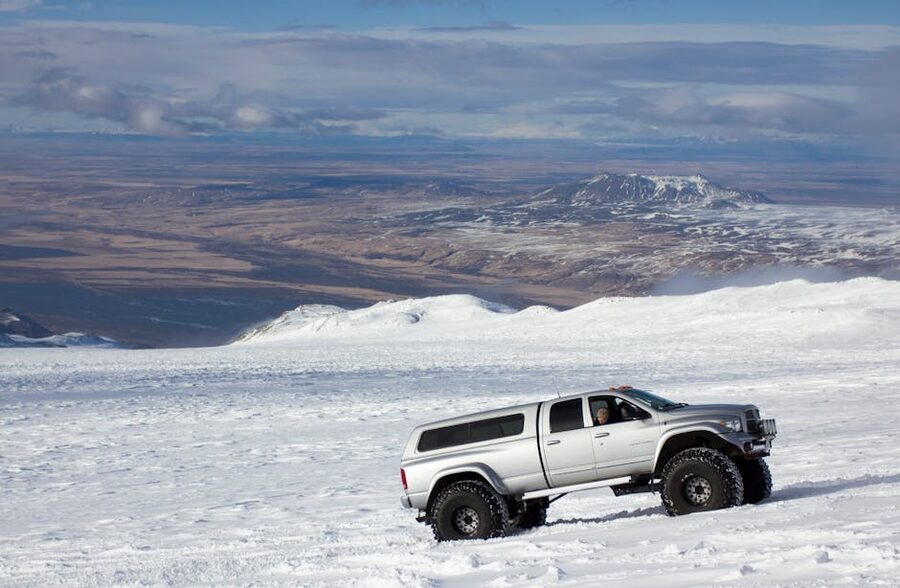
There are five operators that matter for snowmobile tours in Iceland. The other names you’ll see (Reykjavik Excursions, Iceland Travel, Gray Line) are mostly resellers who book you onto these five’s tours and add a transport markup. Here’s what each does well.
Mountaineers of Iceland. The largest fleet in the country, operating since 1996, based at Klaki and with day-tour pickups from Gullfoss and Reykjavik. Their flagship is the Glacier Rush tour from Gullfoss (4 to 5 hours, 33,500 ISK at base) and the Snowmobile and Ice Cave combo with Into the Glacier. Strengths: depth of operation, consistent guide quality, the largest sled fleet means tours rarely fill up. Pick if you want the safe-default operator.
Into the Glacier. The only operator running the manmade ice tunnel on Langjökull, which is the unique selling point. Their snowmobile + ice tunnel combo is around 36,900 ISK from Húsafell or Klaki, around 50,000 ISK with Reykjavik pickup. Strengths: the tunnel is genuinely worth seeing, year-round operation. Weakness: the actual snowmobile portion is shorter (25 to 30 minutes) than competitors because it’s a combo. Pick if you want both experiences in one day.
Arctic Adventures. Iceland’s biggest adventure-tour company by volume, with the strongest South Coast operation. Their Mýrdalsjökull snowmobile tour is around 26,000 ISK at base, around 38,000 ISK from Reykjavik. Strengths: Mýrdalsjökull dominance, good day-tour packages from Reykjavik, polished booking experience. Weakness: corporate feel, larger group sizes (up to 14 sleds). Pick if you want the South Coast option.
Troll Expeditions. Smaller South Coast operator, also runs the Katla ice cave from the same Vík base. Their Mýrdalsjökull snowmobile is around 25,000 ISK at base. Strengths: smaller groups, cheaper, runs the ice cave + snowmobile combo from the same base camp. Pick if you want the budget Mýrdalsjökull option or the snowmobile + Katla ice cave package.
Glacier Guides. Reykjavik or Skjól pickup for Langjökull, also runs the Eyjafjallajökull summer-only tour. Their Langjökull snowmobile is around 32,500 ISK from Skjól or with Reykjavik pickup. Strengths: small group sizes (max 1 guide per 6 sleds), runs the niche Eyjafjallajökull operation. Pick if you want a smaller-group Langjökull tour or the volcano-glacier add-on.
Glacier Adventure. The Vatnajökull specialist, based in Höfn. Strengths: the only operator running the eastern snowmobile loop properly, guides who know this glacier (rather than rotating between three). Weakness: weather-dependent, smaller fleet. Pick if you’re already on a Ring Road and want to snowmobile in the southeast.
Combining snowmobile with other tours
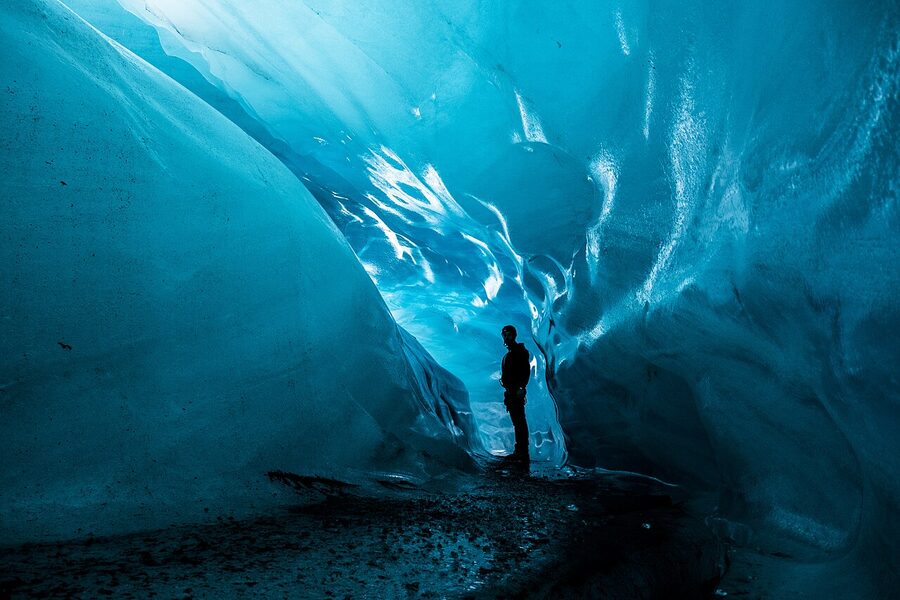
A snowmobile day is not enough to plan a whole Iceland trip around. It’s a 3 to 5 hour activity at the base, an 8 to 12 hour day from Reykjavik. Most travellers combine it with one of these.
Snowmobile + Into the Glacier ice tunnel. Same day, Langjökull only, around 36,900 ISK from Húsafell. The strongest combo. Both activities are on the same glacier so you don’t need a second transfer. The ice tunnel takes 60 minutes of walking and the snowmobile portion is 25 to 30 minutes of riding, which is shorter than the snowmobile-only tour but is fine because you’re getting the tunnel experience too.
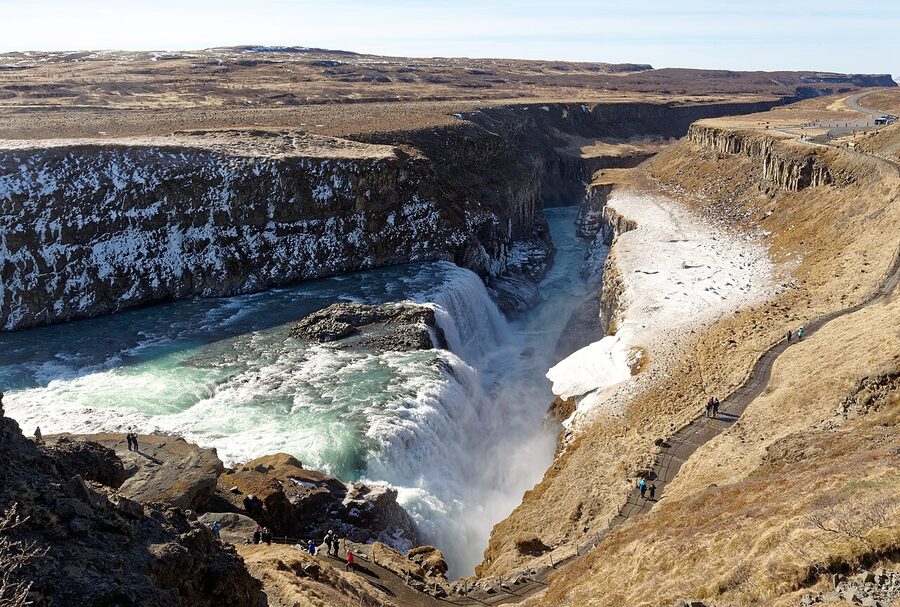
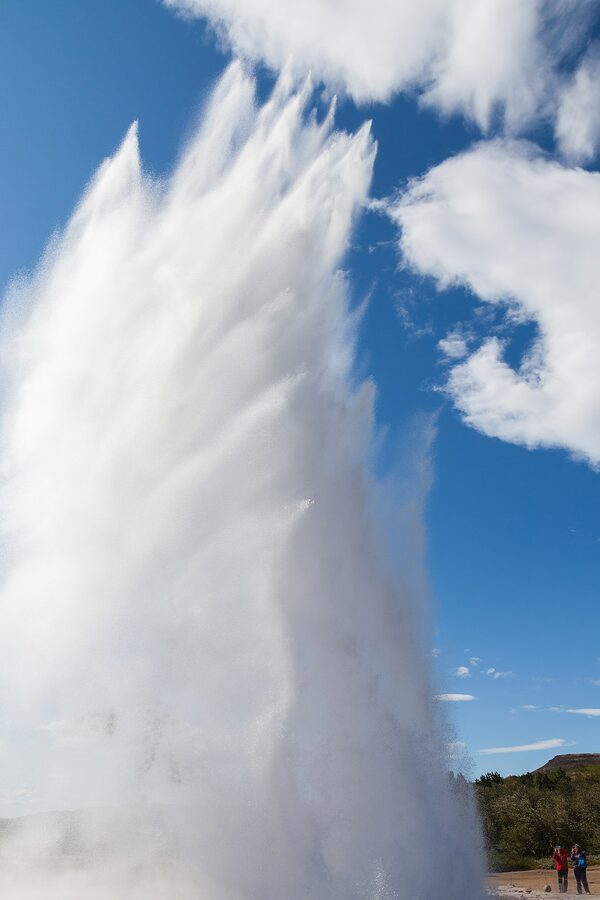
Snowmobile + Golden Circle. Day tour from Reykjavik, 45,000 to 55,000 ISK, full 10 to 12 hour day. You hit Þingvellir (parliament site, continental rift), Geysir (Strokkur erupting every 8 minutes or so), Gullfoss (the big waterfall), then up to the snowmobile base for the ride. Long day. The Golden Circle stops are rushed because the snowmobile is the priority. Works if you haven’t already done the Golden Circle, otherwise skip and book separately on different days.
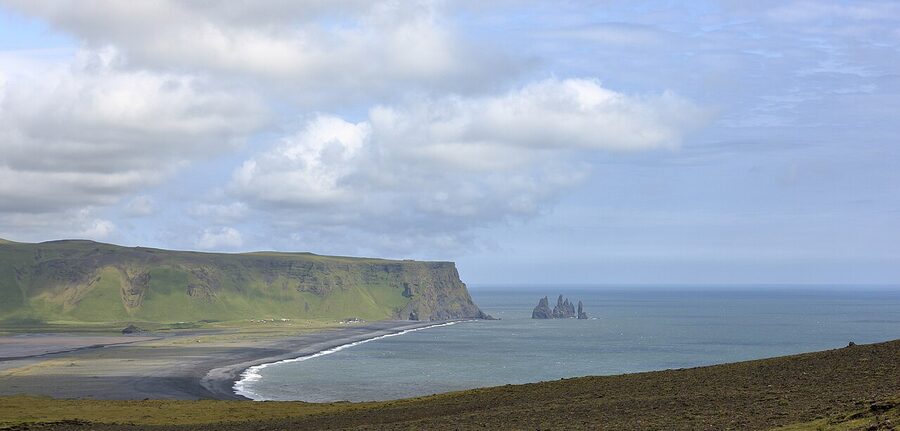
Snowmobile + South Coast (Mýrdalsjökull only). Most operators on Mýrdalsjökull bundle the snowmobile with the standard South Coast loop (Seljalandsfoss, Skógafoss, Reynisfjara, Vík). Long day from Reykjavik, around 45,000 to 50,000 ISK, but it’s the natural way to do both if you’re Reykjavik-based and not driving the Ring Road yourself.
Snowmobile + ice cave (Mýrdalsjökull or Vatnajökull). Troll Expeditions runs the Katla ice cave from the same Vík base as their snowmobile, so you can do both in one day around 50,000 ISK. Glacier Adventure can pair Vatnajökull snowmobile with the natural ice caves at Breiðamerkurjökull (winter only, around 65,000 ISK combined). The Katla cave is open year-round (it’s a manmade-accessed natural cave); Breiðamerkurjökull is November to March only.
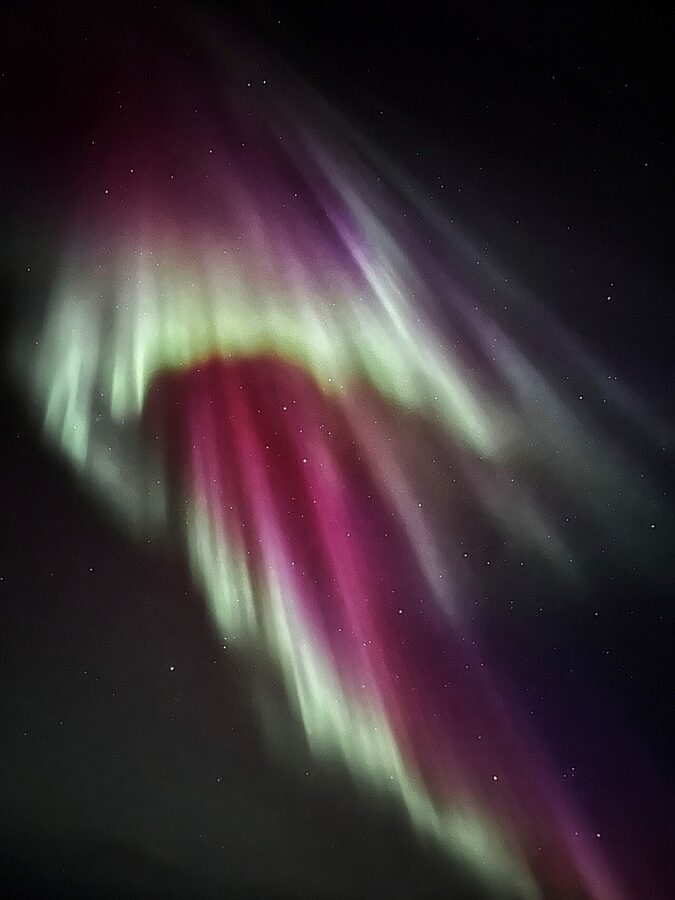
Snowmobile + Northern Lights. Not in the same day but back-to-back nights work well in winter. Snowmobile in the afternoon, dinner in Reykjavik, Northern Lights tour at 9 or 10pm. Mountaineers and Arctic Adventures both run aurora tours and will discount if booked together.
Where to stay near each base
If you’re not doing the day tour from Reykjavik, you’ll need a night near the snowmobile base. Here’s the practical option list. All Booking.com URLs verified.
Húsafell, for Langjökull
Hotel Húsafell is the four-star hotel directly at the snowmobile base, with the geothermal Krauma baths next door (the Húsafell-fed hot pools are a separate attraction worth a visit even if you’re not staying). The hotel restaurant is genuinely good (better than you’d expect from a remote location) and you can walk to the Hraunfossar waterfalls in 15 minutes. Booking direct or via Booking.com both work; rates are similar.
Vík, for Mýrdalsjökull
Hotel Vík í Mýrdal is the main hotel in Vík village itself, simple but warm, walking distance to the petrol station, the Vík church on the hill, and a couple of the better restaurants. Used to be Icelandair Hotel Vík and was rebranded a few years back. Hotel Kría at the eastern edge of town is newer (opened 2022), bigger, and has the better view of the Reynisdrangar stacks from the rooms. Puffin Hotel Vík is the third option in the village, smaller and cheaper than the other two.
Höfn, for Vatnajökull
Höfn has a handful of hotels in the village proper plus a couple of guesthouses scattered along Route 1 within driving distance. The town is small (1,700 people) and quiet. Most snowmobile tours pick up from the Glacier Adventure base camp at Hofsnes, about 80 km west of Höfn, so consider whether you want to be in the village or closer to the base.
Photography on a snowmobile
Snowmobile photos are harder than they look. The light is brutally bright (sky and snow both reflecting), the contrast is wrong (everything is the same shade of white-grey), and you can’t easily reach into a pocket while riding. Here’s what works.
Helmet-mounted GoPro is the best vantage if you want video. Mount it on top or on the side of the helmet, hit record at the start of the ride, and let it run. The over-shoulder shot of your hands on the bars + the white plateau ahead is the iconic snowmobile shot. The chin mount on the helmet is the second-best position. Don’t try to film with your phone while riding; you’ll drop it.
Phone in a waterproof pouch or a chest-mount strap if you want stills. Take photos at the stops, not during the ride. The guide will stop two or three times for photo ops, including a longer one at the highest point of the route, and that’s when you take your gloves off and shoot. The light will be harsh; expose for the bright snow and let the people silhouette.
Sunglasses are mandatory for both photography and not getting snow blindness. The operator-issued goggles are fine for riding but they distort the field of view and make it hard to compose a shot. Take them off at the photo stops, put on your own sunglasses, then back to goggles for the ride.
If you’re hoping for a “snowmobile riding past with motion blur” shot, you’ll need someone (a non-rider) to stand still and pan with the moving sled. That’s almost impossible to set up on a guided tour because the whole group rides together. Realistic expectation: stationary photos at the stops, video footage from the helmet cam.
Safety and what can go wrong
Snowmobile tours in Iceland have a strong safety record. The operators are professional, the guides are trained, the routes are checked daily, and the kit is maintained. The serious risks (crevasses, white-out conditions, mechanical failure) are managed by the guide and the single-file rule. Here’s what you can do as a guest.
Listen to the safety brief. The 10-minute brief at the base covers throttle, brake, hand signals, single-file, what to do if you tip over (stay still, the guide comes to you), and the no-overtaking rule (because the guide is reading the surface for crevasses you can’t see). It’s not theatre; it’s the actual operating manual.
Stay in line. Single-file is non-negotiable. The guide picks the route based on the surface conditions for that day, and your sled needs to follow exactly the same line. Going wide or trying to overtake is the single most dangerous thing you can do on a glacier snowmobile, because crevasses don’t always show on the surface.
Don’t lean. Snowmobiles are not motorbikes. You don’t lean into corners. You stay upright and let the sled steer through the skis. New riders sometimes try to lean and end up tipping the sled.
Two hands on the bars. Always. Don’t try to film with one hand while riding. If you want video, helmet-mount the camera and let it record. The throttle is responsive and the brake is your panic button; you need both hands on them.
Speak up if you’re cold. The operator suit is warm but if you have cold hands or feet at the stops, tell the guide. They have spare warmer gloves and balaclavas in the support vehicle. Cold extremities are the most common comfort issue and the easiest to fix.
The actual injury statistics on Iceland snowmobile tours are very low (a handful of broken wrists per year across thousands of tours, mostly from inexperienced riders tipping at low speed in the first 10 minutes). The crevasse risk that gets discussed is real but extremely rare on the main commercial routes. Operators have GPS tracking, satellite communication, and ice screws + ropes in the support vehicle. SafeTravel.is is the Icelandic search and rescue site if you want to read the full safety guidance.
How a typical day actually goes
Putting it all together. Here’s what a Langjökull snowmobile day from Reykjavik looks like step by step, so you know what to expect.
07:30. Pickup from your Reykjavik hotel by minibus. Quiet on the way out of town. The guide does a roll-call and a brief intro, then you drive out via Mosfellsbær and Borgarnes. Stop at the Borgarnes N1 petrol station for coffee around 09:00. Continue to Húsafell, arriving around 10:30.
10:30 to 11:00. At Húsafell or Klaki base camp. Suit up in the heated changing room. Snowsuit, helmet, balaclava, boots, gloves. The brief on the snowmobile is given by the guide who’ll lead your group, usually with diagrams on a whiteboard.
11:00 to 11:45. Super-jeep up the F-road from the base camp to the snowline. Bumpy, slow, dramatic views back down the valley. Modified Land Cruiser or Defender with chains for ice. You sit in the back, three or four to a row.
11:45 to 13:00. Snowmobile time. Quick on-snow practice (start, stop, turn, single-file), then the guide pulls away and the group follows. 60 minutes of riding with two photo stops. The guide takes group photos on a phone (sometimes shared via WhatsApp later, sometimes not). Swap drivers at the second stop if you want.
13:00 to 13:30. Return jeep to base. Peel off the suit, hand back the gear, use the toilet. Cup of coffee or tea provided.
13:30 to 14:30. Optional Into the Glacier ice tunnel walk if you booked the combo. You go back up the F-road to the tunnel entrance (different from the snowmobile snowline), walk through with a different guide, and visit the chapel.
14:30 to 18:00. Drive back to Reykjavik. Stop at Hraunfossar and Barnafoss waterfalls for 15 minutes, photo opportunity. Continue back via the same route. Drop-off at your hotel. Total day: 10 to 11 hours including transit, 60 minutes of which was actually riding.
If that ratio seems off (10 hours for 60 minutes of saddle time), that’s the snowmobile tour. The riding is the headline. The transit and the suit-up are the bulk of the day. People who book this and come back disappointed are usually surprised by the ratio. People who book it knowing the ratio come back happy because the 60 minutes is genuinely good.
Booking platforms, what each does
You can book snowmobile tours direct with the operator or through one of the aggregators. Both work; here’s the trade-off.
Direct (operator website). Mountaineers, Into the Glacier, Arctic Adventures, Troll, Glacier Guides, Glacier Adventure. Best price, easiest changes, direct line to the operator if weather cancels. Pick this if you know which operator you want.
Aggregators. GetYourGuide, Viator, Guide to Iceland. Useful if you want to compare operators side-by-side, or if you want a single platform for all your Iceland bookings. Slightly more expensive (the operator pays the aggregator a commission, sometimes passed on, sometimes absorbed). Free cancellation policies usually better than direct.
Aggregator-only tours. Some bundled day tours (snowmobile + Golden Circle + Blue Lagoon for example) are only sold via aggregators because they’re stitched together from multiple operators. Direct booking won’t get you these.
My default: book direct with Mountaineers, Into the Glacier, or Arctic Adventures depending on which glacier. Use GetYourGuide for the bundled day-tour packages where you want one company to handle the day.
What I’d actually book
If this is your first Iceland trip and you have 5+ days, book the Mountaineers Snowmobile and Ice Cave Tour on Langjökull (around 37,400 ISK from Klaki base, around 50,000 ISK with Reykjavik pickup). It’s the strongest combo, runs year-round, gets you both the snowmobile and the manmade ice tunnel in one day, and it’s run by the most experienced operator in the country. Pair with a Northern Lights tour the night before or after if you’re there in winter.
If you’re driving the Ring Road and want to plug a snowmobile into the South Coast leg, book Arctic Adventures’ Mýrdalsjökull snowmobile from base (around 26,000 to 32,000 ISK at base). You drive to Ytri-Sólheimar, do the 2.5 to 3 hour tour, and continue to Vík for the night. No backtracking, easier on your day.
If you have time and you’re already in the southeast, book Glacier Adventure’s Vatnajökull snowmobile from Höfn (around 30,000 to 36,000 ISK). Quieter, more dramatic, more weather-vulnerable. Build a buffer day.
If you’re short on time (3 days or fewer) and you have to pick one Iceland adventure activity, snowmobile would not be my pick. The Blue Lagoon, the Golden Circle, the Northern Lights hunt, and the Silfra snorkel all give you more iconic Iceland in less time. Snowmobile is a great fifth or sixth activity once you’ve covered the headliners; it’s not a top-three first-trip pick.
Quick answers to the questions I get asked
Is snowmobile in Iceland worth the money? If you want speed and adrenaline and a real glacier under you, yes. If you want quiet and atmospheric and slow, do a glacier hike instead.
Do I need a driving licence? Yes if you want to drive. No if you’re a passenger only. Operators check on the day.
Can children go? Most operators allow passengers from 8 years old (some 10 or 12). Drivers must be 17.
Is it dangerous? No more than skiing. The single-file rule, the trained guides, and the route-checking each morning manage the actual glacier risks. The injuries that do happen are usually low-speed tip-overs in the first 10 minutes.
What if it cancels? Free reschedule or refund. Don’t book for your last day in Iceland; build a buffer.
Best time of year? November to April for the winter atmosphere and Northern Lights chance, May to October for longer days and fewer cancellations. Both work.
Day tour from Reykjavik or self-drive to base? Self-drive if you have a 4×4 and don’t mind winter highland roads. Day tour from Reykjavik for everyone else. The day tour is 8 to 12 hours for 60 minutes of riding; the self-drive is 4 to 5 hours total but you do the 130 km drive yourself.
What’s the difference between snowmobile and snowcat tours? Snowmobile = you drive a single-rider sled. Snowcat = you ride as a passenger in a tracked vehicle. Snowcat tours are slower, less interactive, and cheaper; you don’t need a licence and they take families with younger children.
That’s the snowmobile day. Loud and fast and cold and ridiculous. Not the most cerebral Iceland experience, not the most photogenic, definitely not the cheapest. But there is a moment, after the brief and the suit-up and the jeep ride, where you squeeze the throttle for the first time and the sled pulls away and the white plateau opens up in front of you, and that moment is the whole reason people book it. Two hours later you’re back in the changing room peeling off a sweaty balaclava, and the only thing you can think about is doing it again.