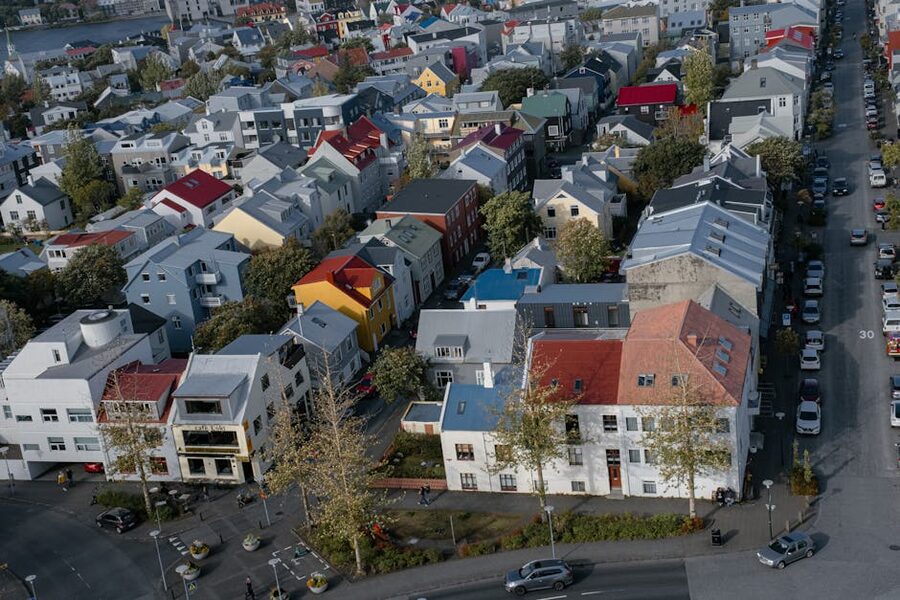
The first time someone asked me about Airbnb in Reykjavík, I was sitting at a kaffihús off Laugavegur and a friend’s flat upstairs was advertised for 38,000 ISK a night. She hadn’t lived in it for a year. The block had four similar flats, all on Airbnb, and the bakery on the ground floor had quietly become a souvenir shop. That was 2018. The Heimagisting law had passed two years before, the 90-day cap was on paper, and almost nobody enforced it.
Things have changed. As of March 2026 the rules around private short-term lets in Iceland are real, and they reshape what you’ll actually find when you search. So before I get into hotels, apartments, and the cabin-with-a-hot-pot fantasy, I want to give you the lay of the land. Where each option works, where it doesn’t, and what locals here actually think about it.
In This Article
- The quick verdict
- Reykjavík’s 2026 short-term-let crackdown, in plain language
- What an “Airbnb” in Iceland actually is in 2026
- Hotels in Iceland: who actually runs them
- Guesthouses and farm-stays, the often-best option nobody talks about
- Reykjavík: when central hotel beats Airbnb
- Reykjavík: when an apartment beats a hotel
- Ring Road, hotel strategy
- Ring Road, where Airbnb actually wins
- The hot-pot cabin sweet spot
- Westfjords and East Fjords: guesthouses, basically
- Highlands: huts only, no Airbnb
- Cancellation policies, and why I’d check Booking before Airbnb in winter
- Cleaning fees, the Airbnb math you need to do
- Pet policies and accessibility
- Airbnb arrival logistics, the late-flight problem
- Booking platform comparison
- Activity bundles and where the affiliate side fits in
- So what would I actually do?
- One last thing
The quick verdict
If you’re in Iceland for under five nights and your trip orbits Reykjavík, book a hotel. Central, full-service, breakfast included. Done. The math doesn’t favour an apartment for short city stays once you add cleaning fees, and you save planning effort you can spend on tours.
If you’re staying somewhere longer than three nights, traveling with kids, or doing a multi-week ring road, mix it up. Hotels for the city bookends. A guesthouse or cabin for the rural stretch. A real apartment with a kitchen if you’re a family of four or you have one strict eater in the group.
And if you’re hoping for a cosy little Reykjavík flat where the host hands you the key and tells you about a great fish place around the corner, that experience still exists, but it’s getting rarer. The 2026 rules pushed a lot of full-time-let apartments out of the market in the city centre, which is what they were meant to do. What’s left in town is mostly licensed apartment-hotels and the genuine 90-day-a-year homestay people. It’s a different shape than five years ago, and that affects what’s worth booking.
Reykjavík’s 2026 short-term-let crackdown, in plain language
This is the part most travel guides skip, and you need it to make a sensible booking. Iceland has had a short-term-rental rule on the books since 2017, called Heimagisting (homestay registration). It said you can rent your home (or one rural property) up to 90 nights a year, with income capped at 2 million ISK, without becoming a licensed hotel business. Anything beyond that needs a proper hotel licence and commercial zoning.
For years it wasn’t seriously enforced. By 2023 around 20 percent of flats in 101 Reykjavík (the central postcode) were full-time short-term lets, and locals were finding it almost impossible to rent. The Efling union ran a public campaign. School classes closed in central neighbourhoods because there were no children left living in them. House prices in Iceland rose more than 150 percent over a decade.
So the Alþingi passed a tighter law on 19 March 2026. The headline points, in the order that affect you as a traveller:
- Individuals can still rent their primary residence for up to 90 days a year, plus one rural property. That’s the homestay model and it’s still legal.
- Businesses can no longer run unlimited Airbnb operations in flats classified as residential housing. The flat has to be in a building zoned for short-term lets, or it has to be a licensed hotel/guesthouse.
- Hosts must register with the Icelandic Housing Agency. Operating without registration can be fined up to 1 million ISK per violation.
- Business licences for licensed STR properties are valid 5 years and only renewable on commercial zoning.
What that means on the ground: the central listings you’ll find on Airbnb in 2026 are mostly licensed apartment-hotels (think aparthotels with reception desks), genuine homestays where someone actually lives there 9 months a year, or properly zoned commercial holiday flats. The “anonymous flat with a key box and no host” model is being squeezed out of residential blocks. That’s a feature, not a bug, from a local point of view.
Whether it’ll work is another question. Locals are cautiously hopeful. Travellers will mostly notice that prices in central Reykjavík didn’t drop the way some people predicted, because the licensed apartment-hotels charge similar nightly rates to actual hotels. We’ll see how 2026 plays out.
Sources for this if you want to read deeper: Iceland Review’s coverage of the new law and the official homestay registration page on Ísland.is.
What an “Airbnb” in Iceland actually is in 2026
If you’ve used Airbnb in Lisbon or Edinburgh, your mental model is probably “someone’s spare flat, professional cleaning, key box, slightly impersonal.” That used to dominate Reykjavík too. Now what you’ll mostly see in our search results breaks into four buckets.
Licensed apartment-hotels. These are buildings purpose-built or converted to apartment-hotel use, with reception, sometimes a 24-hour desk, and self-contained units with kitchens. The brand might say “Apartments” but it’s run like a hotel. Reykjavík has dozens of these now. They’re the dominant city-centre Airbnb experience in 2026.
Genuine private homestays. Someone’s actual home, rented up to 90 days a year. You’ll meet a host. There may be personal stuff in cupboards. They tend to be the warmest stays and the most variable in quality. They are also rarer than they were five years ago because the 90-day cap means a flat can only generate so much income before the host has to stop letting and live there.
Rural cabins and summer houses. Outside the capital, the model is mostly rural property: a cabin on a farm, a summer house an Icelander built and rents out when they’re not there, a converted barn. These are commonly the second-property rural rental that the law specifically allows. They’re often the best stay on a road trip.
Farm-stays and guesthouse-style listings. These bleed into the regular guesthouse category. A working sheep farm with three guest rooms. A converted parsonage in a village. They might list on Airbnb, on Booking.com, on hey-iceland.is, or on their own websites. The Airbnb listing is just one shop window.
The “rent a spare room in someone’s flat for a night” model (the original Airbnb idea) barely exists in Iceland anymore. The math doesn’t work for the host once you account for the 90-day cap.
Hotels in Iceland: who actually runs them
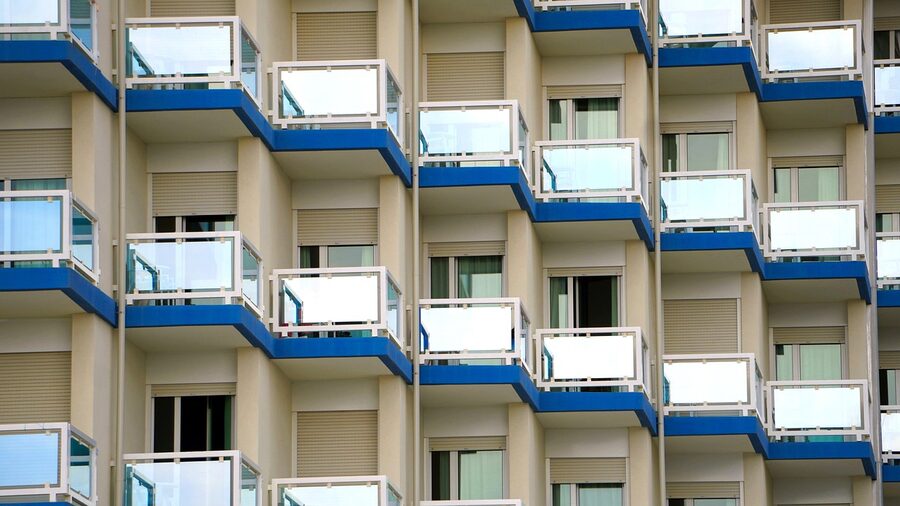
For a small country we have a lot of hotel groups. Useful to know who’s who because it shapes what you book on which platform.
Berjaya Iceland Hotels (formerly Icelandair Hotels) runs the largest 4-star portfolio. The Malaysian Berjaya group bought the Icelandair Hotels collection a couple of years back. The flagship in town is Reykjavík Marina by the old harbour and Reykjavík Natura (the older Loftleiðir property near the domestic airport). Solid, business-traveller-friendly, big buffet breakfasts, free parking at Natura.
Íslandshótel is the parent of the Fosshotel chain. Fosshotel Reykjavík near Hlemmur is the biggest hotel in Iceland with around 320 rooms, corporate, modern, fine. Their countryside Fosshotels are often the chain hotel you’ll meet at ring road stops: Fosshotel Glacier Lagoon, Fosshotel Vatnajökull near Höfn, Fosshotel Húsavík, Fosshotel Mývatn, Fosshotel Jökulsárlón. They became fully Green Key certified in 2024, the first chain in Iceland to do that.
Center Hotels are mostly midscale-comfortable, all in central Reykjavík. Centerhotel Plaza on Aðalstræti, Centerhotel Miðgarður by the bus terminal, Centerhotel Þingholt, Centerhotel Arnarhvoll. Reliable. Not exciting.
Keahotels run Hotel Borg on Austurvöllur (a 1930 Art Deco classic facing parliament), Storm and Skuggi in town, plus Hotel Kea in Akureyri. Borg is the boutique answer if you want some character.
Iceland Hotel Collection by Berjaya is the upmarket sub-brand. Reykjavík Konsulat, in the Curio Collection by Hilton, sits in the heart of the old commercial quarter and is a genuinely nice 4-star with a good gym and sauna. Borealis Hotel near Kringlan is theirs. So is Hotel Akureyri.
Independents worth knowing. 101 Hotel on Hverfisgata is the design-y boutique stay travellers either love or find too try-hard. Sand Hotel by Keahotels is good and central. Kex Hostel and Hotel in an old biscuit factory at Skúlagata is the high-end hostel option, with a memorable bar and very mixed dorms. ION City Hotel near Hallgrímskirkja is small and stylish.
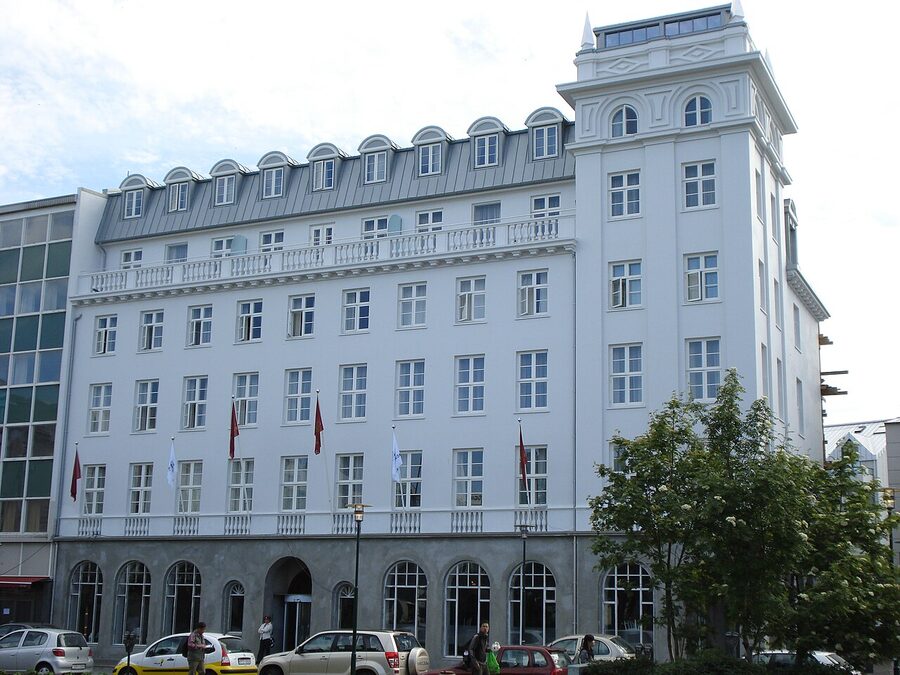
What this matters for booking: Berjaya, Íslandshótel, Keahotels and Center Hotels all have direct booking sites that sometimes beat Booking.com on rate. The boutique places (Hotel Borg, Konsulat, 101) often sell better-rate rooms direct than through aggregators. For the chain ring-road properties, Booking.com is usually the easiest comparison tool. Hotel Borg on Booking.com and Reykjavík Konsulat on Booking.com are good starting points if you want central character.
Guesthouses and farm-stays, the often-best option nobody talks about
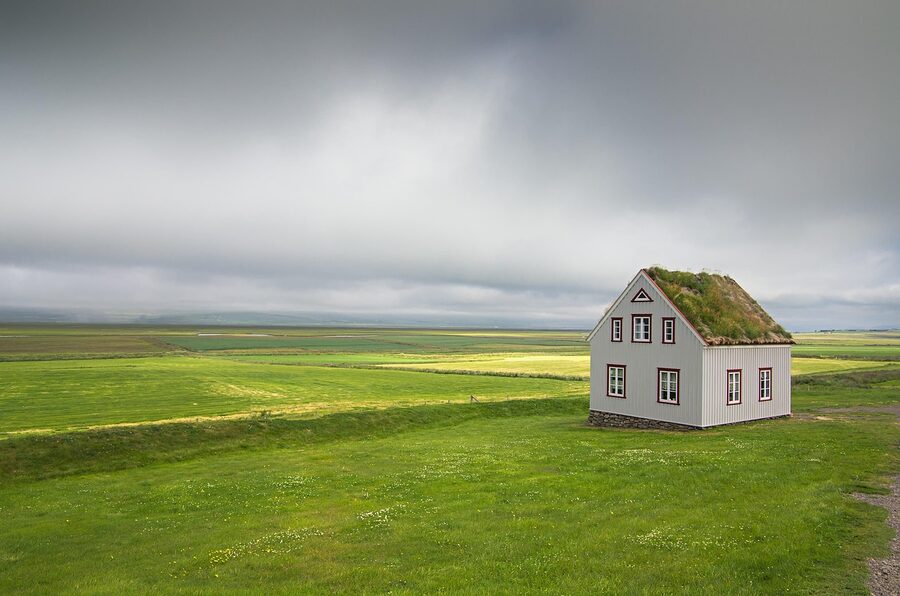
If you’ve never travelled in the Nordic countries, the guesthouse category will be a pleasant surprise. A typical Icelandic gistihús has 6 to 20 rooms, sometimes shared bathrooms (cheaper) or sometimes en-suite (more), a small breakfast room, often a hot tub out back, and an owner who lives onsite or nearby. Bigger than a homestay, smaller than a hotel, with the warmth of one and most of the service of the other.
For ring road stays, the guesthouse is frequently my recommendation. They’re often half the rate of the chain hotel down the road, the breakfast is usually included or cheap to add, and the hosts know their region in a way no chain front desk does. Hey Iceland aggregates many of the country’s farm-stays and small guesthouses on one site. Booking.com lists most of them too.
Farm-stays specifically are an experience worth seeking out. You’re sleeping on a working farm: usually sheep, sometimes horses, occasionally dairy, with farm dogs that come to greet your car. Some serve dinner if you book ahead, often with their own lamb or arctic char. Skálakot in the south is the polished end (boutique manor, restaurant, riding stable). Smaller places like Vogafjós by Mývatn or Brimnes near Ólafsfjörður are simpler and cheaper. Skálakot on Booking.com if you want to splurge on a sample.
Reykjavík: when central hotel beats Airbnb
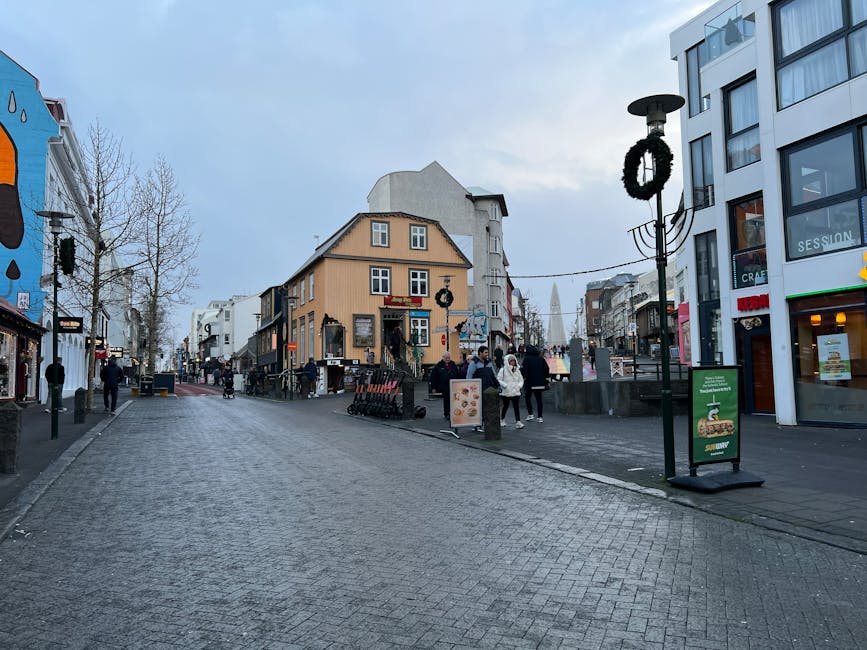
For a Reykjavík city stay, especially under five nights, central hotel almost always wins. Reasons in order:
Walking to everything. The interesting bit of the capital is small. Hallgrímskirkja, Harpa, the old harbour, Laugavegur, Bankastræti, the museums, all within a 25-minute walk of each other. Stay in 101 Reykjavík postcode and you don’t need transport for nights out, dinner reservations, or the morning tour pickup. A flat in Vesturbær (further west) or Hlíðar (south of the city) saves money but adds 20 minutes either way to anything you do.
Tour pickups. Almost every day tour from Reykjavík picks up at central hotels and BSÍ bus terminal. If you’re booking a tour, your hotel is on the pickup list. A residential Airbnb usually isn’t. You’d walk 15 minutes to the nearest pickup point in the dark at 7 in the morning. Possible. Annoying.
Christmas and bad weather. Reykjavík winter weather closes in fast. A storm can keep you indoors for an afternoon. From a central hotel, you can wander to a café, a bookshop, a gallery, the heated public pools, or duck into Sandholt for a kanilsnúður. From a flat in the suburbs, you’re stuck. Christmas in Iceland in particular benefits from being central, you’ll want to walk to Aðalstræti for the lights and the Yule cat statue.
Breakfast. Iceland’s food prices are no joke. A 4,500 ISK breakfast buffet at the hotel beats 2,800 ISK for two coffees and a croissant out, every time. If your hotel has a real breakfast (Berjaya properties do, Fosshotel Reykjavík does, Hotel Borg does, Konsulat charges extra and it’s not as good), that closes most of the price gap with an apartment.
The late check-in problem. Late flights into Keflavík land at 23:30, you get to the city at 01:30, you’re tired and slightly drunk on the Icelandair gin and tonic. A hotel front desk hands you a key. An Airbnb requires you to find a key box in the dark, decode a 6-digit code while wind blows your phone screen, and hope the host put the heating on. It’s manageable. It’s worse than the hotel.
One specific recommendation: for couples on a 2-3 night Reykjavík visit, look at Hotel Borg, Konsulat, or Sand Hotel. For solo travellers wanting cheaper, Centerhotel Plaza, Sand, or Kex Hostel. For families, Berjaya’s Reykjavík Marina has triple/quad rooms and the location at the old harbour is fantastic. My full Reykjavik guide goes deeper on neighbourhoods.
Reykjavík: when an apartment beats a hotel
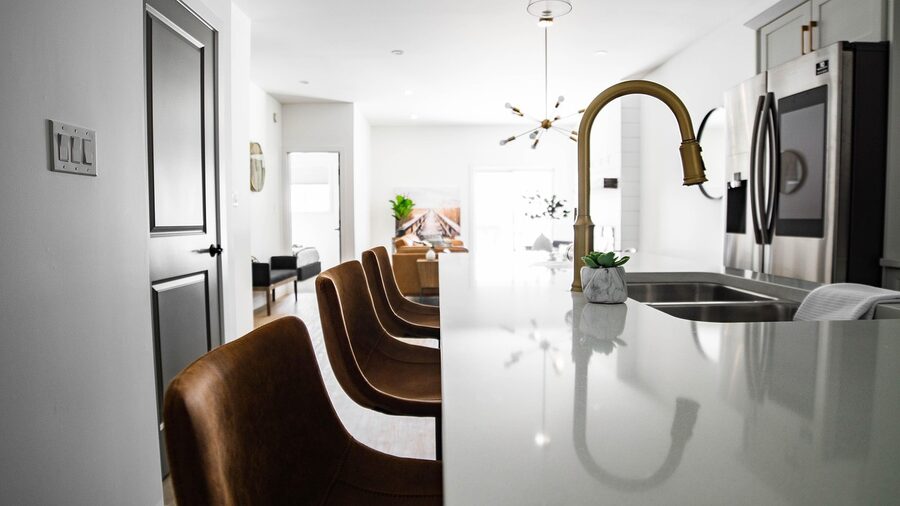
That said, here’s when I’d send you to an apartment instead.
Family of four or more. Hotel rooms in Reykjavík are mostly twin or double. A family room is rare and a family suite is expensive. A two-bedroom apartment for the same total cost gives kids a separate space and you a kitchen. The math gets dramatically better at 4+ travellers. If you have teenagers, the privacy alone is worth it.
Stays of 5+ nights. The longer you stay, the more the cleaning fee amortises and the more you’ll actually use the kitchen. A week with a kitchen lets you do supermarket runs to Bónus or Krónan and slash food costs significantly. Iceland on a tight budget basically requires this, see my budget breakdown for the actual numbers.
Dietary restrictions. Coeliac, vegan, lactose-intolerant, kosher, eating out for every meal in Iceland with restrictions is exhausting and pricey. Cooking your own breakfasts and a few dinners makes the trip relaxing.
Working from Iceland. A few of you are doing this. A flat with a desk and a real kitchen beats a hotel room for two weeks of remote work. Reykjavík has reliable fibre internet and the time zone (GMT) suits both Europe and East Coast US.
Laundry. Three weeks on the road, you need a washing machine. Most hotels charge per item to launder. Most apartments include a machine. Worth doing the math on this alone.
One nuance: in 2026, “central Reykjavík apartment” mostly means licensed apartment-hotel. Reykjavík Konsulat has Konsulat Apartments. Center Hotels run a couple of apartment buildings. There are dedicated apartment-hotel chains like Reykjavík Residence Hotel and Apótek Apartments. These tend to give you the kitchen-and-laundry advantages without the off-grid Airbnb feel.
Ring Road, hotel strategy
If you’re driving the ring road, here’s how I’d think about hotels per stop. Distances are real, weather is a factor, and the goal is to shorten tomorrow’s first hour of driving.
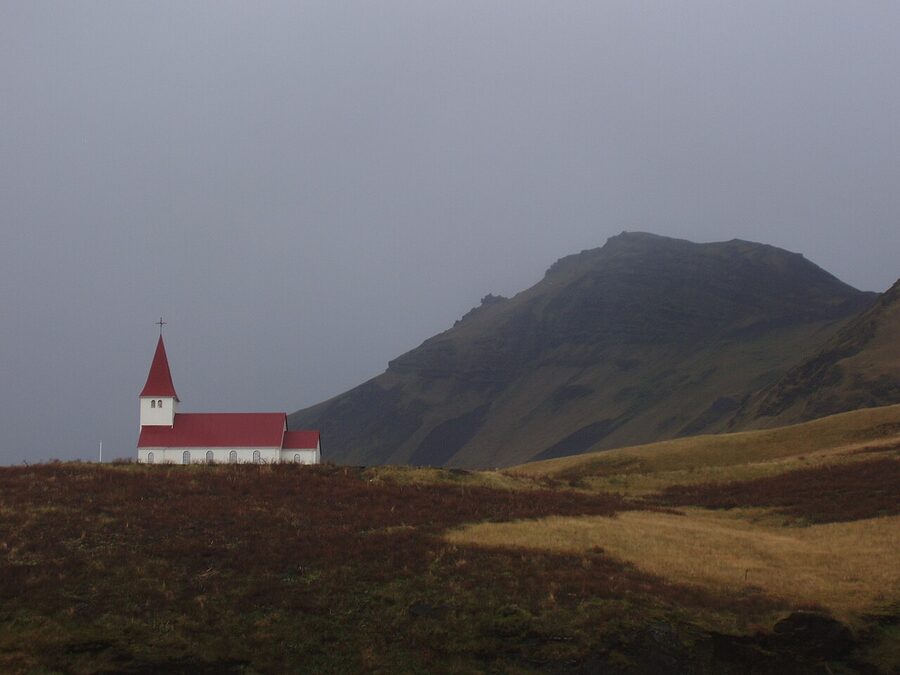
Vík. Hotel Vík í Mýrdal is the one most people end up at. It’s right by the church on the hill, walkable to dinner. Solid. The other big option is Hotel Kría on the edge of town, newer, cleaner, fewer crowds. Hotel Vík on Booking.com.
Höfn. Fosshotel Vatnajökull is 10 minutes outside town and the closest reliable chain to the glacier lagoon. Hotel Höfn in the village is older but central. For dinner, Pakkhús by the harbour is the go-to. Hotel Höfn on Booking.com.
Egilsstaðir. This is a logistics stop, not a destination, and the Hotel Egilsstaðir / Guesthouse Egilsstaðir by the lake is a fine overnight. Most ring-roaders skip the town and stay at Seyðisfjörður (40 minutes east) for character, or push north to Mývatn the next day. More on the East Fjords here.
Akureyri. The northern capital. Hotel Kea is the historic centre property. Berjaya’s Hotel Akureyri sits a few blocks south. Both are walkable to everything. Iceland’s second city has more restaurants than you’d expect, eat one good dinner here. Hotel Kea on Booking.com, and see my Akureyri guide.
Mývatn. Fosshotel Mývatn or Sel-Hótel Mývatn are the two reliable options. The lake is quiet, the geothermal area smells of sulphur (unavoidable), and the Mývatn Nature Baths are 5 minutes from both. Mývatn deserves a full day, so book two nights here, not one.
Búðir, Snæfellsnes. Hotel Búðir is the famous one, black church next door, dramatic location, expensive. The food is genuinely good. Worth a splurge night if you’ve got it. The cheaper alternative is the Lava Hotel in Hellnar or guesthouses in Stykkishólmur, both fine. Hotel Búðir on Booking.com.
Borgarnes. A pragmatic stop on the way north or back to Reykjavík. Icelandair Hotel Hamar (now Berjaya Hamar) sits on the golf course just out of town and is a reliable cheap-ish overnight. The Settlement Centre in town is worth an hour for the Egils saga exhibit if it’s open. Many of our customised tour itineraries include a Borgarnes night.
The general ring-road hotel pattern: book the chain when you want predictable. Book the guesthouse when you want a bit of warmth and you’ll likely save 30 to 40 percent.
Ring Road, where Airbnb actually wins
Outside the cities, the cabin/cottage rental is often the better booking. Specifically:
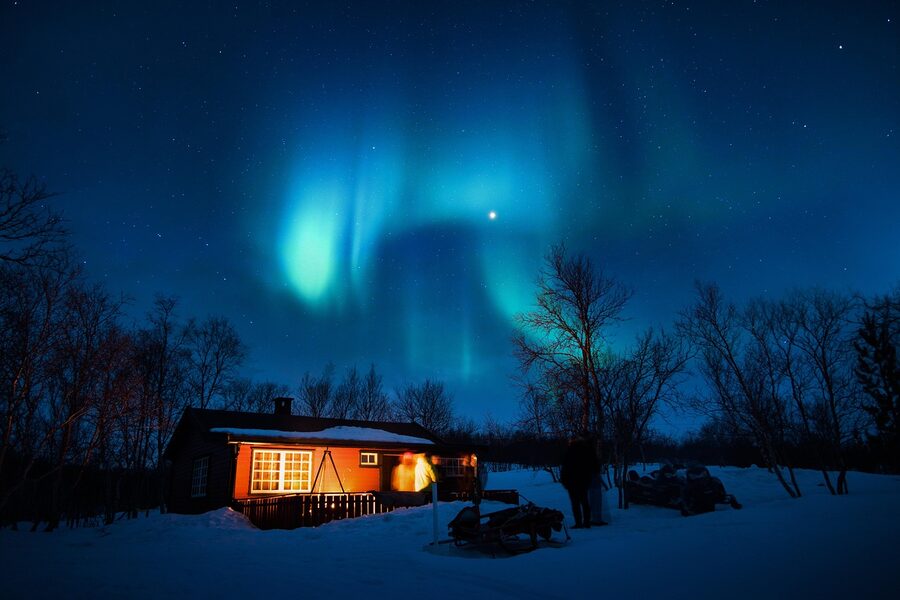
You’re staying 2+ nights in one rural area. A cottage in the Hella area for three nights with day trips out to Þórsmörk and Landmannalaugar costs less than three hotel nights, and you can cook breakfast at 5am before an early aurora drive without paying for hotel breakfast you’ll miss.
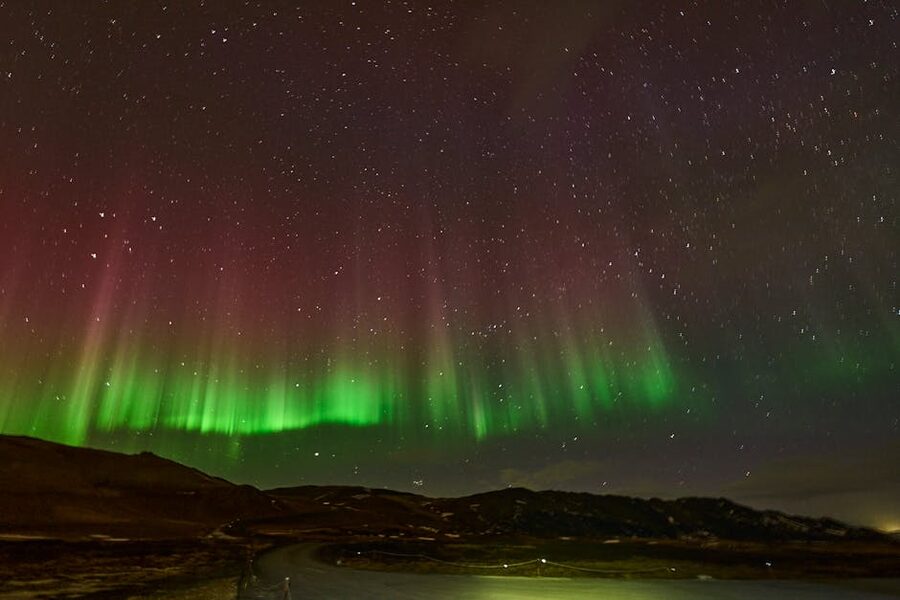
You want a hot pot. About a third of rural Icelandic cabins listed on Airbnb (and Vrbo, and Booking) come with a private heitur pottur, a hot tub fed by mains hot water. It’s a real thing, not a luxury upsell. Soaking outdoors after a long drive, possibly with northern lights overhead, is one of those memories people come home and won’t shut up about. Search filters specifically for “hot tub” on whichever platform you use.
You want true darkness for aurora. Some rural rentals are 20-30 km from the nearest village. A central hotel in Vík has a streetlight outside. A cabin in Skógar or Vatnajökull’s southern flank doesn’t. For aurora hunting, that matters. Combine with the hot tub and you have the holiday.
You’re a group of friends. Six adults in two hotel triple rooms costs more than a 6-bed cabin most of the time, and you actually get a living room to play board games in.
The catch: rural cabins often live at the end of a gravel road that’s fine in summer and stressful in February. Read the directions before you book in winter. Ask the host about access in your specific month. Many cabins shut December to March because they’re impossible to reach.
The hot-pot cabin sweet spot
This is the booking everyone wants and most people get wrong. A few specific operators worth knowing.
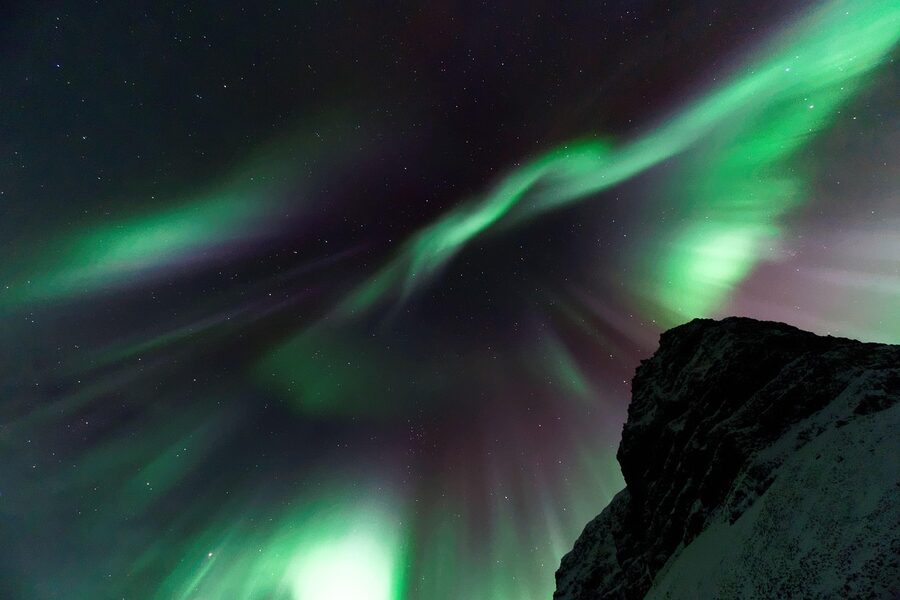
Hotel Rangá, near Hella in the south, is the most famous aurora hotel in Iceland. 4-star, single-storey, 52 rooms, four open-air hot tubs facing north, an actual observatory on site, aurora wake-up calls. Not cheap. Worth it for one or two nights if aurora is the main reason you’re here. Hotel Rangá direct or on Booking.com.
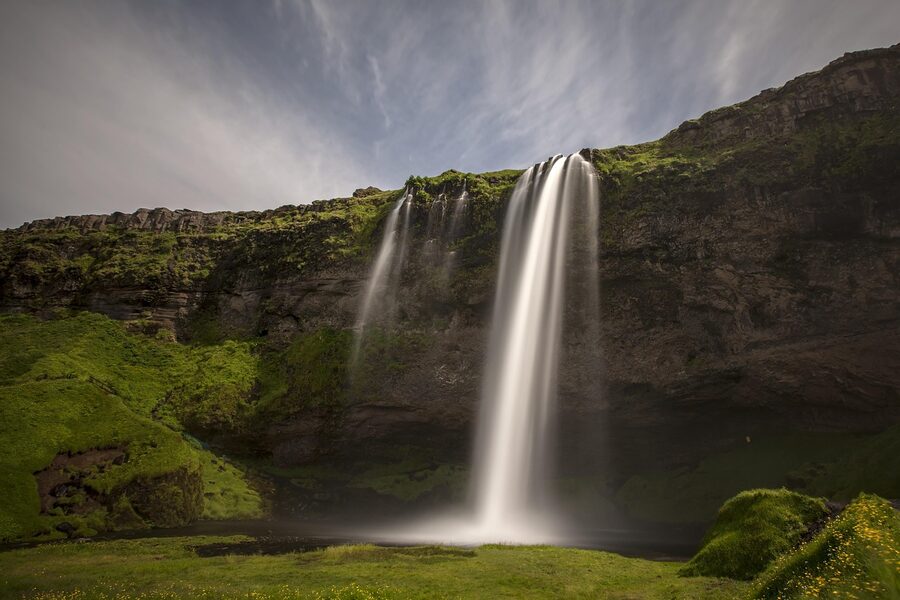
Hótel Húsafell in the west has two geothermal pools, two hot tubs, and a waterslide for kids. It’s a 90-minute drive from Reykjavík and pairs well with Langjökull glacier. Quieter than Rangá, more design-y, and the light’s good for star photography. Hótel Húsafell on Booking.com.
Magma Hotel near Kirkjubæjarklaustur (mid-south coast) is a small property of detached cabins on a lake with hot tubs and good breakfast. Lower-key than Rangá. Better mid-range value. Magma Hotel on Booking.com.
Buubble (the 5 Million Star Hotel) are the see-through bubble pods you’ve seen on Instagram. There are several locations now, Hrosshagi near the Golden Circle, Ölvisholt in the south, Brunnhóll near the glacier lagoon. Polarising. The bubbles are smaller than the photos suggest, the bathroom is a separate building, and you’ll still need a clear sky to see anything. But yes, it’s a memorable night. Buubble Hrosshagi or Buubble Ölvisholt on Booking.com.
Smaller named operators to look at: Aurora Hideaway near Borgarnes (cabins with private hot pots), Skálakot in the south (boutique manor with riding), ION Adventure Hotel at Nesjavellir (modernist box near Þingvellir, listed on Booking under Fosshotel Hengill), and the various Forest Cabins / Skógar / Lava cabins on Airbnb that aren’t a chain but consistently get good reviews.
Search filters that help: “private hot tub” in the amenities, dark-sky location (the operator usually mentions if they’re outside town), and avoid summer-only listings if you’re booking December–March.
Westfjords and East Fjords: guesthouses, basically
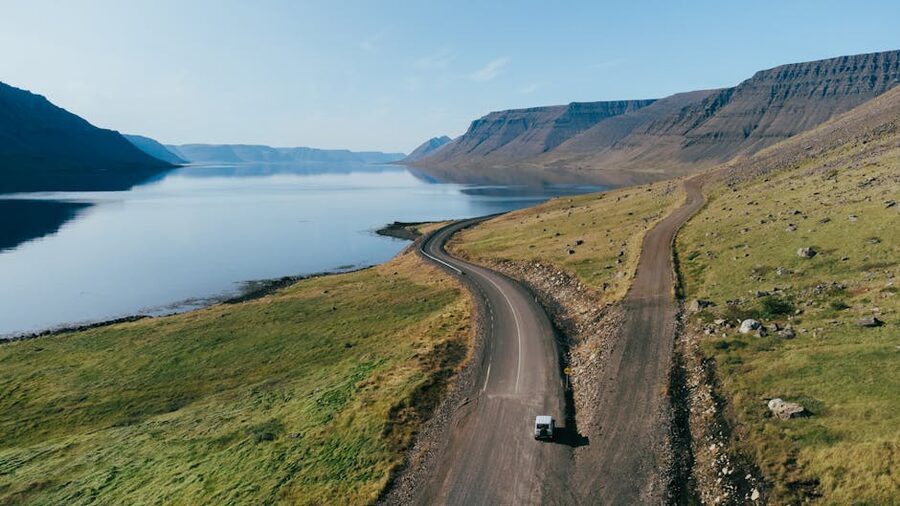
If your trip includes the Westfjords, drop the chain-hotel question. There aren’t any. Ísafjörður (the regional capital) has Hótel Ísafjörður and Gentle Space Guesthouse and a few smaller places. The villages, Patreksfjörður, Bíldudalur, Þingeyri, Hólmavík, have one or two guesthouses each, sometimes a hotel run by a family, often a converted school or vicarage. Most of them are excellent. The small ones book up fast in summer.
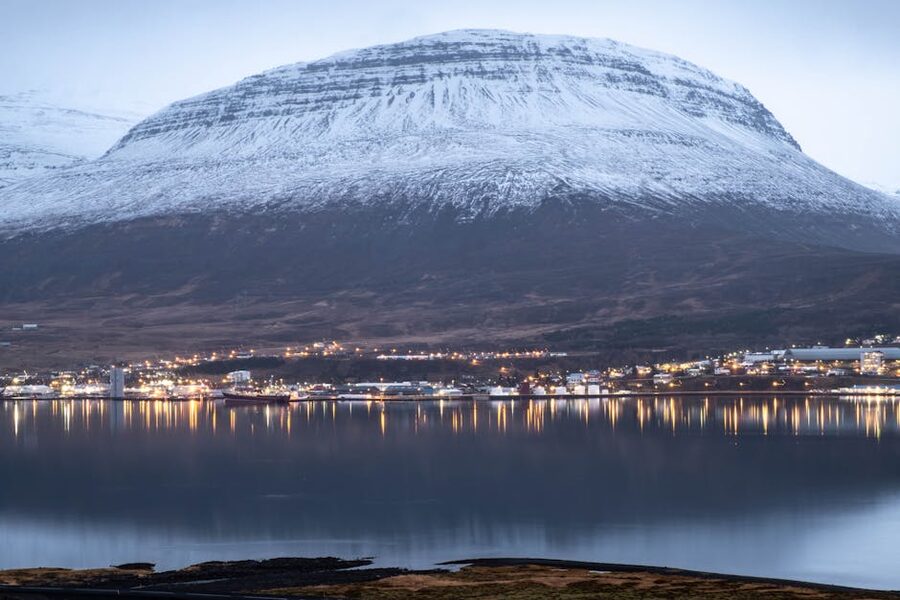
The East Fjords are similar. Seyðisfjörður is the must-stay village (the rainbow street, the blue church, the ferry from Denmark). Hótel Aldan or one of the guesthouses are your options. Borgarfjörður Eystri is even smaller. Djúpivogur, Breiðdalsvík, Stöðvarfjörður, all guesthouse country. Book ahead in July and August. Don’t expect a brand name.
If you’re a serious solo traveller or a couple in shoulder season, you can also look at the HI Iceland hostel network. Properties like the Suðureyri hostel in the Westfjords, or the Berunes hostel near Djúpivogur in the East, are clean, cheap, and run by people who care.
Highlands: huts only, no Airbnb
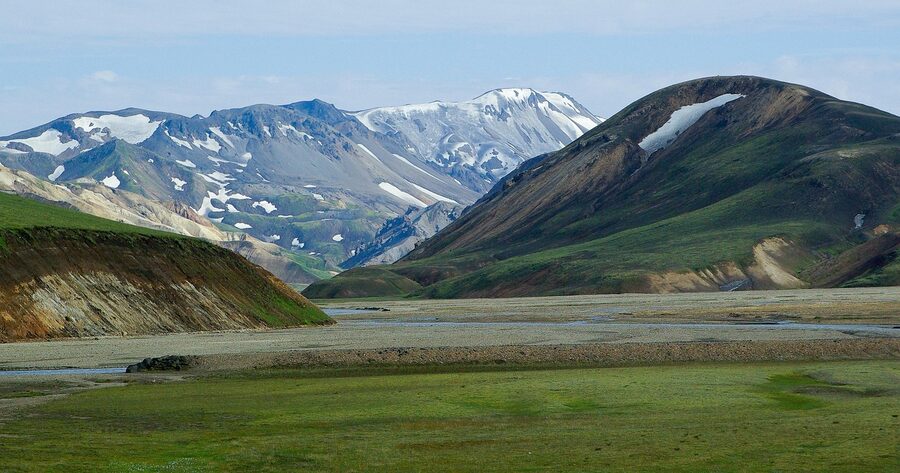
Worth saying clearly: in the Highlands (Hálendið), there is no hotel network and no Airbnb. The interior of Iceland above 500m is almost entirely uninhabited. What exists is a chain of mountain huts (sæluhús) run by Ferðafélag Íslands, the Icelandic Touring Association, and a couple of competing organisations. Landmannalaugar, Hrafntinnusker, Álftavatn, Emstrur, Þórsmörk on the Laugavegur trail. Kerlingarfjöll has a small lodge. That’s it.
You sleep in shared sleeping platforms with a foam mattress, you bring your own sleeping bag, you cook your own food in the shared kitchen, and you’re at 600m altitude with a view that does the explaining for you. It’s the cheapest accommodation in Iceland and one of the best experiences. Book through fi.is months ahead for July–August. The huts close mid-September and don’t reopen until late June.
If you want comfort in the highlands, the answer is to stay outside it (Hella, Vík, Hrauneyjar) and do day trips up. Summer is the only season this works.
Cancellation policies, and why I’d check Booking before Airbnb in winter
The single most underrated factor in Iceland accommodation is the cancellation policy. Iceland weather changes plans more than you’ll plan for. A storm closes Route 1 in the south and your Vík reservation is suddenly two hours away on a hairy detour. A flight delay means your first night burns. Volcanic activity in the Reykjanes peninsula has, in 2024 and 2025, forced people to cancel Blue Lagoon trips and reroute around the south-west.
Booking.com’s “free cancellation until X days before” rates are genuinely useful. Many hotels offer free cancellation up to 24 or 48 hours before arrival. You pay maybe 10-15 percent more than the non-refundable rate. In Iceland that’s worth paying.
Airbnb’s cancellation policies are typically stricter. The “Strict” policy (which is the default for Iceland) gives you 50 percent refund up to one week before. The “Flexible” policy (full refund 24 hours before) is rarer here. And in 2026 with the new rules, hosts are more likely to be running a tight margin, so they’re less inclined to offer flexibility.
What I’d do for a winter trip: book the hotel via Booking.com on a free-cancellation rate. If you find an Airbnb you love a few weeks out and the weather forecast holds, switch to it then. The 10-15 percent premium for flexibility is small money against the cost of having to eat a non-refundable booking when a road closes.
Cleaning fees, the Airbnb math you need to do
An Airbnb listing in Reykjavík at 35,000 ISK a night sounds like it beats a 42,000 ISK hotel. Then add the 12,000 ISK cleaning fee and the 5,000 ISK Airbnb service charge, and on a 2-night stay it’s actually 43,500 ISK a night. Suddenly the hotel won.
The math always tilts toward Airbnb the longer you stay. On 5 nights, that 12,000 ISK cleaning fee is 2,400 ISK a night. On 7 nights, 1,700. The cleaning fee is fixed per stay, not per night, and Iceland’s are typically among the higher cleaning fees globally because labour is expensive here. Budget 8,000–15,000 ISK as a rough range for a Reykjavík flat.
Hotels in Iceland generally include the 11 percent VAT in the rate quoted on Booking.com (this is unlike, say, the US where you get hit with extra taxes at checkout). What’s not included is the 600 ISK per night Iceland accommodation tax that hotels collect on top, and any parking fees for downtown hotels (often 1,000-2,500 ISK a night where parking isn’t free). Read the room before you book.
For a true comparison, take the total nightly cost (rate + cleaning + tax + parking) divided by nights, and compare like for like. The Airbnb only beats the hotel after about 4 nights in most cases, and only if you’ll actually use the kitchen.
Pet policies and accessibility
Pets. Bringing a dog or cat to Iceland is genuinely complicated, Iceland has some of Europe’s strictest pet import rules, with mandatory quarantine. Almost nobody travels here with a pet for that reason. So pet-friendly accommodation is rare and not really a category most owners advertise. If you’re an Icelandic resident travelling within Iceland with a dog, Fosshotels and a few guesthouses (Hey Iceland lists pet-friendly farm-stays) accommodate. Most Reykjavík hotels don’t.
Accessibility. Hotels generally win here, and within hotels, the bigger chains win further. Berjaya properties, Fosshotel Reykjavík, the Center Hotels group, Reykjavík Konsulat all have accessible rooms with roll-in showers, lifts, and staff trained to help. The 1930 buildings (Hotel Borg, parts of the old harbour area) often have steps and small lifts. Always ring ahead. Airbnb listings are mostly residential flats in older buildings on upper floors with no lift. Filter for “step-free access” but check by message. The Wheelmap data on Iceland is patchy.
For wheelchair travellers specifically, the modern chain is the safer bet, and a ground-floor room is worth specifying.
Airbnb arrival logistics, the late-flight problem
One specific advantage of hotels I should hammer: arrival logistics. A lot of Iceland-bound flights, especially from the US, land at Keflavík between 22:00 and 23:30. Add the 50-minute Flybus or 45-minute drive into Reykjavík and you’re checking in at 01:00 or later.
Hotel arrival at 01:00: walk into the lobby, hand over passport, get a key, find the room.
Airbnb arrival at 01:00: retrieve the entry-code message from a chat thread on your phone, find the building (Reykjavík addresses use a building name and a street number, sometimes confusing), find the right door (often a side entrance for upper-floor flats), enter the keypad code while the wind makes your phone screen wet, find the apartment door, decode another code, and try the heating because the host’s last guest turned it off.
If you’ve done it 50 times in 30 cities, fine. If you haven’t and you’re tired and you’ve got a 6 year old asleep on your shoulder, it’s a stressful first hour of the holiday.
Workaround: many Reykjavík apartment-hotels have 24-hour check-in. Look for “24-hour reception” in the amenities. Reykjavík Residence Hotel, Apótek Apartments, and several others run staffed lobbies. They give you the apartment-with-kitchen advantage and the hotel-style arrival.
Phone numbers are another gotcha. Some Airbnb hosts only respond on WhatsApp. Some Icelandic hosts use a +44 (UK) number because the agency that manages their flat is based in London. Make sure your phone has roaming or data before you fly, and message the host the day before to confirm they got your arrival time.
Booking platform comparison
Where to search, in rough order of usefulness for Iceland:
Booking.com is the broadest catalogue here. Hotels, guesthouses, farm-stays, apartment-hotels, and a chunk of cabins all show up. Cancellation flexibility on a chunk of inventory. booking.com.
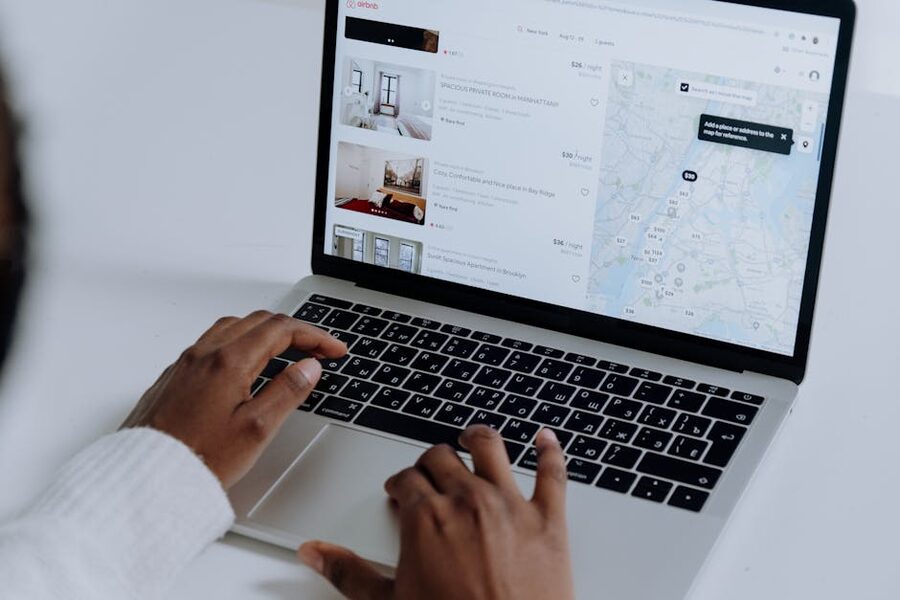
Airbnb still has the deepest rural cabin inventory, and is the only place you’ll find some of the smaller bubble pods, glamping setups, and remote farmhouses. Use the map view, filter for “entire place” plus “hot tub” if that’s your goal. airbnb.com.
Vrbo overlaps with Airbnb on cabin inventory in Iceland but is thinner. Worth checking if you want a larger property (5+ bedroom houses, family compounds), Vrbo skews bigger. vrbo.com.
Hotels.com and Expedia mostly mirror Booking’s hotel inventory but with different points/loyalty options. If you’ve got a Hotels.com Rewards stash, use it. The selection won’t be different.
Hostelworld lists Kex, Loft, Bus Hostel, and the HI Iceland network. Worth a look if you’re solo and budget-conscious. hostelworld.com.
Hey Iceland (hey-iceland.is) is a local aggregator of farm-stays and small countryside guesthouses. Doesn’t get enough English-language attention. Genuinely good for ring-road bookings.
Direct hotel sites. Berjaya, Íslandshótel, Keahotels, Center Hotels all have direct booking sites with occasional discounts. Hotel Borg sometimes has rates direct that beat Booking. Reykjavík Konsulat and 101 Hotel reward direct booking. Worth one extra browser tab on serious bookings.
Activity bundles and where the affiliate side fits in
Once accommodation is sorted, you’ll book tours separately. GetYourGuide has the best Iceland tour catalogue I’ve seen, Northern Lights, Golden Circle, ice caves, glacier walks, Silfra snorkel, Blue Lagoon transfers, all in one place with reviews. Day-tour pickups are mostly from central hotels and BSÍ, which is a soft argument for staying in 101. Viator overlaps but is smaller.
For ring-road planning, my driving guide has the practical stuff (F-roads, gravel, gas, insurance). And if you’re coming in shoulder or winter, Iceland in winter covers the seasonal differences in detail.
So what would I actually do?
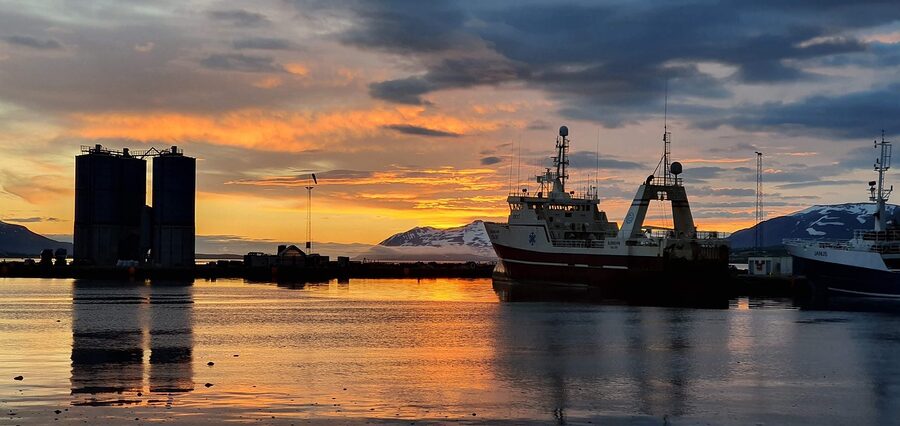
For a typical first trip, say 7 nights in summer, ring-road-lite or south coast, here’s the booking I’d make in 2026:
Nights 1-2: Hotel Borg or Reykjavík Konsulat. Central, characterful, walkable to everything, breakfast covers a meal.
Night 3: Hotel Vík í Mýrdal or a south coast cabin near Hella. Hot tub if you book the cabin.
Night 4: Fosshotel Vatnajökull near Höfn. Glacier lagoon at sunrise the next morning, no hassle.
Night 5: Hotel Egilsstaðir or push to Mývatn (Fosshotel Mývatn).
Night 6: Akureyri, Hotel Kea or Hotel Akureyri.
Night 7: Hotel Búðir on Snæfellsnes if you can splurge, otherwise back to Reykjavík at Sand Hotel or Centerhotel Plaza.
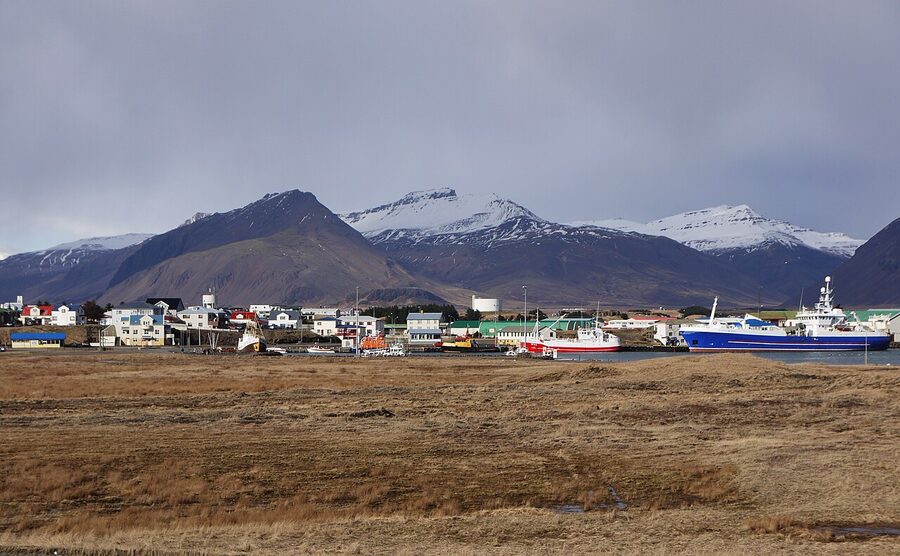
For a slow trip, 10+ nights in shoulder season with one base, I’d book a 5-night cabin near Hella with a hot tub via Airbnb or Booking, then 2 nights in a chain hotel up north, then 3 nights central Reykjavík to bookend. That mix gets you the rural cabin experience plus city ease.
For a winter honeymoon or romantic 4-night trip, I’d splurge on Hotel Rangá for two aurora nights and Hotel Borg or Konsulat for two city nights. The mix of star-watching and Reykjavík dinners is the sweet spot.
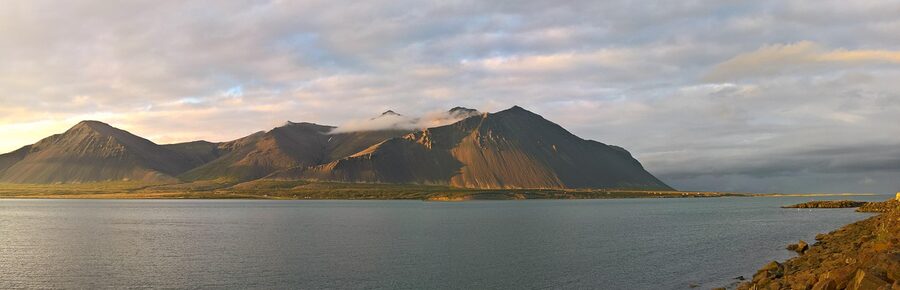
For a family of four with kids 8-14 doing a south-coast week, I’d book a 4-bedroom rural cabin near Selfoss or Hella for 5 nights, then 2 nights at Reykjavík Marina (Berjaya). Hot tub, kitchen, easy day trips, no daily packing.
One last thing
If you take one practical thing away: don’t pick the platform first, pick the trip. Sketch your route. Mark where you actually sleep each night. Then for each night, ask: do you need full service (hotel), a kitchen and space (apartment or cabin), a hot tub and dark sky (rural cabin), or just a clean bed and breakfast (guesthouse)? Match the booking to the night.
Þetta reddast. It’ll work out. Iceland is forgiving on accommodation if you’re forgiving with yourself. The country shows up regardless of which doorway you walked through. Just don’t book a flat 25 minutes from downtown for a weekend in February and then be surprised when it’s a slog. And don’t book Hotel Rangá for one rushed night when the forecast is overcast, save it for a clear week.
Sjáumst, see you here.