
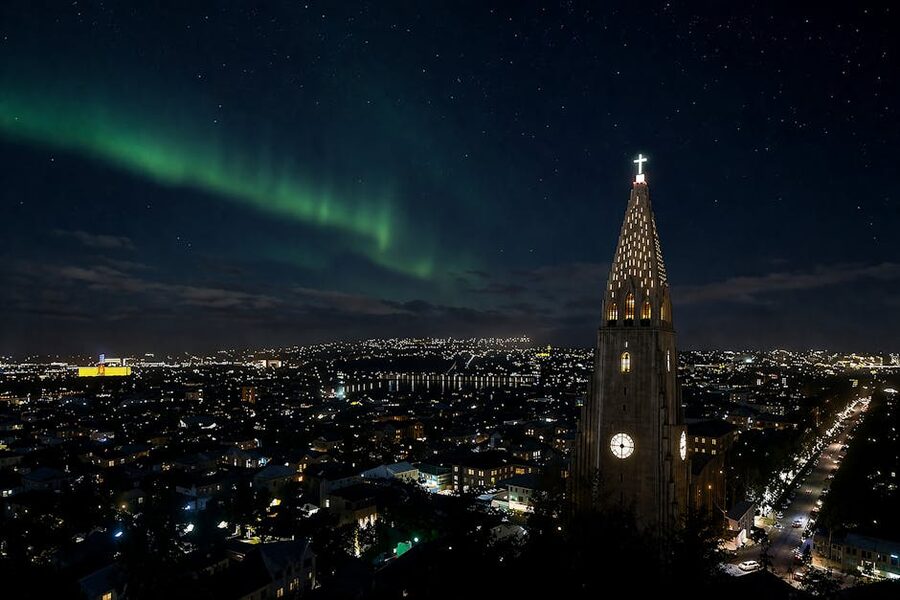
The Icelandair stopover is one of the few free things in air travel that’s still actually free. You’re flying between North America and Europe, you point your booking through Keflavík, and instead of a two-hour layover in the airport you take up to seven nights in Iceland and pay nothing extra in airfare. That’s the deal. It has been since the 1960s, and as of 2026 it’s still running.
I’ve watched friends and visiting cousins do this for years. The ones who treat it as a real little trip come away buzzing. The ones who try to cram a Ring Road into 48 hours leave shattered, having seen Iceland through a windscreen at 90 km/h. The difference is mostly about expectation setting. Let me walk you through what a stopover in Iceland actually looks like, what works for 12 hours and what works for seven days, and where most people go wrong.
In This Article
- What the Icelandair stopover programme actually is in 2026
- Eligibility and the routings that work
- What about the Stopover Buddy and the Stopover Pass
- And PLAY airlines
- Getting from Keflavík airport to Reykjavík
- Flybus, the standard airport coach
- Airport Direct
- Public bus 55
- Rental car from KEF
- Taxi or private transfer
- Realistic itineraries by stopover length
- 12-hour layover: Blue Lagoon and a Reykjavík dinner
- 24 hours: Reykjavík plus Golden Circle
- 2 days: Add Reykjavík proper plus a peek at the South Coast
- 3 days: Add Vík, Reynisfjara, and a glacier walk
- 5 days: Full South Coast loop to Jökulsárlón
- 7 days: Snæfellsnes loop or partial Ring Road
- Best months for a stopover
- June through August: long daylight, mild weather, crowds
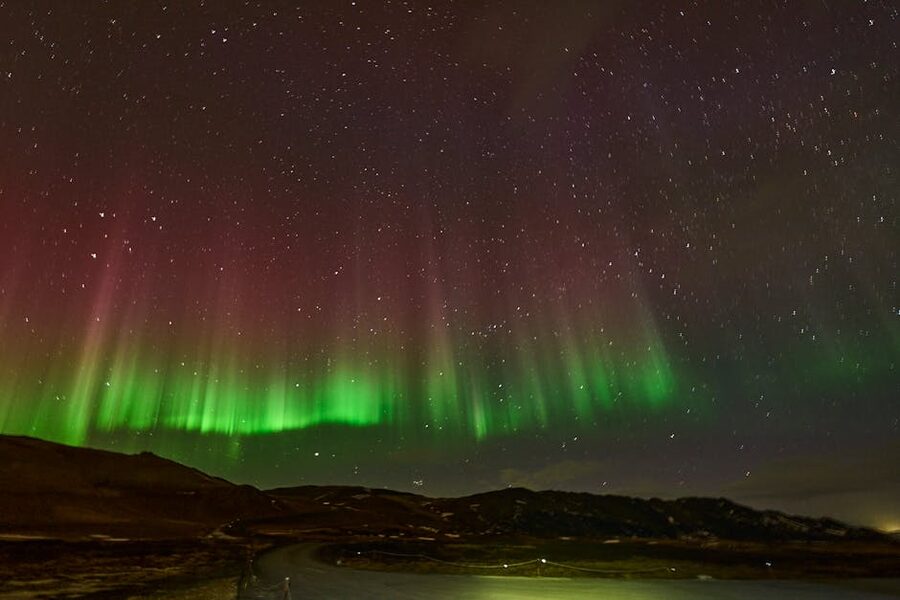
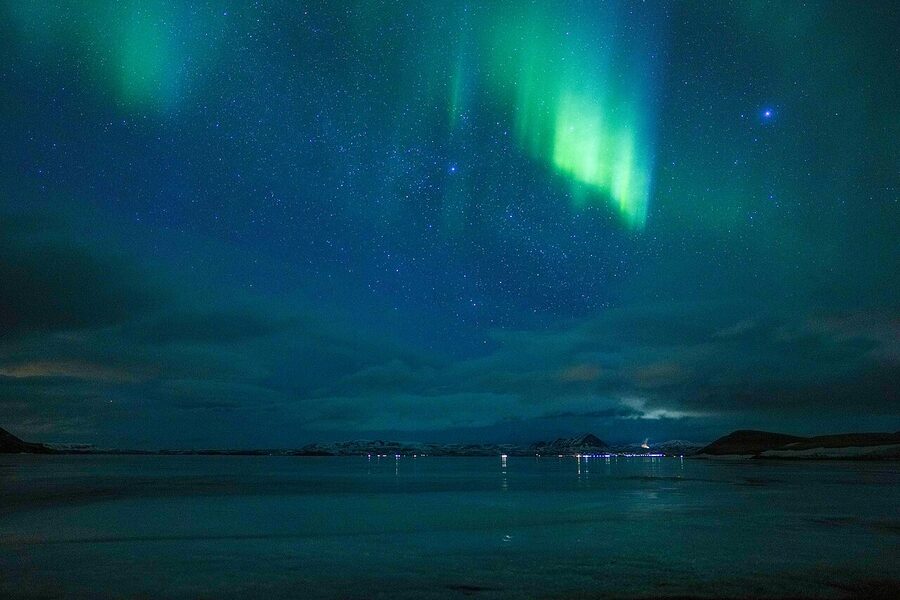
- February through March: aurora season at its best
- Shoulder seasons: April-May and September-October
- Where to base yourself: Reykjavík or Keflavík
- Activities you can actually book around a stopover
- Northern Lights tours from Reykjavík
- Glacier walks
- Snowmobile on Langjökull
- Whale watching from Reykjavík harbour
- Silfra snorkel or dive
- Tour platforms worth checking
- The trap: cramming too much in too few hours
- Currency, language, weather: the 10-minute version
- Stopover from US east coast versus Europe
- From the US east coast and Toronto
- From Europe
- One last thing about flight booking
- If you’ve got more time later
What the Icelandair stopover programme actually is in 2026
Here’s the plain version. When you fly transatlantic with Icelandair, you can choose to stop in Iceland for one to seven nights at no extra airfare on either the outbound or the return. Not “discounted” airfare. The same fare you’d pay if you connected through Keflavík for an hour. Icelandair has more or less invented the concept and it’s still the most generous stopover offer of any major carrier.
The current 2026 rules look like this:
- Economy Light (the cheapest fare bucket): one, two, or three nights in Iceland.
- Economy Standard, Economy Flex, Saga Premium, Saga Premium Flex: up to seven nights.
- Economy Flex and Saga Premium Flex: up to 21 nights, but anything over seven has to be booked by phone with the service centre, not through the website.
- The maximum total trip length on a roundtrip is 14 days. Plan accordingly.
- Both directions allowed. You can stopover on the way out and on the way home if you really want, though most people pick one.
To book, you go to icelandair.com, pick the “Stopover in Iceland” option in the trip-type dropdown, enter your origin and final destination, and then choose how many nights you want in the middle. The site will return a single itinerary that prices the whole thing as one fare. It’s not two one-way tickets stitched together. That’s the whole point.
One thing the marketing copy doesn’t tell you. From a few years of watching deals, the cheapest stopover fares often appear when you put the stopover on the return leg, not the outbound. The return-leg pricing seems to flex more. So if you’re flexible, search both directions and let the cheaper one win.
Eligibility and the routings that work
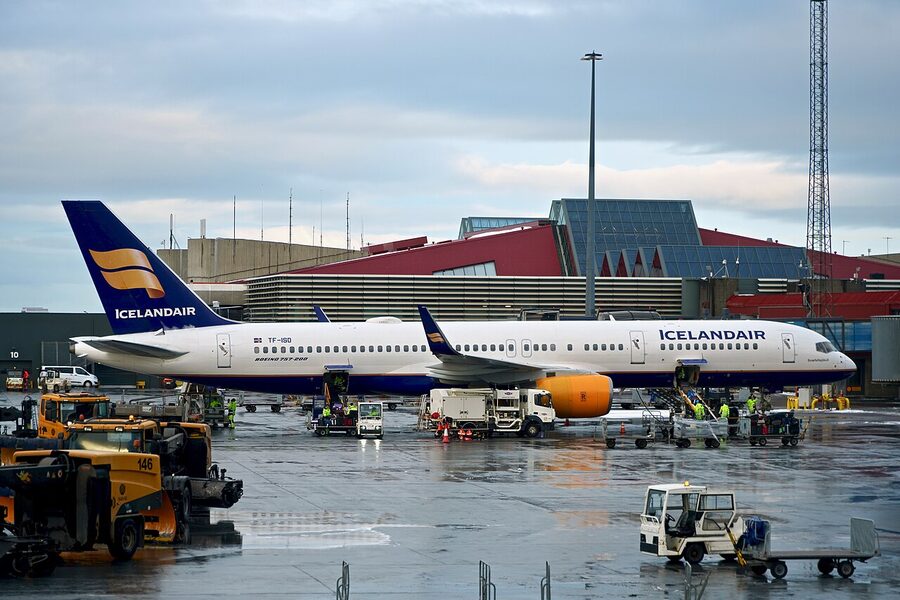
The stopover only works on transatlantic itineraries that pass through Keflavík. Practically, that’s almost any Icelandair routing between North America and Europe. From the US east coast you’ve got Boston (BOS), New York (JFK and EWR), Washington Dulles (IAD), Baltimore (BWI), and a Toronto run (YYZ) for Canadians. Further afield they fly out of Chicago (ORD), Denver (DEN), Seattle (SEA), Orlando (MCO), and Minneapolis (MSP) at varying frequencies through the year. On the European side you’ve got the obvious ones: London (LHR and LGW), Paris (CDG), Amsterdam (AMS), Frankfurt (FRA), Copenhagen (CPH), Oslo (OSL), Stockholm (ARN), Rome (FCO), Madrid (MAD), Barcelona (BCN), Dublin (DUB), and a handful more.
If your flight isn’t transatlantic in shape, the stopover doesn’t apply. So a London to Paris itinerary with a fictional Iceland detour won’t work. The North America to Europe (or vice versa) part is the requirement.
What about the Stopover Buddy and the Stopover Pass
People still ask me about these because Icelandair’s own old marketing material is still cached all over Google. Quick answer: neither is currently active in 2026.
The Stopover Buddy programme paired transit passengers with Icelandair employees who’d take them out and show them their favourite waterfall or coffee roastery. It ran briefly in early 2016. The Stopover Pass that replaced it ran 2017 to 2018. After that it went quiet. Both were marketing campaigns rather than permanent products. So if a 2018 blog post tells you to “request a Stopover Buddy on booking,” ignore it. The actual benefit is the free seven nights and that’s it.
And PLAY airlines
Worth saying clearly because there’s still a lot of stale information online. PLAY airlines, the budget carrier that ran since 2021 and offered its own “stayover” version of the stopover concept up to ten nights, ceased operations on 29 September 2025. They cancelled all flights with no warning. As of 2026, PLAY is not an option for getting to Iceland. Don’t book on the assumption they’re still flying. They aren’t.
If you want a budget alternative, easyJet flies London Gatwick, Luton, Birmingham, and Bristol into Keflavík. Wizz Air runs from a few European cities including Wroclaw and Vilnius. British Airways operates Heathrow to KEF. None of them offer a formal stopover programme like Icelandair, but if you book two one-way tickets through KEF on those carriers you can stay as long as you like. It just won’t price as a single fare.
Getting from Keflavík airport to Reykjavík
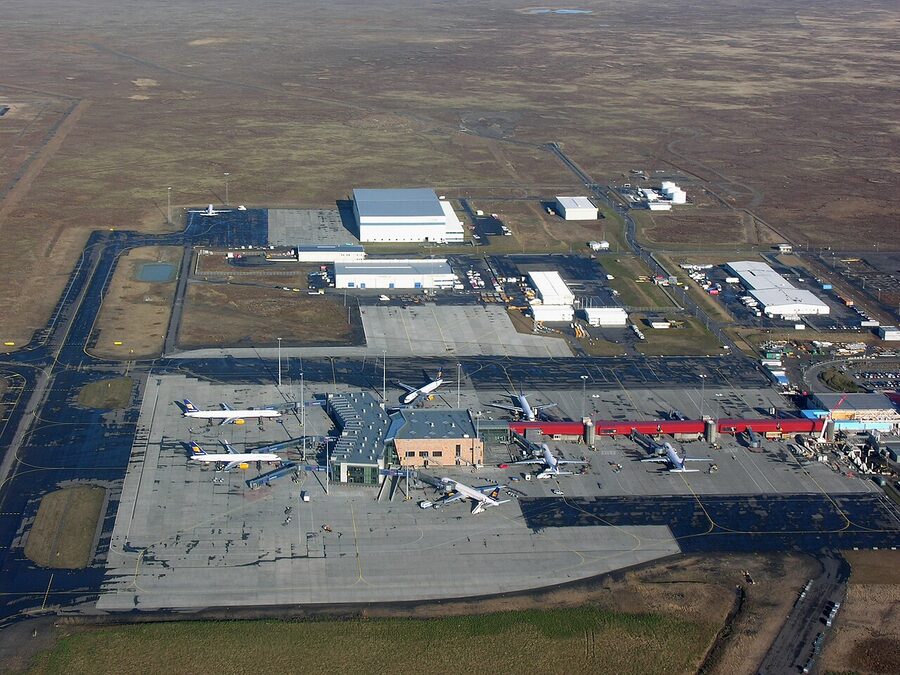
Keflavík (KEF) is about 50 km southwest of Reykjavík. There’s no train, no metro, no cheap subway link. You’ve got four real options.
Flybus, the standard airport coach
The Flybus is run by Reykjavik Excursions and is the default for most visitors. As of 2026 the price is 3,899 ISK to BSÍ bus terminal in Reykjavík, or 4,999 ISK if you want the door drop at your hotel via the Flybus+ shuttle. Buses leave 30 to 60 minutes after every arriving flight, the ride is about 45 to 50 minutes, and you don’t need to pre-book. You can grab a ticket at the desk in the arrivals hall or on the bus. Worth booking online if your flight is at a busy time.
Worth knowing: BSÍ is a 20-minute walk from downtown Reykjavík (or a short taxi). The Flybus+ door drop costs an extra 1,100 ISK and saves you a 20-minute walk with a suitcase. If you’re tired and the weather is bad, take the door drop.

Airport Direct
The other coach operator. Their service is similar in price and frequency, but their drop-off terminal is a bit further out from the centre, so I’d usually only use them if Flybus is sold out. Some travellers reported in 2024 and 2025 that Airport Direct stopped running and transferred their tickets to Flybus, then started up again. Worth checking the day before you fly to confirm operations.
Public bus 55
The cheap option, and the one most visitors don’t know about. Strætó’s route 55 runs Keflavík to Reykjavík for around 2,400 ISK with cash or the Klappid app. Takes a bit longer than Flybus and the schedule is sparser, especially late at night. If your flight gets in at 02:00 the public bus isn’t running. If you arrive at lunchtime and don’t mind a slower ride, it’s fine.
Rental car from KEF
For anything more than a city stay, just rent a car. Hertz, SIXT, Europcar (which runs as Höldur in Iceland), and Avis have desks inside the arrivals hall. Blue Car Rental, Lava Car Rental, Lotus, Budget, and Enterprise are all within a five-minute shuttle of the terminal. Compare prices on northbound.is which is a useful aggregator with most of the local operators.
For driving rules, road conditions, and the gravel-versus-asphalt confusion that catches a lot of first-timers, see our Iceland driving guide and the car rental guide. Short version: if you’re staying on Route 1 (the Ring Road) and the standard South Coast loop, a 2WD compact is fine year-round outside winter storms. F-roads and the highlands need a 4WD.
Taxi or private transfer
A taxi from KEF to downtown Reykjavík runs 18,000 to 23,000 ISK. A private chauffeur transfer through Hreyfill or one of the GetYourGuide-listed operators runs 25,000 to 40,000 ISK depending on vehicle. Only worth it if you’re three or four people splitting the fare or if you’ve got a very early connection and don’t want to deal with bus schedules.
Realistic itineraries by stopover length
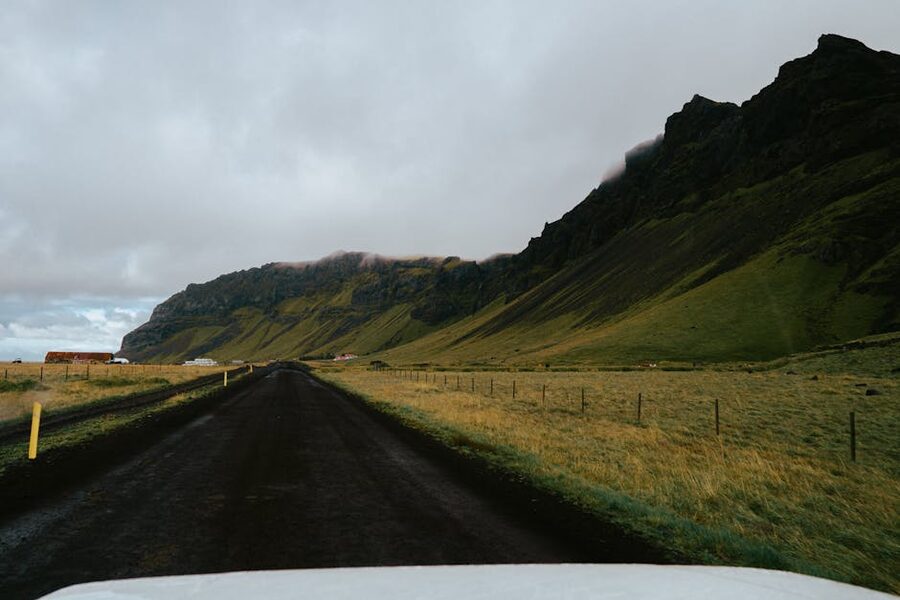
Here’s the part where I stop you from making the classic mistake. Iceland looks small on a map. It’s not small in driving time. Reykjavík to Vík is two and a half hours one way in good conditions. Vík to Jökulsárlón is another two and a half. The Ring Road in full is 1,332 km. You can’t see it all in three days. So pick a shape that matches your hours and stick with it.
12-hour layover: Blue Lagoon and a Reykjavík dinner
If you’ve got a late-evening connection and twelve hours between flights, here’s the move that everyone wants. Drop your bags at the airport storage (there’s a left-luggage office in the arrivals area), grab the Flybus or a rental, and head straight to the Blue Lagoon. It’s twenty minutes from KEF, opens at 09:00 most of the year (07:00 in summer, 08:00 in shoulder), and book the timed entry in advance because walk-in availability is rare.
Comfort entry from 11,990 ISK in 2026, Premium 14,990 ISK, Signature 18,490 ISK. Those are starting prices. The lagoon uses dynamic pricing so weekend afternoons cost more than Tuesday mornings. The Comfort tier is fine. You get the silica mask, a towel, and one drink at the swim-up bar.
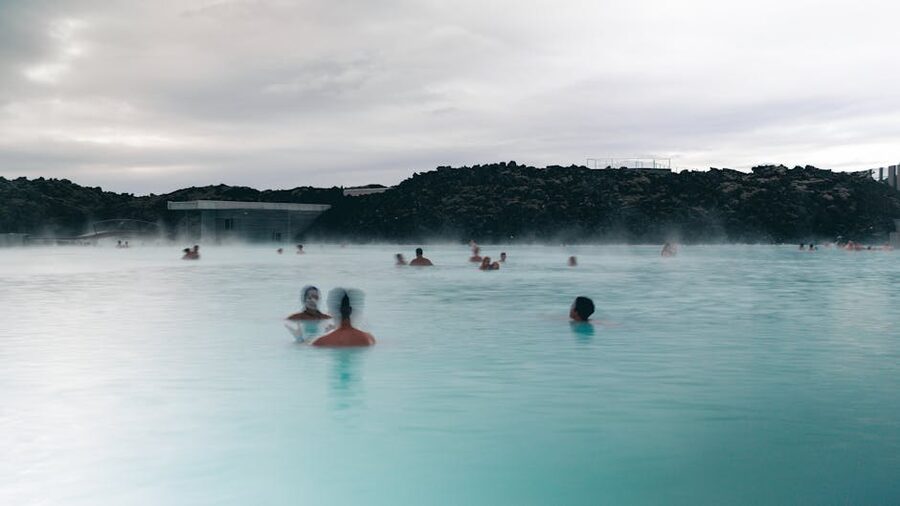
After two hours in the lagoon, head to Reykjavík for dinner. The 30-minute drive from the lagoon to downtown is straightforward. Eat at one of the harbour-side spots like Höfnin or Matur og Drykkur. Walk Laugavegur for an hour. Drive back to KEF with two hours’ buffer for security. That’s a clean, repeatable 12-hour stopover and you’ve actually done something.
What I think of the Blue Lagoon. It’s busy, it’s expensive, the silica mud is slightly less magical than Instagram suggests. But the proximity to KEF, the predictability, the fact that you can shower properly before your flight, that’s why it’s the default. For more on the comparison with Sky Lagoon and the wild soaks, see our hot springs guide.
24 hours: Reykjavík plus Golden Circle
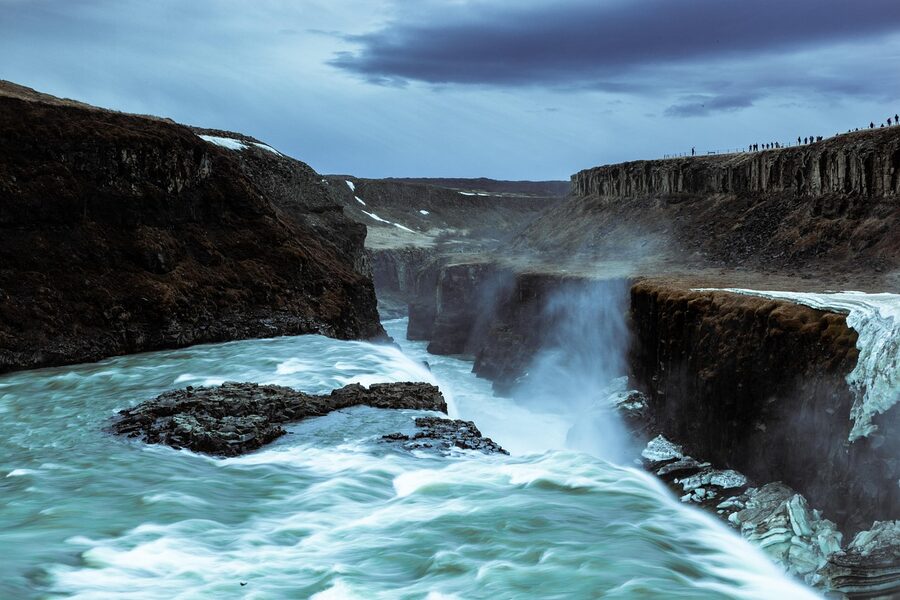
One full day is enough for the Golden Circle in a single sweep, plus a Reykjavík evening. Pick up a rental at KEF on arrival, drive to Reykjavík (45 minutes), drop the bag at your hotel, then drive the loop. Þingvellir (Thingvellir) National Park first, where the North American and Eurasian plates pull apart and you can walk between continents in the Almannagjá rift. The Geysir geothermal field next, where Strokkur erupts every five to ten minutes (the original Geysir, the one that gave geysers their name in every language, is mostly dormant now). Then Gullfoss, the two-tier waterfall that drops into a basalt canyon. Add Kerið crater and the Friðheimar tomato greenhouse if you’ve got the energy.
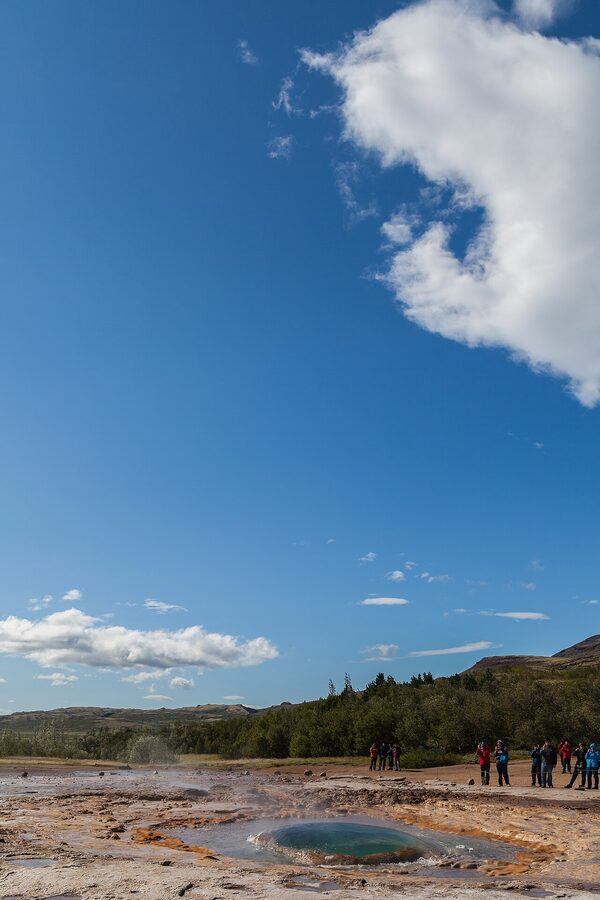
Total drive is about 230 km in a loop. With photo stops, plan six to seven hours. You’ll be back in Reykjavík by dinner.
Don’t want to drive? Reykjavik Excursions and Gray Line both run full-day Golden Circle coach tours from BSÍ for around 12,000 to 16,000 ISK. They’re efficient, the guides are usually good, and you can sleep on the bus. See the Golden Circle guide for stop-by-stop logistics.
2 days: Add Reykjavík proper plus a peek at the South Coast
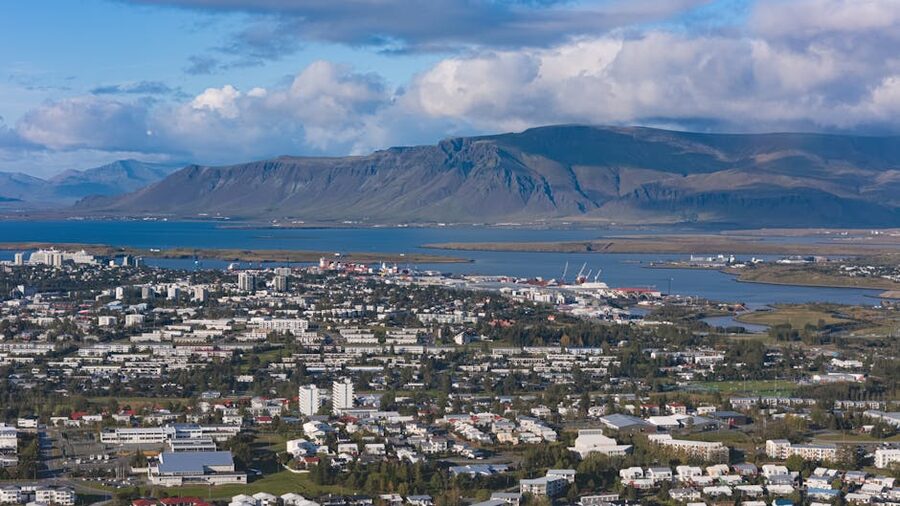
With two days you can give Reykjavík a proper morning before driving the Golden Circle on day one, then push out the South Coast as far as Skógafoss and back on day two.
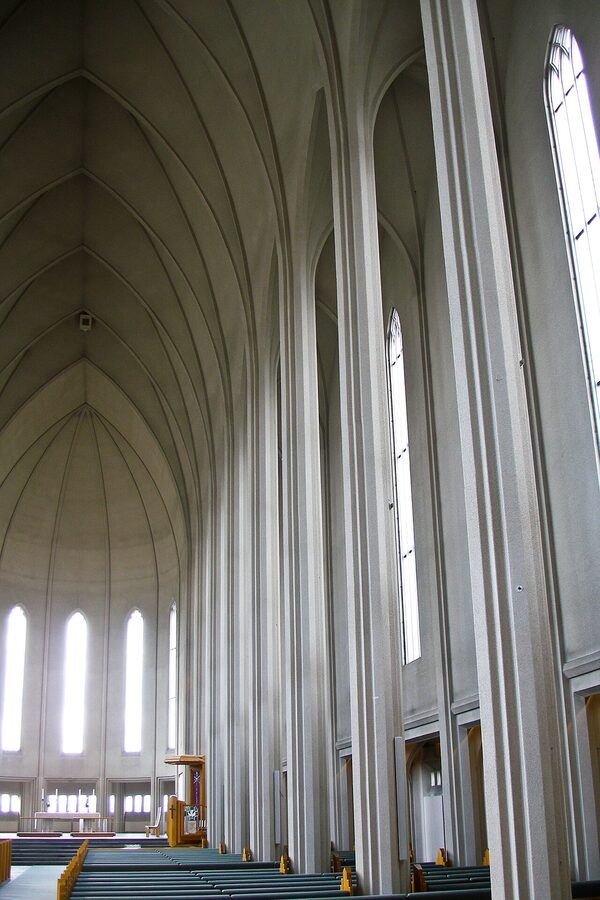
Day 1. Morning in Reykjavík. Walk up to Hallgrímskirkja and take the lift to the top of the tower for the best free view of the city (1,400 ISK). Wander Laugavegur and Skólavörðustígur, get coffee at Reykjavík Roasters, see the Sun Voyager sculpture by the harbour. Lunch at Bæjarins Beztu Pylsur, the famous hot dog stand by the old harbour, where Bill Clinton got his hot dog and where they’ve been working since 1937. Back in the car for the Golden Circle in the afternoon.
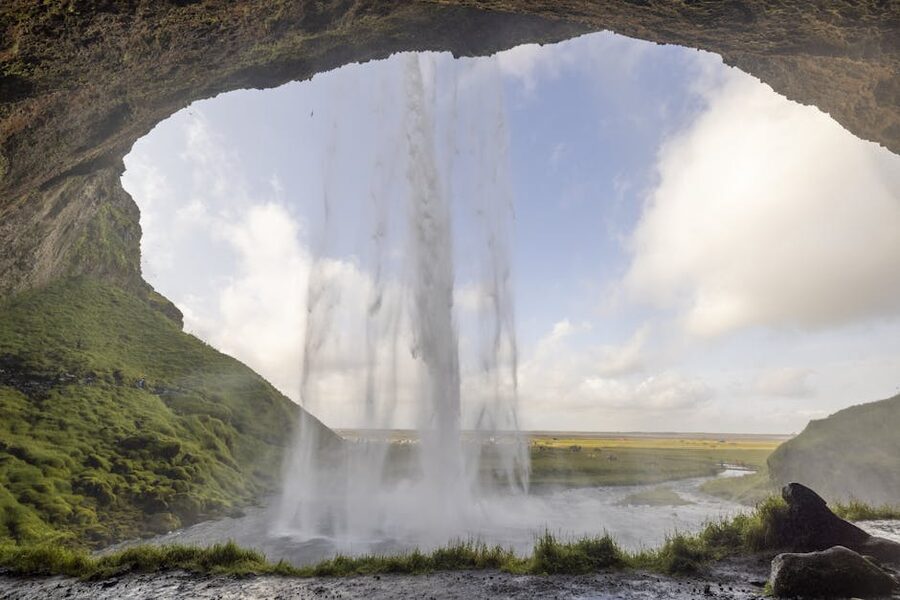
Day 2. Out east on Route 1 to the South Coast. Seljalandsfoss first, where you can walk behind the curtain of water (130 km from Reykjavík, about 1 hour 50 minutes). Skógafoss next, 30 km further, a wider and more dramatic drop. Climb the staircase up the side for the top view. Turn around at Skógafoss and head back. You’ll be in Reykjavík for a late dinner.
3 days: Add Vík, Reynisfjara, and a glacier walk
Three nights opens up the southern coast properly.
Day 1. As the 2-day plan: Reykjavík morning, Golden Circle afternoon. Sleep in Reykjavík.
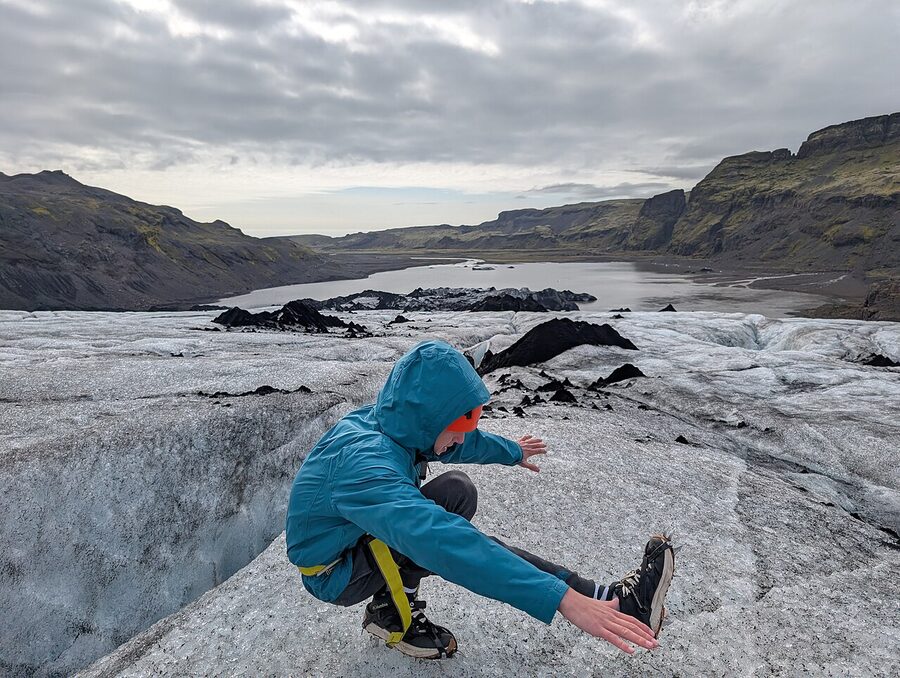
Day 2. Drive east. Seljalandsfoss, Skógafoss, then Sólheimajökull glacier (a small glacier tongue you can hike onto with a guide), then Reynisfjara. Sleep in Vík.
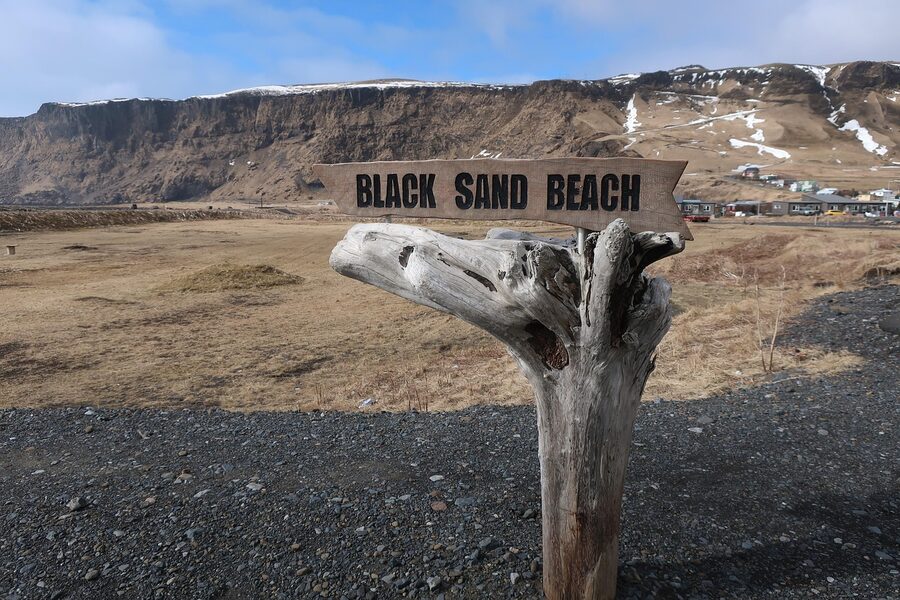
About Reynisfjara. The basalt columns are real. So are the sneaker waves. Three people have died at this beach in the last decade because they turned their back on the surf to take a photo. Stand at least 30 metres back from the waterline. Watch a few sets before you walk closer. The black sand and the Atlantic look benign and they aren’t.
Day 3. Morning in Vík (the village itself, the red-roofed church on the hill, the wool factory if you want to buy a real lopapeysa). Drive back to Reykjavík with a stop at one of the spots you skipped on the way out, and a final soak at Sky Lagoon if your flight is late. Sky Lagoon is 7 km from downtown Reykjavík, opens at 09:00, costs around 12,990 to 18,990 ISK depending on package, and the seven-step ritual (sauna, cold plunge, steam room, salt scrub, the lot) is genuinely a nicer experience than the Blue Lagoon. I’d send most first-timers here over the Blue Lagoon if their flight schedule allows it.
5 days: Full South Coast loop to Jökulsárlón
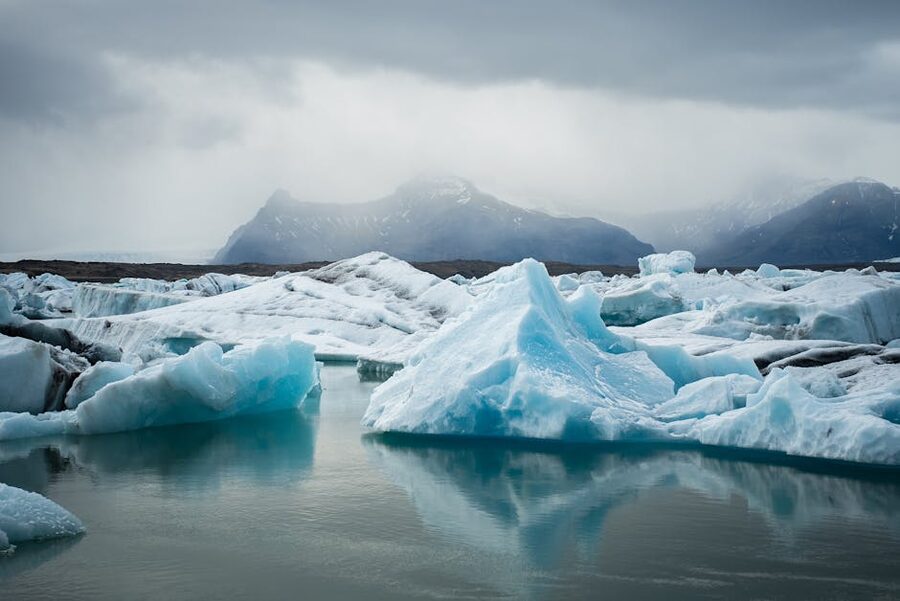
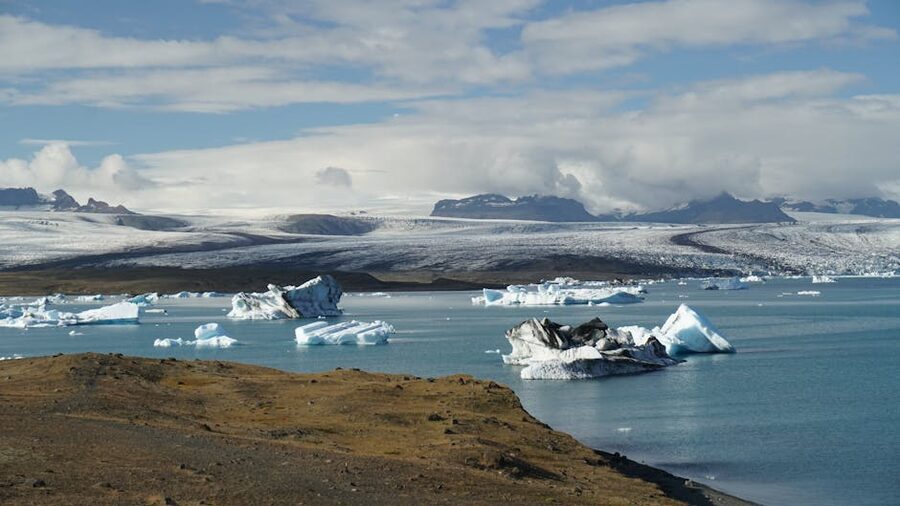
Five nights is where the trip starts to feel like a real Iceland trip and not just a long layover. The standard play is a full South Coast loop to Jökulsárlón, which is the eastern limit of what’s sensible from Reykjavík.
- Day 1. Arrival, Reykjavík, sleep in town.
- Day 2. Golden Circle. Sleep in Reykjavík or push east to a guesthouse near Hella.
- Day 3. Seljalandsfoss, Skógafoss, Sólheimajökull, Reynisfjara, sleep in Vík.
- Day 4. Vík to Jökulsárlón (about 190 km, 2.5 hours), with stops at Fjaðrárgljúfur canyon and Skaftafell in Vatnajökull National Park. The glacier lagoon at Jökulsárlón has icebergs that calved from Breiðamerkurjökull and drift slowly out to sea, and Diamond Beach across the road is where the smaller chunks wash up onto black sand. Sleep at one of the guesthouses near Hof or back in Vík (the Vík sleep is easier to chain into the return drive).
- Day 5. Drive back, Sky Lagoon if you’ve got time, fly home.
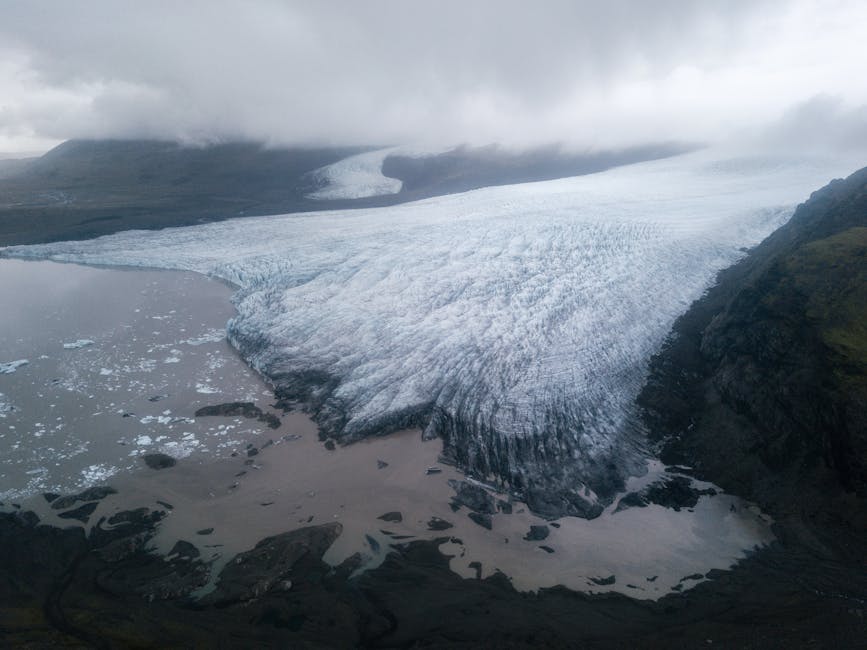
For accommodation between Vík and Jökulsárlón, options thin out fast. Book a few weeks ahead in summer.
7 days: Snæfellsnes loop or partial Ring Road
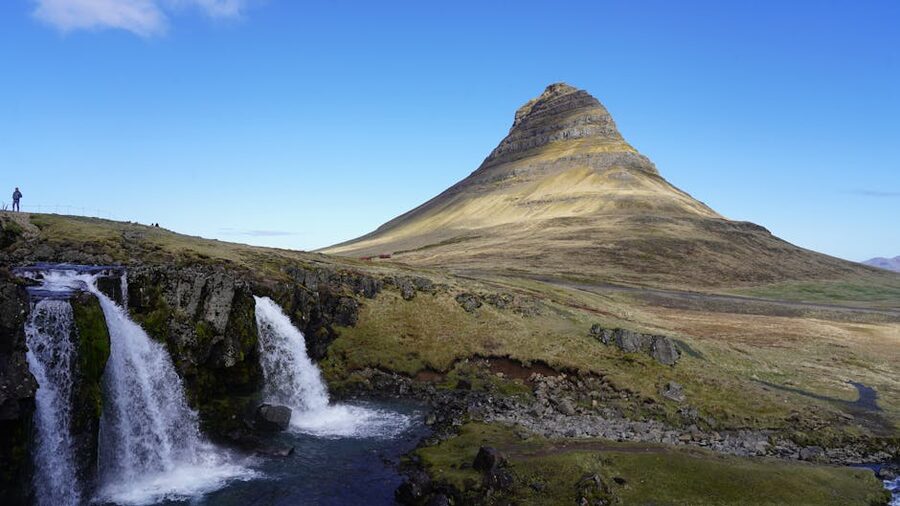
Seven nights is the maximum, and it gives you two real options.
Option A: South Coast plus Snæfellsnes. Days 1 to 5 as the five-day plan above. Day 6, drive west to Snæfellsnes peninsula, the “Iceland in miniature” that has a glacier-capped volcano (Snæfellsjökull, the one Jules Verne sent his characters down), the cone-shaped Kirkjufell mountain, sea cliffs at Arnarstapi, lava fields, the black church at Búðir, and a coastline that on a clear day rivals anywhere on the South Coast. Sleep at Stykkishólmur or Grundarfjörður. Day 7, drive back to Reykjavík (175 km), one last meal in town, fly out.
Option B: Partial Ring Road. If you’re a confident driver and you don’t mind long days behind the wheel, you can do the western half of the Ring Road in seven days. Reykjavík, Golden Circle, South Coast to Jökulsárlón, then keep going east to Höfn, the East Fjords, and turn around at Egilsstaðir. Drive back. You’ll see more, you’ll do more driving, you’ll spend less time at each stop. Whether that’s worth it depends on the kind of traveller you are.
I’d send first-timers to Option A. The peninsula is the better trade for the time. Save the full Ring Road for a future trip when you’ve got ten or twelve days.
Best months for a stopover
Two windows are genuinely different products.
June through August: long daylight, mild weather, crowds
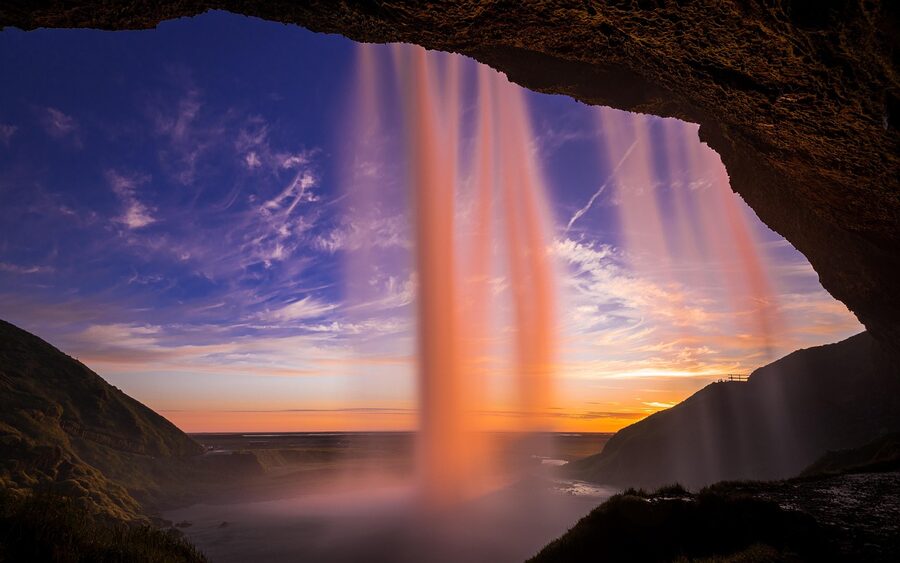
If you’ve never been to Iceland and you want the safest weather window for a fast trip, summer is the one. June 21 is the peak of the midnight sun. From late May to early August, the sun barely sets in the southwest. You can drive the Golden Circle at 23:00 and still have golden light. Roads are open, F-roads (the highland gravel tracks) start opening in mid-June, prices are highest, and most Icelanders take their own holidays in July and August.
Trade-offs. The Blue Lagoon and Sky Lagoon book out two weeks ahead. The Golden Circle has bus tour traffic. South Coast viewpoints have crowds. And the Northern Lights are not visible because the sky doesn’t get dark enough. If you came for the aurora, summer is wrong.
For more on the summer experience including midnight sun, see Iceland in summer.
February through March: aurora season at its best
The Northern Lights need three things: solar activity, dark skies, and clear weather. February and March nail two of the three reliably. Long nights, statistically clearer skies than November or December, and the equinoxes around 20 March are when geomagnetic activity tends to spike. If your stopover is aurora-driven, this is the window.
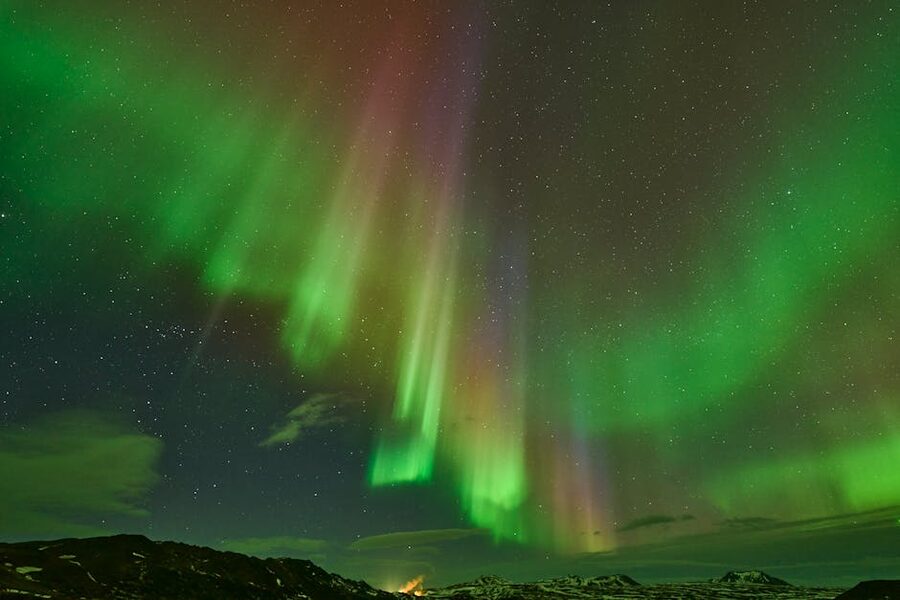
Tradeoffs. It’s cold (-2 to +3°C in Reykjavík, colder inland and on the coast). Roads can close for a day at a time during storms. Daylight is short (sunrise around 09:00, sunset around 17:30 by mid-February, stretching to 19:00 by late March). You’ll plan your driving around weather windows. Always check vedur.is for forecasts and safetravel.is for road conditions and travel alerts. The aurora forecast on the same site is the gold standard.
For the longer view on winter, see Iceland in winter and the aurora forecast guide.
Shoulder seasons: April-May and September-October
If you’re flexible, this is the value play. Hotels are cheaper. Tours run. Roads are open. You can still see auroras in late September into October if it’s a clear night. May has long days and the green is just coming back. October is the photographer’s favourite, with autumn colour in the moss fields and dramatic light. Crowds are noticeably thinner than peak summer. The downside is weather variability. You might get a five-day window of perfect weather or you might get five days of horizontal rain. Iceland in September goes deeper on this if it’s the month you’re considering.
Where to base yourself: Reykjavík or Keflavík
For most stopovers, the answer is Reykjavík.
Reykjavík is where the dinners are, where the museums are, where most tours pick up from BSÍ, and where the city itself is worth a half-day. The drive back to KEF for departure is 45 minutes on a good road that’s open year-round. If your flight is at 06:00, you’ll need a Flybus departing around 03:00 from BSÍ or a private transfer, which is the only real downside.
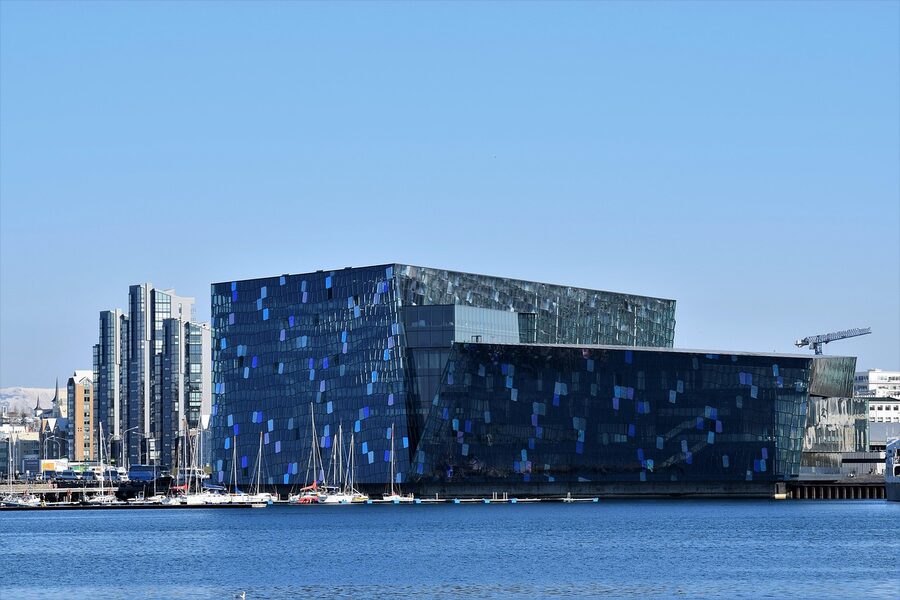
Reykjavík hotels worth checking, with verified Booking.com URLs:
- Hotel Borg by Keahotels, 1930 art deco landmark on Austurvöllur square. Five-star, central, expensive. Worth it for the building.
- Kvosin Downtown Hotel, suite-style apartments in the old town. Good for two-night stays where you want a kitchen.
- Sand Hotel, on Laugavegur shopping street. Mid-range, modern, walkable to everything.
- Skuggi Hotel, slightly more budget, decent breakfast, ten minutes’ walk from Hallgrímskirkja.
- Eyja Guldsmeden, a sustainable boutique with a sauna. Nice atmosphere, good for a longer stopover.
Keflavík hotels are sensible if your stopover is one night between two flights and you’re not planning to leave the airport area. The drive in is dead time you’ll skip.
- Hotel Berg, harbourside in Keflavík town with a small outdoor hot pool. The best of the airport hotels.
- Hotel Jazz, free shuttle, friendly, no nonsense.
- Park Inn by Radisson Reykjavik Keflavik Airport, full-service, restaurant on site, useful if your connection is awkward.
For a 2 or 3-day stopover where you want to push out to Vík on day two:
- Icelandair Hotel Vík (Vík í Mýrdal), the village’s main hotel with a view of the church on the hill.
- Hotel Kría, modern build at the edge of Vík, good restaurant.
Activities you can actually book around a stopover
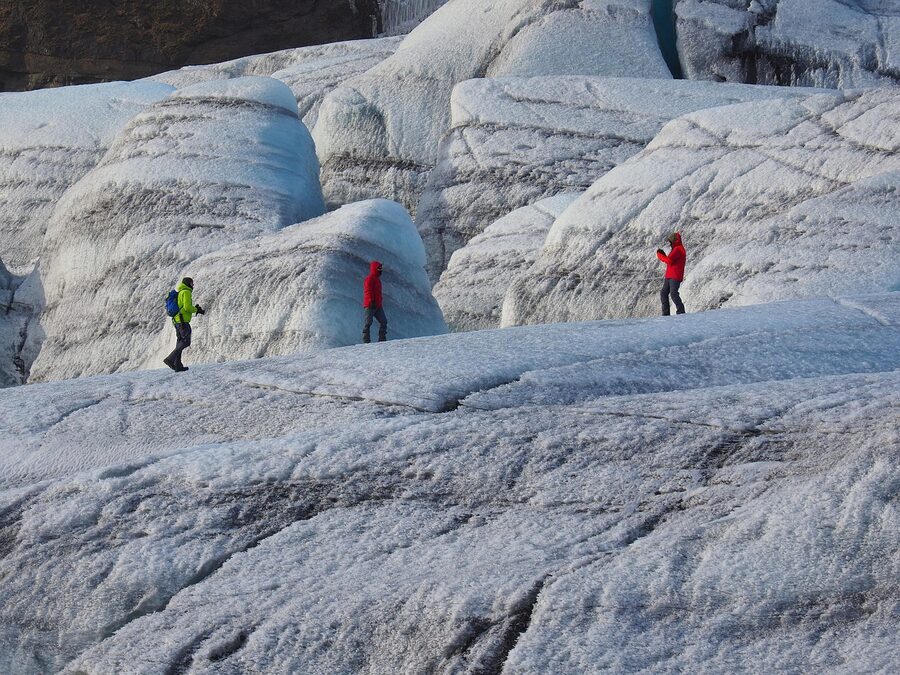
Half the fun of an Iceland stopover is doing one or two real activities, not just photographing waterfalls from the car park. The ones that genuinely fit a stopover schedule:
Northern Lights tours from Reykjavík
Bus tours leave Reykjavík around 20:00 to 21:00 in winter, drive away from the city lights, and stop wherever the guide thinks gives the best chance. You’re back by midnight or one. Reykjavik Excursions and Gray Line are the two big operators, both with the standard rebook-free-if-you-don’t-see-them policy. Bus Travel Iceland and Arctic Adventures run smaller-group versions for a bit more money. Around 9,000 to 14,000 ISK per adult.
The thing nobody tells you on the booking page: even on a tour, the aurora isn’t guaranteed. You can pay, drive an hour, stand in -5°C for two hours, and see clouds. The rebook-free policy is the actual product. Plan to use it. You might see them on attempt one. You might use three nights of your stopover.
Glacier walks
Sólheimajökull is the easiest from Reykjavík for a stopover. Operators including Mountaineers of Iceland, Arctic Adventures, and Icelandic Mountain Guides run two and three-hour guided walks with crampons and ice axes provided. Around 15,000 to 22,000 ISK. You don’t need to be a climber. You do need decent waterproof boots. For a longer outing or an ice cave under the glacier in winter, see the photo tour guide which covers ice cave logistics.
Snowmobile on Langjökull
The Langjökull glacier sits about 90 minutes from Reykjavík and operators run snowmobile tours over the ice cap year-round. Mountaineers of Iceland and Troll Expeditions are the main ones. About 30,000 to 40,000 ISK including pickup. Loud, fast, slightly silly, very fun. Best with a full day in your stopover.
Whale watching from Reykjavík harbour
The boats leave from the old harbour right in the middle of town, no transfer needed. Elding is the main operator. Sailings April through October have a high success rate for minke whales, white-beaked dolphins, and harbour porpoises. Humpbacks rarer but possible. Around 12,000 ISK for the standard three-hour trip. Realistic take: Húsavík in the north is a better whale-watching destination, but it’s eight hours’ drive from Reykjavík and not stopover-feasible. If you want whales on a short trip, the harbour boat is your option.
Silfra snorkel or dive
The fissure at Þingvellir is one of the few places in the world where you can swim between two tectonic plates, in glacial meltwater filtered through lava rock for a hundred years. Visibility is regularly 100 metres. The water is 2-4°C year-round, so you’re in a drysuit with a thick under-layer. Dive.is and Arctic Adventures run snorkel trips for around 22,000 ISK and dive trips for considerably more if you’re certified. Pairs perfectly with a Golden Circle day.
Tour platforms worth checking
For day tours and activities, plain affiliate platforms with proper Iceland coverage:
For the broader survey of what’s bookable on a stopover-length trip, our Iceland day tours guide covers the full slate.
The trap: cramming too much in too few hours
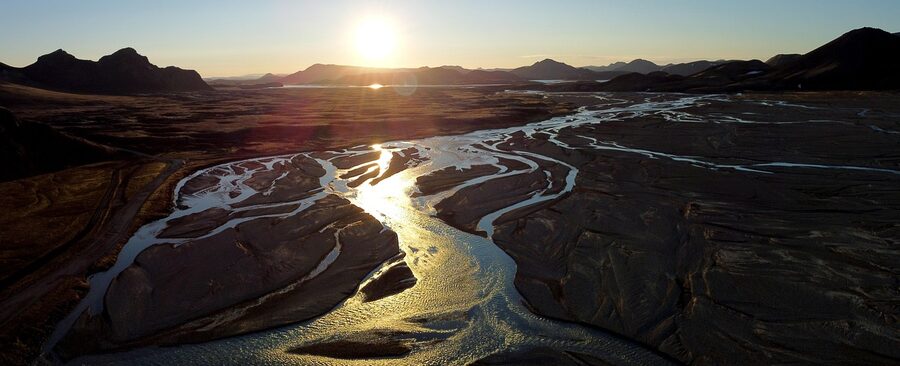
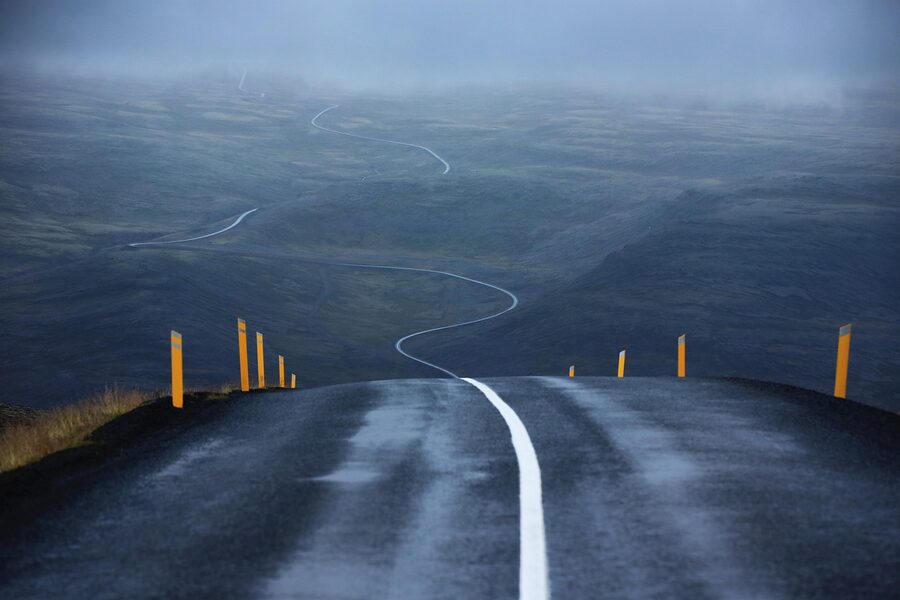
This is the part where I do my friend-pointing-things-out routine. The mistake almost every first-timer makes on a short stopover is trying to drive too far on day two. Reykjavík to Jökulsárlón is 380 km, five and a half hours each way without stops. People see Jökulsárlón on Instagram, think it’s “near Reykjavík” because it’s on the same coastline, and try to bag it on a 36-hour stopover. They drive eleven hours, see Jökulsárlón for forty minutes in fading light, drive back exhausted, and remember nothing.
The smart play on a stopover is to pick one region and do it slowly. If you’ve got two days, the South Coast as far as Skógafoss or Vík is the right ceiling. If you’ve got three days, Vík and a glacier walk. If you’ve got five, that’s when Jökulsárlón becomes reasonable. Six or seven, you can add Snæfellsnes. Don’t push past your time budget.
The other classic: not building in buffer for weather. Iceland weather has opinions. A storm can close Route 1 for half a day. The aurora forecast can be 8 out of 9 and the cloud cover can ruin the night. Build a slack day or a flexible afternoon into anything longer than three days. Þetta reddast (“it’ll work out”) only works if you’ve left room for it to work out.
Currency, language, weather: the 10-minute version
Quick survival kit so you don’t have to read fifteen articles.
Currency. The króna (ISK). Card is king everywhere, including the smallest village shop. You can travel a week in Iceland and never touch cash. Most card terminals accept tap and swipe. ATMs at the airport and in town if you really want kronur. For deeper detail see our currency guide.
Language. Icelandic. But everyone speaks English fluently from school age. You don’t need a phrasebook. A few useful words anyway: takk (thanks), takk fyrir (thanks for that, more polite), góðan dag (good day), skál (cheers). Place names use letters that don’t exist in English: Þ (th as in “thing”), ð (th as in “this”), æ (eye). So Þingvellir is “thing-vetlir” and Reykjavík is “rake-yah-veek.” For more, see the language guide.
Weather. Layer up. The standing joke is that Iceland has all four seasons in a day, and it’s not a joke in October. Wear a base layer, a fleece, and a waterproof shell. Add a hat and gloves November through March. Trail shoes or low hiking boots for waterfalls (the spray makes everything slippery). The wind is the part most visitors underestimate. A 5°C day with 50 km/h gusts feels colder than -5°C still air. Check vedur.is the morning of any drive.
Tipping. Not expected. Service is included. Round up if you want.
Driving. Right side. Speed limits 90 km/h on paved rural roads, 80 km/h on gravel, 50 km/h in towns. Lights on at all times year-round. Single-lane bridges marked “Einbreið brú” are common, slow down and let oncoming traffic clear first. F-roads are 4WD only and most car rental insurance won’t cover damage on them. road.is for live conditions, safetravel.is for safety alerts.
Internet. 4G covers the whole inhabited country and most of the Ring Road. Roaming for EU and UK visitors is usually included on home plans. North American visitors should grab an eSIM (Síminn or Nova) for cheap data.
Stopover from US east coast versus Europe
Two different shapes of trip.
From the US east coast and Toronto
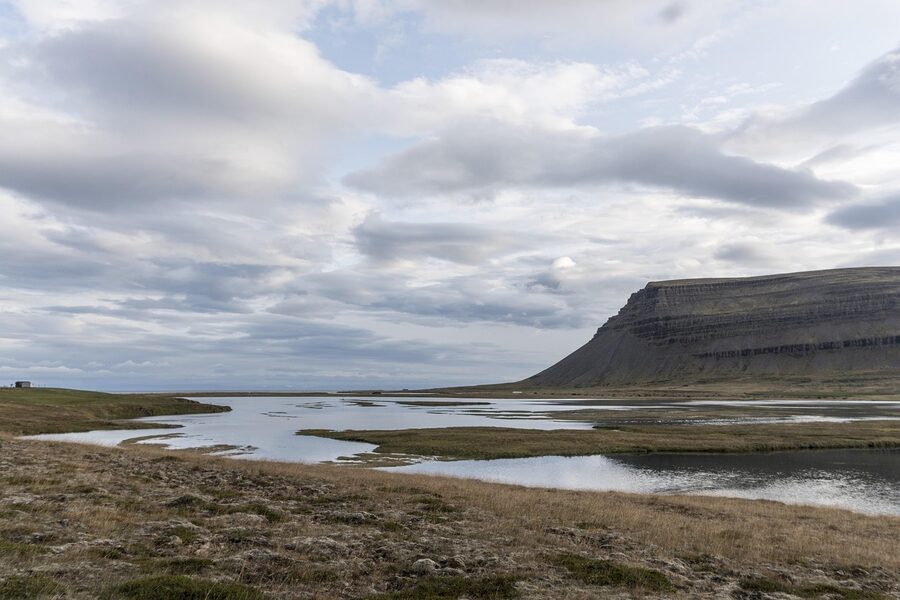
Boston, New York, DC, Toronto. Five and a half to seven hours overnight to Keflavík, landing in the early morning. You’ll arrive jet-lagged but with a full day ahead. Sleep on the plane. Hit the Blue Lagoon or Sky Lagoon when you land to recalibrate, then drive the Golden Circle in the afternoon, sleep in Reykjavík, and you’re operating on local time by day two. This is the easiest direction for a stopover and the one Icelandair has built the programme around.
From Minneapolis, Chicago, Denver, Seattle, Orlando, the flights are longer but the morning-arrival pattern is the same.
From Europe
Three hours from London, three and a half from Frankfurt, four from Paris and Amsterdam. Flights tend to land in the late evening or middle of the day, which is a less natural rhythm for a stopover. Icelandair has fewer European departure slots than US ones, so European-side flexibility is the constraint. If you’re flying London to Boston, the stopover works fine. If you’re flying Paris to Boston, you’ve got fewer flight pairs to choose from but it still works.
The biggest difference: a stopover from Europe usually adds three to seven days to a transatlantic trip you were already going to make. From the US, it can be the entire holiday because Iceland is the destination, with two days in Europe almost as a side trip.
One last thing about flight booking
Two practical tips that come up a lot.
First, the cheapest fares for a stopover are often shorter (1-3 nights) and on the return rather than outbound, as I mentioned above. If you’ve got flexibility, search both and price them.
Second, if you’ve already booked a regular Icelandair roundtrip and you want to add a stopover after the fact, you can call Icelandair’s service centre and they’ll switch the flights for you. There may be a fare difference if your original flights aren’t available with new dates, but they don’t charge a separate “stopover fee.” It’s the same fare bucket, just rebooked.
If you’ve booked a non-Icelandair European roundtrip with a Reykjavík connection on Lufthansa or BA or whoever, you can’t add a stopover. The stopover programme only works on Icelandair-marketed itineraries.
For the broader question of how to pick flights into Iceland, the difference between fare classes, and how to spot a good deal, see our flights guide.
If you’ve got more time later
Icelandair’s stopover is the best free travel hack going for North America to Europe trips. But it’s a starter, not a finisher. The country has a lot more to give if you come back with seven to fourteen days. The full seven-day Iceland itinerary walks through what’s possible. The customized tours page is for travellers who want to combine a stopover with a tailored itinerary that hits the highland interior, Westfjords, or the north. And if you’re travelling on a budget, our Iceland on a budget piece breaks down the real numbers.
The stopover programme isn’t going anywhere in 2026. The seven-night cap, the no-extra-airfare deal, the both-directions option, all still in place. Use it. Just don’t try to see the whole country in 48 hours. Pick one region. Do it well. Come back for the rest.
.jpg)

_in_2020.01.jpg)

.jpg)
