Iceland is expensive. There is no point pretending otherwise. The first time my cousin from Manchester landed at Keflavík and paid 1,330 ISK for a hot dog and a Coke at Bæjarins Beztu, he laughed for about four minutes straight. He said it was the most beautiful expensive sausage he had ever bought. Then he asked, very politely, whether I had been hiding the cheap version of my country.
I had not. There is no cheap version. But there is a real version, the one Icelanders live in, where a swim costs less than a coffee and the best soup is the one in your own thermos. So this is the budget I would actually plan for a friend in 2026. Real Icelandic króna. Real operators. Real corners that I cut and the ones I refuse to.
In This Article
- The honest cost truth, by daily spend
- Flights, where the real save lives
- The supermarket map: Bónus, Krónan, Nettó (and what to avoid)
- The thermos move
- Where to actually sleep
- Hostels
- Guesthouses (gistiheimili)
- Farmstays
- Camping
- Hotels
- Free thermal experiences (yes, free)
- Reykjadalur Hot River
- Seljavallalaug
- Nauthólsvík geothermal beach
- Roadside hot pots
- Public swimming pools, the budget Blue Lagoon
- Getting around without a rental car
- Strætó (the city and intercity bus)
- Flybus and Airport Direct
- Day-tour pickups (the underrated trick)
- Campervans, the maths that does not always work
- Eating: self-cater, gas-station hot dog, or fancy?
- Self-catering
- Gas-station hot dogs (yes, really)
- Budget restaurants
- Free hikes worth doing
- Mt Esja
- Helgafell (the Hafnarfjörður one)
- Reykjadalur
- Glymur (in summer)
- Free walking tours and cheap-museum days
- Tour booking strategy: direct vs platform
- Off-season is genuinely 30-50% cheaper
- What is genuinely worth paying for
- A glacier hike with a real safety guide
- A Northern Lights drive-around (in winter only)
- A long-form photo workshop or one specific bucket-list day
- What is not worth paying for
- Blue Lagoon (if money is tight)
- Bottled water
- Hotel breakfast buffets
- The Vegamot pylsur stand at the airport
- Tax-free refund: the small saving most travellers miss
- Two 7-day itineraries with daily costs
- Itinerary A, Backpacker, late September, 7 days, ~75,000 ISK per person on the ground
- Itinerary B, Mid-range, late May, 7 days, ~180,000 ISK per person on the ground
- A few small things that add up
- Off-the-beaten-path budget tips
- How to actually plan it
The honest cost truth, by daily spend
Iceland is famously the second or third most expensive country in Europe, depending on the week. We import almost everything that is not fish or lamb, our salaries are high, our VAT is 24 percent on most things. So the maths is what it is. But the spread between a backpacker day and a comfort day is huge here, and a smart traveller can sit in the middle for a long time.
Here is what a real day actually costs in 2026, two people travelling together, all numbers in ISK.
| Daily spend (per person) | Backpacker | Mid-range | Comfort |
|---|---|---|---|
| Bed | 5,500 (hostel dorm) | 11,000 (private guesthouse, shared bath) | 22,000+ (hotel) |
| Food | 2,800 (Bónus + thermos) | 5,500 (one cafe, one supermarket) | 10,000 (two restaurant meals) |
| Transport | 2,000 (Strætó + walking) | 5,500 (rental car shared, gas) | 10,000 (rental + tours) |
| Activities | 0-1,500 (free hikes, pool) | 4,500 (one paid tour every other day) | 15,000 (daily tours, lagoons) |
| Daily total | 10,300-11,800 | 26,000 | 57,000+ |
For a 7-day trip in 2026, that lands a backpacker around 75,000 ISK on the ground (excluding flights), a mid-range traveller around 180,000, and a comfort traveller anywhere from 400,000 to whatever your card limit is. Iceland will absorb every króna you let it. The trick is deciding which corners to cut.
Flights, where the real save lives
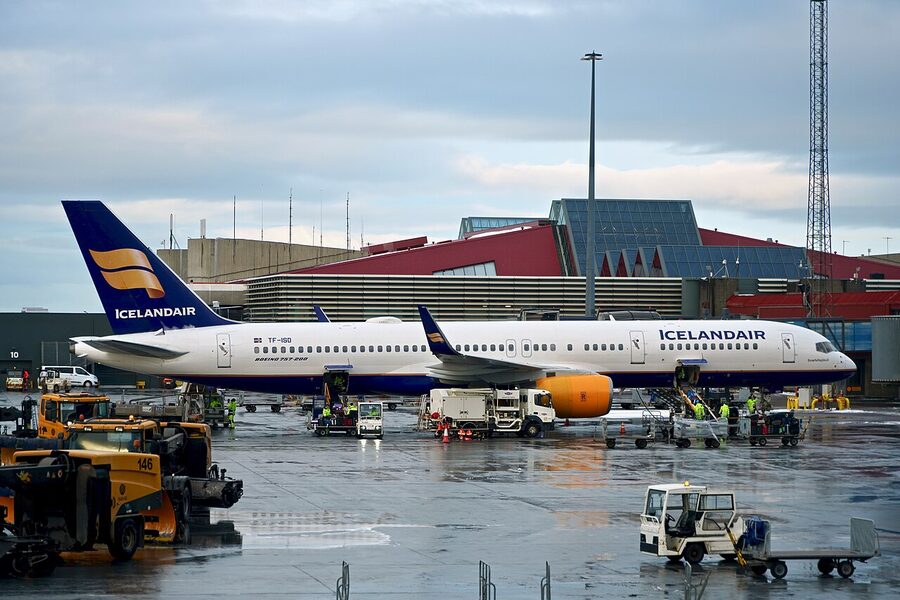
Flights are the largest single line in your budget and the easiest one to compress. Iceland has fewer carriers than it used to. PLAY Airlines, the budget Icelandic carrier that started in 2021, ceased operations in September 2025 and stranded 80,000 ticket holders. Do not be tempted by old PLAY itineraries that still pop up in flight search dust; the airline is gone.
That leaves you with Icelandair as the dominant carrier (good free stopover programme if you are flying transatlantic, you can stay up to 7 nights at no extra airfare), easyJet from London Luton, Gatwick, Manchester and Bristol, Wizz Air from select European cities, and Norse Atlantic Airways for some North America routes. Off-season London-Reykjavík return on easyJet sits around 25,000 to 40,000 ISK if you book six weeks ahead. Summer triples that. From the US east coast, Icelandair shoulder-season returns dip to about 65,000 ISK if you watch them. Once a flight is in your inbox at a reasonable number, take it. Wait two days and it will move.
I have a separate piece on how to book flights to Iceland with the months that hit lowest and the day-of-week patterns that actually matter.
The supermarket map: Bónus, Krónan, Nettó (and what to avoid)
If there is one piece of advice that has saved more friends-of-friends more money than anything else, it is this: Bónus is your friend. Krónan is your other friend. Nettó is the third friend. Anything else is a polite warning.
Bónus is the pink-pig logo. Cheapest groceries in the country, full stop. There are about 30 stores nationwide, including a central Reykjavík one a couple of streets from Hallgrímskirkja and one in every reasonable town along Route 1. Hours are usually 11:00 to 18:30 weekdays, shorter at weekends. Skyr 4-pack 600 ISK. Loaf of bread 350 ISK. A microwaveable lasagne 850 ISK. Bring a tote, no plastic bags.
Krónan is the yellow logo, slightly bigger range than Bónus, slightly higher prices, longer hours (often until 20:00). Better for fresh produce. The Reykjavík store on Hringbraut is the one I send people to when they want a proper shop.
Nettó is the orange one, often inside Olís petrol stations on the Ring Road. Useful when you are driving and Bónus is closed. Not the cheapest in town, but cheaper than the alternative. Their Mjódd location is open 24 hours, which has saved me at midnight more times than I want to admit.
What to avoid: 10-11 (the convenience-store chain, no relation to the American 7-Eleven) costs roughly twice what Bónus charges for the same items. It is on every corner in Reykjavík and easy to walk into by mistake. Hotels with grab-and-go shops can be even worse. And Vínbúðin, the state-monopoly off-licence, has notoriously short hours: 11:00 to 18:00 weekdays, 11:00 to 14:00 Saturdays, closed Sundays. If you want a beer with dinner, plan ahead.
A typical Bónus shop for two people for three days, including breakfast oats, lunch sandwich fixings, an evening pasta, fruit, snacks and a six-pack of skyr, runs around 8,500 ISK. The same in restaurants would be 35,000 ISK easily.
The thermos move
Buy a one-litre thermos at any petrol station for around 4,500 ISK on day one and you will recoup it in 48 hours. Boil water at the hostel, take soup or coffee with you, refill as you go. A cup of coffee in town is 750 ISK. Five days of coffee is 3,750. The thermos pays for itself by Tuesday.
Where to actually sleep
Accommodation is the second-largest expense after flights and the easiest to overspend on. There are five honest categories in Iceland and they each make sense in different scenarios.
Hostels
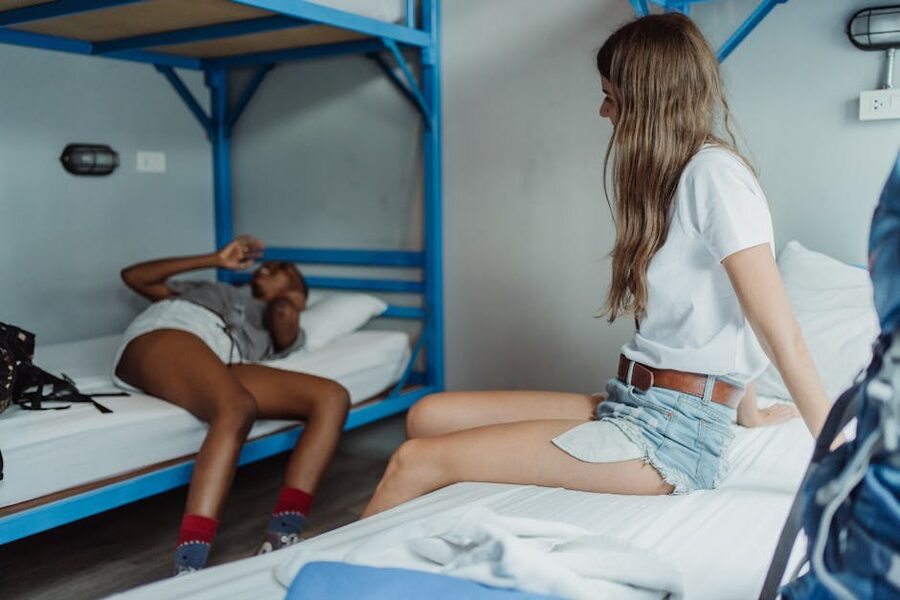
Reykjavík has a healthy hostel scene that ranges from properly cheap to almost-boutique. The ones I send people to:
- KEX Hostel on Skúlagata. Old biscuit factory turned hostel-bar-restaurant, dorm beds from around 6,500 ISK in winter, climbing to 9,500 in summer. The bar downstairs has live music and locals come to it, which is rare in a hostel building. Also runs as a hotel for private rooms, but the hostel side is the budget pick.
- Loft HI Hostel on Bankastræti, a HI-affiliated hostel right in the centre, dorm beds 5,800 to 8,000 ISK. Good kitchen, big balcony, walking distance from everything.
- Bus Hostel a bit further out near BSÍ terminal, dorm beds from 5,500 ISK. Closer to the airport bus, further from nightlife. Good if you are doing day-tour pickups, since most run from BSÍ.
- Galaxy Pod Hostel for solo travellers who want a private capsule rather than a dorm, around 9,500 ISK for a pod. Book direct on their website since they are not on Booking.
Outside Reykjavík, the HI hostel network has 26 properties around the country, from Höfn in the southeast to Ísafjörður in the Westfjords. They are not always cheaper than a guesthouse but they are reliable, they have kitchens, and they will let you do laundry for 1,200 ISK.
Guesthouses (gistiheimili)
This is the category most foreign visitors miss and it is the sweet spot for a couple. A guesthouse, gistiheimili in Icelandic, is usually a small family-run place with shared bathrooms, a kitchen you can use, and breakfast for an extra 2,500 ISK or so. Prices in 2026 sit around 14,000 to 22,000 ISK for a double room. Cheaper than a hotel by half, more space and privacy than a hostel.
Look for them on Booking.com by filtering for “guest house” rather than hotel, and on Hey Iceland, which is a co-operative of small accommodation providers, mostly farm-based. Their listings are often under-promoted on the big platforms.
Farmstays
Hey Iceland again, plus Farm Holidays, run a network of about 170 working farms that take guests. Some are basic, some have geothermal hot tubs, all of them feed you breakfast that came from inside a 5-mile radius. Doubles from around 18,000 to 28,000 ISK. They are scattered along the Ring Road and in places where there is nothing else, which is when they shine. Þetta reddast, it works out, especially when the next town is 90 km away.
Camping
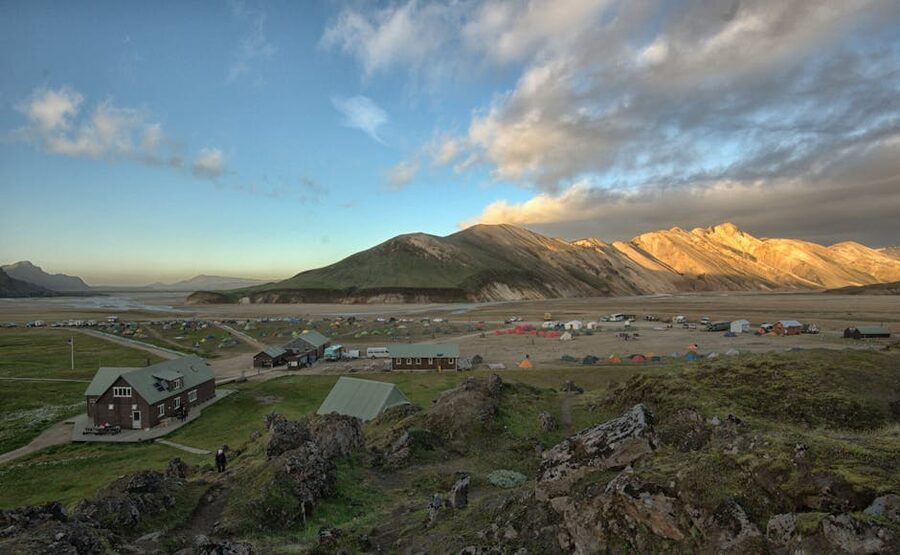
If you are coming in summer (mid-June to mid-September) and you are physically capable of putting up a tent, camping is the cheapest option full stop. There are around 170 official campsites in Iceland. 2026 fees usually run 1,700 to 2,800 ISK per person per night, plus a tourist tax of 400 ISK and electricity 1,000 ISK if you need it. Showers are often a separate 300 ISK token. The Reykjavík Campsite in Laugardalur charges 2,850 ISK per person, or 2,590 if you book online. Skógar, at the foot of Skógafoss, is 1,700.
If you are camping for a week or more, the Camping Card at around 26,000 ISK in 2026 covers up to 28 nights at about 40 partner sites and pays for itself in roughly 9 nights. Worth it if your route lines up.
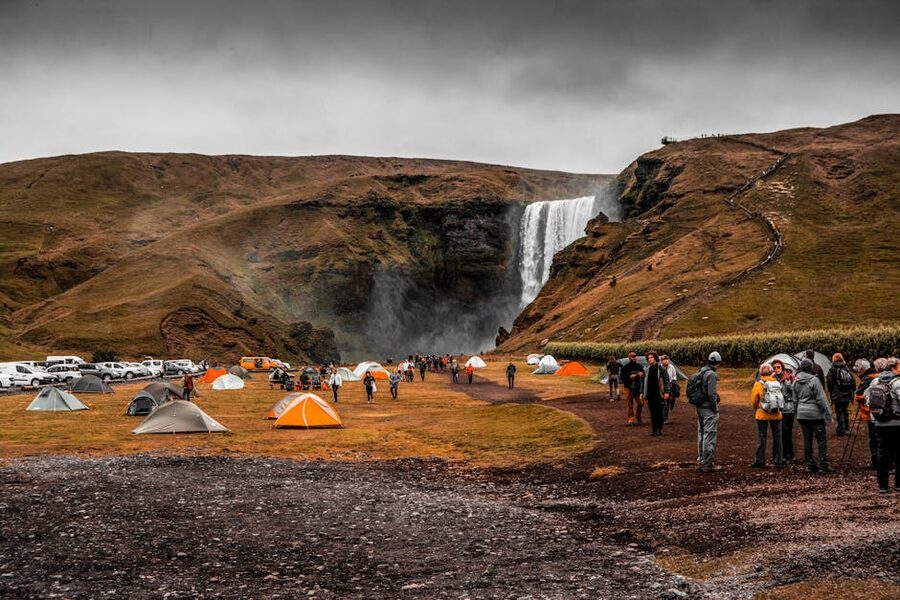
Important rules: wild camping (camping outside official campsites) was banned in 2015 for tents and is illegal everywhere except in remote highlands with explicit landowner permission. The fine is real. Use proper sites.
Hotels
I am not going to pretend Iceland’s hotels are a budget play. A standard 3-star room in Reykjavík in summer is 30,000 to 45,000 ISK. A nice one is double that. If you are doing a 4-day city break and want a hotel, fine, but on a 10-day Ring Road trip the maths starts to hurt. For a more in-depth comparison see my Iceland Airbnb vs hotel breakdown.
Free thermal experiences (yes, free)
This is the part of the budget where Iceland actually rewards you. The country sits on enough geothermal energy to bath the entire population for free, and a lot of it is, in fact, free. You just have to know where.
Reykjadalur Hot River
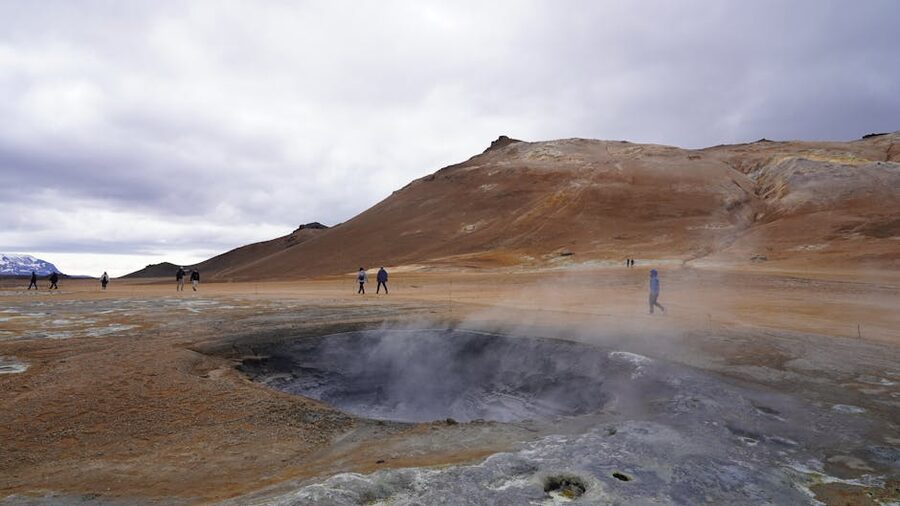
The Reykjadalur valley sits about 45 minutes east of Reykjavík near Hveragerði. From the trailhead car park (free, no entry fee, look for “Reykjadalur Hot Spring Thermal River” on the map) it is a 3 km uphill hike, gaining about 200 metres, taking 60 to 90 minutes. The reward is a small river that heats up as you walk upstream, with wooden boardwalks and changing platforms. The lower pools are warm-to-hot, the upper ones are properly hot, and the whole thing is completely free.
Bring towels, water shoes if you have them (the river bed is rocky), and respect the wooden boardwalks (they are private property and the only thing keeping the place open to the public). It can be busy on summer weekends. Go on a Tuesday morning if you can.
Seljavallalaug
An old swimming pool tucked into a south-coast valley near Skógar, built in 1923 and fed by a natural hot spring. The pool itself is fairly tepid (around 25-30°C), the setting is dramatic, and there are no facilities beyond a basic changing shed that has seen better decades. From the small parking area off Route 1 it is about a 15-minute walk in. Free entry, no staff, no rules except clean up after yourself. Strictly speaking the property changed hands recently and there are rumours of a future entry fee, so check current status before you go.
Nauthólsvík geothermal beach
This one is in Reykjavík itself, a 15-minute bus ride from the centre on Route 5 to Nauthólsvík stop. A man-made geothermal beach in a sheltered cove, with hot tubs (38°C), a heated lagoon (15-19°C in summer, less in winter), real Atlantic sea swimming for the mad, and changing rooms. Free in summer (mid-May to mid-August) and 950 ISK in winter, which is still ridiculous value. Open every day. This is where Reykjavík locals go on Saturday mornings before brunch.
Roadside hot pots
There are also dozens of free or near-free natural hot pots scattered around the country. Some are well known (Hrunalaug near Flúðir, Krossneslaug in the Westfjords), others are basically secrets I am not going to publish. The general guidance is on my hot springs in Iceland guide, including which require a small fee to the landowner and which are genuinely public.
Public swimming pools, the budget Blue Lagoon
If I tell you one thing on this page, it is this. Public swimming pools are how Icelanders actually live. Every town of any size has one. They are heated geothermally to about 27°C in the lap pool and 38-42°C in the hot pots, they are open six days a week from 06:30 to 22:00 in most places, and they cost less than a coffee.
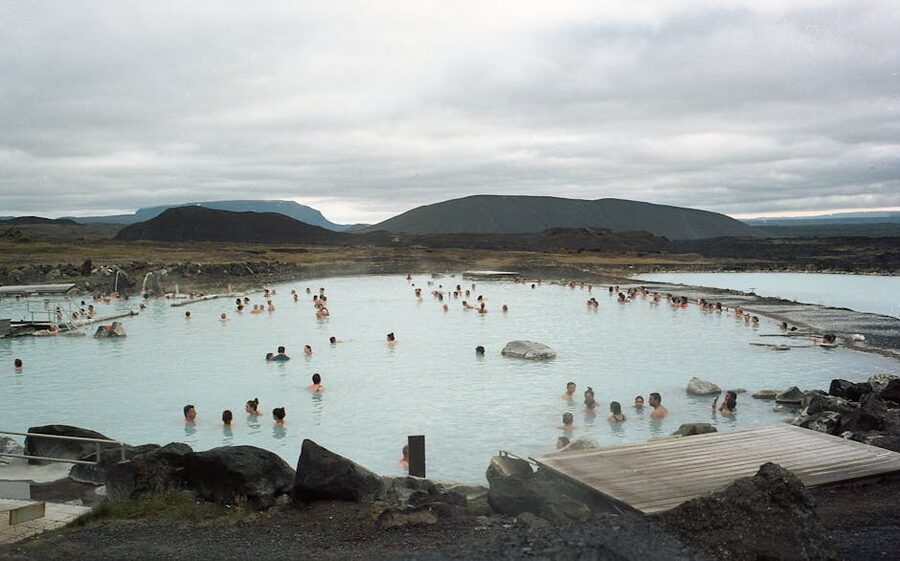
2026 prices, set by the City Council in December 2025 for Reykjavík:
- Sundhöllin (oldest, central, 1937 building near Hallgrímskirkja): adults 1,430 ISK, youth 16-17 220 ISK, kids free.
- Laugardalslaug (the biggest, with multiple hot pots, a 50m lap pool and a small water park area, in the Laugardalur valley): 1,330 ISK adult.
- Vesturbæjarlaug (locals’ favourite, in the west of the city, smaller and quieter): 1,330 ISK.
Compare that with the Blue Lagoon, which starts at around 11,990 ISK for a basic admission and climbs to 89,000 for a private treatment. The chemistry is similar. The setting at Blue Lagoon is more dramatic. The vibe at Sundhöllin is real. I will say this once: if you are tight on budget, skip the Blue Lagoon and go to Sundhöllin or Laugardalslaug instead. You will not feel cheated.
Bring a swimsuit and a towel. You must shower naked before you enter (this is non-negotiable, Icelandic pool culture takes it seriously, and there are diagrams on the wall showing where to wash). After that, soak in a hot pot for an hour. That is the routine.
Getting around without a rental car
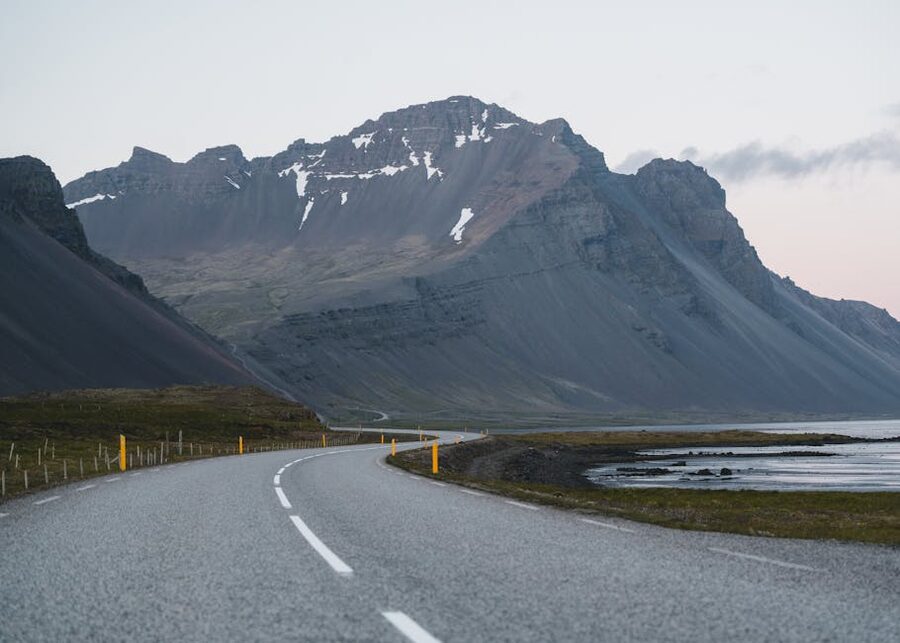
A rental car is the most flexible way to see Iceland and the most expensive. A small economy hatchback in summer 2026 runs about 12,000 to 16,000 ISK per day from operators like Blue Car Rental or Lava Car Rental. Add gas at around 243 ISK per litre for petrol after the January 2026 tax reform, plus the new road-use tax that replaced fuel tax. A 1,500 km Ring Road loop in a small car eats about 35,000 to 45,000 ISK in fuel alone.
If two of you are sharing it, the daily cost lands around 9,000 ISK each, which is the cheapest you will find for full flexibility. My how to rent a car in Iceland guide covers what to look for in the contract and what insurance is actually worth paying for. The companion piece, Iceland driving guide, has the F-road and gravel rules.
If you skip the rental, here is the alternative.
Strætó (the city and intercity bus)
Strætó is the public bus, both within the capital area and out to Akranes, Borgarnes, Selfoss and a handful of further towns. A single fare in Reykjavík is 670 ISK in 2026 (after the November 2025 hike), valid for 75 minutes. Pay with the Klappið app, or contactless on the bus. Cash has not been accepted since June 2025.
For a frequent rider, the Kapp fare-cap kicks in: contactless adult riders never pay more than three rides a day or nine a week. A monthly adult pass is 11,600 ISK. The 24-hour ticket is 2,000 ISK and pays for itself if you take three rides in a day. straeto.is has the routes and times.
Outside the capital area, intercity Strætó services are slow but cheap. Reykjavík to Akureyri (the long northern haul) is around 7,800 ISK and takes 6.5 hours. Reykjavík to Höfn on Route 51 is comparable. Not a serious time-saver compared with driving, but if you have nowhere to be it works.
Flybus and Airport Direct
The two main airport shuttles run between Keflavík and the BSÍ bus terminal in Reykjavík. They are not city buses, they are private operators that match flight arrivals.
- Flybus (operated by Reykjavík Excursions): 3,899 ISK to BSÍ, 4,999 ISK with a hotel drop-off. Children 6-15 are 1,999 ISK, under 6 free.
- Airport Direct: similar pricing, around 3,800 ISK for the standard service. Compare on the day, sometimes one is cheaper than the other for the same route.
For maximum cheapness, the Strætó public bus 55 from Keflavík airport to Reykjavík central is around 2,000 ISK, but it runs only a few times a day and stops everywhere. If your flight lands at midnight, take the Flybus. If you have time and a flexible schedule, route 55 saves you 1,800 ISK each way.
Day-tour pickups (the underrated trick)
If you book day tours from Reykjavík with operators like Reykjavik Excursions, Gray Line or smaller specialists, the tour price normally includes a free hotel pickup and drop-off. So you can be car-less and still see the Golden Circle, the south coast, even Snæfellsnes, with no transport line on your daily budget. A Golden Circle full-day from GetYourGuide or Viator sits around 8,500 to 13,000 ISK depending on the day. Book direct with the operator (re.is or grayline.is) and you can sometimes save 10 percent over the affiliate platforms.
Campervans, the maths that does not always work
The internet will tell you a campervan is the budget answer. The internet is half right. A small two-person campervan from Happy Campers or Kúkú Campers in summer 2026 is about 18,000 to 25,000 ISK per day. Add fuel (campervans drink more than a small car, around 60,000 ISK over a Ring Road loop), 2,000 ISK in campsite fees per night, and the maths starts to look like a hotel-and-rental package.
The maths works when:
- You are travelling shoulder-season (May or September), when daily rates drop to 12,000-16,000 ISK.
- You are two people sharing the cost.
- You are doing 7+ nights, so the daily rate beats a guesthouse + small car combo.
The maths does not work when:
- You are solo (paying for a 2-person van alone). A bed in a hostel + Strætó is cheaper.
- You are doing 4 nights or fewer. Pickup and dropoff days eat the savings.
- It is winter (mid-October to April). Campervans in Iceland are not winter-proof, even with heaters they get miserable below -5°C.
If the maths does work, my how to campervan Iceland without going broke piece walks through which operator to pick. The very short version: Kúkú Campers for the cheapest, Go Campers for the most reliable, Happy Campers somewhere in between.
Eating: self-cater, gas-station hot dog, or fancy?
Restaurants are where Iceland punches the hardest. A bowl of fish soup in Reykjavík is 3,200 ISK. A burger and a beer is 4,500. A modest dinner for two with a single glass of wine each is 18,000-22,000 ISK. There is excellent food in this country, but if you eat out three meals a day for a week you will spend more on food than on flights.
Self-catering
Already covered above. Bónus shop, hostel kitchen or guesthouse kitchen, breakfast and one cooked meal a day. Two people for three days, around 8,500 ISK. This is the single biggest lever.
Gas-station hot dogs (yes, really)
The Icelandic hot dog (pylsur) is a real thing, made with lamb, pork and beef, served on a steamed bun with raw onion, crispy fried onion, ketchup, sweet brown mustard (pylsusinnep) and remoulade. Order one “með öllu”, with everything. At any N1, Olís or 10-11 petrol station hot-dog counter you can buy one for around 750 ISK. At Bæjarins Beztu Pylsur, the famous stand by the harbour in Reykjavík, it is 880 ISK for a hot dog or 1,330 ISK for a hot dog and a Coke. Bill Clinton ate one. So can you. It will fill you up, it tastes good, and you have the rest of your daily budget intact.
Budget restaurants
If you want to eat out at sensible prices, the patterns are:
- Lunch specials. Most cafes and bistros run a hádegistilboð (lunch deal) from 11:30 to 14:00, often 2,200 to 2,800 ISK for a soup, bread, and a small main. Eat your big meal at lunch and a Bónus dinner at the hostel.
- Bakeries. Brauð & Co (the rye-rosemary kingdom) for bread, Sandholt for pastries. A loaf and a coffee for 1,400 ISK is a real Icelandic breakfast.
- Soup at a museum cafe. The Saga Museum, the National Museum, even the swimming pool cafe at Laugardalslaug all serve a kjötsúpa (lamb and root-vegetable soup) for 2,200-2,800 ISK with bread and refills. Decent, hot, real food.
- Indian, Thai, kebabs. Saffran, Eldofninn, Krua Thai, Mandi. Around 2,500-3,500 ISK for a main. Not Icelandic, but cheap, filling and reliable.
What to avoid for cost reasons: any restaurant with a tourist-heavy menu in Bankastræti or Laugavegur, fish-and-chips trucks that target cruise-ship arrivals, and “Icelandic fine dining” tasting menus unless you have specifically saved for them. They are excellent. They are also 25,000 ISK a head before wine.
Free hikes worth doing
Iceland’s biggest free amenity is the country itself. There are no national-park entry fees in Iceland (parking sometimes costs 750-1,000 ISK, that is the only charge). You can show up at Þingvellir, Skaftafell, Vatnajökull and walk in.
Mt Esja
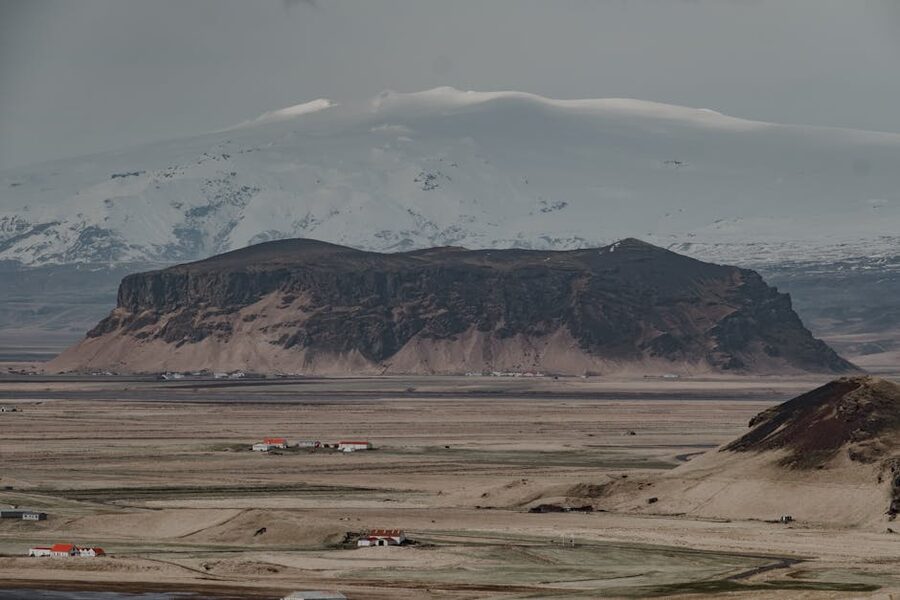
Esja is the flat-topped mountain you see from the Reykjavík harbour. Reykjavík locals climb it the way Londoners do Hampstead Heath. Bus 57 from Hlemmur to Mosfellsbær and connecting bus 15 takes you to the trailhead at Esjustofa visitor centre. The climb to “Steinn”, the marker stone at 597 metres, takes about 90 minutes up and 60 down, and is doable in summer trainers. Going to the actual summit (914m) is another 90 minutes and needs proper boots. Free. There is a coffee shop at the trailhead for after.
Helgafell (the Hafnarfjörður one)
Just south of Reykjavík near Hafnarfjörður, this 340m hill is a 1-hour up-and-down walk with views over the Reykjanes peninsula and (on a clear day) Snæfellsjökull glacier 100 km west. There are several Helgafells in Iceland, this one is the easy day-hike option.
Reykjadalur
Already covered above. Walking up, soaking, walking down, takes 4-5 hours and costs nothing if you self-drive or take Strætó to Hveragerði (about 1,500 ISK each way) and walk from there.
Glymur (in summer)
Iceland’s second-tallest waterfall, in Hvalfjörður north of Reykjavík. The hike is 6-8 km round trip, takes about 4 hours, includes a log-and-rope river crossing that is taken away in winter. Free, no entry, but check safetravel.is for current trail status.
Free walking tours and cheap-museum days
Reykjavík has a small but solid free-walking-tour scene. City Walk Reykjavík runs daily free tours starting from Austurvöllur square at 10:00 and 14:00 in summer (10:00 only in winter), 90 minutes, tip-based. The guide will tell you about the 1944 independence, the bank crash, and which cafe is overrated, which is exactly what you want from a walking tour. Tip 2,000-3,000 ISK if you enjoyed it.
For museums, the National Museum (Þjóðminjasafn) is free on Wednesdays. The Reykjavík Art Museum has three locations and a 2,200 ISK ticket gets you into all three on the same day. The Settlement Exhibition (Landnámssýningin) at Aðalstræti has the foundations of an actual 10th-century longhouse under a glass floor, 2,200 ISK adult, free for under-18s. All three of these beat the Saga Museum for value, in my opinion.
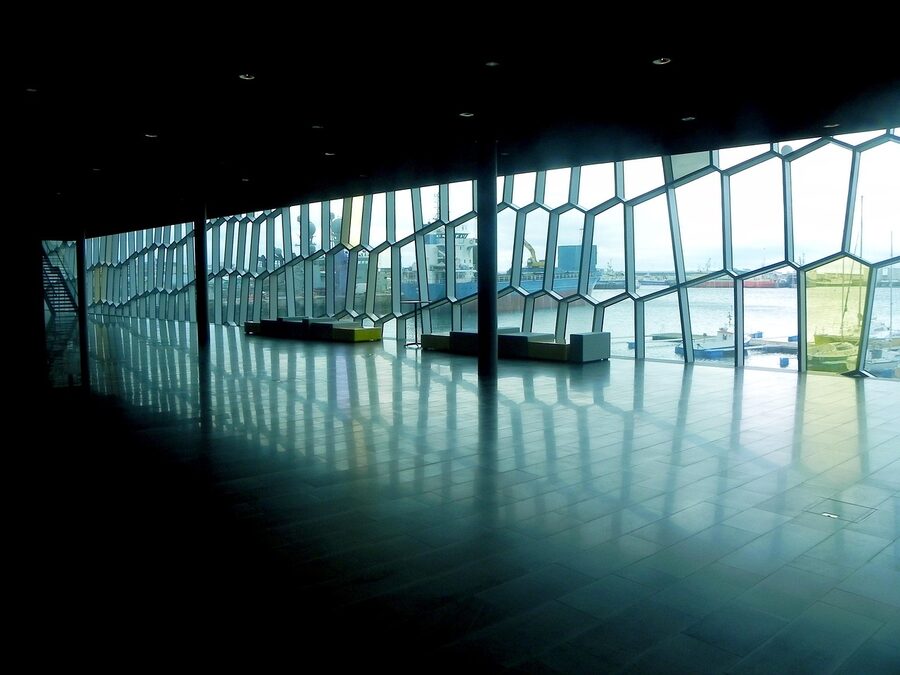
Hallgrímskirkja, the church on the hill, is free to enter; the tower lift is 1,400 ISK and worth it on a clear day for the panorama. Harpa concert hall is free to walk through and the architecture is the point; concerts vary.
Tour booking strategy: direct vs platform
This one matters. Day tours and excursions in Iceland are sold through three channels: direct (the operator’s own website), affiliate platforms (GetYourGuide, Viator, Klook), and aggregators (Guide to Iceland, Bookable, etc).
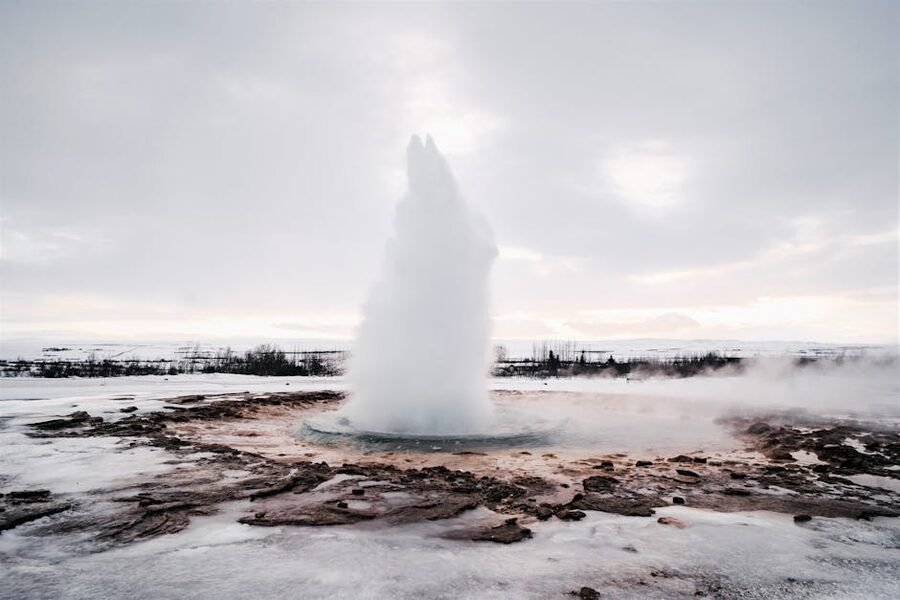
The same tour with the same bus and the same guide can vary 10-15 percent in price depending on the channel. As a rough rule:
- Direct booking (re.is, grayline.is, arcticadventures.is): usually the cheapest after their own seasonal discount codes (sign up to the email list, get a 10% code in your inbox).
- GetYourGuide: typically 0-5% above direct, but free cancellation up to 24 hours, which is genuinely useful if Iceland weather might cancel a tour anyway.
- Viator: similar pricing to GetYourGuide, more US-focused inventory.
- Klook: smaller Iceland inventory but occasional promo codes that beat the others.
- Hotel concierge or street kiosks: often 15-25% more than direct. Avoid.
What I do: search the tour name on GetYourGuide first (it has the most inventory), find the operator and dates, then check the operator’s own website for the same tour on the same date. Whichever is cheaper, that wins. If they tie, GetYourGuide for the cancellation flexibility. For specific picks see my best day tours from Reykjavik roundup.
Off-season is genuinely 30-50% cheaper
The single biggest budget lever after flights is when you go. November through March is the proper off-season. Hotels drop 30-50%, rental cars drop 40%, tours stay roughly flat or sometimes drop 10%.
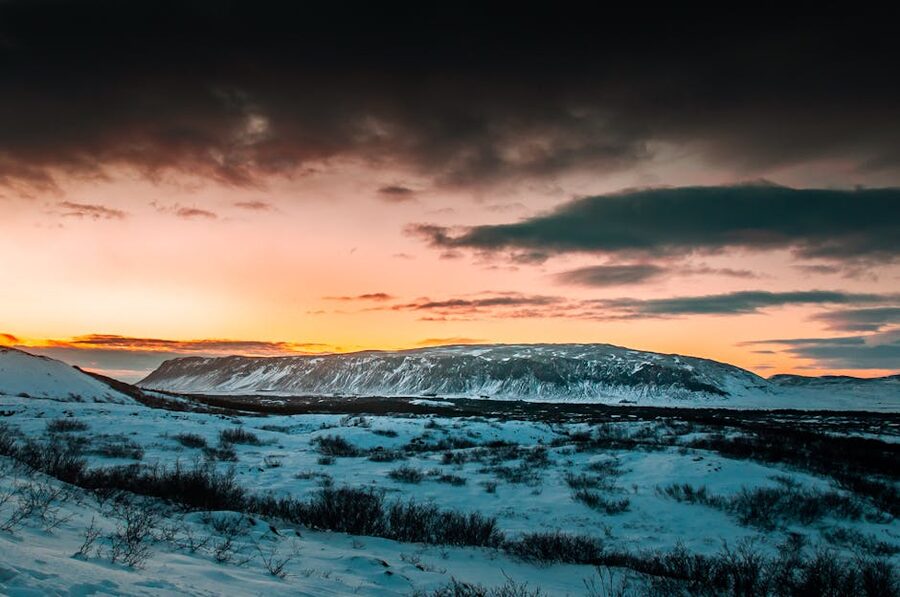
What you give up: the Highlands are closed (F-roads gated October to mid-June), some smaller museums shut, the days are short (December gets you 11:30 sunrise, 15:30 sunset), and the weather can shut Route 1 for a few hours at a time. What you gain: northern lights season, half-priced everything, no queue at Strokkur, frozen waterfalls, and locals who actually have time to talk to you. December and February are my favourite months to send friends.
The shoulder months (April-May, September-October) split the difference. May is my pick: snow has melted off the south, days are long, and prices are still 25-30% below July peak. See my Iceland in September and Iceland in winter guides for the trade-offs by month.
What is genuinely worth paying for
I am not anti-spending. There are things in Iceland that are worth the money, and others that are not, and you should not optimise the wrong line.
A glacier hike with a real safety guide
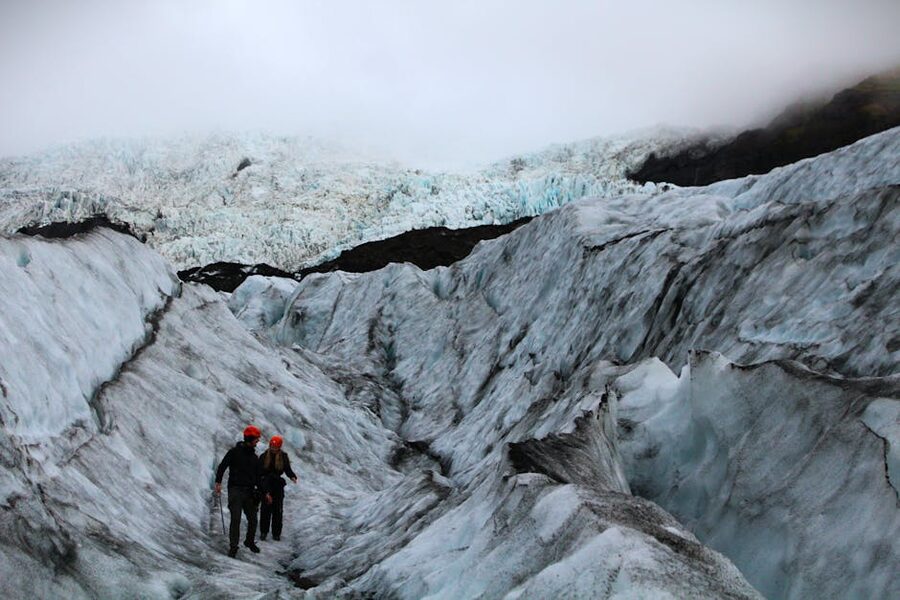
Walking on a glacier without a guide is, in 2026, both illegal in most marked-access zones and stupid. Crevasses are real, ice movement is real, and people die every year doing it solo. A guided 3-hour glacier hike on Sólheimajökull or Skaftafellsjökull with Mountain Guides or Glacier Adventure is around 14,500-18,000 ISK, includes crampons and ice axe, and is one of the most memorable 3 hours you will spend in this country. Worth it. See my Iceland glacier hike guide for which operator is best for your level.
A Northern Lights drive-around (in winter only)
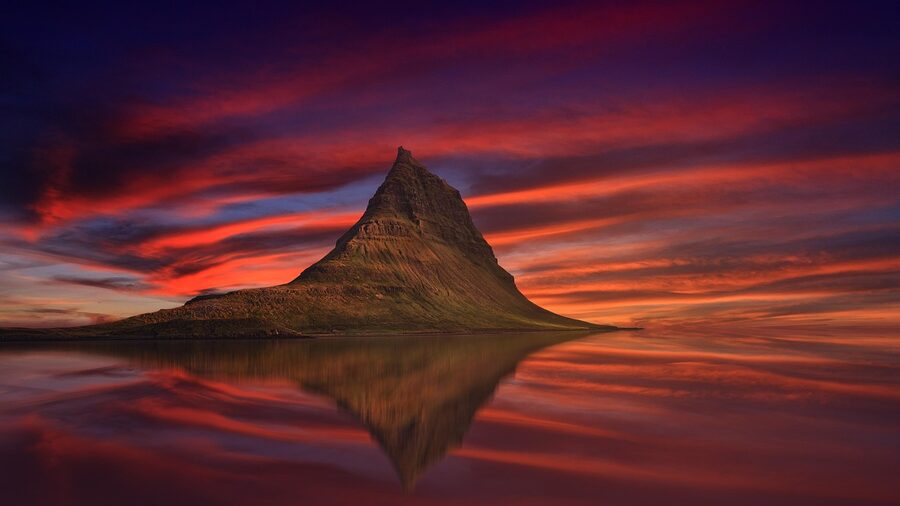
If you are in Iceland between September and April and the sky is clear and the KP forecast is high, a guided “aurora chase” with someone who knows the back roads is worth 9,500-13,000 ISK. The reason is that they see the sky every night and they know which dirt road south of Selfoss has the best chance on a given evening. They also do refunds or repeat-trips if the lights do not show. Check the forecast yourself at en.vedur.is first to make sure conditions are at least possible. My how to read the Iceland aurora forecast piece walks through what the numbers mean.
A long-form photo workshop or one specific bucket-list day
If photography is the reason you came, an organised Iceland photo tour is worth the spend. The same logic applies to a single ice-cave day in February, a Westman Islands ferry-and-puffin combo in July, or a half-day at Silfra snorkelling between two tectonic plates. Pay for the one experience that defines the trip. Don’t pay for everything.
What is not worth paying for
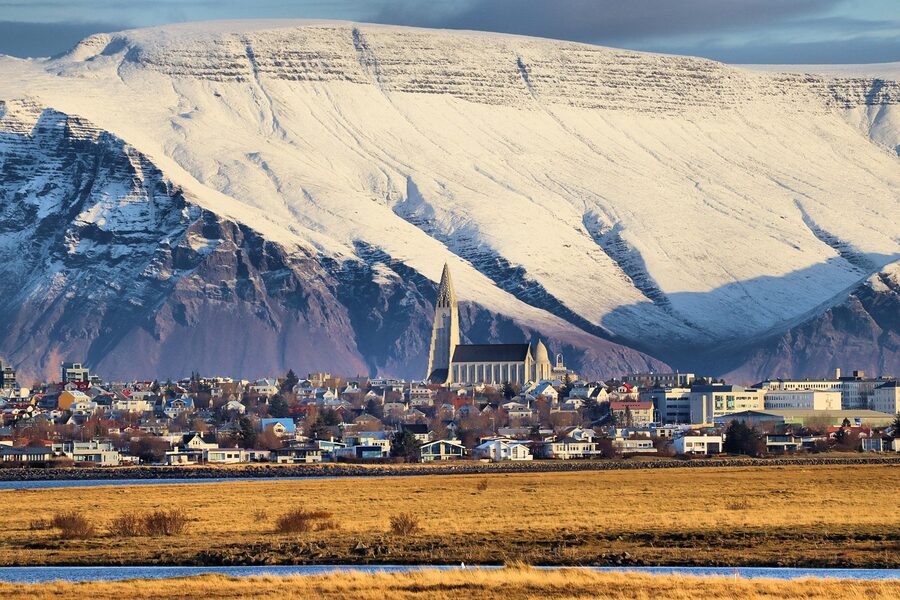
The flip side. These are the lines I would cut from a tight budget.
Blue Lagoon (if money is tight)
Blue Lagoon is iconic. It is also 11,990 ISK minimum, often booked out, often crowded, and a 50-minute drive from Reykjavík. If you have the money, it is fine. If you are on a budget, Sundhöllin gives you the same hot-water-on-tired-muscles for 1,430 ISK and zero queue. Sky Lagoon is closer to town and arguably nicer for the same money, but it is still 11,000+ ISK. You are not missing the country if you skip both. My Visiting the Blue Lagoon guide has the full breakdown if you want to decide for yourself.
Bottled water
Iceland’s tap water is among the cleanest in the world. It comes from springs and is not chlorinated. A 500ml bottle of water at a 10-11 is 350 ISK. The same water comes out of any tap. Buy one bottle on day one, refill it forever. If your tap water has a slight sulphur smell that is the hot tap; run the cold for 10 seconds and it disappears.
Hotel breakfast buffets
Hotel breakfasts in Iceland are 3,500 to 5,500 ISK extra per person if not included. Decent but rarely worth it. A Bónus shop the night before, a yoghurt and a banana in your room, costs 600 ISK. The exception is if your room rate already includes breakfast, in which case eat hard and skip lunch.
The Vegamot pylsur stand at the airport
Hot dogs at Keflavík airport are 1,400 ISK each. The same hot dog at the N1 in Hafnarfjörður on the way is 750. Eat before you fly home.
Tax-free refund: the small saving most travellers miss
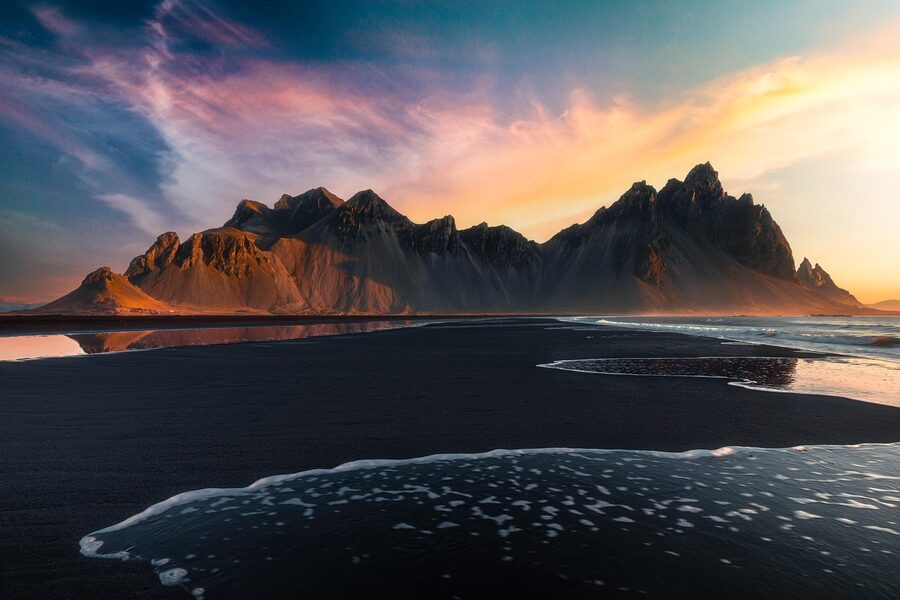
If you are not an EEA resident and you spend at least 12,000 ISK on a single receipt at a participating shop (look for the Tax Free / Planet sticker), you can claim back the VAT. The refund is roughly 11-15% of the purchase price after admin fees. Get the tax-free form from the shop at the time of purchase, fill in your passport details, and have the form stamped at the Change Group desk in Keflavík airport (departures, after security) before you fly out. Goods over 100,000 ISK on a single form need a customs stamp, anything below it is the Change Group desk only.
Source: skatturinn.is, the Icelandic tax authority. Process the refund electronically into a card or bank account; cash refunds are a hassle to claim from abroad.
Practically, this matters most if you are buying a 25,000 ISK Icelandic-wool sweater (lopapeysa), an 80,000 ISK 66°North fleece, or anything else over the 12,000 threshold in one go. On groceries and meals it does not apply.
Two 7-day itineraries with daily costs
Real numbers, real plans. ISK throughout. Both assume two people sharing a room or a tent, departing from Reykjavík.
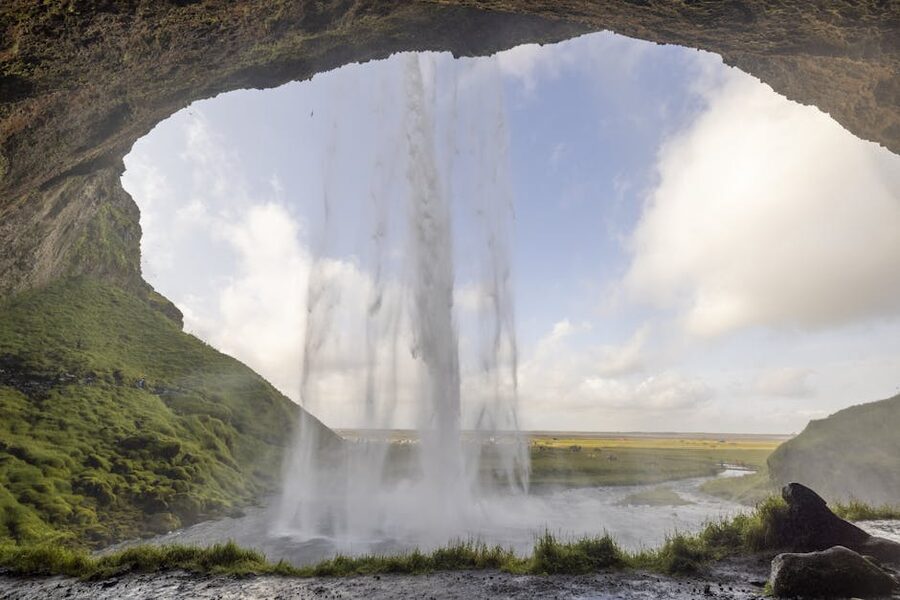
Itinerary A, Backpacker, late September, 7 days, ~75,000 ISK per person on the ground
Built around the south coast, Reykjavík and free hot springs. No rental car. Strætó and one shared day-tour bus.
| Day | Plan | Sleep | Spend (ISK pp) |
|---|---|---|---|
| 1 | Land Keflavík, Flybus to BSÍ, walk into town, Bónus shop, sleep KEX dorm | KEX dorm | 14,000 |
| 2 | Free walking tour, Hallgrímskirkja, Sundhöllin, Bæjarins Beztu pylsur | KEX dorm | 9,000 |
| 3 | Strætó to Hveragerði, Reykjadalur hike and soak, bus back, soup at Mosfellsbakarí | KEX dorm | 8,500 |
| 4 | South-coast day tour (Seljalandsfoss, Skógafoss, Reynisfjara, Vík): GetYourGuide bus | KEX dorm | 14,500 |
| 5 | Mt Esja half-day hike (bus 57+15), pool at Vesturbæjarlaug, Bónus dinner | KEX dorm | 8,500 |
| 6 | National Museum (free Wed if it is), Harpa, free walking tour, Loft hostel for change | Loft HI dorm | 9,000 |
| 7 | Last morning at Nauthólsvík, Flybus to Keflavík, fly home | (home) | 9,500 |
Total roughly 73,000 ISK on the ground per person, plus flights. Add in the half-day tour you splurge on and it lands around 80-85,000.
Itinerary B, Mid-range, late May, 7 days, ~180,000 ISK per person on the ground
Small rental car shared between two, guesthouses, one paid glacier hike.
| Day | Plan | Sleep | Spend (ISK pp) |
|---|---|---|---|
| 1 | Land, pick up Blue Car Rental, drive to Reykjavík, walk and pool | Reykjavík guesthouse | 22,000 |
| 2 | Golden Circle self-drive (Þingvellir, Geysir, Gullfoss), back to Reykjavík | Reykjavík guesthouse | 18,500 |
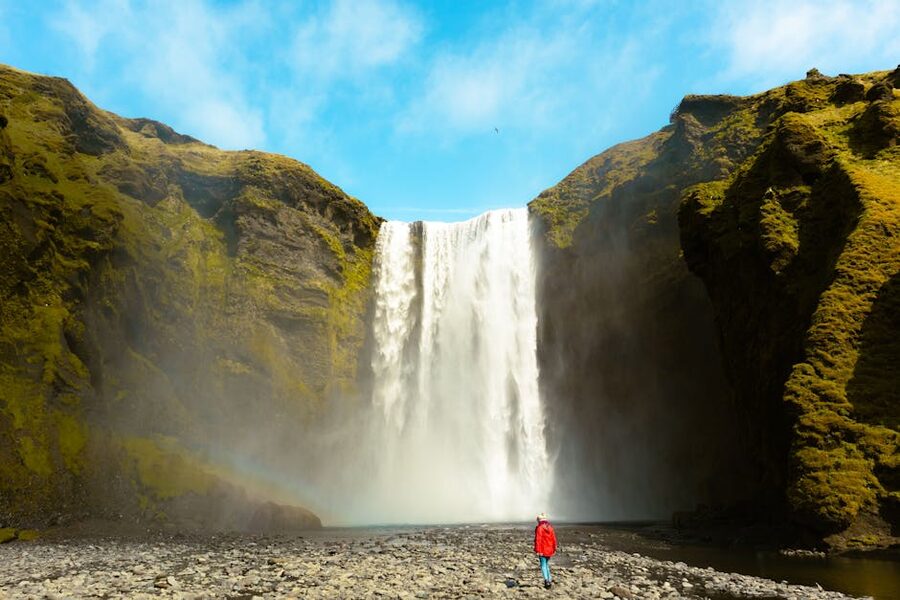
| 3 | South coast drive: Seljalandsfoss, Skógafoss, Vík, sleep Vík guesthouse | Vík guesthouse | 26,000 |
| 4 | Glacier-hike on Sólheimajökull (Mountain Guides), drive on to Höfn | Höfn guesthouse | 34,000 |
| 5 | Jökulsárlón glacier lagoon (free to look), Diamond Beach, drive back to Vík | Vík guesthouse | 22,000 |
| 6 | Drive west, Reykjadalur soak en route, hand back car at airport | Reykjavík guesthouse | 26,000 |
| 7 | Sky Lagoon morning (or Sundhöllin if budget tight), Flybus to airport | (home) | 32,000 |
Total roughly 180,500 ISK per person on the ground, plus flights. Cuts: skip the glacier hike (-17,000 ISK) and the Sky Lagoon (-11,000), eat one more meal from Bónus per day (-12,000), and you are down to 140,000.
A few small things that add up
The boring lines that, individually, look like nothing and, collectively, save you 15,000 ISK over a week.
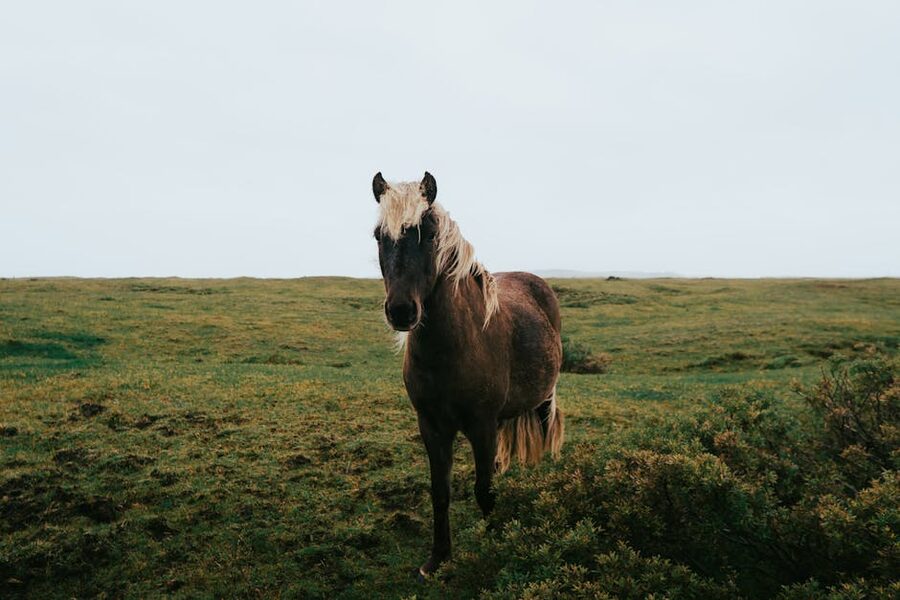
- Tap water in a refillable bottle saves 350 ISK per day, that is 2,500 ISK over a week.
- Card, not cash. Iceland is functionally cashless. Bring a Visa or Mastercard with no foreign-transaction fee (Wise, Revolut, Chase Sapphire, etc.). Avoid airport currency exchange. See my Iceland currency guide for which cards I have personally used.
- Public toilets. Toilets at petrol stations and major attractions sometimes charge 200-300 ISK now. Use the ones at hotels (lobbies are unwatched), restaurants where you bought a coffee, museums, and any swimming pool you visit.
- Sim card vs roaming. A Síminn or Nova prepaid SIM with 50GB is around 2,500 ISK and lasts a fortnight. Some EU plans cover Iceland under EEA roaming for free; check before you buy.
- Buy alcohol at duty-free on arrival. Vínbúðin in town is 40-50% more expensive than the duty-free at Keflavík arrivals. If you want a beer in your hostel that night, buy on the way in.
- Park sensibly. Reykjavík city-centre parking is 480 ISK per hour in zones P1 and P2 (use the EasyPark app). Free street parking starts at zone P4 in residential areas just 10 minutes’ walk from the centre.
Off-the-beaten-path budget tips
The places nobody tells you to go because they are not on Instagram. These cost less because they are quieter.
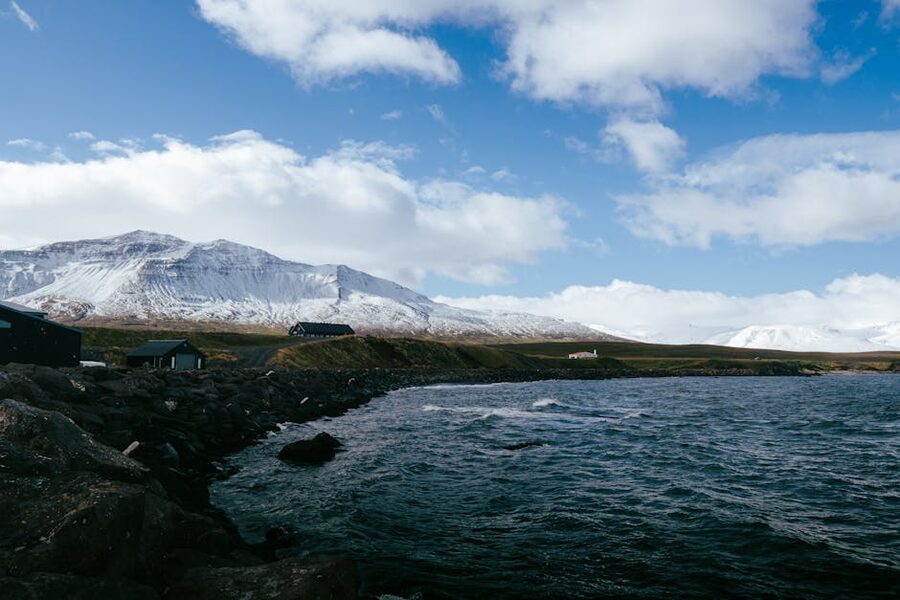
- The east fjords are cheaper than the south. Egilsstaðir and Seyðisfjörður have guesthouses 25-35% cheaper than Vík or Höfn. The drive is harder, the rewards are real. See East Fjords of Iceland.
- Akureyri is half-priced Reykjavík. The northern capital has hostels at 5,000 ISK, restaurants 20% cheaper than the south, and a swimming pool (Sundlaug Akureyrar) that some Icelanders insist beats Laugardalslaug. My Akureyri guide has the full picture.
- The Westfjords are nobody’s first trip. But they should be your second. Westfjords of Iceland.
- The capital area pools you have not heard of. Árbæjarlaug, Grafarvogslaug, and the Kópavogur pools are all 1,200-1,400 ISK and quieter than Laugardalslaug.
How to actually plan it
If you read this whole thing and feel a little overwhelmed, here is the order in which I would do it.
- Pick the month. Off-season for cheap, summer for daylight, May or September for the compromise. When to visit Iceland.
- Book the flight first, before anything else. Six weeks ahead is the sweet spot.
- Decide on a rental or no rental. If no rental, base in Reykjavík and book day tours. If rental, book it at the same time as flights since prices climb fast.
- Book accommodation second. Cancel-able guesthouses or hostels work fine; you can refine later.
- Book one big-ticket experience (glacier hike, ice cave, ferry to the Westman Islands) in advance. Leave the day-to-day open.
- The week before, watch the weather (vedur.is) and the road conditions (road.is). Adjust as you go.
That is the budget version. Iceland will still cost you a little more than you planned, because something always does. But you will not feel cheated, and you will eat a hot dog at Bæjarins Beztu and laugh for four minutes too. That is the real Iceland on a budget.
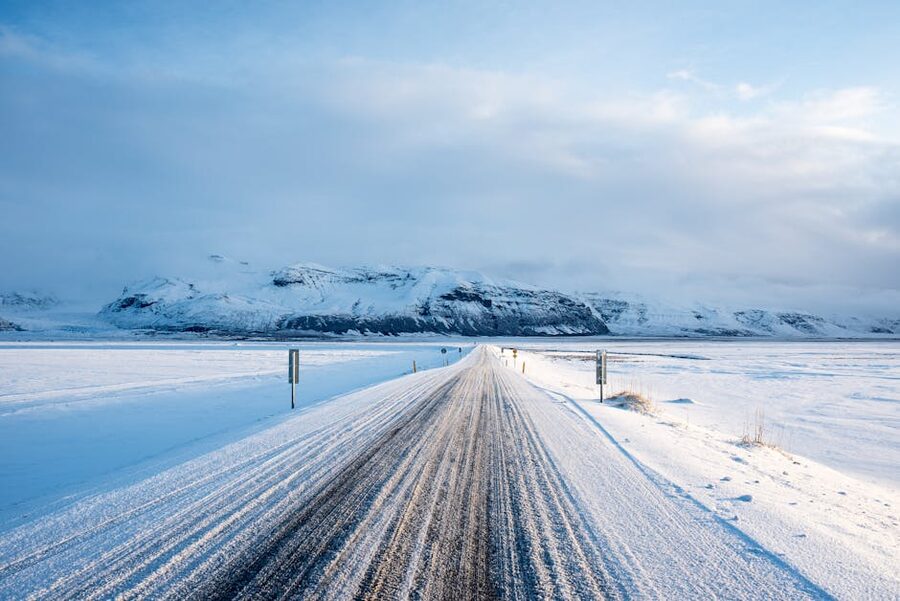
Þetta reddast.