
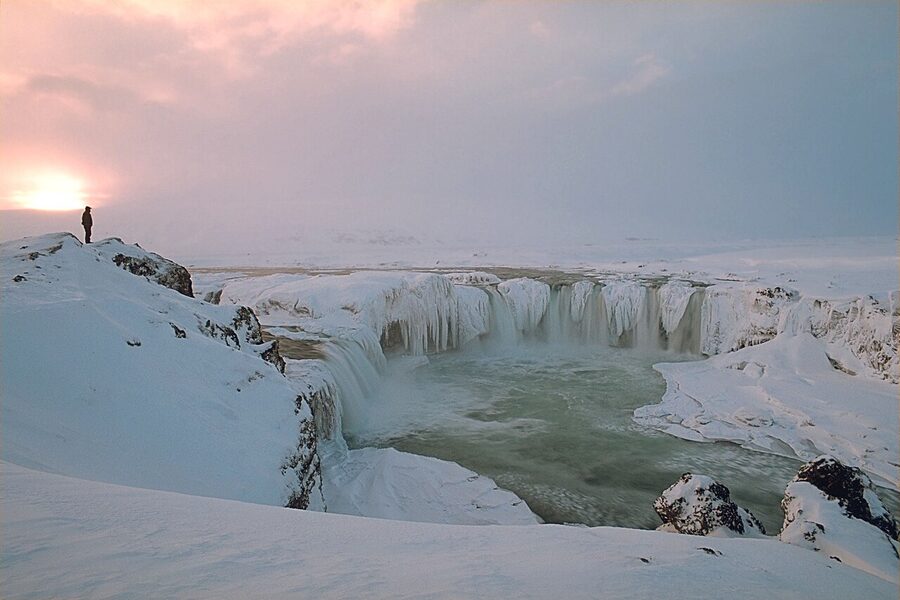
March is the month when Iceland stops fighting you. February’s brutal cold lets up by a couple of degrees, the daylight stretches by nearly three hours over four weeks, and the F-roads stay locked while the ice caves stay open. It is the bridge month between deep winter and early spring, and for a particular kind of traveller it is the smartest window of the entire year.
I would tell anyone planning their first Iceland trip to seriously look at the second half of March. You still get the aurora. You still get the blue ice caves at Vatnajökull, with the season ending in early April. You get long enough days to fit a proper South Coast itinerary or a Snæfellsnes loop, instead of cramming everything between a 10am sunrise and a 4pm sunset. And the prices, on hotels especially, sit 30 to 40 percent below the July peak. Þetta er marsmánuður, as we say. This is March.
This is the long version. What the weather actually does, what is open and what is closed, where to point five days or seven days, what the festivals are, and what to wear so you do not freeze waiting for the bus at BSÍ. If you want the year-round overview first, the when-to-visit guide walks every month, the climate piece sets up the weather context, and the summer guide is the bookend for the other end of the year. This one is March-specific.
In This Article
- What March actually does to the weather
- Why I keep recommending March
- What is open in March (and what is not)
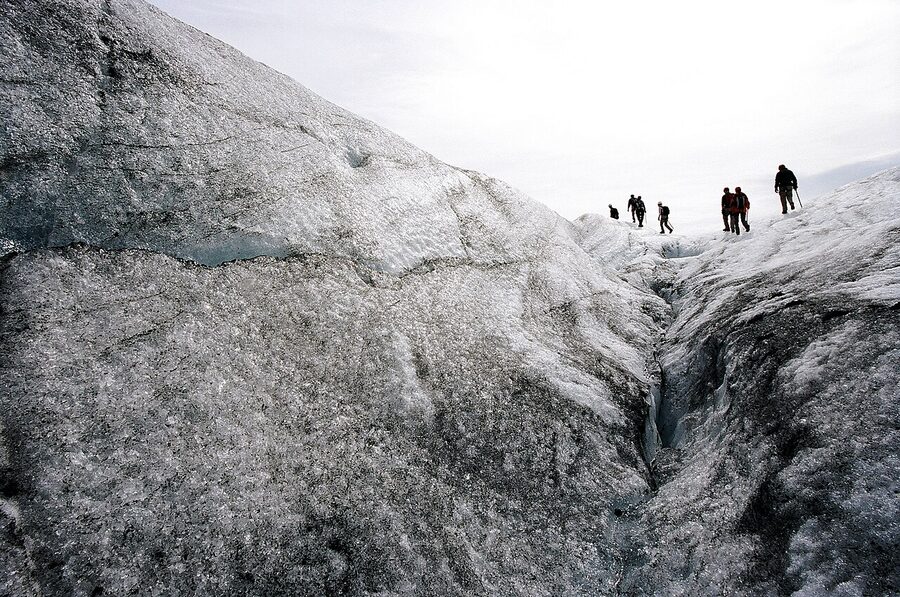
- Vatnajökull ice caves before they close
- Northern lights in March
- A South Coast that finally has enough daylight
- The Golden Circle, snowed on
- Snæfellsnes in late winter
- Reykjavik when the locals start to come outside again
- Hot springs are still half the point
- Whale watching, the season turning
- Silfra snorkelling, year-round in 2°C
- Festivals and events in March
- Driving in March, the real version
- What to wear in March
- What it actually costs
- A five-day March itinerary that actually works
- Stretching it to seven days
- What to skip in March
- A word on the north
- If I were planning my own March trip
What March actually does to the weather
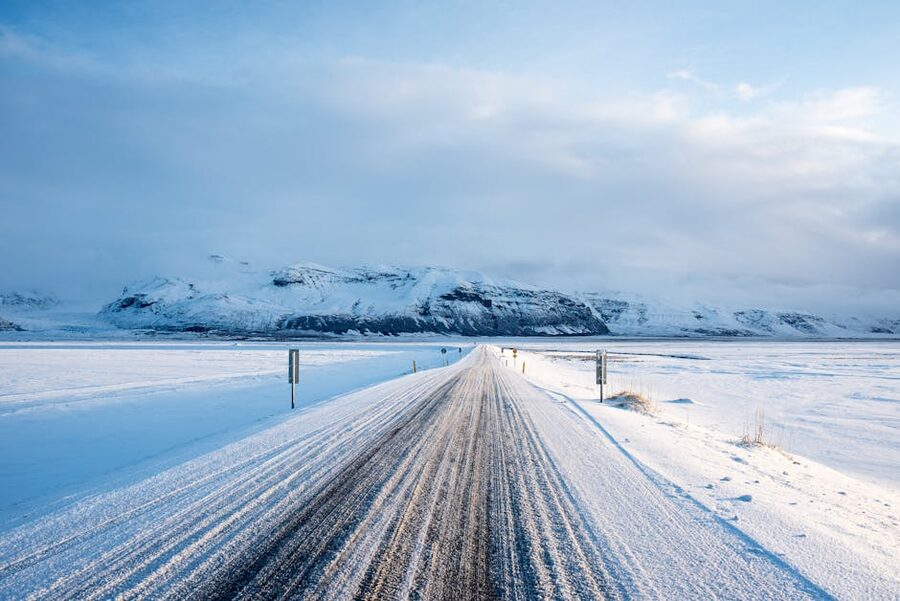
The headline for Reykjavik in March is roughly minus one to four degrees Celsius daytime, with night-time lows just below freezing. That is the average. The reality, like every other month in Iceland, is more variable than the average suggests. You can get a calm sunny day at six or seven degrees that feels like spring. You can get a gusty wet day at the same six degrees that feels colder than January. The wind is usually the deciding factor. A still day at minus two is fine. A 60 km/h wind at plus three flushes the warmth out of you in a way that surprises people who only checked the temperature.
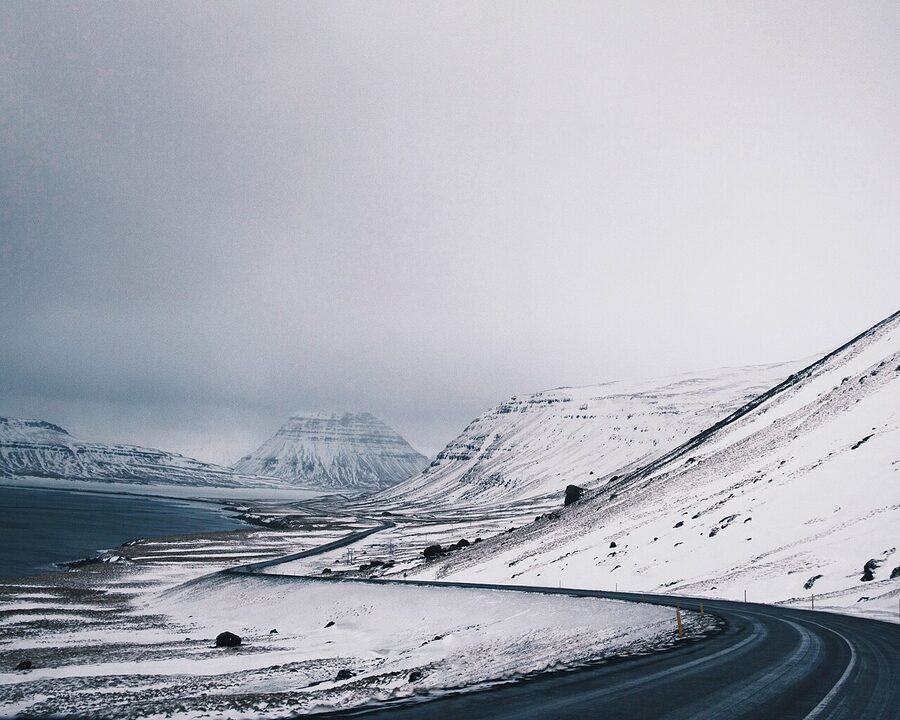
Snow is still very common, especially in the first half of the month and especially outside the capital. Reykjavik tends to get a slushy mix that the city clears within a few hours of any storm. The north and east keep proper snow cover most of March. Mountain passes can shut for a day at a time. Rain becomes more frequent towards the end of the month, sometimes mixed with sleet, and that combination is what creates the black ice on shaded sections of road that catches drivers out.
The thing that changes faster than the temperature is the daylight. Reykjavik starts March 1st with about 10 hours and 10 minutes of daylight, sunrise around 8:35 and sunset around 18:46. By March 31st you have 13 hours and 26 minutes, sunrise close to 06:49 and sunset past 20:15. The vernal equinox lands on March 20th and after that point you have more day than night for the first time since September. You feel that change daily towards the end of the month. It is genuinely strange how fast it happens.
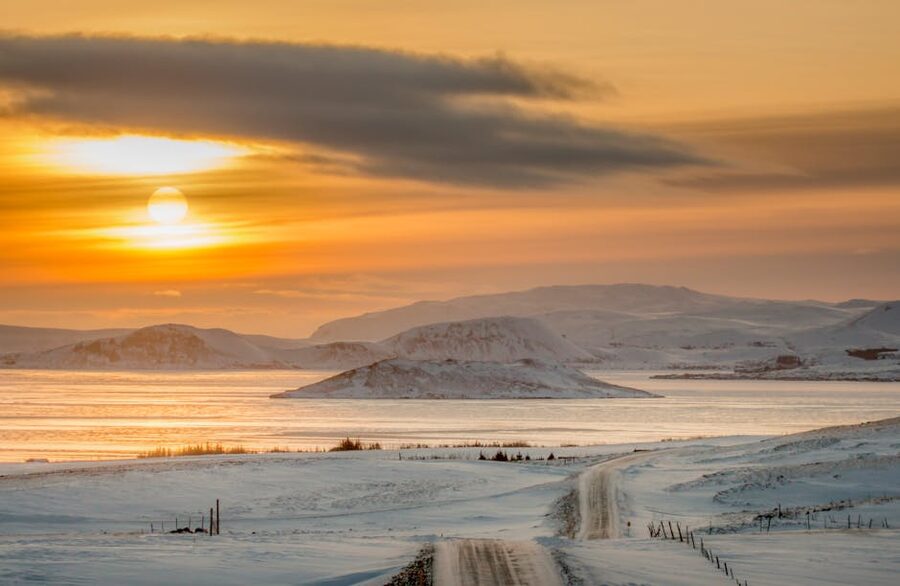
For the official forecast and any storm warnings before you drive, the Icelandic Meteorological Office at vedur.is is the source. Always check it the morning you set off. Road conditions and closures sit at road.is, also checked daily. And for safety advisories on hikes, glaciers, and weather alerts, safetravel.is is the official site. Bookmark all three.
Why I keep recommending March
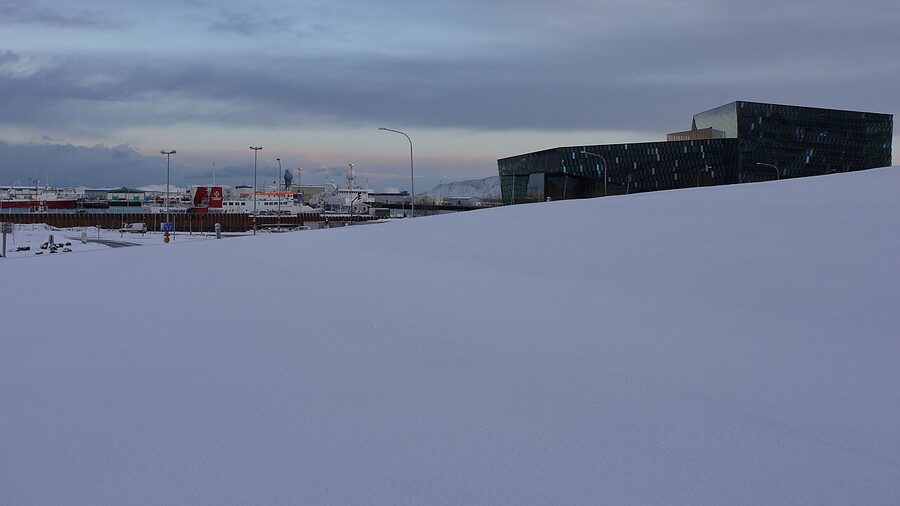
The clearest case for March is that you do not give up the winter Iceland experiences and you do not pay summer prices. Look at what is still possible. The natural blue ice caves at Vatnajökull are open for about one more month before warming meltwater closes them in early April. The aurora is still in season, with long enough darkness to chase it for at least the first three weeks. The glacier hikes are at their solid winter best, more crampons-required terrain than melt-rotten ice. The Golden Circle and the South Coast both look better with snow on the ground than without, and most years March still has snow on the ground.
Then look at what summer makes you put up with that March does not. Hotels at peak rates that often sell out four months ahead. Cruise day-trippers piling out at Geysir and Gullfoss after a port call in Reykjavik. The big-ticket activities like ice cave tours and northern lights chases booked solid for weeks. Photographers wading through 50 other photographers at Kirkjufell. None of that in March. You can still book a Vatnajökull ice cave for a tomorrow morning departure if the weather holds. You can still get a Hotel Rangá room three weeks out. Try that in July.
The trade-off is the weather risk. Storm closures still happen, which means you should build flex days into your itinerary, especially around your departure. Do not plan to be in Akureyri on Sunday if you fly home Monday morning. Aim to be back in the Reykjavik area no later than Friday night. Weather is the only thing on your trip that does not negotiate.
What is open in March (and what is not)
This is the part most travellers ask first and the answer is: more than you might think. Here is the practical map.
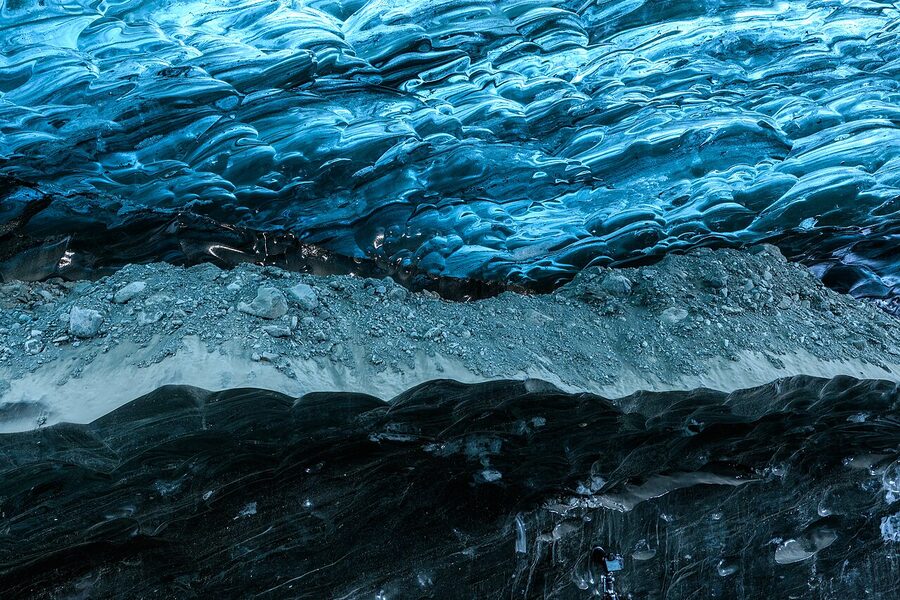
Open and at their winter best: the natural blue ice caves at Vatnajökull (last full month, season usually ends mid-March to early April depending on the year), the South Coast as far as Jökulsárlón and Diamond Beach, the Golden Circle, the Reykjanes peninsula and the Blue Lagoon, the Sky Lagoon and most other geothermal pools and lagoons, glacier hikes on Sólheimajökull and Skaftafell, snowmobile tours on Langjökull, lava cave tours like Raufarhólshellir and Víðgelmir, snorkelling and diving at Silfra (water is 2°C year round, summer or winter doesn’t matter), most Reykjavik museums, the Hallgrímskirkja and Perlan, the Whale Museum in Húsavík, the Phallological Museum because of course it is open.
Open but weather-dependent: the Snæfellsnes peninsula day trip from Reykjavik (gravel side roads can be rough), the full Ring Road (do-able but allow ten days minimum and budget for re-routes), driving the Westfjords (only the southern routes are reliably accessible, Hornstrandir is locked until June), Akureyri and the Mývatn area (worth doing but plan around the weather window), whale watching from Reykjavik harbour (boats run, sightings are lower than peak summer but humpbacks start returning).
Closed in March, no exceptions: the Highlands and every F-road into the interior. Landmannalaugar by road, Þórsmörk by self-drive, Askja, Kerlingarfjöll, all locked behind metres of snow with rivers no vehicle can ford. Hornstrandir in the Westfjords (boats from Ísafjörður don’t start running until late June). Inside the Volcano at Þríhnúkagígur runs from May 5th to October 30th in 2026, so March visitors are out. The Westman Islands ferry runs but on a thinner winter schedule with weather cancellations more likely. Most highland mountain huts are still under snow and unstaffed.
One more practical caveat: snowmobiling and dog sledding are technically open all winter but March can hit a soft spot when the ice on the glaciers is melting at the surface and refreezing overnight. Sometimes operators cancel the day-of for safety. Build a backup plan if these are core to your trip.
Vatnajökull ice caves before they close
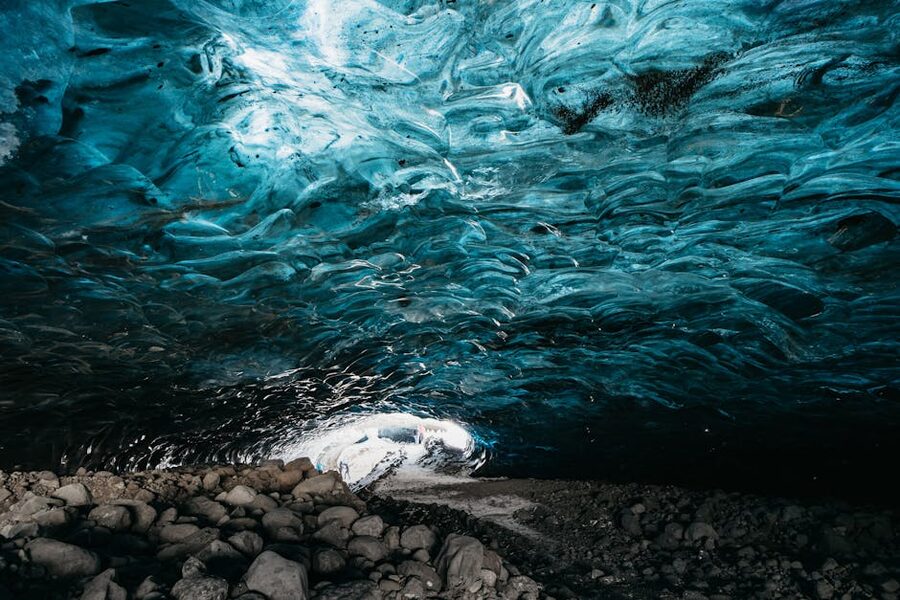
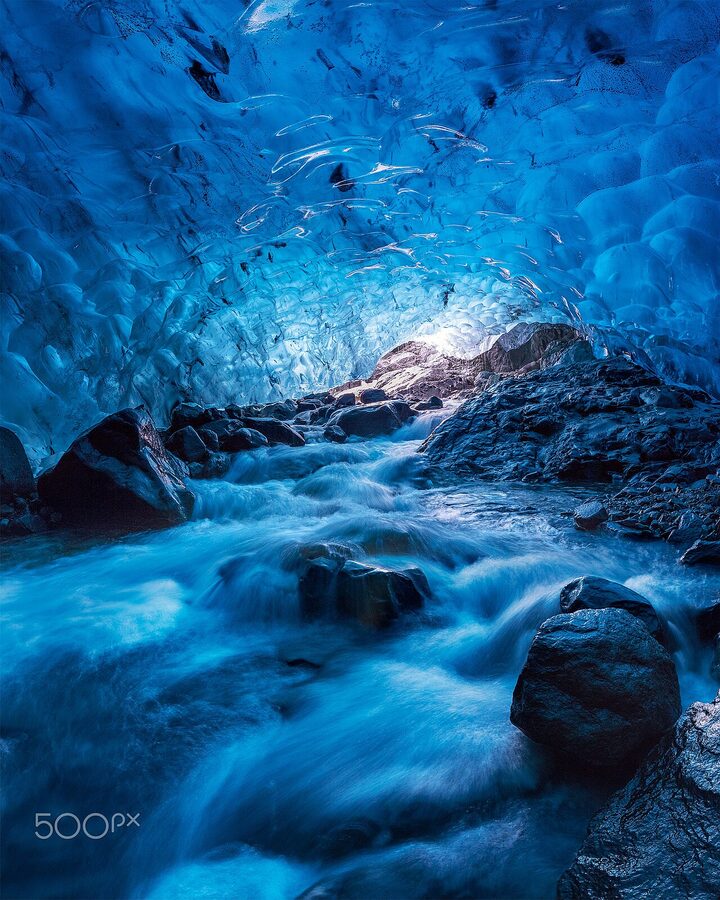
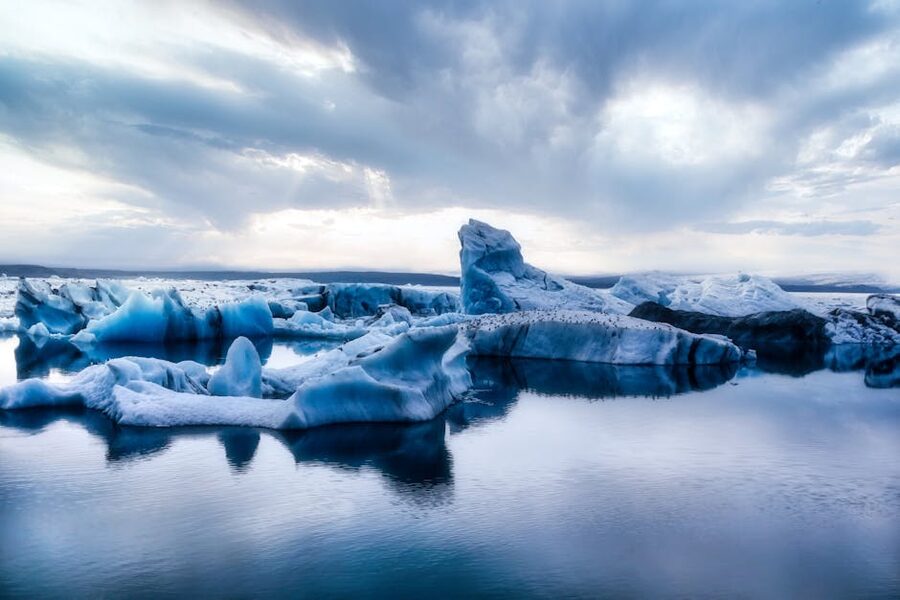
If there is one March-specific item to lift to the top of your list, it is a natural blue ice cave under Vatnajökull. The Crystal Cave near Jökulsárlón is the best-known. The Sapphire Cave further east is the photographer’s pick most years. The Katla Ice Cave near Vík is the easier-access alternative if you are not pushing east of Höfn. All three are guided-only, all three need a super-jeep transfer to the glacier, and all three are gone for the season once spring meltwater starts compromising the cave roofs. That happens in late March most years and absolutely no later than mid-April.
What you actually do: meet the operator at a base location (the Glacier Lagoon car park for the Crystal Cave, Vík for the Katla Cave, Hofn for some Sapphire Cave departures), get bussed up onto the glacier in a modified super-jeep, walk maybe ten minutes across the ice to the cave entrance, spend 30 to 60 minutes inside, walk back. The cave itself is whatever the meltwater carved out the previous summer. Some years the blue is electric. Some years it is more milky. You take what you get and it is still extraordinary either way.
Reputable operators include Glacier Adventure from Hofn, Iceland Guided Tours for Katla, and aggregators like GetYourGuide and Viator if you want to compare across providers. Plan to book a week ahead in March for guaranteed slots, more if you want a specific cave on a specific day. Tours run roughly 12,000 to 22,000 ISK per person depending on cave, transfer length, and operator.
One practical note: the Crystal Cave tour from the Glacier Lagoon means a 4 to 5 hour round trip from Vík and a 5 to 6 hour round trip from Reykjavik before you start the cave portion. That means either an overnight in Hofn or Vík, or a very long day if you are pushing from Reykjavik. The full ice cave guide covers the cave types and operator differences in more detail, but the short version is: in March, do this, and book early.
Northern lights in March
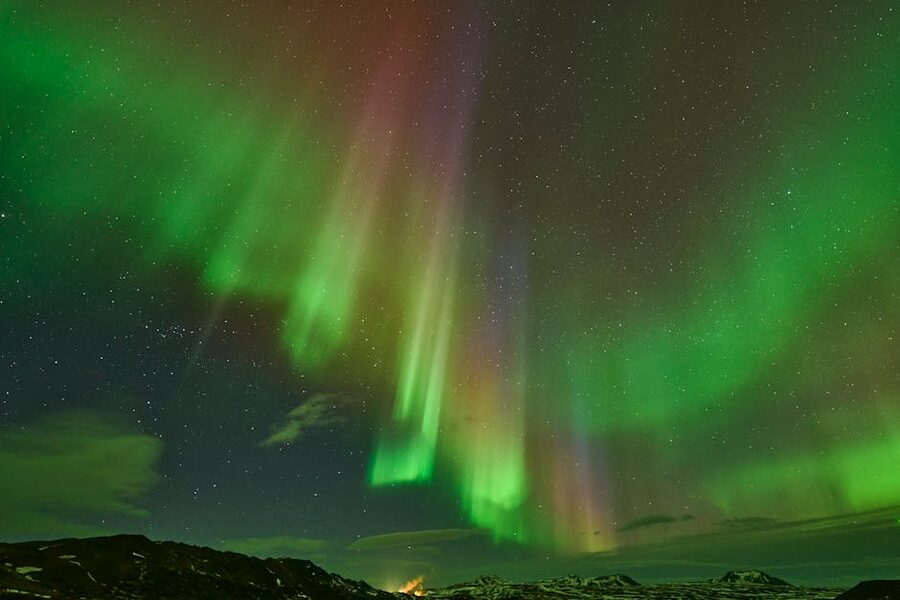
March is one of the strongest months of the season for aurora, particularly the first half. Dark hours are still substantial (you have a properly dark sky from roughly 21:00 to 05:30 on March 1st, a window that shrinks as the month progresses but stays useful through about the 23rd), the spring equinox period has historically delivered some of the most active geomagnetic conditions of the year, and the weather is more often clear than in mid-winter. We are also still inside the current solar maximum cycle peaking through 2025-2026, so KP indices have been elevated more often than not.
The basics still apply. You need three things at once: a clear or mostly clear sky overhead, a high enough KP index (3 or above is the rough threshold for visible aurora at Iceland’s latitude), and you need to be away from the worst of the urban light pollution. None of those things are guarantees. The aurora is a wild animal and pretending otherwise sells tours but breaks promises. Plan two or three flexible evenings into a March trip and you will likely see them. Plan one and you might not.
From Reykjavik, the easiest move is a guided minibus or super-jeep tour. The operator monitors the cloud cover, picks the best window, drives you there, and offers a free re-do if the trip is a bust. The standard Reykjavik bus tours run around 8,000 to 12,000 ISK. Reykjavik Excursions, Gray Line, and Arctic Adventures are the established operators. There is also a sea-going option, the Northern Lights cruise from Reykjavik harbour, which is two and a half hours, runs from Elding, and is genuinely worth doing for the angle (no light pollution at all, the city behind you, the open sea around you).
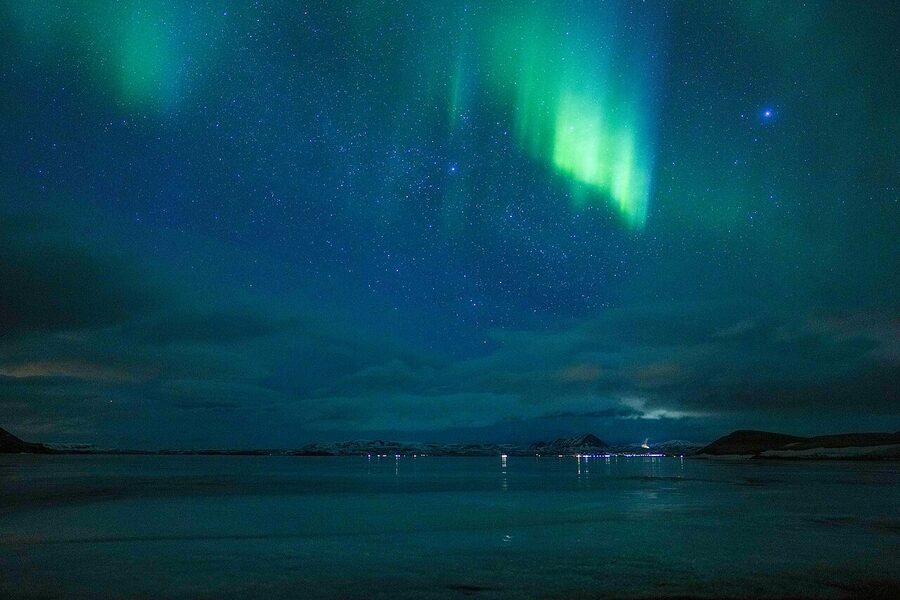
If you are self-driving, the Aurora Forecast at vedur.is is the official one. Read the cloud cover map alongside the KP forecast. The full aurora forecast guide walks through how to read it. The northern lights guide covers the broader season. The short version for March: layer up, drive somewhere dark, give yourself two hours minimum, do not give up after the first 20 minutes of nothing.
A South Coast that finally has enough daylight
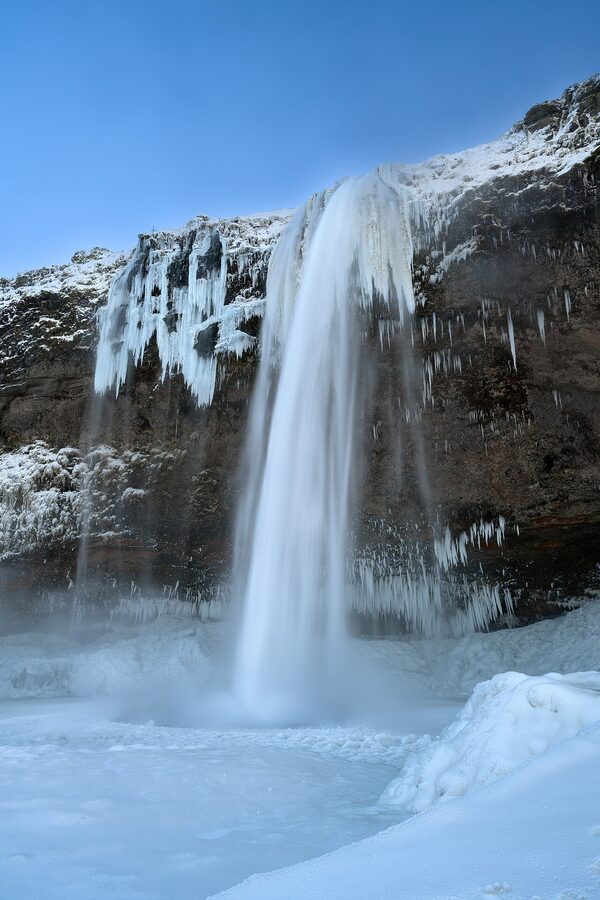
This is the trip I would point any first-time March visitor at. The South Coast is open year-round but in deep winter you are racing the clock. By March you have time to do it properly: Seljalandsfoss, Skógafoss, Reynisfjara, Vík for the night, then push east to Jökulsárlón and Diamond Beach the next day with an ice cave fitted in. Two nights, three days minimum to make it sing.
Seljalandsfoss in March is a 60-metre waterfall with snow banked around its base, a frozen mist clinging to the trail behind it, and conditions sometimes too icy to walk the full back-of-the-falls loop. Microspikes solve that, and the gift shop at the base sells decent ones if you forgot. Skógafoss is broader, louder, and at the right cold snap forms partial frozen drapes on the rock walls either side of the main flow. Reynisfjara, the black sand beach with the basalt columns, is at its most dramatic with snow on the cliffs of Dyrhólaey behind. The sneaker waves there have killed six people since 2013. Stay well back from the surf line. The signs are not decorative.
Vík itself is a small town built around a black church on a hill (Víkurkirkja) and a few hotels and restaurants. Hotel Vík í Mýrdal is the obvious pick if you want comfort and aurora-friendly views from the rooms. Cheaper guesthouses cluster around the village. The N1 petrol station has the only late-night food, soup and a fish-and-chips counter that closes around 21:00.
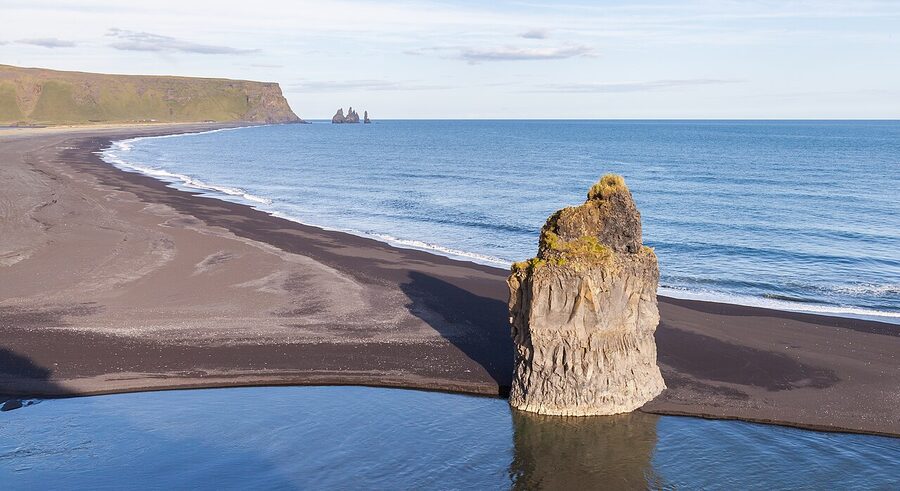
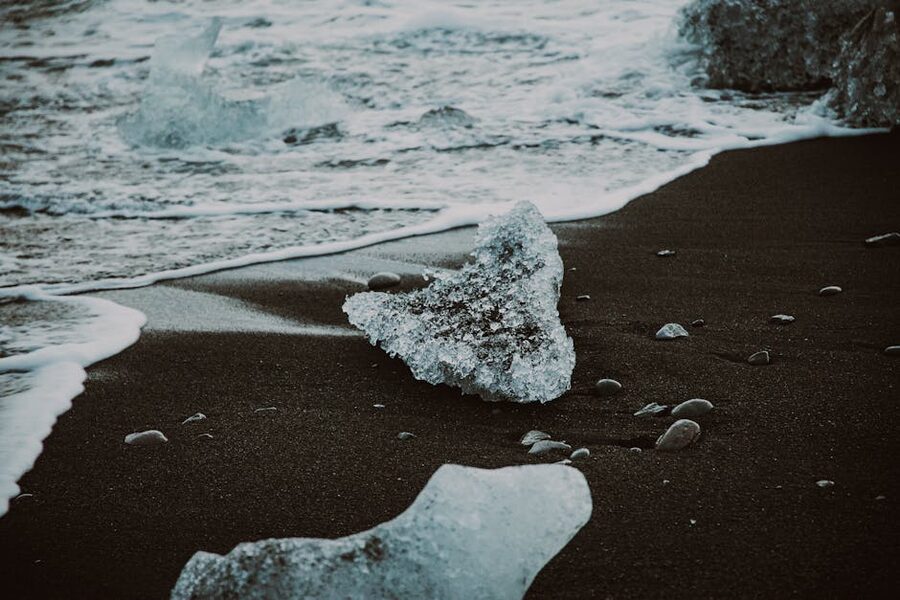
Pushing east the next day, Skaftafell is your halfway stop with the Falljökull glacier hike option (do this if the weather window allows, around 4 hours including the briefing, around 14,000 ISK with Icelandic Mountain Guides). Then Jökulsárlón, the glacier lagoon, where icebergs calved off the Breiðamerkurjökull tongue float across a tidal lagoon. Diamond Beach is the black sand beach across the road where those icebergs wash up. Both are at their most dramatic in winter. The boat trips on the lagoon do not run November through April, so that is one summer-only thing you skip in March.
Sleeping in Höfn is the smart play if you are doing an ice cave the next morning. Hotel Höfn is the most reliable option. The langoustine restaurants in town (Höfn calls itself the langoustine capital and the title is mostly justified) are most of the reason to stay over rather than push back to Vík. Pakkhús is the standout, around 8,000 ISK for a langoustine tail main.
The Golden Circle, snowed on
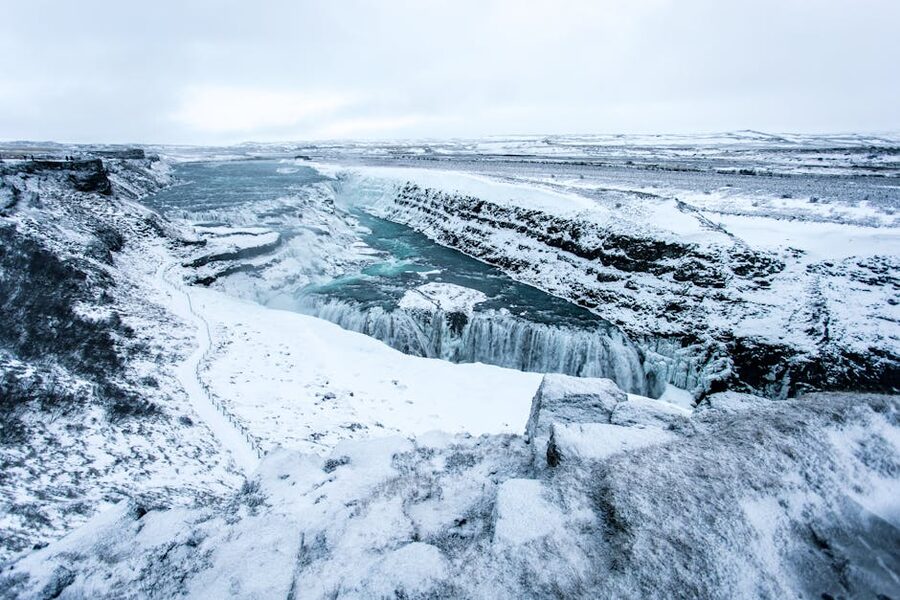
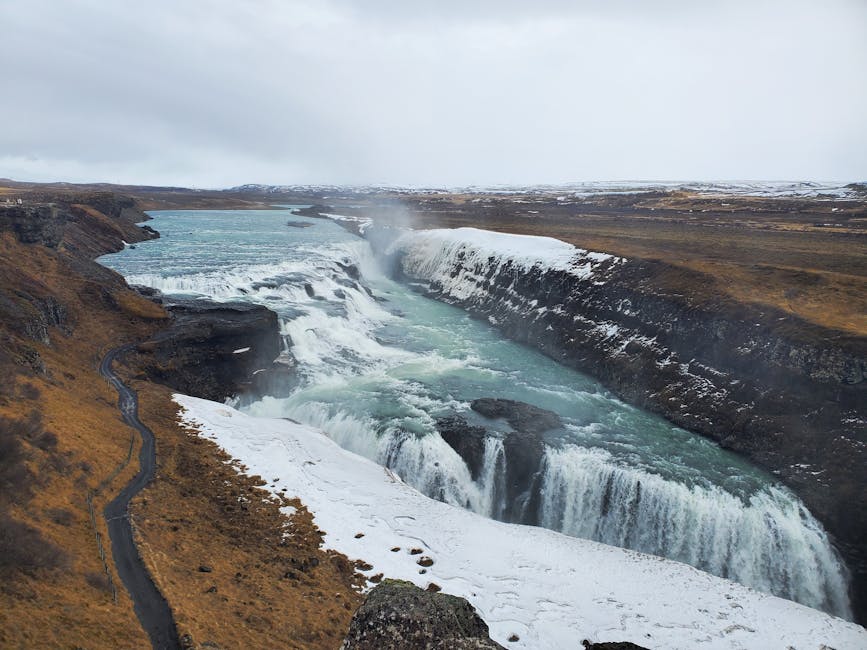
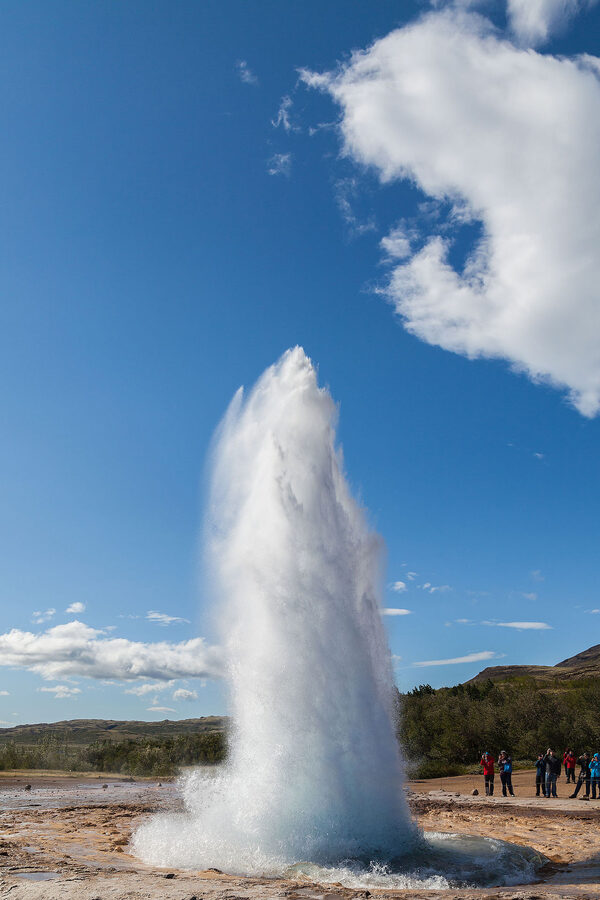
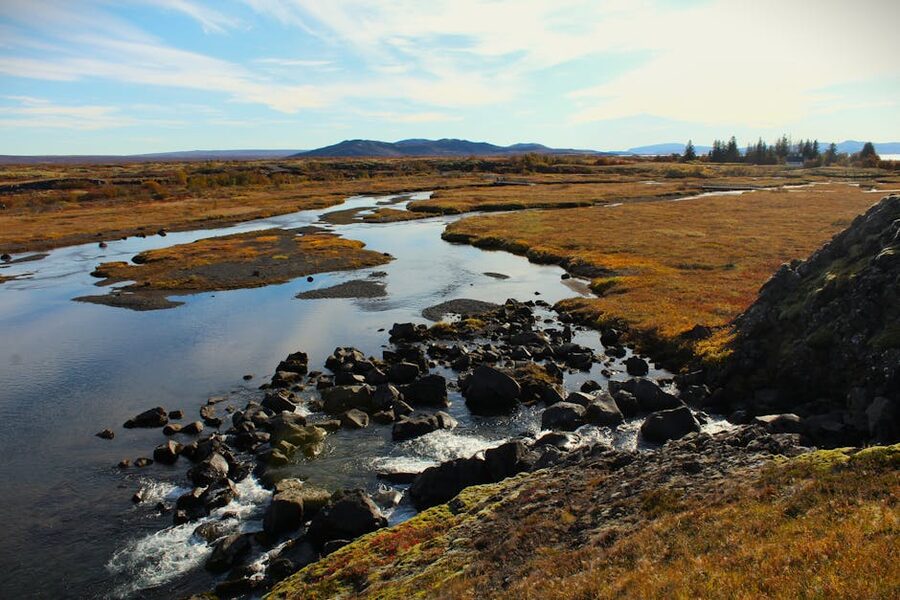
The Golden Circle is doable from Reykjavik in any month and any weather short of a storm closure, but March is a particularly good month for it. The 240 km loop covers Þingvellir National Park (the Eurasian-North American plate boundary, the Viking parliament site at the foot of the Almannagjá rift, snow-capped in March), the Geysir geothermal area where Strokkur erupts every five to seven minutes (year-round and unaffected by winter), and Gullfoss, the two-tier waterfall that is genuinely more spectacular ringed in ice than in summer flow.
You can self-drive in a 2WD if the forecast is clean (Route 1 east, then 35 north, then 37 and 36 back via Þingvellir), but a 4WD is the smarter rental in March no matter how confident the morning forecast looks. Conditions can change inside two hours. If you do not want to drive, the standard Reykjavik bus tours run around 11,000 to 15,000 ISK. GetYourGuide and Viator both have full inventories. The Reykjavik Excursions and Gray Line buses are reliable and cover the same stops.
One mid-March tip: aim to be at Gullfoss before 10am or after 15:00. The middle of the day is when the bus tours pile in. Either side of that you can have the lower viewing platform almost to yourself. The walking down to the base is sometimes closed in winter for ice, in which case you stay at the upper viewpoint. That viewpoint is fine, especially with a low sun angle that puts a rainbow in the spray on a clear afternoon.
If you are pairing the Golden Circle with the Silfra snorkel (more on that below), the order matters. Silfra in the morning, Golden Circle in the afternoon, because Silfra operators want you on dry suit by 09:30 most days. The combo takes a long full day and the operators run combined tours that handle the logistics. Worth it if you have only one day for both.
Snæfellsnes in late winter
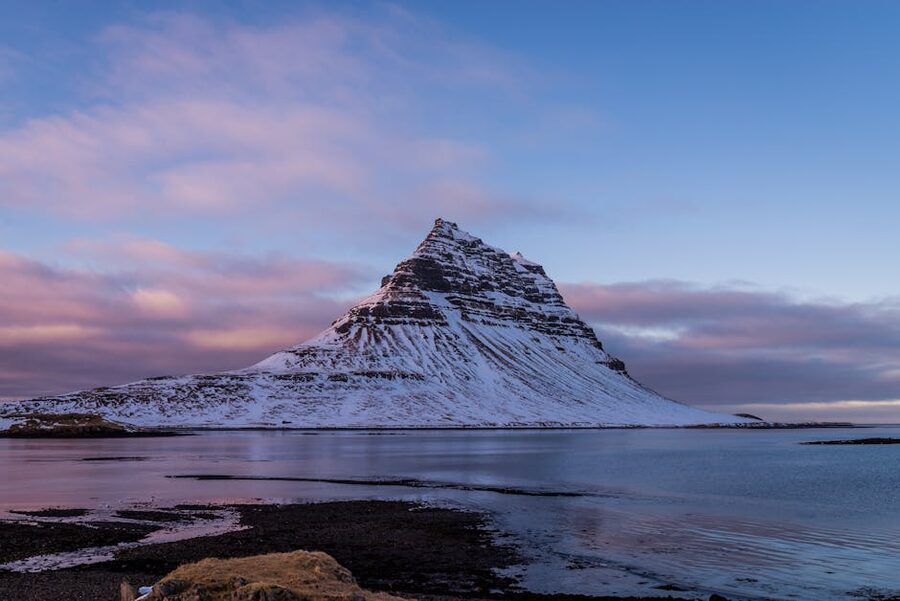
The Snæfellsnes peninsula is two hours west of Reykjavik and runs as a year-round day tour. In March it sits in a sweet spot: the gravel side roads to Djúpalónssandur, Lóndrangar, and the Búðir black church are usually drivable but icy enough that I would push for a 4WD rental, and the late-March daylight gives you enough time to do the full loop in a single day from Reykjavik with sunset over the Snæfellsjökull glacier as the closer.
Kirkjufell, the photographer’s mountain, is on the north side of the peninsula at Grundarfjörður. It is the most photographed mountain in Iceland for a reason and in March it usually has a snow cap that makes the textbook composition (foreground waterfall, mid-ground mountain) work without the summer crowd. The waterfall in front, Kirkjufellsfoss, is a five-minute walk from the car park.
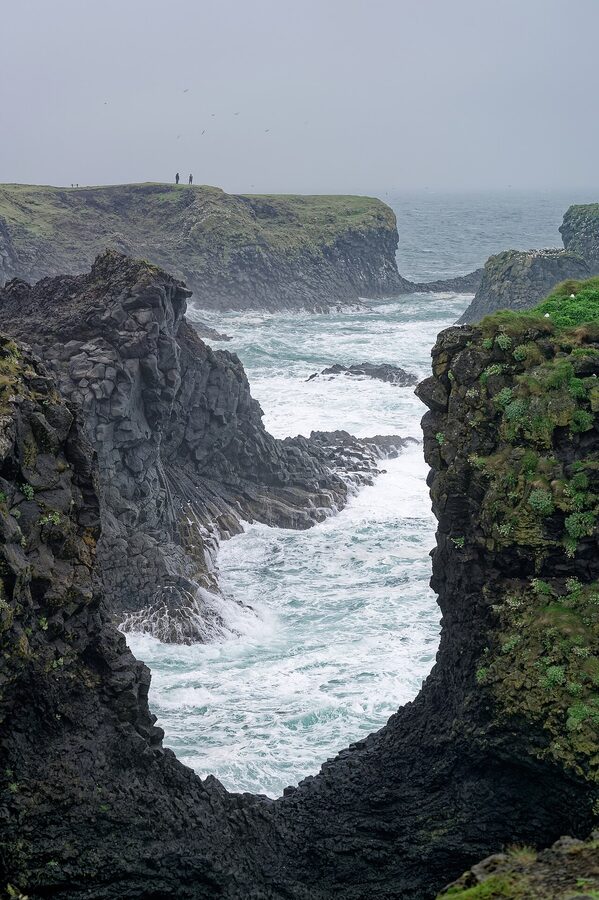
The full self-drive loop covers Borgarnes (an hour out of Reykjavik, settlement-era museum if you want context), Búðir (the black church on the lava field, photogenic in any light), Arnarstapi (a coastal walk along basalt cliffs to Hellnar, around 2.5 km one way), Djúpalónssandur (a black pebble beach with the rusted shipwreck remains and the lifting stones the old fishermen used as a strength test), Lóndrangar (basalt sea stacks), Saxhóll Crater (a short summit walk if you have the energy), Hellissandur (often skipped, has the regional museum), Ólafsvík (whale watching boats run year-round but March is hit-and-miss), and Kirkjufell at Grundarfjörður on the way home.
Doing it as a guided day tour avoids the driving stress entirely. Around 16,000 to 22,000 ISK per person from Reykjavik, full pickup, ten to twelve hours. If the forecast looks clean the self-drive is more rewarding. If the forecast looks dodgy, take the tour and let someone else’s vehicle handle it.
Reykjavik when the locals start to come outside again
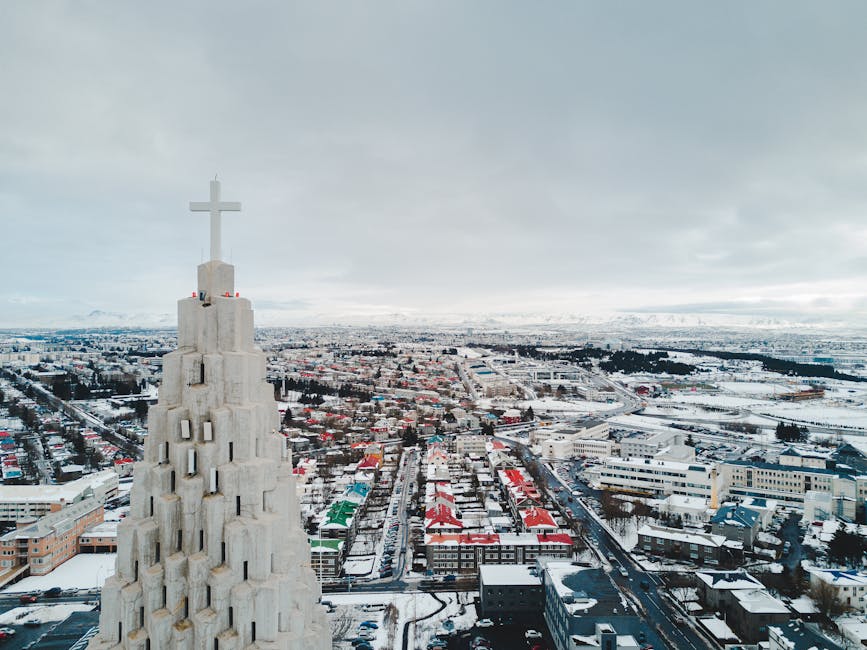
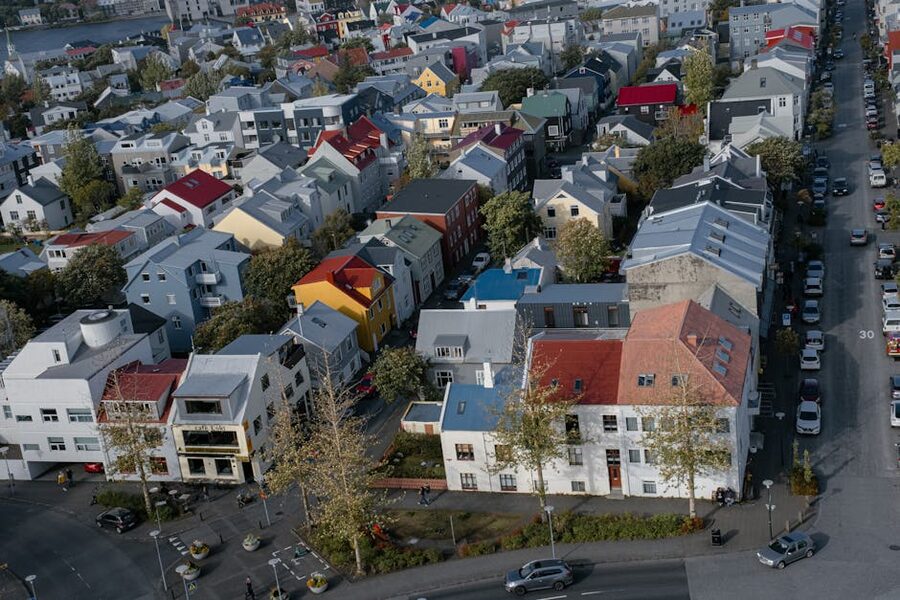
Reykjavik in March is a different city from Reykjavik in January. The dark months are visibly easing. People are out for coffee at the cafes on Bankastræti and Laugavegur in numbers you do not see in February. The Hallgrímskirkja tower observation deck is open daily and on a clear March morning the view across the colourful rooftops to Esja is the postcard. 1,300 ISK for the lift to the top, worth it for at least one sunset.
Beyond the church tower, the city itself is built for slow wandering even in winter. The walk down Skólavörðustígur from Hallgrímskirkja to the harbour passes most of the small galleries and bookshops. The Sun Voyager sculpture sits on the waterfront promenade about a 15 minute walk east. Harpa, the glass concert hall, is free to walk into and worth ten minutes for the lobby alone, particularly when the late-afternoon light hits the geometric facade. The Reykjavik guide covers the main streets and museums.
For museums in bad weather, the National Museum of Iceland is the best overall introduction (around 2,500 ISK, you need at least two hours). The Settlement Exhibition built around a 10th-century longhouse foundation is short but excellent (around 2,200 ISK, an hour). The Whales of Iceland exhibition near the harbour has full-size models of every species you might see and is genuinely good for kids (around 3,500 ISK). The Phallological Museum is exactly what it sounds like and is funnier and more thoughtfully done than the name suggests (around 3,300 ISK).
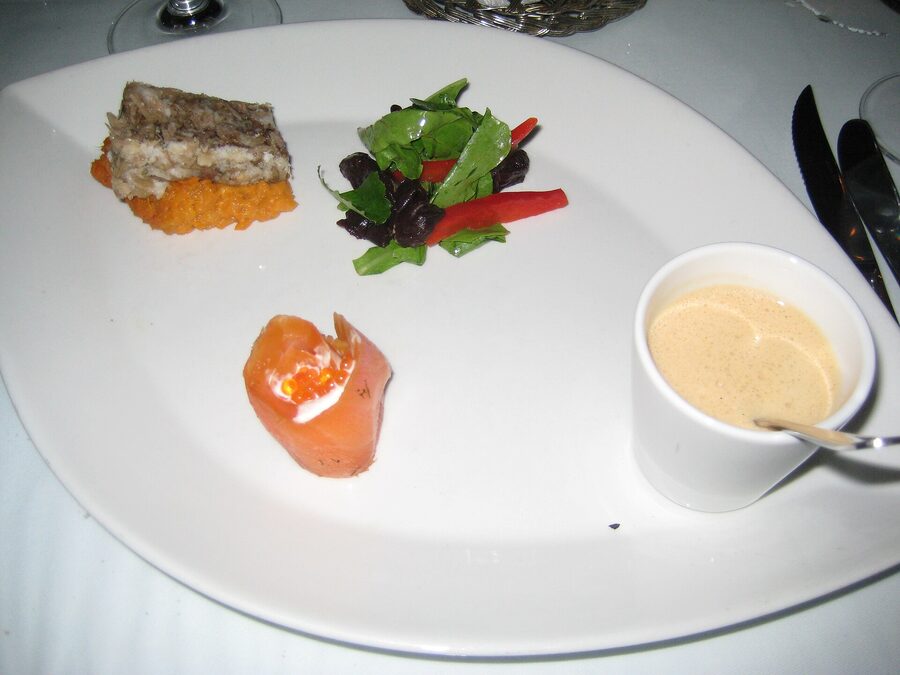
Food: I would point a March visitor at Matur og Drykkur in the old harbour for a proper Icelandic dinner (lamb, fish, dill, around 9,000 ISK a main, book a few days ahead), the lamb soup at Café Loki opposite Hallgrímskirkja for cheap fuel (1,990 ISK and unlimited refills), the langoustine soup at Sægreifinn down by the harbour (a single bowl is most of a meal at 2,400 ISK), and Bæjarins Beztu Pylsur for a hot dog at the harbour-side window (around 700 ISK, lamb-and-pork blend, ask for “ein með öllu” for everything on it). If you want a hot evening drink and a music venue, Kex Hostel’s bar usually has acoustic sets, and Húrra is the indie standby though it has been threatened with closure for years.
For a hotel base, the centre is the obvious pick. Reykjavik Konsulat is the comfortable mid-range with character (an old Eimskip steamship company building, central, around 35,000 to 50,000 ISK in March). Cheaper but central guesthouses cluster around Skólavörðustígur. If you want to splurge, Kvosin and 101 Hotel are the boutique picks. Loft Hostel for shoestring with a roof terrace.
Hot springs are still half the point
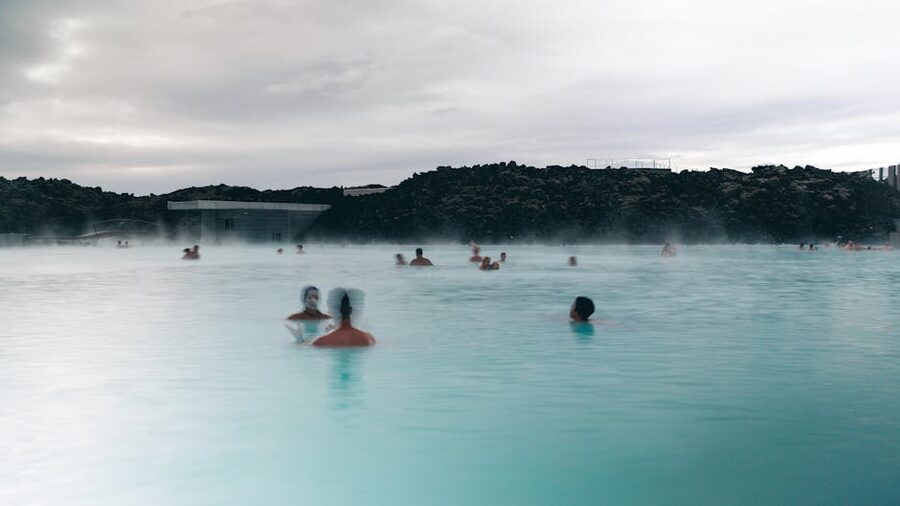
If you only book one big-ticket item in Reykjavik in March, make it the Sky Lagoon at sunset. Geothermal sea-water infinity pool facing the Atlantic, the seven-step bathing ritual through hot pool, cold plunge, sauna, and steam, and you finish staring out across the bay with the lights of Reykjavik visible to your right. Around 14,000 ISK for the basic pass, more for the full ritual. Booking is at skylagoon.com. Aim for a 17:00 slot in late March and you get sunset from the water.
The Blue Lagoon is the bigger name and worth doing once. The geothermal milky-blue water (from the Svartsengi power plant, which gives it the colour from the silica) is heated to around 38-40°C and the surrounding lava field is part of the look. Around 15,000 to 25,000 ISK depending on the package, book at bluelagoon.com. Note the 2024 Sundhnúkur eruptions periodically affected operations on the Reykjanes peninsula, so check the status close to the date. As of early 2026 the lagoon has been running normally between intermittent closures.
The Reykjavik public pools are the cheap and authentic alternative. Laugardalslaug is the largest in the city, has multiple pools and hot pots and a slide, costs around 1,330 ISK, and is open from 06:30. Sundhöllin is the historic downtown pool with a rooftop hot tub. This is where Icelanders actually go and a Saturday morning at one of these is more representative of how we live than any tourist lagoon.
Outside the capital, my March pick is Hvammsvík Hot Springs in Hvalfjörður, around 45 minutes north of Reykjavik. Eight pools at varying temperatures right on the fjord, around 7,000 ISK, much less crowded than Sky Lagoon, and the drive up Hvalfjörður is half the experience. Forest Lagoon at Akureyri is the north’s standout if you make it that far. The full hot springs guide covers the rural ones including Reykjadalur, the hike-in valley near Hveragerði, which is technically open in March if the trail is not snowed under.
Whale watching, the season turning
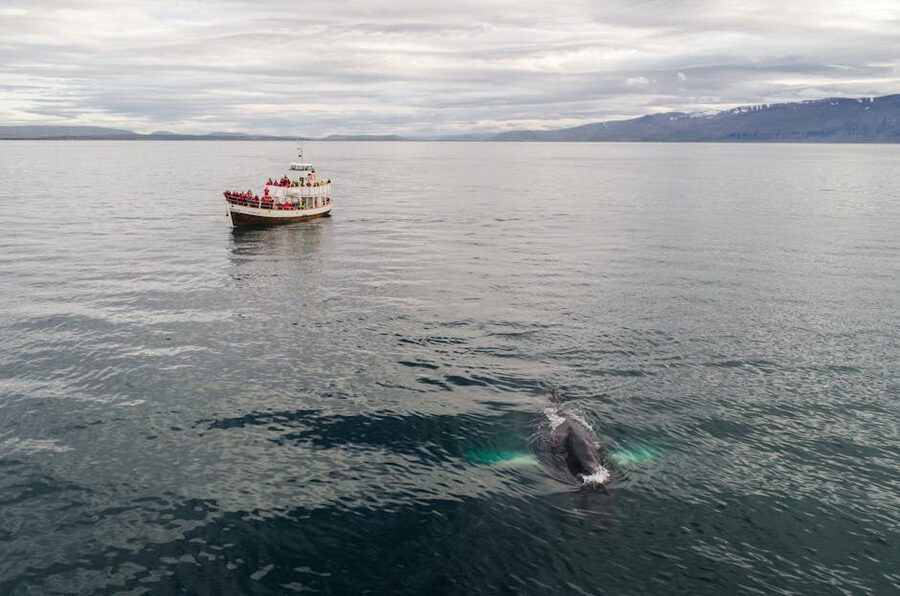
Whale watching from Reykjavik runs all year and starts to ramp up in March as humpbacks and minkes return from breeding grounds further south. Sightings are not at peak summer rates (around 80% from Reykjavik in summer, dropping to 50-60% in March), but the boats run multiple times a day, the species mix is starting to broaden, and the harbour itself is quieter than peak season. Elding is the established Reykjavik operator. Around 12,000 ISK, three hours, departures from Ægisgarður at the old harbour.
What you are likely to see in March: white-beaked dolphins (year-round, often), harbour porpoises (year-round), minke whales (returning from late February), humpback whales (returning from late February into March, sightings increasing through April). Orcas occasionally appear off the south Snæfellsnes coast in late winter, but for that you would want to be in Snæfellsnes not Reykjavik.
From Húsavík in the north, the main whale watching guide covers the operators in detail. North Sailing and Gentle Giants both run boats year-round but the schedule is thinner in March. Húsavík is at its peak from May through September.
Silfra snorkelling, year-round in 2°C
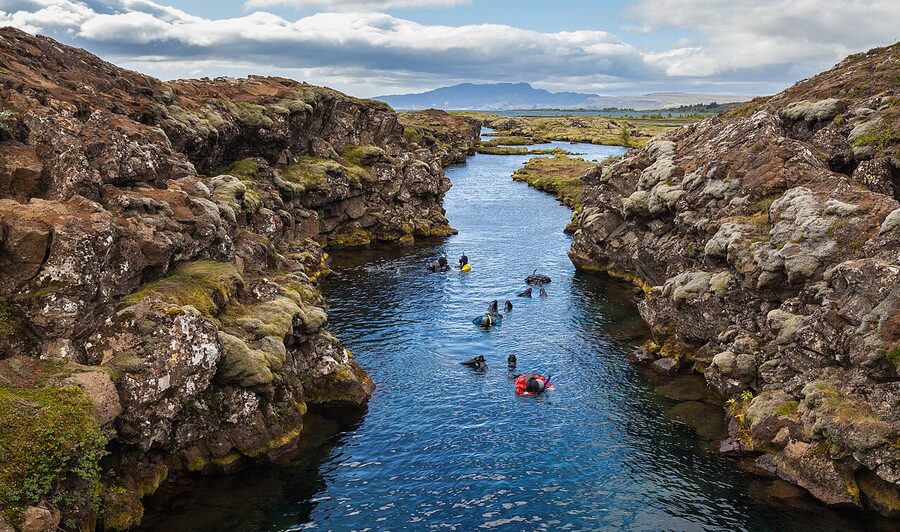
This one surprises people. Silfra, the freshwater fissure between the North American and Eurasian tectonic plates in Þingvellir National Park, is snorkellable and divable year-round because the water sits at 2-4°C every single day of the year regardless of season. You wear a dry suit. The dry suit is the entire point. You stay dry under it, layered up in thermals, and the water visibility is 100 metres-plus, more than any other freshwater dive site on the planet.
The full Silfra guide covers the operators and what to expect. Short version: DIVE.IS and Arctic Adventures are the established operators, around 23,000 to 30,000 ISK for a snorkel tour, longer and pricier for diving. You need to be a confident swimmer, you need to fit the dry suit (most operators have a height/weight cutoff), and you need to be okay with a face that goes numb in five minutes. The cold is the cost. The visibility is the reward.
Combining Silfra with the Golden Circle in one day is the popular move in March, since the daylight finally allows it. The combo tours start around Þingvellir (Silfra is in the park), then continue to Geysir and Gullfoss in the afternoon, and you are back in Reykjavik by 18:00.
Festivals and events in March
March is not the festival-stacked month August is, but a few cultural events anchor the calendar and one of them is genuinely worth planning around if you are in town for it.
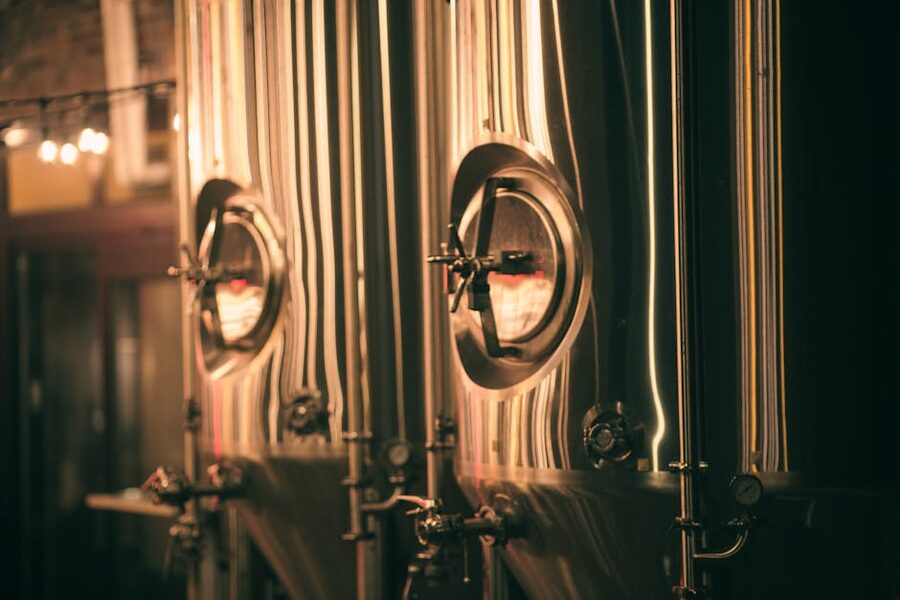
Bjórdagurinn (Beer Day), March 1st. Marks the legalisation of beer in Iceland in 1989, after a 74-year prohibition that ended one of the more bizarre legal anomalies in modern Europe. Most bars and breweries do specials, tap takeovers, and slightly chaotic celebrations. Kaldi Bar, MicroBar, and Skúli Craft Bar in central Reykjavik are reliable bets for a proper March 1st night out.
Stockfish Film Festival, March 19-29 in 2026. Iceland’s main arthouse film festival, ten days at Bíó Paradís in central Reykjavik, around 30 hand-picked films, country focus on Ireland for the 2026 edition. Tickets are not expensive (around 1,800 ISK per screening) and the Bíó Paradís bar between screenings is its own draw. The full programme goes up at stockfishfestival.is.
Reykjavík Folk Festival, March 19-21 in 2026. Three days of Icelandic and international folk acts at Iðnó on the pond. Free admission, opening at Iceland Music on the 19th, then full programme at Iðnó the 20th and 21st. Worth a night if you are in town, especially if the weather has parked you in the city anyway.
Bolludagur (Bun Day), Sprengidagur (Bursting Day), Öskudagur (Ash Day). The pre-Lent Monday-Tuesday-Wednesday triple. Dates shift each year (in 2026 they fall on February 16-18, so technically February, but in some years they land in early March). Bolludagur is cream buns, Sprengidagur is the meat-and-pea-soup feast (literally “bursting day”), Öskudagur is the children’s costume day where kids go shop to shop singing for sweets. Worth knowing about even if your dates miss them.
Easter weekend in 2026 falls on April 2-6, so it does not affect a March trip directly, but if you are travelling in the very last week of the month note that liquor stores (Vínbúðin) close several days around Easter and many smaller restaurants do too. Most museums and tour operators stay open through the long weekend. Plan ahead if you fly home Maundy Thursday or later.
Driving in March, the real version
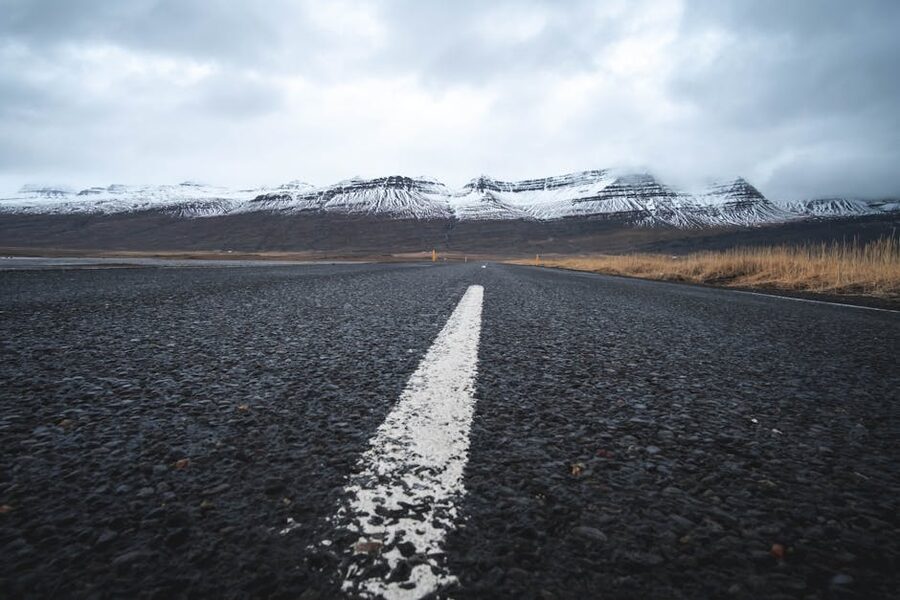
You can drive in Iceland in March. Whether you should depends on your winter-driving experience and how much weather risk you can absorb. The main roads (Route 1, the popular Golden Circle and South Coast routes, the road to the Blue Lagoon and Keflavík) are kept open and ploughed. F-roads stay closed. The Westfjords are mostly closed except the southern routes. The full car rental guide covers the platforms and insurance traps.
Three rules I would not skip:
One, rent a 4WD even if you only plan to drive the Golden Circle. The marginal cost over a 2WD is small and the safety margin in unexpected snow or ice is large. Studded tyres come standard on Icelandic rentals through April. Northbound compares operators, and Blue Car Rental and Lava Car Rental are the local picks Icelanders themselves recommend.
Two, buy the gravel and sand-and-ash insurance on top of the standard collision waiver. Both are common rental gotchas. Sand and ash damage in particular happens fast in Iceland’s high-wind coastal areas (the south coast around Vík especially), and standard insurance does not cover it. Adding both is usually around 4,000 to 5,000 ISK a day combined and absolutely worth it.
Three, check vedur.is and road.is every single morning before you set off. If road.is shows your route as red, you are not driving today. If it is yellow, you are driving with extreme care. The Icelandic emergency response to a tourist in the ditch in a storm is excellent but not free, and not pleasant for anyone.
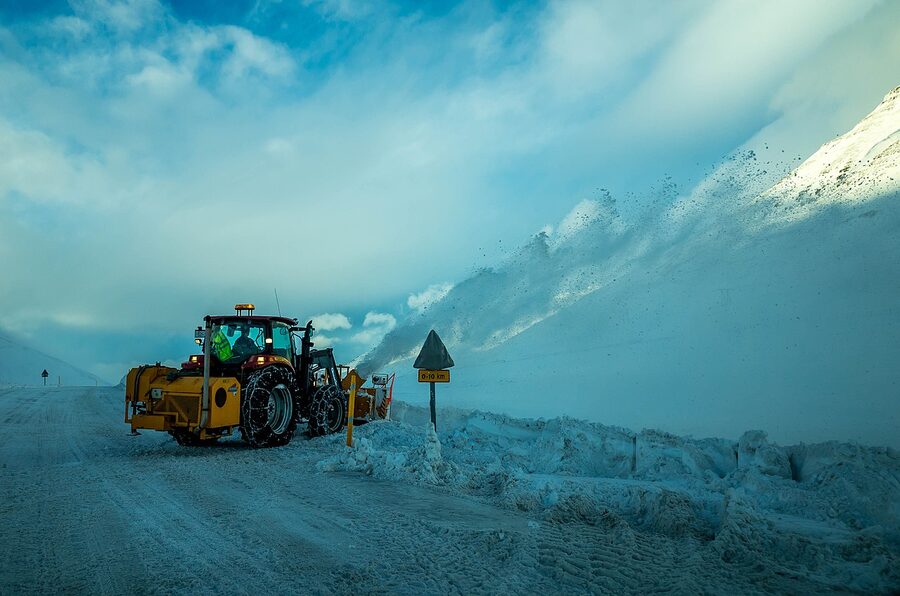
Storm closures in March are normally six to twenty-four hours long, occasionally longer. The Ring Road through the south and west clears fast. The east and north can stay closed longer. If you are aiming for a full Ring Road loop in March, ten days is the absolute minimum and you should plan two flex days into the trip. Eight days is risky. Seven is asking for trouble.
What to wear in March
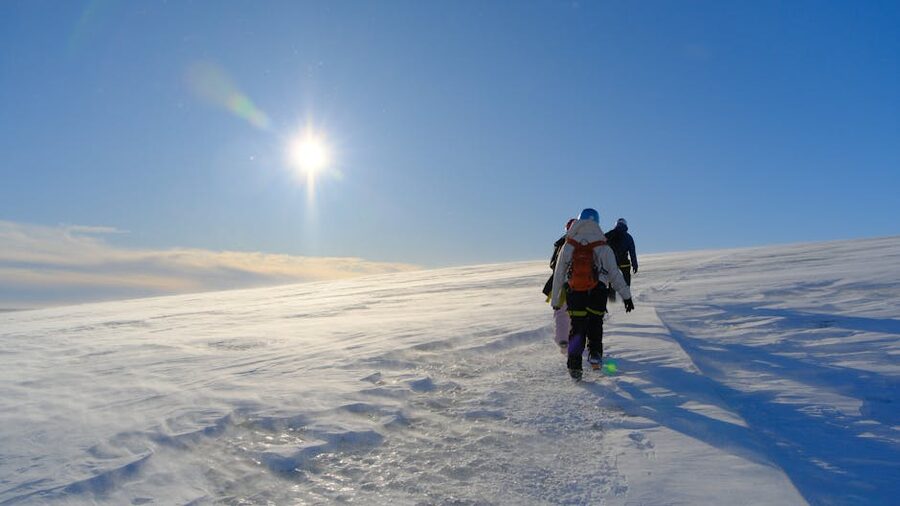
The wind, not the cold, is the thing to dress against. Layers and a proper waterproof shell are the foundation. The system Icelanders themselves use for outdoor weekends:
Base: thermal layers, wool or merino, top and bottom. Synthetic also fine. Cotton is bad, because once it is wet it stays wet and that is how you get cold.
Mid: fleece or wool sweater. The Icelandic lopapeysa is genuinely good for this and you can buy one at any wool shop in Reykjavik (the Handknitting Association of Iceland on Skólavörðustígur is the no-nonsense pick for real ones, around 25,000 to 35,000 ISK). Synthetic fleece works just as well at a fraction of the price.
Outer: a waterproof and windproof shell, hard shell preferred. Gore-Tex or equivalent. This is the layer that earns its keep. A 66°North or Cintamani jacket from a Reykjavik shop runs 35,000 to 80,000 ISK and is what you will see Icelanders themselves wearing. Bringing one from home is fine if it is properly waterproof and windproof.
Bottom: waterproof trousers over thermal layers. Snow pants are overkill unless you are doing serious glacier or hiking days. A pair of light shell pants is enough for the Golden Circle and South Coast.
Feet: waterproof boots with grip. Hiking boots that have actually been waterproofed work. Smooth-soled fashion boots are how you slip on the ice. Microspikes (Yaktrax or Kahtoola) clip onto your boots and are the single best thing to bring for icy footpaths. They are inexpensive (around 3,500 to 6,000 ISK in Reykjavik), light to pack, and turn the dodgy walk from car park to viewpoint at Gullfoss into a non-event.
Then: hat, gloves (waterproof outer plus a thinner liner is the combination), buff or neck warmer, sunglasses (the low spring sun on snow is genuinely blinding by mid-March), swimsuit (always, for the pools), and a small backpack to swap layers as the day goes.
What not to bring: heavy down parka rated for minus 20. You will overheat the moment you step inside. Heavy snow boots if your trip is mostly on the Golden Circle and South Coast. Cotton anything as a base layer.
What it actually costs
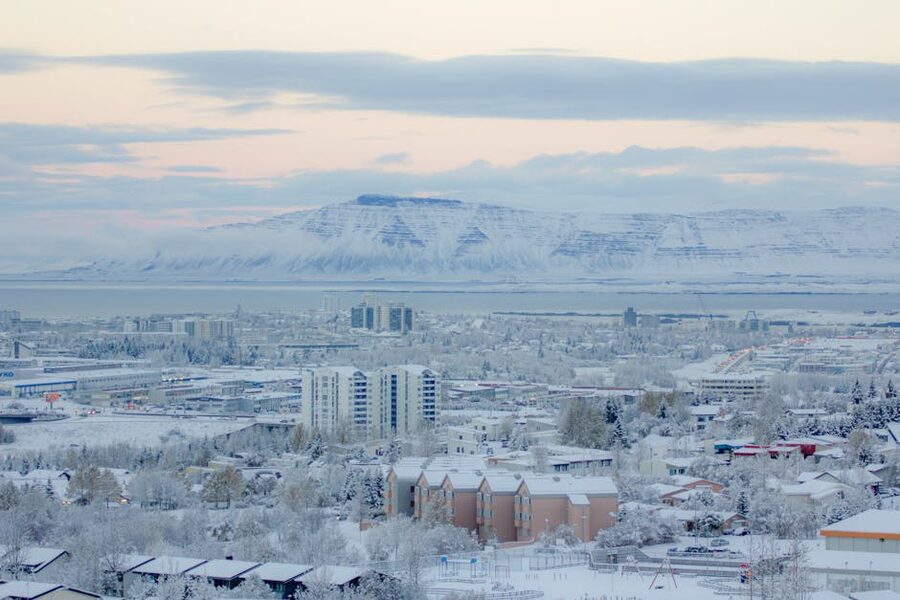
March is not cheap by global standards but it is meaningfully cheaper than peak summer. Rough budgeting for a week, two adults sharing:
Flights from the US east coast or northern Europe: 35,000 to 55,000 ISK per person round-trip on Icelandair or Play in March, well below summer peak.
Hotels in Reykjavik centre: 25,000 to 50,000 ISK per night for a comfortable mid-range double, dropping closer to 15,000 to 25,000 ISK for a guesthouse or budget room. Summer peaks the same rooms 50 to 80 percent higher.
Car rental, 4WD: 14,000 to 22,000 ISK per day in March including basic insurance. Add the gravel and sand-and-ash for a few thousand more. Summer often hits 30,000 to 40,000 ISK a day for the same vehicle.
Tours: standard pricing, no real off-season discount. Budget 12,000 to 22,000 ISK per person for a major day tour (Golden Circle, South Coast, Snæfellsnes), 14,000 to 25,000 ISK for an ice cave or glacier hike, 8,000 to 12,000 ISK for the Reykjavik northern lights bus tour.
Food: figure 4,000 to 6,000 ISK per person per main at a sit-down restaurant, 1,500 to 2,500 ISK for a soup and bread lunch, 2,500 to 4,000 ISK for a casual meal. The N1 petrol station hot dog is around 700 ISK and Bæjarins Beztu the same. Self-catering from Bónus or Krónan is dramatically cheaper than restaurants if you have kitchen access.
Total for a week, two adults, comfortable but not luxury: somewhere around 600,000 to 900,000 ISK on the ground excluding flights. The same week in July would cost 30 to 50 percent more.
A five-day March itinerary that actually works
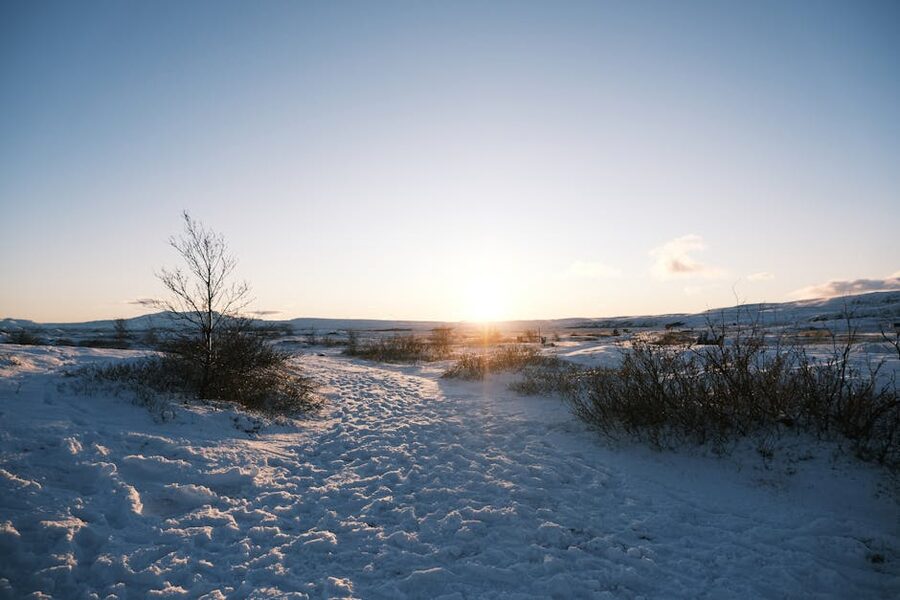
If you have five nights in March, this is what I would do. It is built around the late-March daylight (so 13 hours by day five), it includes one ice cave, it includes aurora time, and it ends at Sky Lagoon for a graceful exit on departure morning.
Day 1. Arrive Keflavík, pick up the car, drive 45 minutes to Reykjavik. Check into a central hotel like Reykjavik Konsulat. If your flight lands early enough, walk to Hallgrímskirkja and up the tower. Late lunch at Café Loki for the lamb soup. Wander Skólavörðustígur and Laugavegur in the afternoon. Dinner at Matur og Drykkur. Bed early, you have a long week.
Day 2. Golden Circle day. Self-drive the loop: Þingvellir first (allow 90 minutes for the rift walk and Lögberg), then Geysir (45 minutes including the walk to the active vent), then Gullfoss (45 minutes for both viewpoints if the lower one is open). Stop at Friðheimar tomato farm greenhouse for the tomato soup lunch, around 4,200 ISK and unlimited refills, plus you can eat surrounded by tomato vines which is its own thing in March. Back in Reykjavik by 17:00. Dinner at Sjávarbarinn or Fish Market. Aurora hunt evening (clear skies, drive 30-40 minutes east toward Þingvellir).
Day 3. South Coast day, push to Vík. Seljalandsfoss first (allow time for the back-of-falls walk if not iced shut), Skógafoss next, then Reynisfjara and the Dyrhólaey lookout. Sleep at Hotel Vík í Mýrdal. Dinner at Sudur-Vík restaurant (the lamb shank is the move). The town is small enough that you can walk anywhere from the hotel.
Day 4. Push east from Vík. Stop at Fjaðrárgljúfur canyon (open in March if the access road is clear, beautiful with snow in the canyon). Skaftafell for an optional Falljökull glacier hike if pre-booked. Then Jökulsárlón and Diamond Beach. Ice cave tour from the Glacier Lagoon car park, late afternoon. Sleep at Hotel Höfn in Höfn. Langoustine dinner at Pakkhús. Aurora hunt from the harbour pier if the sky is clear.
Day 5. Long drive back to Reykjavik (5 hours direct, longer with stops). Lunch at Vík or Selfoss. Sky Lagoon late afternoon (book a 16:30 to 17:30 slot for sunset). Final dinner in Reykjavik. Bed.
Day 6 (departure). Drive to Keflavík. The Blue Lagoon is on the way to the airport (15 minutes from KEF) if you want one more soak before the flight, but you do not need it after Sky Lagoon the day before. Most Icelandair flights to North America leave between 15:00 and 17:00, so a 13:00 airport arrival from Reykjavik is fine.
Stretching it to seven days
If you have seven nights, the smart additions are a Snæfellsnes day from Reykjavik (return same evening) and a slow second day in Reykjavik with hot pools at Laugardalslaug, museums in the morning, and a Reykjavík Excursions Northern Lights cruise on the second night. Resist the temptation to push for the Ring Road in seven days. You can do it, but March weather will likely cost you a day somewhere and you will arrive home exhausted.
Snæfellsnes works like this. Drive west early, around 08:00 from Reykjavik. Búðir black church first stop (90 minutes drive). Arnarstapi to Hellnar coastal walk (an hour, around 2.5 km, basalt cliffs the whole way). Lunch at Fjöruhúsið at Hellnar if it is open in March. Djúpalónssandur black pebble beach in the afternoon. Lóndrangar sea stacks. Loop east via Ólafsvík for whale watching only if conditions look good. Kirkjufell at sunset around 19:00 in late March. Back in Reykjavik by 21:30. Around 360 km total, eleven hours on the move with stops.
What to skip in March
A few things deserve to be off your list for a March trip, not because they are bad but because they are wrong-season.
The Highlands. Landmannalaugar, Þórsmörk, Askja, Kerlingarfjöll. All locked. Anyone selling you a “Highlands tour” in March is either lying or driving you to the edge of the closed road for a photo. Save it for July.
Inside the Volcano (Þríhnúkagígur). The 2026 season opens May 5th. There is no winter version.
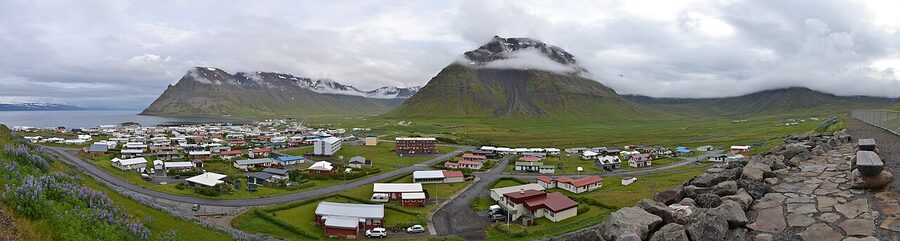
The Westfjords beyond the southern routes. The drive from Ísafjörður north to Hornstrandir is impossible. The whole Hornstrandir reserve is closed until the boats start in late June. The Westfjords guide has the seasonal map.
A full Ring Road in less than ten days. You can do it, but you will spend the trip racing weather windows and miss most of what makes the route worth the effort. Better to do the South Coast properly and save the rest for summer.
Camping unless you are seriously equipped. Most campsites are closed. Temperatures drop below freezing most nights. Storms hit. If you have arctic-rated camping gear and serious cold-weather experience, fine. Otherwise sleep in buildings.
The Westman Islands as a one-day trip. The ferry from Landeyjahöfn runs but the schedule is thinner than summer and weather cancellations are normal in March. If you want the Westman Islands, give them two days minimum and treat the ferry timetable as suggestion.
A word on the north
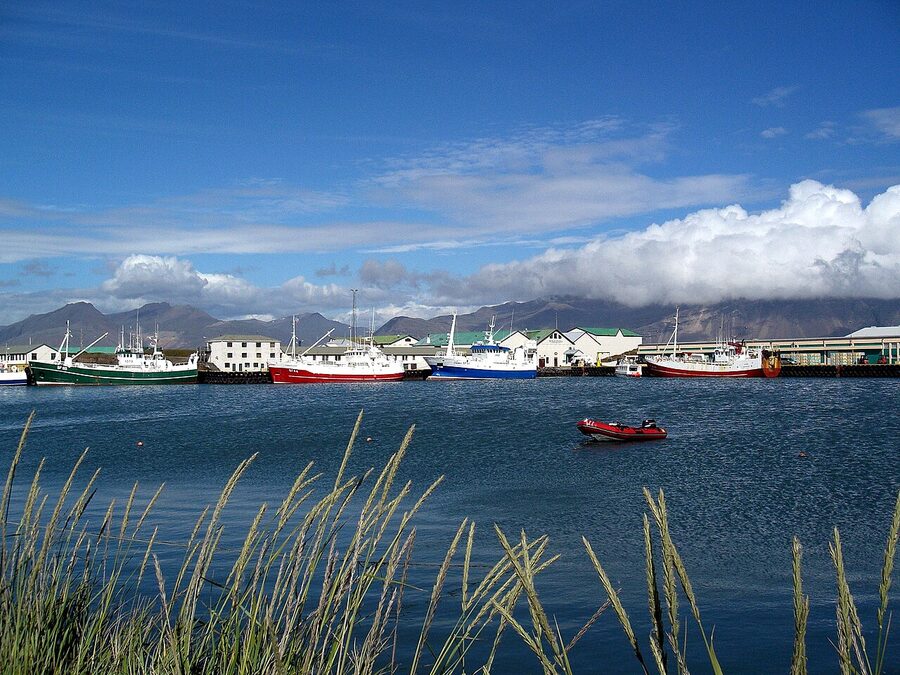
Akureyri and the Mývatn area in March are doable but require a separate trip mindset. You either fly Reykjavik-Akureyri (40 minutes, several daily, around 13,000 to 25,000 ISK one-way on Air Iceland Connect) or you drive 5 hours up Route 1 in conditions that can change. Worth it for the skiing at Hlíðarfjall (Iceland’s main ski area, runs March through April), the Forest Lagoon hot springs, the Mývatn Nature Baths, and the Bjórböðin beer spa at Árskógssandur where you soak in a tub of warm beer mash facing the fjord. Bjórböðin is open Wednesday through Saturday in winter and is a 15,000 ISK soak that you remember.
Húsavík, the whale watching town further north, is at its winter low in March. Boats run but on a thin schedule. Wait until May or June for Húsavík at full strength.
If you are on a six or seven day trip, do not try to add the north. Concentrate on the south and west. If you are on a ten-day trip with one or two flex days, fly up to Akureyri for two nights and back to Reykjavik. The scenery is genuinely different, the skiing is real, and the beer spa is the kind of thing that makes the trip distinctive.
If I were planning my own March trip
Late March, fly into Keflavík, six nights on the ground, rent a 4WD with full insurance from Blue Car Rental. Two nights centre Reykjavik to ease into the time zone and get the city right. Day three drive South Coast to Vík. Day four push east, ice cave at Vatnajökull, sleep Höfn. Day five back along the south, stop at Fjaðrárgljúfur and a long lunch in Vík. Sleep one night at Hotel Rangá for the rural-aurora setup with the in-room wake-up call when the lights appear. Day six Snæfellsnes day from Reykjavik with sunset at Kirkjufell. Day seven Sky Lagoon morning, departure. Aurora hunt every clear evening as opportunity allows.
That trip costs around 30 percent less than the same itinerary in July, hits the ice cave window before it closes, gets enough darkness for aurora chances, and has the late-March daylight to make the long days actually feel long. The downside is the weather risk, which you absorb by building one flex day in (skip Snæfellsnes if a storm parks you in Reykjavik, swap for museums and pools and a Northern Lights cruise instead).
March is not the easy answer. Summer is the easy answer. But it is the smart answer for a particular type of traveller: the one who wants the winter Iceland experiences without February’s harshness, the one who is happy to layer up and drive carefully, the one who would rather pay 40 percent less for the same hotel and have Kirkjufell to themselves at 19:00 than fight 40 photographers in July. If that sounds like you, plan for the second half of March, build in flex, and book the ice cave first.
.jpg)

_Photo_by_Giles_Laurent.jpg)


.jpg)

